
Grooming Guide, Cavapoo Comparisons
This Is Why You Need a Miniature Dachshund!
Aug
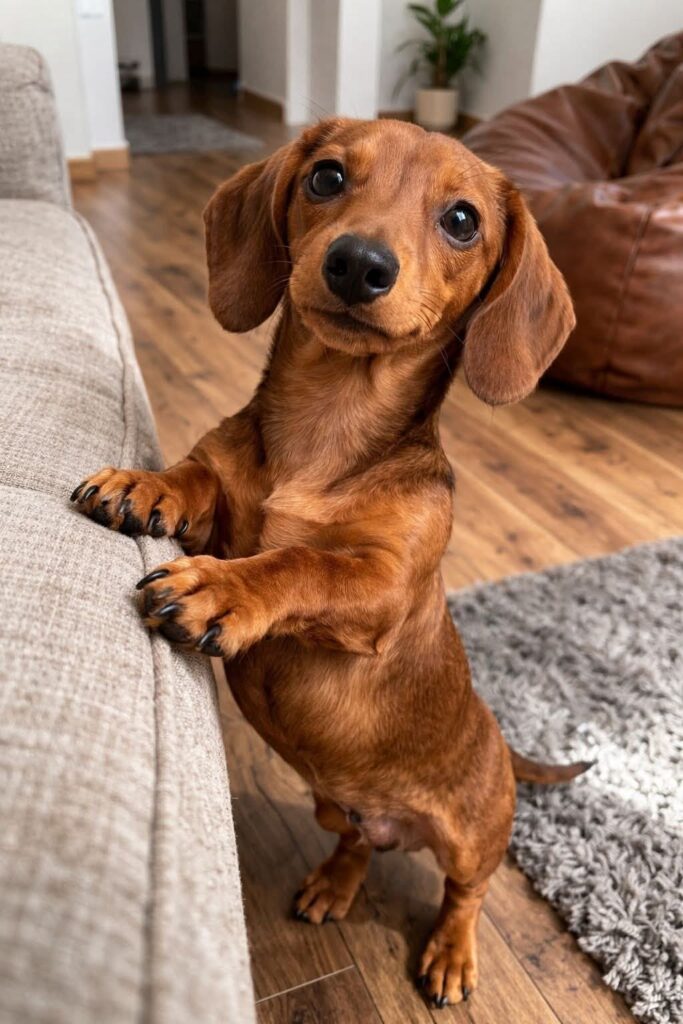
The Miniature Dachshund is one of the most recognizable small dog breeds in the world.
With their long bodies, short legs, expressive faces, and confident personalities, these little dogs have a unique appearance that is difficult to forget.
Despite their small size, Miniature Dachshunds are active, intelligent, curious, and surprisingly determined. They were originally developed for hunting, so their instincts remain an important part of their personality today.
If you are considering adding one to your family, understanding the breed’s history, exercise requirements, diet, training needs, and temperament can help you decide whether a Miniature Dachshund is right for your lifestyle.
The History of the Miniature Dachshund
Dachshunds can be traced back hundreds of years to Germany.
The name comes from two German words: “Dachs,” meaning badger, and “Hund,” meaning dog.
Their long bodies and short legs were particularly useful for hunting animals underground. Their compact build allowed them to enter tunnels and pursue prey, while their strong sense of smell helped them track scents.
Over time, different Dachshund sizes developed.
In the United States, Dachshunds are commonly divided into standard and miniature sizes. They can also have different coat types, including smooth, longhaired, and wirehaired.
The American Kennel Club recognizes the Dachshund as a member of the Hound Group and provides detailed information about the breed’s history and characteristics. (akc.org)
Miniature Dachshund Overview
Before choosing a Miniature Dachshund, it helps to understand some of the breed’s basic characteristics.
- Breed: Dachshund
- Size: Miniature
- Coat types: Smooth, longhaired, and wirehaired
- Common colors: Black and tan, chocolate and tan, red, cream, dapple, and others
- Typical lifespan: Around 12 to 16 years
- Personality: Curious, clever, lively, and affectionate
- Energy level: Moderate to high
- Trainability: Intelligent but sometimes independent
- Sociability: Moderate
Individual dogs can vary considerably in temperament, energy, and size.
Why Are Miniature Dachshunds So Popular?
There is a lot to appreciate about these small dogs.
Their size makes them suitable for many different living environments. They can adapt to apartments, townhomes, and houses as long as they receive enough exercise and mental stimulation.
They also tend to form strong relationships with their owners.
A Miniature Dachshund may happily follow you around the house, curl up beside you, or investigate everything happening around them.
However, prospective owners should not mistake their small size for low maintenance.
These dogs were bred to work, hunt, track, and make decisions independently.
That means a Miniature Dachshund can be energetic, vocal, stubborn, and extremely curious.
Exercise Requirements
A Miniature Dachshund needs regular physical activity.
A reasonable daily goal for many healthy adult dogs is around 30 to 45 minutes of activity, although the ideal amount depends on the individual dog’s age, health, fitness, and temperament.
Walking is an excellent activity.
You can also incorporate short games of fetch, scent games, supervised exploration, and training exercises into your dog’s routine.
Because Dachshunds have a long back and relatively short legs, exercise should be structured carefully.
Avoid encouraging excessive jumping from furniture, stairs, or elevated surfaces.
The Dachshund Club of America also emphasizes the importance of protecting the breed’s distinctive back structure. (dachshundclubofamerica.org)
A healthy exercise routine should build strength and fitness without placing unnecessary stress on the spine.
Protecting Your Miniature Dachshund’s Back
Back health is one of the most important considerations for Dachshund owners.
Their elongated body structure means owners should take reasonable precautions to reduce unnecessary strain.
Instead of allowing your Dachshund to repeatedly jump from a high couch or bed, consider using a ramp or steps designed for dogs.
When carrying your dog, support both the front and rear portions of the body.
You should also avoid encouraging repeated jumping over large obstacles.
Regular exercise can help maintain a healthy body condition, but it is important to combine activity with sensible weight management.
Keeping your Dachshund at a healthy weight can reduce unnecessary stress on the back and joints.
If your dog suddenly shows signs of pain, weakness, difficulty walking, reluctance to move, or unusual behavior, contact your veterinarian promptly.
Feeding a Miniature Dachshund
Nutrition is another important part of caring for this breed.
Your Miniature Dachshund needs a complete and balanced diet appropriate for their life stage.
Puppies have different nutritional requirements from adult dogs, so a puppy food formulated for growth is generally more appropriate than an adult formula.
Small meals can be useful for young puppies.
As puppies mature, feeding schedules can change according to their age, size, activity level, and individual needs.
Avoid simply feeding based on how hungry your dog appears.
Dachshunds can be enthusiastic eaters, and excessive weight gain can place additional stress on their body.
For help understanding dog nutrition, read our guide on What Dog Food Ingredients Should You Avoid?.
You can also ask your veterinarian to recommend an appropriate food and feeding amount for your individual dog.
Training a Miniature Dachshund
Training can be one of the most rewarding parts of owning a Miniature Dachshund.
It can also require patience.
These dogs are intelligent, but intelligence does not always mean automatic obedience.
Their hunting background means they can be independent and easily distracted by interesting smells.
A squirrel, bird, scent trail, or interesting object can suddenly become more important than the command you just gave.
This is why positive reinforcement is especially useful.
Reward behaviors you want to see repeated.
Use small treats, praise, toys, and enthusiastic encouragement when your Dachshund responds correctly.
Keep training sessions short and interesting.
Repeating the same exercise for too long can cause your dog to lose interest.
For additional training guidance, see our How to Train a Cavapoo Puppy guide. While the article focuses on Cavapoos, many of the positive-reinforcement principles can also be useful for other companion breeds.
Potty Training Can Require Patience
Miniature Dachshunds have a reputation for being challenging to house-train.
That does not mean they cannot learn.
Consistency is essential.
Take your puppy outside regularly, especially after sleeping, eating, drinking, playing, and waking up.
When your puppy eliminates in the correct location, immediately provide praise and an appropriate reward.
Avoid punishing accidents.
Instead, clean accidents thoroughly and continue reinforcing the correct behavior.
Our guide on Puppy Accidents and How to Clean Them explains why thorough cleaning is important when accidents occur.
Miniature Dachshund Temperament
Miniature Dachshunds are often affectionate with their families.
They can be playful, curious, confident, and entertaining.
However, their personalities can also include some stubbornness.
Some may bark frequently when they hear unfamiliar sounds or notice people approaching the home.
Early socialization can help your puppy become comfortable around different people, environments, sounds, and appropriately vaccinated dogs.
Introduce new experiences gradually.
Your goal is not to force your puppy into uncomfortable situations.
Instead, create positive experiences that help your dog develop confidence.
Grooming Requirements
Grooming requirements depend largely on coat type.
Smooth-coated Dachshunds generally have relatively simple grooming needs.
Longhaired Dachshunds require more regular brushing to prevent tangles.
Wirehaired Dachshunds have a different coat texture and may need additional grooming attention.
Regardless of coat type, routine nail care is important.
Long nails can become uncomfortable and may affect how a dog walks.
You can learn more about canine nail care in our article How to Handle Broken Nails on Our Puppies.
Are Miniature Dachshunds Good Family Dogs?
Miniature Dachshunds can make wonderful family companions.
However, their suitability depends on the household.
Young children should always be taught how to interact appropriately with dogs.
Children should not pull a dog’s ears or tail, climb on the dog, disturb the dog while eating, or force interaction when the dog wants space.
Supervision is especially important because of the Dachshund’s long back.
A child accidentally falling on a small dog can cause injury.
With respectful handling, proper socialization, and supervision, many Miniature Dachshunds become affectionate members of the family.
Are Miniature Dachshunds Good Apartment Dogs?
Yes, they can be.
Their small size makes them practical for apartment living.
However, an apartment does not eliminate their exercise requirements.
Your Miniature Dachshund still needs daily walks, play, training, and mental stimulation.
Scent-based games can be particularly enjoyable because they allow your dog to use one of their strongest natural abilities.
A short training session combined with a walk can provide both physical and mental enrichment.
Miniature Dachshund vs. Cavapoo
If you are choosing between a Miniature Dachshund and a Cavapoo, consider your preferred lifestyle.
Miniature Dachshunds tend to have stronger hunting instincts and can be more independent and vocal.
Cavapoos are generally known for being affectionate companion dogs that enjoy close interaction with their families.
Both breeds can be intelligent and trainable, but each has different physical characteristics, grooming requirements, and personalities.
If you are specifically interested in Cavapoos, our Cavapoo Breed Guide provides a detailed introduction to the breed.
You can also explore our Available Cavapoo Puppies if you are considering bringing a Cavapoo into your family.
Frequently Asked Questions
How long do Miniature Dachshunds live?
Miniature Dachshunds commonly live around 12 to 16 years, although individual lifespan varies depending on genetics, nutrition, weight, healthcare, and overall lifestyle.
Are Miniature Dachshunds easy to train?
They are intelligent and capable of learning quickly, but their independent personalities can make training challenging.
Consistent positive reinforcement usually works better than harsh corrections.
How much exercise does a Miniature Dachshund need?
Many healthy adult Miniature Dachshunds benefit from roughly 30 to 45 minutes of daily activity, divided into walks and play sessions.
Individual needs vary.
Can Miniature Dachshunds live in apartments?
Yes.
Their small size makes apartment living possible, provided they receive enough exercise, training, enrichment, and attention.
Are Miniature Dachshunds good with children?
They can be good family dogs when properly socialized and respectfully handled.
Children should always be supervised around dogs.
Do Miniature Dachshunds bark a lot?
Some Miniature Dachshunds can be quite vocal.
Their alert nature and hunting background can contribute to barking.
Consistent training and socialization can help manage unnecessary barking.
Are Miniature Dachshunds good for first-time owners?
They can be, but prospective owners should be prepared for an independent personality, regular training, and careful attention to back health.
Do Miniature Dachshunds need a lot of grooming?
Grooming needs depend on whether the dog has a smooth, longhaired, or wirehaired coat.
Longhaired and wirehaired Dachshunds generally require more coat maintenance than smooth-coated dogs.
Can Dachshunds jump on furniture?
They physically can, but repeatedly jumping from elevated furniture is not ideal because of their long-backed structure.
Using ramps or limiting access to high furniture can be a sensible precaution.
Final Thoughts
The Miniature Dachshund may be small, but this breed has an enormous personality.
They are intelligent, curious, energetic, affectionate, and full of character.
Their history as hunting dogs explains many of their modern behaviors, including their strong sense of smell, independence, and determination.
However, owning one requires commitment.
Daily exercise, appropriate nutrition, positive training, socialization, grooming, and careful management of jumping and weight can help support a healthy lifestyle.
If you are looking for a small companion with a big personality, the Miniature Dachshund may be an excellent option.
If your search is specifically for a friendly companion breed with a different physical structure and temperament, explore our Cavapoo Puppies for Sale and learn more about what makes the Cavapoo such a popular family companion.
Continue Learning About Dogs and Cavapoos
- Cavapoo Breed Guide
- Cavapoo Care Guide
- How to Train a Cavapoo Puppy
- Puppy Accidents and How to Clean Them
- How to Handle Broken Nails on Our Puppies
- Is Your Dog Getting Enough Exercise?
- Dog Harnesses
- Leash and Harness Training
- What Dog Food Ingredients Should You Avoid?
- Frequently Asked Questions
Trusted External Resources
