
Cavapoo Care Guide, Cavapoo Training Guide
Dog Harnesses: Benefits, Proper Fit, and How to Measure Your Dog
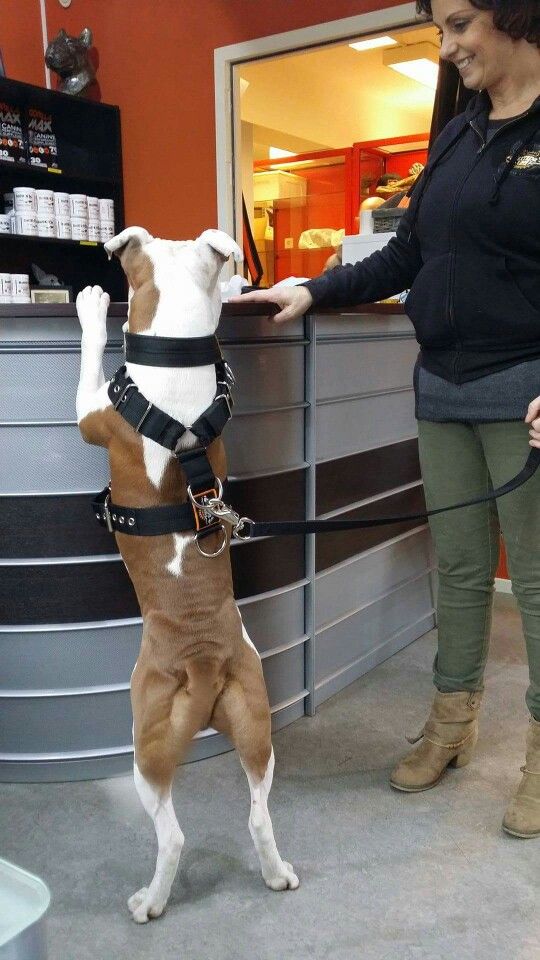
Aug
Choosing the right dog harness can make everyday walks more comfortable and manageable for both you and your dog. A properly fitted harness can distribute pressure across the chest instead of concentrating it around the neck (dog harnesses).
However, not every harness works equally well for every dog. The design, size, adjustment points, and your dog’s body shape all matter.
If you are considering switching from a traditional collar to a harness, understanding how a dog harness works and how to measure your dog is an important first step (best dog harness).
What Is a Dog Harness?
A dog harness is a piece of walking equipment that fits around a dog’s chest and torso. Instead of attaching the leash only around the neck, a harness creates several points of contact around the dog’s body.
Different harnesses have different designs. Some attach the leash at the back, while others have a front attachment point that can help redirect a dog who pulls (dog harness sizing).
A harness should never be viewed as an automatic solution for pulling. Proper training is still important.
For puppies especially, introducing a harness gradually can help create a positive association with wearing it.
Dog Harnesses: Benefits of Using a Dog Harness
There are several reasons dog owners choose harnesses instead of relying exclusively on collars.
Less Pressure Around the Neck
A properly designed harness can reduce direct pressure around the dog’s throat and neck during walks.
This can be particularly useful for dogs that tend to pull strongly against a leash.
Instead of concentrating leash pressure at the neck, a harness distributes contact across areas of the chest and torso (how to measure a dog for a harness).
However, harnesses should still be fitted carefully. A poorly designed or incorrectly adjusted harness can cause rubbing, discomfort, or restricted movement.
Better Control During Walks
A harness gives the handler a larger contact area around the dog’s body.
This can make it easier to guide a dog during walks, particularly when walking a strong, energetic, nervous, or easily distracted dog.
Some harness designs also include a front leash attachment. When a dog pulls, this attachment can help redirect the dog toward the handler (how should a dog harness fit).
Reduced Risk of Slipping Out
Some dogs can back out of poorly fitted collars.
A properly fitted harness can provide additional security because it wraps around the dog’s chest and body.
This does not mean a dog cannot escape a harness.
Dogs can still slip out of poorly fitted equipment, especially if the harness is too loose or the design does not suit their body shape (dog harness for puppies).
Always check the fit before every walk.
More Comfortable for Some Dogs
Every dog is different.
Some dogs are noticeably more comfortable wearing a harness than a collar, while others may initially dislike having equipment around their body.
Allow your dog to become familiar with the harness gradually.
Reward calm behavior and short periods of successful wear before going on longer walks (puppy harness).
Are Harnesses Better Than Collars?
There is no single answer that applies to every dog.
A collar can be useful for identification tags and everyday wear, while a harness can be useful for leash walking.
Many owners use both.
The most important consideration is whether the equipment is appropriate for your dog’s size, anatomy, behavior, and walking needs (no-pull dog harness).
If your dog pulls heavily, a harness combined with positive-reinforcement training may provide better management than simply attaching a leash to a collar.
For puppy owners, this can be especially helpful while developing loose-leash walking skills.
How Should a Dog Harness Fit?
A dog harness should be secure without being restrictive.
A harness that is too loose can allow your dog to escape.
A harness that is too tight can cause rubbing, pressure, or discomfort.
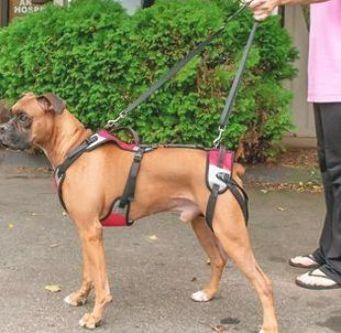
You should be able to move your fingers underneath the harness without struggling, but there should not be excessive space between the harness and your dog’s body (dog walking harness).
The Two-Finger Fit Check
The commonly used two-finger check provides a simple starting point.
Once the harness is properly adjusted, you should generally be able to slide approximately two fingers between the harness and your dog’s body.
If you cannot comfortably fit your fingers underneath it, the harness may be too tight.
If you can fit several fingers underneath it or the harness moves excessively, it may be too loose.
Remember that this is a practical fit check rather than a universal measurement standard. Always follow the manufacturer’s instructions for the specific harness you purchase (harness vs collar).
How to Measure Your Dog for a Harness
Before buying a harness, take your dog’s measurements.
Do not rely only on weight.
Two dogs can weigh the same amount while having very different chest and neck measurements.
A flexible measuring tape is ideal.
If you do not have one, you can use a piece of string and measure the string afterward with a ruler (dog harness safety).
Step 1: Measure the Neck
Measure around the lower portion of your dog’s neck where the harness or collar will sit.
Keep the tape comfortably against the coat without pulling it tightly.
Write down the measurement.
Step 2: Measure the Chest Girth
Chest girth is one of the most important measurements for harness sizing.
Place the measuring tape around the widest part of your dog’s rib cage.
Make sure the tape remains level and wraps completely around the body.
Write down the measurement.
Step 3: Measure Body Length
Some harness manufacturers also provide a body-length measurement.
Measure from the base of your dog’s neck to the base of the tail.
Do not measure all the way to the end of the tail.
Write down the measurement and compare it with the manufacturer’s sizing chart.
Always Check the Manufacturer’s Size Chart
Dog harness sizing is not standardized across every brand.
A small harness from one manufacturer may fit differently from a small harness made by another company.
For this reason, always compare your dog’s actual measurements with the specific manufacturer’s sizing chart.
If your dog falls between two sizes, check the manufacturer’s recommendations before choosing.
You should also consider your dog’s coat.
A heavily coated dog may require a different adjustment than a short-coated dog with the same body measurements (Cavapoo harness).
How to Tell if a Harness Is Too Tight
Watch your dog after putting the harness on.
Signs that the harness may be too tight or uncomfortable can include:
- Excessive rubbing.
- Redness beneath the straps.
- Hair being pulled or flattened excessively.
- Restricted movement.
- Reluctance to walk.
- Trying repeatedly to remove the harness.
- Changes in gait.
- Whining or discomfort.
Remove the harness and reassess the fit if you notice these signs.
A harness should allow your dog to walk, sit, lie down, and move naturally (best harness for Cavapoo).
How to Tell if a Harness Is Too Loose
A loose harness can be equally problematic.
Check whether:
- The harness shifts excessively.
- Your dog can back out of it.
- The straps move toward the armpits.
- You can easily pull the harness away from the body.
- The leash attachment moves into an unusual position.
Always check the harness before leaving the house.
A few seconds spent checking the straps can help prevent an escape during a walk.
Avoid Harnesses That Rub the Armpits
One common problem with poorly fitted harnesses is rubbing around the front legs and armpits.
The repeated friction can irritate the skin.
When your dog walks, watch how the harness moves.
Your dog’s front legs should be able to move naturally without the straps repeatedly cutting into the armpit area.
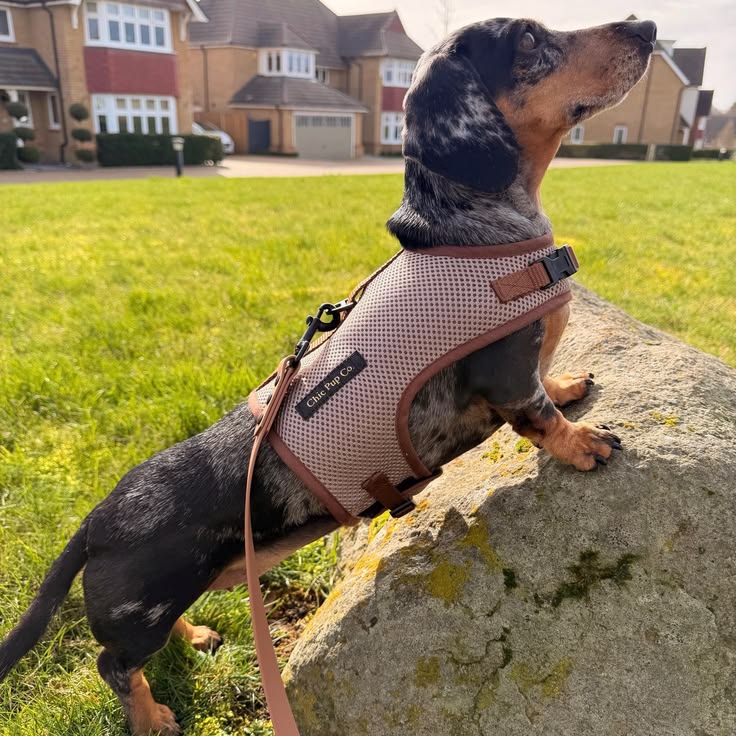
If rubbing continues even after adjustment, the harness design may simply not be suitable for your dog’s body shape (Cavapoo puppy harness).
How to Introduce a Puppy to a Harness
Puppies may initially find a harness strange.
Rather than immediately putting the harness on and heading outside, introduce it slowly.
Start by allowing your puppy to sniff the harness.
Reward calm curiosity.
Next, briefly place the harness against your puppy’s body without fastening it.
Continue rewarding relaxed behavior.
Once your puppy is comfortable, put the harness on for a very short period while remaining indoors.
Gradually increase the amount of time your puppy wears it.
This approach can help prevent the harness from becoming associated with fear or frustration (loose leash training).
Use Positive Reinforcement
Positive reinforcement can make harness training much easier.
When your dog calmly approaches the harness, offer praise or an appropriate treat.
Reward your dog for standing calmly while you put the harness on.
Reward relaxed walking once the leash is attached.
Over time, your dog can learn that the harness predicts something positive, such as a walk, exploration, or time with you.
If you are raising a Cavapoo puppy, consistent positive reinforcement can also help with other early training behaviors.
Our How to Train a Cavapoo Puppy guide provides additional puppy-training information.
Harnesses and Loose-Leash Training
A harness can improve walking management, but it does not teach a dog not to pull by itself.
Loose-leash training is still important.
Begin in a low-distraction environment.
Reward your dog when they walk near you with a loose leash.
If your puppy starts pulling, stop moving or calmly redirect them rather than allowing pulling to become the way they reach their destination.
Consistency is important.
With regular practice, your dog can learn that walking calmly allows the walk to continue.
Choosing a Harness for a Cavapoo
Cavapoos can vary considerably in size because they are a Cavalier King Charles Spaniel and Poodle cross.
That means you should not choose a harness based solely on the breed name.
Measure your individual Cavapoo’s neck and chest and compare those measurements with the manufacturer’s chart.
A puppy will also grow quickly, so check the fit regularly.
A harness that fits perfectly today may become restrictive or too small after several weeks of growth.
For more information about Cavapoo characteristics, size, temperament, and care, visit our Cavapoo Breed Guide.
You can also learn more about everyday puppy care through our Cavapoo Care Guide.
How Often Should You Check Your Dog’s Harness?
Check the fit regularly.
You should inspect the harness whenever your dog experiences significant growth, gains or loses weight, gets a major haircut, or begins behaving differently while wearing it.
For puppies, frequent checks are especially important because their bodies can change quickly.
Also inspect the harness itself.
Look for:
- Frayed straps.
- Damaged buckles.
- Cracked clips.
- Loose stitching.
- Worn attachment points.
- Broken adjustment mechanisms.
Replace damaged equipment rather than continuing to use it.
Harness Safety Tips
A harness should be treated as walking equipment rather than something that automatically stays on your dog all day.
Unless the manufacturer specifically states otherwise, remove the harness when your dog is resting at home.
Never leave a dog unattended while wearing equipment that could become caught or tangled.
Before every walk, check:
- The buckles are properly secured.
- The straps are correctly positioned.
- The harness is not too tight.
- The harness is not too loose.
- The leash attachment is secure.
- Your dog can move normally.
These quick checks can make walks safer and more comfortable.
Final Thoughts
A properly fitted dog harness can make walking easier while reducing concentrated pressure around the neck.
The right harness should fit securely without rubbing, restricting movement, or creating an opportunity for your dog to escape.
Start by measuring your dog’s neck, chest, and body length.
Then compare those measurements with the manufacturer’s sizing chart.
For puppies, check the fit regularly because they grow quickly.
Most importantly, remember that a harness is only one part of successful leash walking. Combining appropriate equipment with positive-reinforcement training can help your dog develop calm and confident walking habits.
If you’re raising a Cavapoo puppy, continue building good habits with our Cavapoo Care Guide and How to Train a Cavapoo Puppy resources.
If you’re looking for a Cavapoo puppy, you can also visit our Available Cavapoo Puppies page.
Continue Learning About Cavapoos
- Cavapoo Breed Guide
- Cavapoo Care Guide
- How to Train a Cavapoo Puppy
- Puppy Buying Checklist
- Questions to Ask Before Buying a Cavapoo Puppy
- Health Guarantee
- Shipping & Delivery
- Adoption Process
- Frequently Asked Questions

Pingback: Top Dog Training Collars: Types, Safety & Training Tips 2026
Pingback: How to Stop Dog Barking at Strangers: 2026 Complete Guide
Pingback: Tips for Taking Your Dog on Vacation: Safe Dog Travel Guide
Pingback: Leash and Harness Training for Puppies: Complete Guide
Pingback: Dog ID Tags: Why They Matter and How to Keep Your Dog Safe