
Cavapoo Care Guide, Cavapoo Training Guide
Let’s Talk About Leash and Harness Training
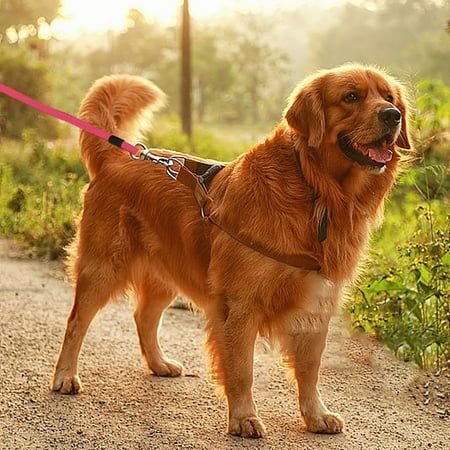
Aug
Leash and harness training is one of the most important skills you can teach a puppy (leash and harness training).
A puppy that learns to walk calmly beside you is easier to manage at home, in public, and around other people and dogs.
Early training can also help establish good habits before pulling, jumping, chasing, or leash biting become difficult behaviors to change.
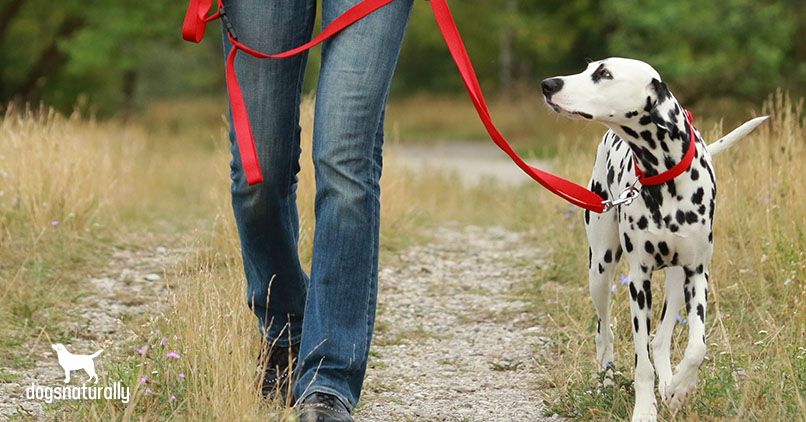
For Cavapoo puppies especially, gentle and consistent training can help build confidence while teaching them how to cooperate with their family (harness training puppy).
Why Is Leash Training Important?
Leash training teaches your puppy that walking beside you is a normal part of everyday life.
It also helps your puppy learn:
- Basic obedience
- Impulse control
- Focus around distractions
- Appropriate greetings
- Calm walking behavior
- Cooperation with their owner
- Safe outdoor habits
A puppy that constantly pulls toward people, dogs, cars, or interesting smells can quickly become difficult to control.
Teaching loose-leash walking from an early age gives your puppy a much better foundation (puppy leash training).
For more puppy training guidance, see our How to Train a Cavapoo Puppy guide.
When Should You Start Leash and Harness Training?
You do not need to wait until your puppy’s first outdoor walk to begin.
You can introduce a collar, harness, and leash inside your home.
Start with short sessions when your puppy is relaxed.
Let your puppy investigate the equipment before putting it on.
Reward calm behavior with praise and appropriate treats.
The goal is to make the equipment feel normal rather than frightening.
Outdoor walks, however, should follow your veterinarian’s recommendations regarding vaccinations and infectious-disease risks (puppy harness training).
The exact timing can vary depending on your puppy’s vaccination schedule, local disease risks, and your veterinarian’s advice.
Start With the Harness
A harness can be particularly useful for puppies because it distributes leash pressure across the body rather than concentrating it around the neck (how to stop puppy pulling).
However, a harness must fit correctly.
A harness that is too loose can allow a puppy to escape.
One that is too tight can cause rubbing and discomfort.
Before purchasing one, measure your puppy according to the manufacturer’s sizing instructions.
You can also read our complete guide to Dog Harnesses for more information about fitting and measuring.
Let Your Puppy Get Used to the Harness
The first few sessions should be simple.
Place the harness on your puppy for a short period while they are doing something enjoyable.
For example, you could offer a treat or play a gentle game.
Watch your puppy carefully.
Some puppies may initially freeze, scratch at the harness, roll around, or try to remove it.
Do not immediately turn the experience into a battle.
Instead, redirect your puppy and reward calm behavior.
Gradually increase the amount of time your puppy wears the harness.
Introduce the Leash Indoors
Once your puppy is comfortable wearing the harness, attach a lightweight leash.
Allow your puppy to walk around a safe room while you supervise.
Do not immediately start pulling the leash.
Instead, allow your puppy to feel the leash following behind them.
Reward your puppy when they remain calm.
You can then begin walking a few steps beside your puppy.
When your puppy follows you, offer praise.
Repeat this process several times throughout the day.
Short sessions are generally much more effective than one long training session (loose leash walking).
Teach Your Puppy to Follow You
Your puppy needs to learn that following you is rewarding.
Start in a quiet room with minimal distractions.
Take a few steps backward.
Use a cheerful voice to encourage your puppy to come toward you.
When your puppy follows, reward them.
Gradually increase the distance.
Once your puppy understands the game, you can begin walking beside them.
This simple exercise builds attention and teaches your puppy that staying near you has positive consequences (puppy walking tips).
Practice Loose-Leash Walking
Loose-leash walking should be one of your primary goals.
A loose leash means your puppy is walking without constantly pulling against it.
If your puppy pulls forward, stop moving.
Wait for the leash to become loose again.
Once your puppy returns their attention to you, continue walking.
This teaches an important lesson (puppy leash biting):
Pulling does not make the walk continue.
You should avoid repeatedly jerking the leash or dragging your puppy back toward you.
Gentle guidance combined with positive reinforcement is usually a better approach (puppy collar training).
Reward the Behavior You Want
Positive reinforcement is one of the most useful tools in puppy training.
Reward your puppy whenever they:
- Walk beside you
- Look at you
- Come when called
- Stop pulling
- Ignore distractions
- Remain calm around people
- Walk past another dog appropriately
The reward does not always have to be food.
You can also use praise, affection, play, or access to something your puppy enjoys.
The important thing is that your puppy learns which behaviors produce positive results (how to train a Cavapoo puppy).
Teach Your Puppy to Ignore Distractions
The outside world is full of exciting things.
Your puppy may want to investigate:
- Other dogs
- People
- Birds
- Squirrels
- Cars
- Leaves
- New smells
- Loud noises
Do not expect your puppy to immediately ignore everything.
Begin in a quiet environment.
Once your puppy becomes reliable, gradually introduce more distractions.
If your puppy becomes too excited to respond to you, the environment may be too difficult.
Move farther away from the distraction and try again (Cavapoo leash training).
Practice Proper Greetings
Leash training is not only about walking.
It also teaches your puppy how to behave around people and other dogs.
A puppy should not learn that pulling toward every person or dog is the way to get access to them.
Instead, reward calm behavior.
Ask your puppy for a simple behavior, such as sitting or looking at you, before allowing an appropriate greeting.
Always consider the other dog’s temperament before allowing an interaction.
Not every dog wants to meet another dog (Cavapoo harness training).
Don’t Rush Your Puppy
Puppies have short attention spans.
Trying to force a puppy through a long training session can create frustration.
Instead, practice several short sessions throughout the day.
Five minutes of focused training can be more productive than a lengthy session where your puppy becomes tired and distracted.
As your puppy improves, gradually increase the difficulty.
What If Your Puppy Bites the Leash?
Some puppies think the leash is a toy.
If your puppy grabs or bites the leash, avoid turning it into a tug-of-war.
That can accidentally teach your puppy that biting the leash creates a fun game.
Instead, calmly redirect your puppy toward an appropriate toy or reward them for releasing the leash.
Consistency is important.
What If Your Puppy Pulls?
Pulling is extremely common during early leash training.
Your puppy is naturally curious and wants to investigate everything.
When your puppy pulls, avoid allowing the pulling to take them toward the object they want.
Stop, regain their attention, and reward them when the leash becomes loose.
With repetition, your puppy can learn that calm walking gets them where they want to go.
Choose the Right Equipment
A basic setup for a puppy usually includes a properly fitted collar, identification tag, leash, and appropriately sized harness.
The collar can carry identification information.
The harness can provide another secure point for leash attachment, depending on the design and your veterinarian or trainer’s recommendation.
Avoid buying equipment simply because it looks attractive.
Comfort, fit, durability, and safety should come first.
Your puppy will also grow quickly, so check the fit regularly.
Keep Identification Updated
Puppies grow quickly, and collars can become too tight without you realizing it.
Check your puppy’s collar and harness regularly.
Make sure the identification tag contains current contact information.
Microchipping is also an important part of responsible pet ownership.
If your puppy ever escapes, proper identification can make it much easier for someone to reunite you.
When Can Your Puppy Start Walking Outside?
The timing of outdoor walks should be based on your veterinarian’s vaccination recommendations and the disease risks in your area.
Puppies are particularly vulnerable to infectious diseases before completing their initial vaccination series.
That does not mean you have to postpone all training.
You can practice leash and harness skills indoors or in other environments your veterinarian considers safe.
Ask your veterinarian when your puppy can safely begin walking in public areas.
Make Training Part of Everyday Life
Leash training should not feel like a separate chore.
You can incorporate small training exercises into everyday activities.
Ask your puppy to focus on you before opening a door.
Reward calm behavior when putting on the harness.
Practice a few steps of loose-leash walking around your home.
Use everyday opportunities to reinforce the behaviors you want your puppy to repeat.
Over time, these small sessions can produce significant improvements.
Frequently Asked Questions
What age should I start leash training my puppy?
You can begin introducing a collar, harness, and leash indoors while your puppy is young.
Outdoor walks should wait until your veterinarian confirms that your puppy has adequate protection based on their vaccination schedule and local disease risks.
Is a harness better than a collar for a puppy?
A properly fitted harness can reduce pressure around the neck when a puppy pulls.
A collar remains useful for identification.
Many owners use both, depending on the situation and equipment design.
How long should puppy leash-training sessions be?
Keep early sessions short.
Several five-minute sessions can be easier for a young puppy than one long training session.
Increase the duration gradually as your puppy develops better focus.
How do I stop my puppy from pulling?
Stop moving whenever your puppy pulls.
Wait for the leash to become loose and reward your puppy for returning attention to you.
With consistent repetition, your puppy can learn that pulling does not move the walk forward.
Should I punish my puppy for pulling?
Punishment is not necessary.
Instead, focus on teaching your puppy what you want them to do.
Reward loose-leash walking and calm attention.
Why does my puppy keep biting the leash?
Puppies often explore objects with their mouths.
Redirect your puppy toward an appropriate toy and reward them when they leave the leash alone.
Avoid turning leash biting into a tugging game.
How often should I practice leash training?
Daily practice is ideal.
Short, positive sessions can be incorporated into your puppy’s normal routine.
Consistency is more important than having extremely long training sessions.
Can I socialize my puppy before vaccinations are complete?
Your puppy can still receive carefully managed socialization before completing all vaccinations.
However, avoid potentially contaminated public areas and unknown dogs until your veterinarian says they are safe.
Ask your veterinarian about safe socialization options in your area.
Final Thoughts
Leash and harness training takes patience, repetition, and consistency.
Your puppy will not understand everything immediately.
Some days will be easier than others.
Keep training sessions positive and reward the behaviors you want your puppy to repeat.
A properly fitted harness, a suitable leash, and positive reinforcement can help your puppy develop safe and enjoyable walking habits.
Most importantly, remember that your puppy is learning how to navigate an entirely new world.
Be patient, celebrate small improvements, and keep practicing.
With time, your puppy can learn to walk calmly beside you and enjoy adventures together.
If you are raising a Cavapoo puppy, continue building those skills with our Cavapoo Care Guide and How to Train a Cavapoo Puppy.
Continue Learning About Cavapoos
- Cavapoo Puppies for Sale
- Cavapoo Breed Guide
- Cavapoo Care Guide
- How to Train a Cavapoo Puppy
- Dog Harnesses
- Is Your Dog Getting Enough Exercise?
- How to Stop Your Dog From Barking at Strangers
- Puppy Accidents and How to Clean Them
- Adoption Process
- Frequently Asked Questions
Trusted External Resources
- American Kennel Club — Leash Training Your Dog
- American Veterinary Medical Association — Socializing Your Puppy
- American Veterinary Society of Animal Behavior — Puppy Socialization Position Statement
- American Kennel Club — Puppy Training
Important: Training recommendations can vary according to your puppy’s age, temperament, health, vaccination status, and environment. Consult your veterinarian or a qualified positive-reinforcement trainer when you need individualized guidance.

Pingback: Dog ID Tags: Why They Matter and How to Keep Your Dog Safe