
Uncategorized
How Important Is Having an ID Tag on Your Dog?
Aug
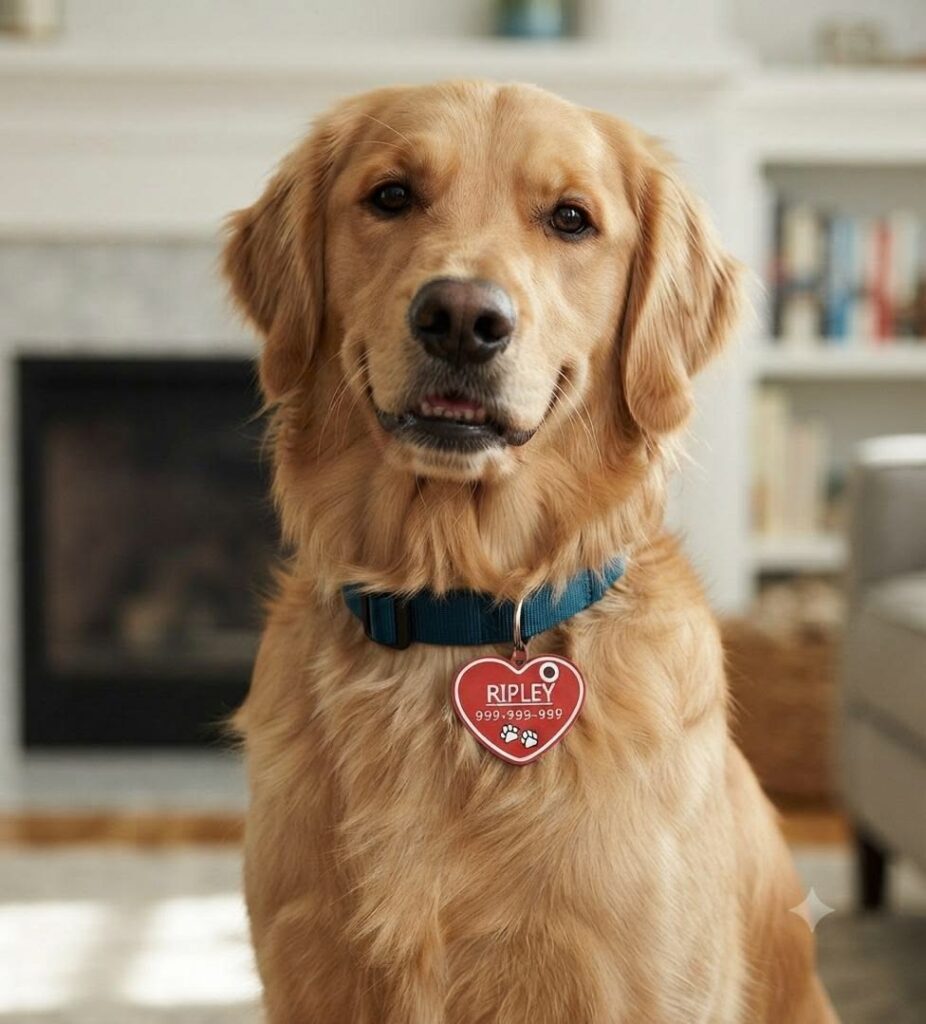
A dog can disappear in just a few seconds (dog ID tags).
An open gate, an unsecured door, a broken leash, or an unexpected noise can cause even a well-trained dog to run away. When that happens, having reliable identification on your dog can make a major difference.
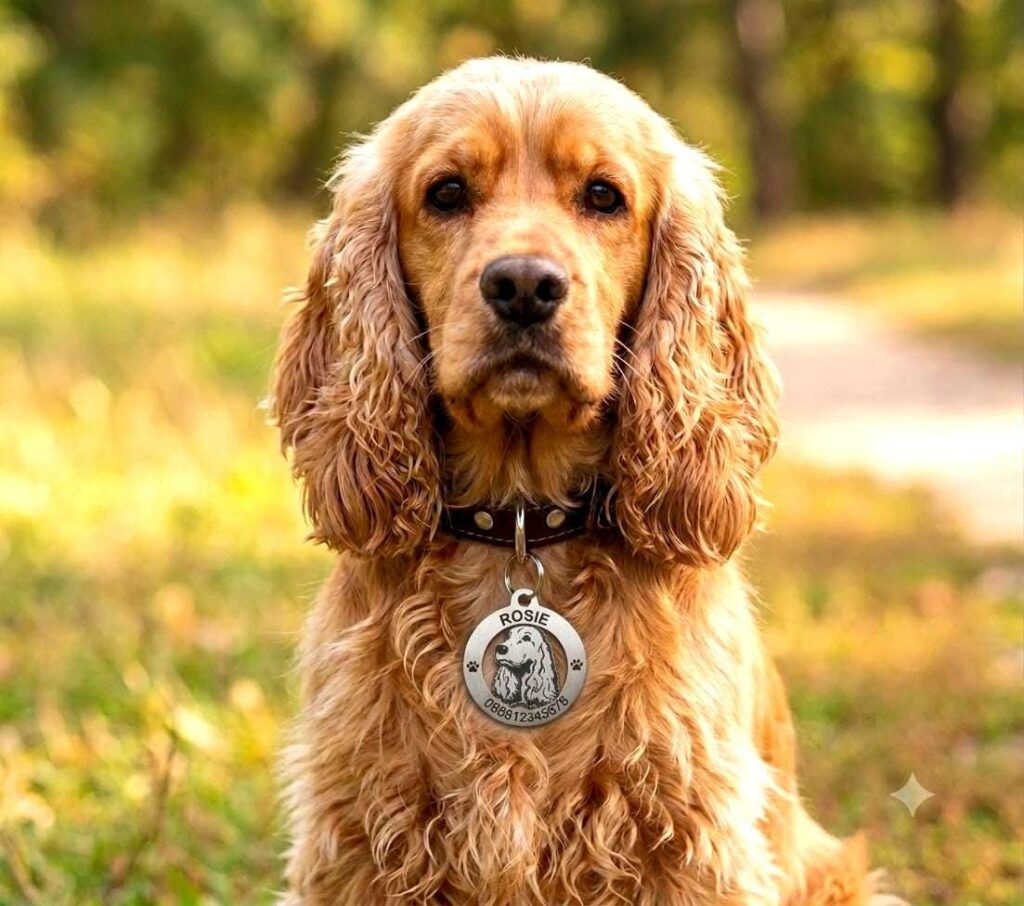
A dog ID tag provides an easy way for someone who finds your pet to contact you. It can include your dog’s name, your phone number, and other useful information.
Although microchipping is also an important part of responsible pet ownership, a visible ID tag offers one major advantage: someone who finds your dog can immediately see how to contact you without needing special equipment.
Here is what every dog owner should know about choosing and maintaining a reliable ID tag.
Why Does Your Dog Need an ID Tag?
Dogs can become separated from their families for many reasons.
Your dog might escape from the backyard, slip out of a collar, become frightened during a storm, or wander away while traveling.
Even dogs that normally stay close to their owners can become lost.
A visible ID tag gives the person who finds your dog immediate information about how to reunite you.
For example, a simple tag could include:
- Your dog’s name
- Your primary phone number
- A second phone number
- A short message such as “Please Call My Family”
- Your city or another useful identification detail
You generally do not need to put your entire home address on the tag.
The goal is to provide enough information for someone to contact you quickly.
Keep Your Dog’s Information Updated
An ID tag is only useful when the information printed on it is accurate.
If you change your phone number, move to a new home, or change your contact information, update your dog’s identification as soon as possible.
This is particularly important if you travel frequently or move between homes.
Consider checking your dog’s tag whenever you:
- Change your phone number
- Move
- Change emergency contacts
- Replace your dog’s collar
- Get a new ID tag
- Update your dog’s microchip information
Making this a routine part of your dog’s care can prevent an outdated phone number from becoming a problem later.
What Information Should Go on a Dog ID Tag?
Space on an ID tag is limited, so focus on the information that will help someone contact you.
A practical tag might say:
MAX
CALL: 555-123-4567
MICROCHIPPED
You could also include a second phone number if space allows.
Avoid adding unnecessary information simply because there is room.
The most important objective is making it easy for a person who finds your dog to reach you.
Choose an ID Tag That Fits Your Dog
Dog ID tags come in many different shapes, materials, sizes, and designs.
The best choice depends on your dog’s size, lifestyle, and environment.
A small dog may be more comfortable with a lightweight tag.
An active dog that spends considerable time outdoors may benefit from a stronger, more durable tag.
Some owners prefer traditional metal tags, while others choose silicone or quieter tags that produce less noise.
There are also tags that include QR codes or digital profiles.
Some GPS-enabled devices can provide location tracking, although these are different from traditional identification tags.
If you use a GPS tracker, remember that it should complement rather than replace your dog’s basic identification.
Should You Use a GPS Dog Tracker?
GPS trackers can be useful for owners who want additional location information.
However, a GPS tracker and an ID tag serve different purposes.
A GPS device can help you locate your dog through its tracking system.
A traditional ID tag allows a person who finds your dog to contact you directly.
For that reason, using both can provide an additional layer of protection.
You should also remember that GPS devices require battery power and may depend on cellular or other network coverage.
A simple engraved ID tag does not have those requirements.
Check the Tag Regularly
Dog tags can become scratched, damaged, or difficult to read.
The attachment ring can also weaken over time.
Make it a habit to inspect your dog’s tag periodically.
Check that:
- The information is still readable.
- Your phone number is correct.
- The tag is securely attached.
- The attachment ring is not damaged.
- The tag has not developed sharp edges.
- Your dog’s collar is still in good condition.
Replacing a damaged tag is inexpensive compared with the potential difficulty of identifying a lost dog.
Don’t Forget the Collar
An ID tag is only helpful if your dog is wearing it.
Make sure the collar fits properly and is comfortable.
It should be secure enough that your dog cannot easily slip out of it, while still allowing comfortable movement.
For additional guidance about choosing the right equipment, read our guide to Dog Harnesses.
If you regularly walk your puppy, our Leash and Harness Training guide can also help you establish good walking habits.
An ID Tag Is Not a Replacement for a Microchip
A visible ID tag is extremely useful, but responsible identification should not stop there.
Microchipping provides another form of identification that can help reunite lost pets with their families.
Unlike an ID tag, a microchip does not hang from the collar and cannot be easily removed if a dog escapes without its collar.
The American Veterinary Medical Association recommends microchipping pets as part of a broader identification strategy. (avma.org)
If your dog is already microchipped, make sure the registration information associated with the chip is also kept current.
Having an outdated microchip registration can create the same problem as having an outdated phone number on an ID tag.
ID Tags Are Especially Important When Traveling
Traveling can increase the risk of a dog becoming separated from its owner.
New surroundings can be unfamiliar.
Your dog may encounter unfamiliar people, animals, noises, doors, gates, and outdoor environments.
Before leaving home, check your dog’s collar and ID tag.
When traveling, consider carrying copies of important veterinary and identification information.
Our Tips for Taking Your Dog on Vacation guide covers additional ways to prepare your dog for road trips and other travel.
If your dog is traveling across state lines, keeping vaccination and veterinary records available can also make your trip easier.
What If Your Dog Gets Lost?
If your dog disappears, act quickly.
Start by checking nearby areas and asking neighbors whether they have seen your dog.
Contact local animal shelters and veterinary clinics.
Post a clear lost-pet notice with a recent photograph and your contact information.
Check your dog’s microchip registration information and make sure your phone number is current.
If your dog is wearing an ID tag, there is also a chance that the person who finds your dog will contact you directly.
Speed matters.
The sooner people know that your dog is missing, the greater your chances of getting your pet home safely.
Frequently Asked Questions
Should every dog wear an ID tag?
Yes. A visible ID tag provides an immediate way for someone who finds your dog to contact you.
What should I put on my dog’s ID tag?
At minimum, include your dog’s name and a current phone number. A second phone number or brief message can also be useful if space permits.
Does an ID tag replace a microchip?
No. An ID tag and microchip provide different forms of identification. Using both provides additional protection.
Should I put my home address on the tag?
It is generally not necessary. A current phone number is usually more useful for quickly contacting you.
How often should I replace a dog ID tag?
Replace it whenever the information becomes difficult to read, your contact information changes, or the tag or attachment becomes damaged.
Are GPS dog tags worth it?
GPS trackers can provide useful location information, especially for dogs that are prone to wandering. However, they should complement rather than replace a traditional ID tag and microchip.
What if my dog loses its collar?
This is one reason microchipping is valuable. A microchip provides identification even if your dog’s collar and visible ID tag are lost.
Final Thoughts
A dog ID tag is one of the simplest safety tools you can provide for your pet.
It is inexpensive, easy to maintain, and can give someone who finds your dog an immediate way to contact you.
Keep the information current, inspect the tag regularly, and make sure it is securely attached to a properly fitted collar.
For additional protection, combine a visible ID tag with a registered microchip.
Taking these simple precautions before something goes wrong can make a stressful situation much easier if your dog ever becomes separated from you.
Continue Learning About Dog and Puppy Care
- Cavapoo Breed Guide
- Cavapoo Care Guide
- Dog Harnesses
- Leash and Harness Training
- Tips for Taking Your Dog on Vacation
- How to Train a Cavapoo Puppy
- Puppy Accidents and How to Clean Them
- Frequently Asked Questions
Trusted External Resources
- American Veterinary Medical Association — Microchips and Microchipping
- American Kennel Club — Dog Identification
- AAHA — Pet Microchip Lookup
