Cavapoo Care Guide, Cavapoo Nutrition Guide
Summer Snacks to Make for Your Dog!
Aug
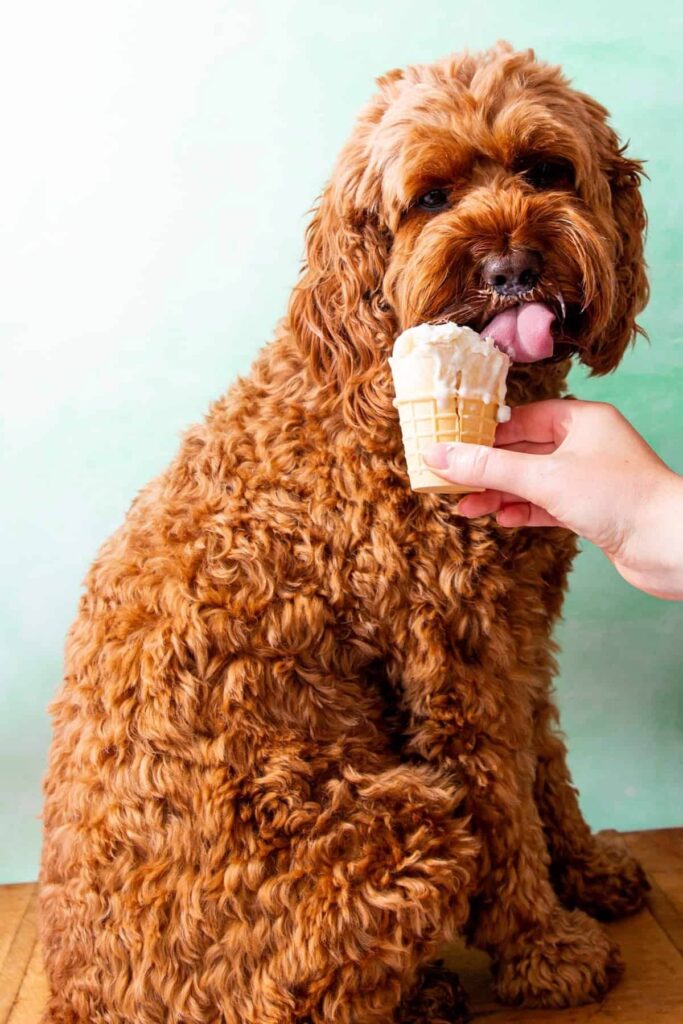
Summer is a great time to spend extra time with your dog (summer dog treats).
When temperatures rise, refreshing homemade treats can give your pup something enjoyable to look forward to while providing a fun activity for the whole family.
However, homemade dog treats should always be made with dog-safe ingredients. Some foods that are perfectly fine for people can be dangerous for dogs.
One particularly important ingredient to avoid is xylitol, an artificial sweetener that can cause serious poisoning in dogs. The FDA warns that xylitol can be found in products including some peanut butters, sugar-free foods, and other products. (fda.gov)
Before making any homemade treat, check every ingredient carefully.
Summer Dog Treats: Peanut Butter Dog Doughnuts
Homemade peanut butter doughnuts can be a fun occasional treat for your dog.
The original recipe uses simple ingredients that are commonly found in the kitchen.
Ingredients
- 1 cup oats
- 1 cup whole-wheat flour
- 1/2 cup dog-safe peanut butter
- 1 tablespoon coconut oil
- 1/2 cup plain Greek yogurt
- 2 eggs
- A small amount of cooked bacon bits, optional
How to Make Them
Preheat your oven according to the temperature recommended by your chosen dog-doughnut recipe.
Combine the oats, flour, peanut butter, eggs, and coconut oil.
Mix until the ingredients form a workable dough.
Shape the dough into small doughnuts using a dog-safe mold or by hand.
Bake until the treats are firm and cooked through.
Allow them to cool completely before giving one to your dog.
If you use yogurt as a topping, choose plain yogurt without added sugar or artificial sweeteners.
Most importantly, check the peanut butter label carefully.
Some peanut butter products contain xylitol, which is dangerous for dogs. The FDA specifically advises dog owners to check ingredient labels for xylitol before giving dogs peanut butter. (fda.gov)
Apple and Chicken Pup Pops
Frozen treats are particularly appealing during warm weather.
These apple and chicken pup pops combine fruit with unsalted chicken broth for a refreshing snack.
Ingredients
- 1/2 cup water
- 1/2 cup unsalted chicken broth
- 1 Gala apple
You can also use an appropriate dog-safe chew as a handle if desired.
How to Make Them
Wash the apple thoroughly.
Remove the stem and seeds, then cut the apple into small pieces.
Combine the apple pieces with the water and unsalted chicken broth.
Pour the mixture into small freezer-safe molds.
Freeze until completely solid.
Allow the treat to soften slightly before giving it to your dog.
Always supervise your dog when they are eating frozen treats or chewing on an additional treat handle.
Why Are Apples a Good Treat for Dogs?
Apples can be an appropriate occasional treat for many dogs.
They contain fiber and other nutrients while naturally providing sweetness.
However, apple seeds, stems, and cores should not be given to your dog.
Remove these parts before preparing an apple-based snack.
You should also cut the apple into appropriately sized pieces for your dog’s size.
A small Cavapoo puppy, for example, needs much smaller pieces than a large adult dog.
Yogurt, Peanut Butter and Banana Treats
This may be one of the easiest homemade summer snacks to prepare.
It requires only a few ingredients and can be served chilled or frozen.
Ingredients
- 3 tablespoons dog-safe peanut butter
- 1 large banana
- 32 ounces plain yogurt
How to Make It
Slice the banana into small pieces.
Place the banana, plain yogurt, and peanut butter into a mixing bowl.
Stir everything together until well combined.
You can serve a small portion immediately or place the mixture into small molds and freeze it.
Frozen portions can make a refreshing summer treat.
However, treats should remain an occasional addition to your dog’s normal diet rather than replacing a complete and balanced dog food.
Be Careful With Peanut Butter
Peanut butter is a popular ingredient in homemade dog treats, but not every product is appropriate for dogs.
Always read the label.
Avoid peanut butter containing xylitol.
The FDA warns that xylitol can cause a rapid release of insulin in dogs, resulting in dangerously low blood sugar. In serious cases, poisoning can lead to seizures, liver failure, or death. (fda.gov)
If you are unsure about an ingredient, do not give it to your dog until you have confirmed that it is safe.
Choose Plain Yogurt
Plain yogurt can be used in some homemade dog treats.
However, choose a product without added sugar, artificial sweeteners, chocolate, or other potentially harmful ingredients.
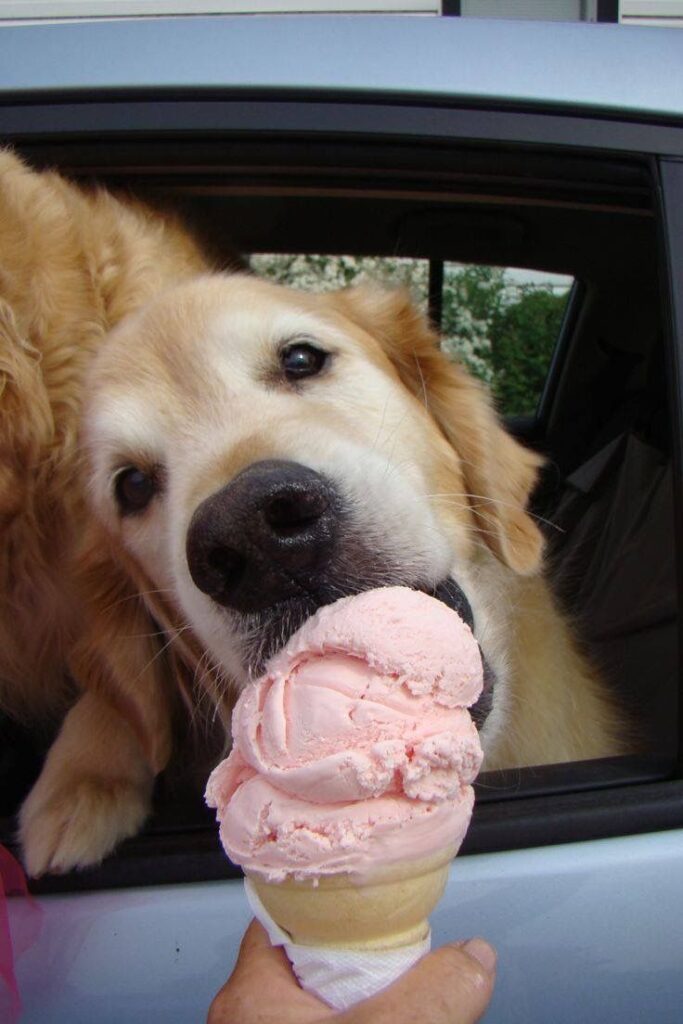
Dogs also vary in their ability to tolerate dairy products.
If your dog develops digestive upset after eating yogurt, discontinue the treat and speak with your veterinarian if symptoms persist.
Keep Treat Portions Small
Even healthy ingredients contain calories.
Homemade treats should be given in moderation.
The American Kennel Club recommends that treats make up no more than about 10% of a dog’s daily calorie intake, with the remainder coming from a complete and balanced diet. (akc.org)
This is particularly important for smaller dogs.
A treat that seems tiny to you can represent a significant number of calories for a small Cavapoo puppy.
Keep Your Dog Hydrated
Treats should never replace fresh drinking water.
Make sure your dog has access to clean, fresh water throughout the day.
Hydration becomes particularly important during hot weather.
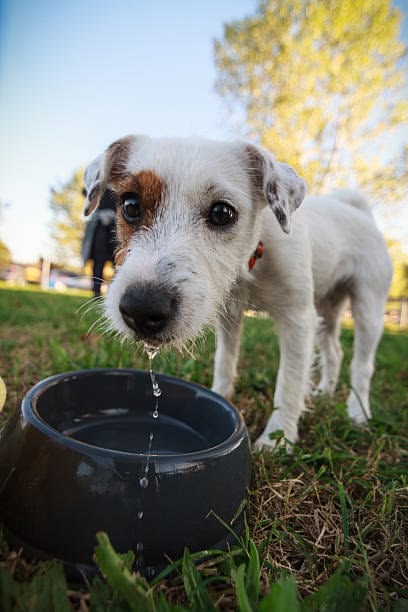
If you are spending time outside, bring water with you and give your dog opportunities to drink regularly.
For additional summer-care advice, read our guide on Is Your Dog Getting Enough Exercise?.
Avoid Dangerous Ingredients
Before preparing homemade treats, check every ingredient.
Never intentionally add ingredients that are toxic or unsafe for dogs.
Some important foods and ingredients to keep away from dogs include:
- Xylitol
- Chocolate
- Grapes
- Raisins
- Onions
- Garlic
- Alcohol
- Macadamia nuts
- Excessively fatty foods
The ASPCA maintains a useful reference for foods that can be dangerous to pets. (aspca.org)
When preparing treats, remember that ingredient labels matter.
A product can look simple on the front of the package while containing an ingredient that is inappropriate for dogs.
Make Summer Treats Safely
Homemade treats should be prepared in a clean kitchen.
Wash fruit thoroughly and remove seeds, stems, pits, and cores when appropriate.
Keep raw ingredients away from your dog’s regular food.
Store finished treats in the refrigerator or freezer according to the ingredients used.
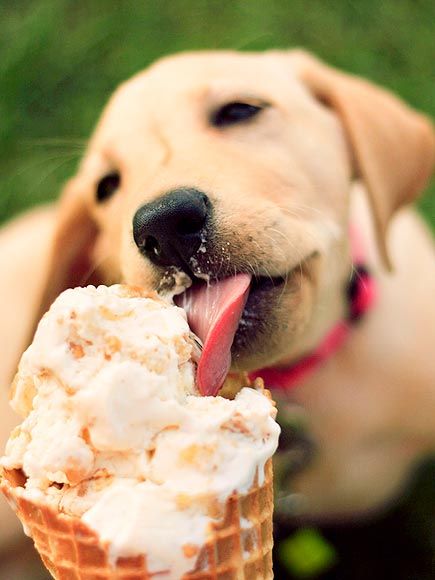
Do not leave dairy-based treats sitting outside in hot weather.
If a treat has been sitting at room temperature for an extended period, it is safer to throw it away.
Can Puppies Have Homemade Treats?
Puppies can often enjoy appropriate treats, but their nutritional needs are different from those of adult dogs.
Young puppies need a complete and balanced diet formulated for growth.
Treats should remain small and occasional.
If you have a young Cavapoo puppy, introduce new foods gradually and watch for digestive problems.
If your puppy has a sensitive stomach, food allergy, medical condition, or dietary restriction, ask your veterinarian before introducing homemade treats.
Frequently Asked Questions
What homemade treats can I give my dog in summer?
Dog-safe frozen treats made with ingredients such as banana, plain yogurt, apples, and xylitol-free peanut butter can be appropriate occasional snacks.
Always check every ingredient first.
Can dogs eat peanut butter?
Many dogs can eat plain peanut butter in moderation.
However, always check the label and make sure it does not contain xylitol.
Can dogs eat bananas?
Bananas can be given to many dogs as an occasional treat.
They are relatively high in natural sugar, so portions should remain small.
Can dogs eat apples?
Yes, apples can be an appropriate occasional treat for many dogs.
Remove the seeds, stem, and core before serving.
Can dogs eat yogurt?
Some dogs tolerate plain yogurt well.
Choose a product without xylitol or other unsafe additives and introduce it in a small amount.
Are frozen treats good for dogs?
Frozen treats can be a refreshing snack during warm weather.
However, portions should remain appropriate for your dog’s size and overall diet.
How many treats should my dog have each day?
Treat amounts depend on your dog’s size, age, activity level, and overall diet.
As a general guideline, treats should account for no more than about 10% of daily calories. (akc.org)
Is xylitol dangerous for dogs?
Yes.
Xylitol can cause a dangerous drop in blood sugar and can result in severe poisoning.
If you believe your dog has consumed xylitol, contact a veterinarian or animal poison-control service immediately. (fda.gov)
Final Thoughts
Summer is a wonderful opportunity to make simple homemade treats for your dog.
Peanut butter doughnuts, frozen apple and chicken treats, and yogurt, banana, and peanut butter snacks can all be fun options when prepared with appropriate ingredients.
The most important rule is to check every ingredient before giving it to your dog.
Avoid xylitol and other toxic foods, keep portions small, provide plenty of fresh water, and remember that treats should complement rather than replace your dog’s regular complete and balanced diet.
For Cavapoo owners, homemade treats can also be useful during positive-reinforcement training when given in appropriately small portions.
Learn more with our Cavapoo Care Guide and How to Train a Cavapoo Puppy guide.
Continue Learning About Cavapoos
- Cavapoo Puppies for Sale
- Cavapoo Breed Guide
- Cavapoo Care Guide
- How to Train a Cavapoo Puppy
- What Dog Food Ingredients Should You Avoid?
- Is Your Dog Getting Enough Exercise?
- Leash and Harness Training
- Dog Harnesses
- Puppy Accidents and How to Clean Them
- Frequently Asked Questions
Trusted External Resources
- FDA — Paws Off! Xylitol Is Toxic to Dogs
- American Kennel Club — Healthy Treats for Dogs
- ASPCA — People Foods Pets Should Never Eat
Important: Homemade treats are not a substitute for a complete and balanced diet. If your dog has a medical condition, food allergy, dietary restriction, or develops symptoms after eating a new ingredient, consult your veterinarian.
