
Grooming Guide, Full Grown Cavapoo Guide
Puppy Zoomies at Night: How to Calm Evening Hyperactivity
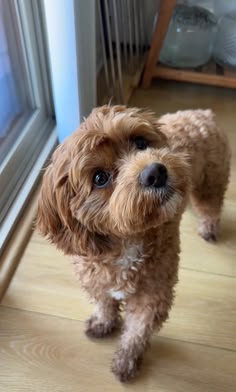
Aug
Bringing a new puppy home is an exciting experience (Puppy Zoomies at Night). Your days quickly become filled with feeding, potty breaks, training, playtime, cuddles, and plenty of adorable moments.
Then evening arrives.
You finally expect your puppy to settle down, but instead, they suddenly race through the house, spin in circles, grab toys, bounce from room to room, and act as though they have unlimited energy.
If this sounds familiar, your puppy may be experiencing the famous puppy zoomies.
The good news is that nighttime zoomies are usually a normal part of puppyhood. Understanding why they happen can help you create a calmer evening routine and teach your puppy how to transition from excitement to rest.
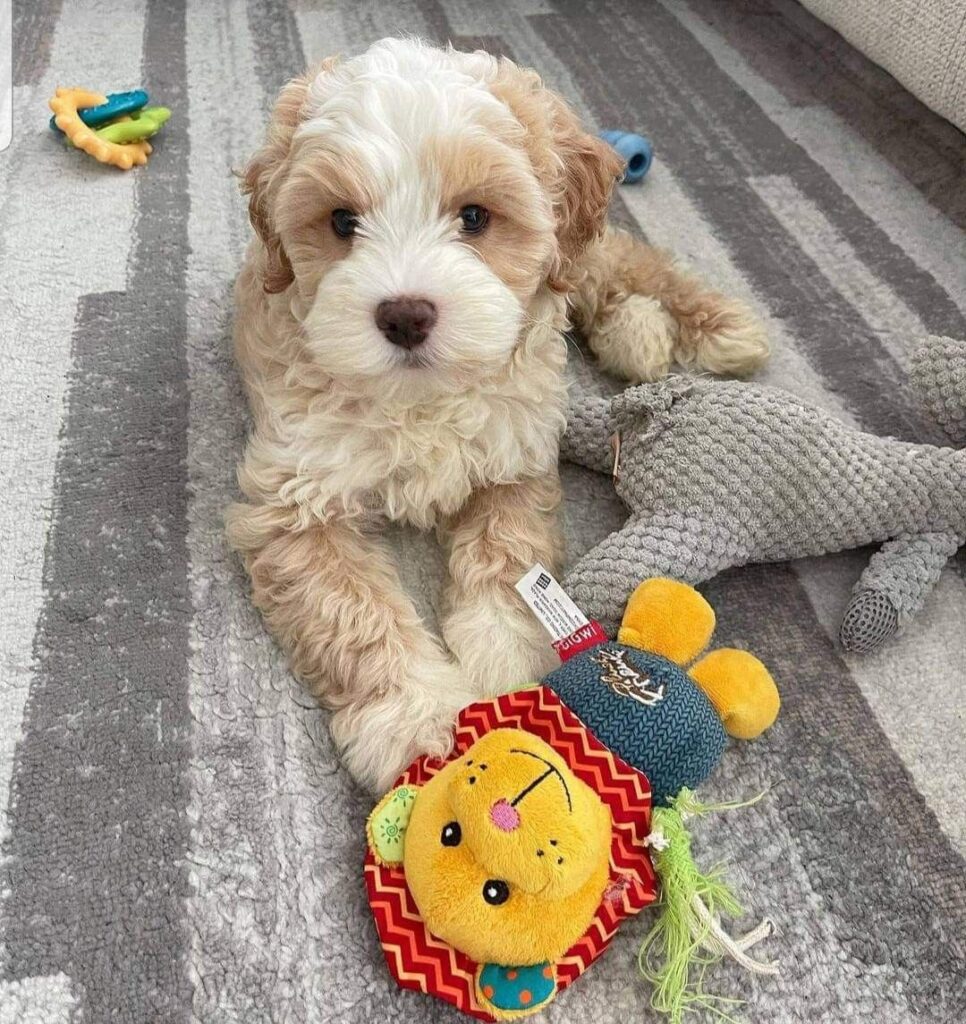
What Are Puppy Zoomies?
Puppy zoomies are sudden bursts of energetic behavior. Your puppy may run in circles, jump, spin, play bow, chase toys, or race around the house for several minutes.
These episodes are also called FRAPs, which stands for Frenetic Random Activity Periods.
According to the American Kennel Club, zoomies are generally normal behavior. Puppies and adult dogs can experience them after excitement, play, stressful events, or periods when they have been unable to release their energy.
For a young Cavapoo puppy, zoomies can simply be part of learning how to regulate excitement.
They are not automatically a sign that your puppy is unhappy, poorly trained, or misbehaving (puppy zoomies).
Why Does My Puppy Get Zoomies at Night?
There are several reasons puppies become especially energetic in the evening.
One common reason is accumulated energy from the day. Your puppy may have spent hours sleeping, exploring, playing, training, and interacting with your family.
Another possibility is overtiredness.
This can seem confusing because you might assume that an exhausted puppy would immediately fall asleep. Puppies do not always work that way.
When they become overstimulated or overtired, they can sometimes become more excitable instead of settling down.
Young puppies also require substantial amounts of sleep. The AKC notes that puppies may sleep around 18–20 hours per day, although individual needs vary.
That means more activity is not always the answer to nighttime zoomies (Cavapoo puppy behavior).
Sometimes your puppy needs more rest rather than more exercise.
Signs Your Puppy May Be Overtired
Nighttime zoomies can sometimes be accompanied by other signs that your puppy needs a break.
You may notice your puppy:
- Running around uncontrollably
- Biting toys or hands more than usual
- Struggling to concentrate during training
- Barking or whining
- Becoming unusually restless
- Ignoring familiar commands
- Getting frustrated easily
- Repeatedly starting and stopping activities
If your puppy has already had plenty of appropriate activity, these behaviors may be telling you that it is time to help them wind down (Cavapoo puppy training).
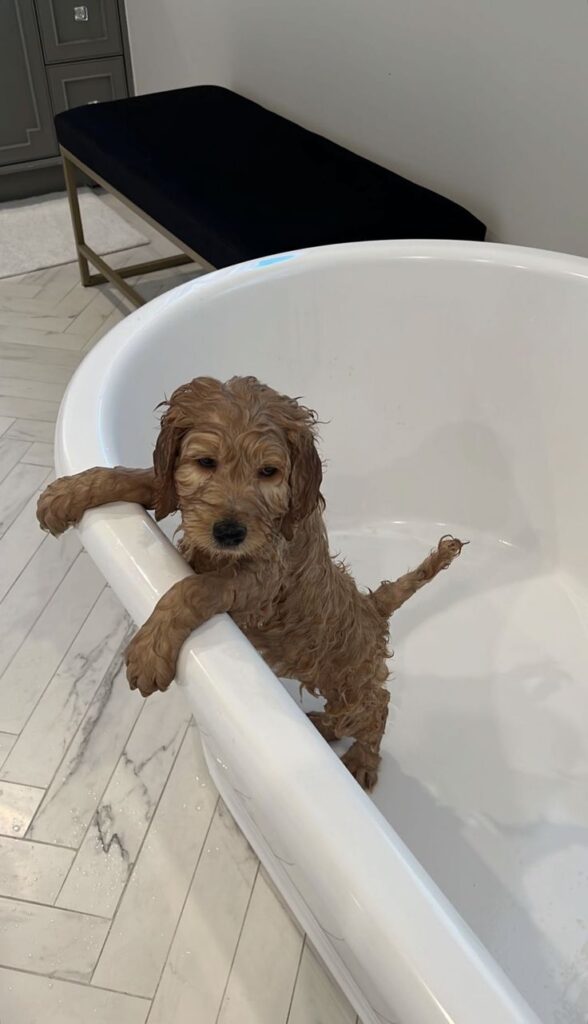
How to Calm Puppy Zoomies at Night
1. Establish a Consistent Evening Routine
Puppies thrive on predictable routines.
Try keeping the final part of the day relatively consistent. Your evening might include dinner, a potty break, calm play, a short training session, another potty break, and then bedtime.
A predictable sequence helps your puppy learn that the day is gradually coming to an end.
Over time, these repeated cues can make settling easier.
2. Make Sure Your Puppy Gets Enough Daytime Sleep
One of the biggest mistakes new puppy owners make is assuming that a puppy should stay awake because they seem energetic.
Young puppies need plenty of sleep for normal growth and development. Regular naps can also help prevent excessive stimulation later in the day.
Create a quiet area where your puppy can rest without constant interruptions.
A crate, puppy pen, or comfortable bed can become a familiar place for relaxation.
If your puppy falls asleep after playing, allow them to rest rather than waking them simply because you want additional interaction.
3. Use Calm Activities Before Bed
High-energy games immediately before bedtime can sometimes keep your puppy excited.
Instead of an intense game of chase, try something calmer.
You can practice simple commands such as:
Sit → Touch → Down → Stay → Reward
You can also provide an appropriate puppy-safe chew or use a suitable food puzzle for mental enrichment.
Mental stimulation can be valuable because puppies need opportunities to use their developing brains as well as their bodies.
4. Give Your Puppy an Evening Potty Break
A puppy that suddenly becomes restless may not always be looking for another game.
They may need to go outside.
Take your puppy out for a calm potty break before bedtime. Keep the experience boring and predictable if your goal is to return directly to sleep.
Avoid turning every nighttime potty trip into another exciting play session.
5. Create a Calm Sleeping Environment
Your puppy’s sleeping environment can make a significant difference.
Keep their sleeping area comfortable, quiet, and free from unnecessary distractions.
Dim lighting can also help create a clear distinction between daytime activity and nighttime rest.
If your puppy sleeps in a crate, make sure the crate is appropriately sized and introduced positively.
The goal is for the sleeping area to feel safe rather than like punishment.
6. Puppy-Proof the Zoomie Zone
Sometimes the best response to zoomies is simply to allow your puppy to safely get through the burst of energy.
However, safety comes first.
Move breakable objects out of the way and remove loose cords, small objects, unstable furniture, and anything your puppy could chew or swallow.
Hard floors can also become slippery during fast running.
The AKC recommends providing a safe environment for zoomies and paying attention to obstacles that could cause an accident.
If possible, allow your puppy to zoom in a puppy-proofed area with good traction.
7. Don’t Chase Your Puppy
If your puppy starts racing around the house, chasing them can accidentally turn the situation into a game.
Instead, remain calm.
Use a familiar cue and redirect your puppy toward an appropriate toy, bed, crate, or quiet activity.
Your goal is to teach your puppy that excitement eventually transitions into relaxation.
8. Reward Calm Behavior
Don’t only reward your puppy when they are energetic or performing tricks.
Reward relaxation too.
When your puppy lies quietly beside you, settles on their bed, or calmly chews an appropriate toy, offer quiet praise.
This helps your puppy understand that calm behavior is also valuable.
Over time, your puppy can become better at settling without needing constant direction.
How Much Exercise Does a Cavapoo Puppy Need?
Cavapoos are generally playful and intelligent dogs, but puppy exercise should always be age-appropriate.
More exercise isn’t automatically better.
A young puppy’s bones, joints, and muscles are still developing. The AKC recommends avoiding excessive or overly strenuous exercise during puppyhood and focusing on appropriate, controlled activity.
Instead of trying to completely exhaust your puppy, create a balanced daily routine that includes:
- Short walks when appropriate
- Gentle play
- Basic training
- Mental enrichment
- Socialization
- Potty breaks
- Plenty of naps
The objective is a balanced puppy, not an exhausted puppy.
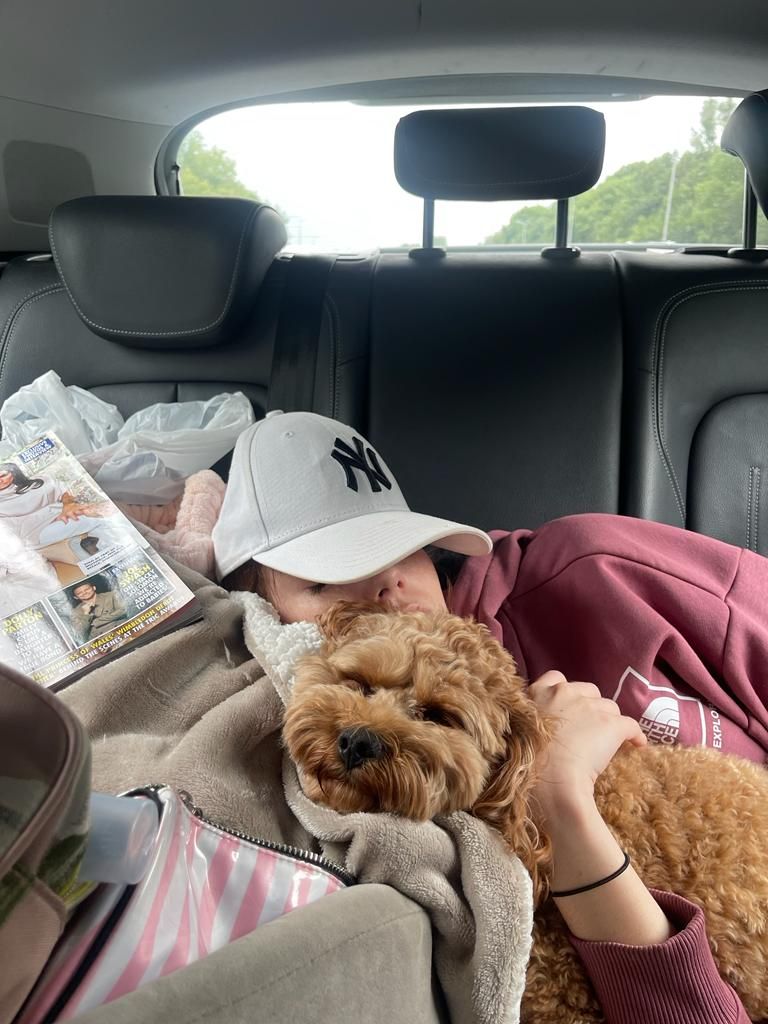
When Puppy Zoomies May Need More Attention
Occasional zoomies are usually nothing to worry about.
However, pay attention if the behavior becomes extremely frequent, appears suddenly alongside other concerning changes, or seems connected to fear, distress, pain, or unusual compulsive behavior.
The AKC notes that unusually frequent zooming can sometimes indicate stress or a behavioral concern.
If you are concerned about your puppy’s behavior or health, speak with your veterinarian or a qualified canine behavior professional.
You know your puppy’s normal behavior better than anyone.
Helping Your Cavapoo Learn to Settle
Teaching a puppy to relax is just as important as teaching them to sit, stay, or come when called.
Your puppy needs to learn that exciting activities have an ending.
A healthy routine might look something like this:
Play → Training → Potty → Calm activity → Potty → Bedtime
You don’t need to follow the exact same schedule every day. What matters most is consistency and giving your puppy enough opportunities for both activity and rest.
If your puppy occasionally performs a few laps around the living room before collapsing into a deep sleep, don’t panic.
That’s puppyhood.
The Good News About Puppy Zoomies
Those nighttime races can be exhausting for new puppy parents, but they are often temporary.
As your Cavapoo grows, develops better impulse control, and becomes familiar with your household routine, those dramatic evening bursts often become easier to manage.
For now, keep your puppy safe, provide appropriate exercise and mental enrichment, prioritize sleep, and maintain a predictable bedtime routine.
And remember:
Sometimes the puppy isn’t trying to cause chaos.
Sometimes they’re simply a tiny dog who has suddenly discovered that running in circles is extremely important.
Related Puppy Care Resources
If you’re raising a Cavapoo puppy, continue building your puppy-care knowledge with our guides on bringing a new puppy home, healthy dog food, and vaccinating your dog.
You can also learn more about Cavapoo puppies for sale and what to consider when choosing the right puppy for your family.
For additional guidance on puppy sleep and nighttime behavior, the American Kennel Club’s guide to puppy sleep is a useful external resource. American Kennel Club — How Much Do Puppies Sleep?
For more information about normal puppy zoomies and nighttime bursts of energy, see the AKC guide to why puppies go wild at night. American Kennel Club — Why Does My Puppy Go Wild at Night?
A Final Word From Atlantic Cavapoo Puppies Home
At Atlantic Cavapoo Puppies Home, we believe bringing a puppy home is only the beginning of the relationship.
Learning your puppy’s behavior, creating healthy routines, providing appropriate nutrition, and giving them plenty of patience all help build the foundation for a happy life together.
Puppyhood can be messy, noisy, unpredictable, and occasionally exhausting.
It can also be one of the most rewarding stages of your dog’s life.
So when the evening zoomies begin, take a breath, puppy-proof the room, and remember that one day you’ll probably miss watching that tiny Cavapoo race around the house.
