Cavapoo Care Guide, Cavapoo Health & Wellness, Full Grown Cavapoo Guide
Puppy Vaccines Explained: What Your Dog Needs in the First Year
Aug
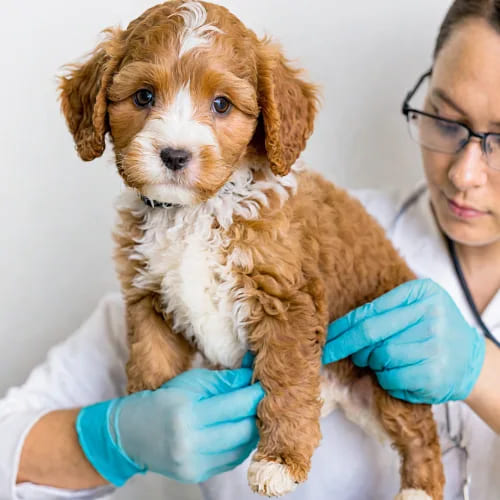
Bringing a new puppy home is an exciting milestone (Puppy Vaccines Explained).
Suddenly, your home has toys in every room, treats in the kitchen, and a new family member demanding plenty of attention. Along with all the fun, however, comes an important responsibility: protecting your puppy’s health.
One of the most important parts of your puppy’s first year is establishing an appropriate vaccination and preventive-care plan.
For new Cavapoo owners, vaccine names and schedules can initially seem confusing. There are combination vaccines, boosters, rabies requirements, lifestyle vaccines, and different recommendations depending on where your puppy lives and how they spend their time.
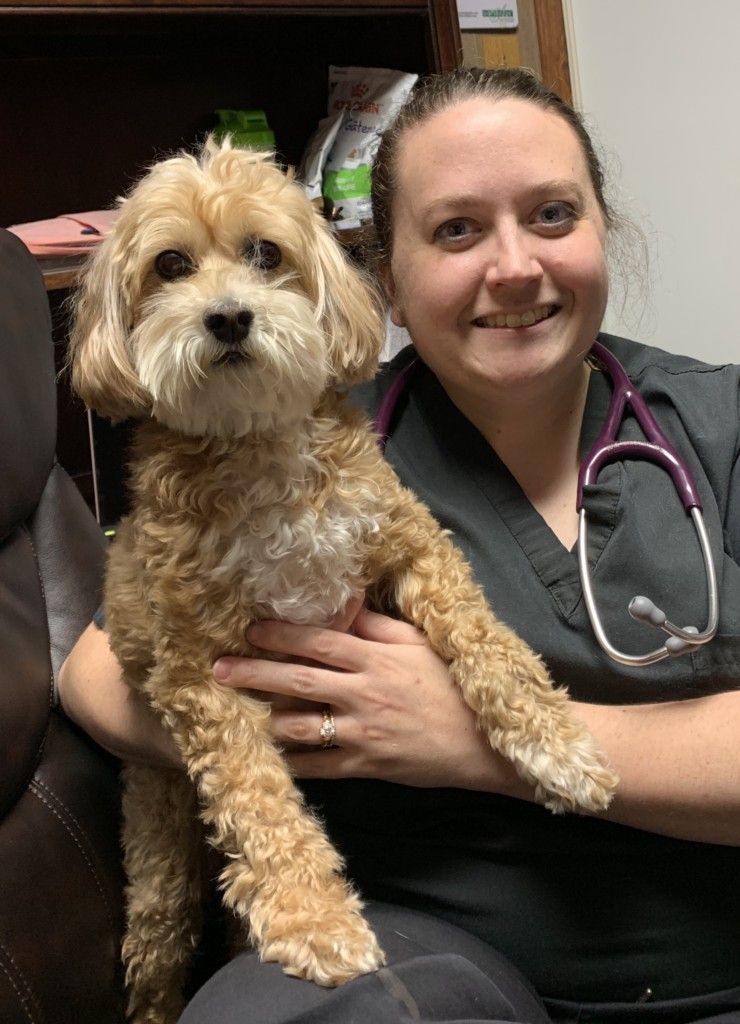
The good news is that understanding the basics makes the process much easier.
Important: Vaccine recommendations can vary according to your puppy’s age, health, location, lifestyle, previous vaccination history, and the specific vaccine product used. Your veterinarian should determine your puppy’s individual vaccination schedule.
The American Animal Hospital Association (AAHA) describes vaccination as a cornerstone of preventive canine healthcare and recommends individualized protocols based on a dog’s health history and exposure risks.
Puppy Vaccines Explained: Why Do Puppies Need Vaccines?
Puppies receive temporary antibodies from their mothers, but that protection does not last indefinitely.
As maternal immunity declines, puppies become increasingly dependent on their own developing immune systems.
Vaccinations help prepare the immune system to respond to specific infectious diseases.
This is especially important during puppyhood because young dogs can be particularly vulnerable to serious infections.
For example, canine parvovirus can cause severe gastrointestinal disease and is highly contagious among susceptible dogs.
Vaccination also protects more than your individual puppy. Maintaining high vaccination rates helps reduce the circulation of contagious diseases within dog populations and can provide an important public-health benefit for diseases such as rabies.
When Do Puppies Start Getting Vaccinated?
Many puppies begin their core vaccination series at approximately 6–8 weeks of age.
The initial combination vaccine is generally repeated at intervals of approximately 2–4 weeks, with the puppy’s series continuing through at least 16 weeks of age.
The exact schedule should come from your veterinarian.
This timing matters because maternal antibodies can interfere with a puppy’s response to vaccination. AAHA recommends at least three doses of the combination distemper, adenovirus, and parvovirus vaccine between 6 and 16 weeks of age, given 2–4 weeks apart.
A Simplified Example
A puppy’s schedule might look approximately like this:
6–8 weeks: First puppy combination vaccine
10–12 weeks: Booster
14–16+ weeks: Additional booster, depending on veterinary recommendations
Around 1 year: Follow-up vaccination
This is only an example. Your veterinarian may recommend a different schedule based on your puppy’s individual circumstances.
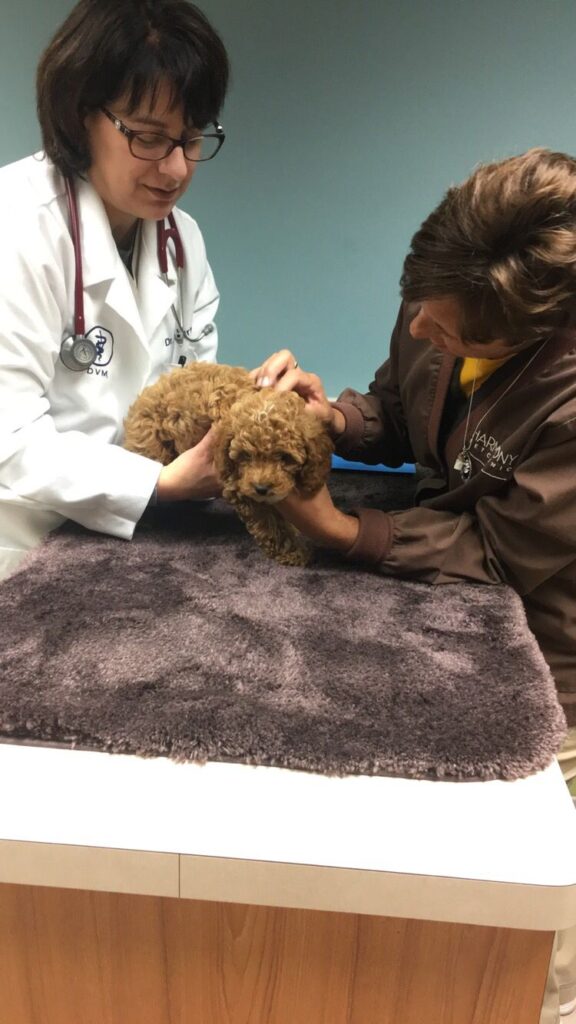
DHPP and Other Combination Vaccines
One of the vaccines you may hear about most often is a combination vaccine commonly referred to as DHPP, DAPP, or DA2PP.
The exact name can vary by vaccine product.
These combination vaccines commonly protect against several important canine diseases, including:
- Canine distemper
- Canine adenovirus
- Canine parvovirus
- Canine parainfluenza, depending on the product
Distemper and parvovirus are particularly important because both can cause serious illness in dogs.
AAHA considers distemper, adenovirus, and parvovirus core vaccines for dogs. Parainfluenza may be included in the combination depending on the product and vaccination protocol.
Canine Distemper
Canine distemper is a serious viral disease that can affect multiple body systems.
It can spread through infected animals and respiratory secretions, making vaccination particularly important for protecting puppies.
AAHA recommends beginning the distemper vaccination protocol at approximately 6–8 weeks and continuing boosters at 2–4-week intervals until the puppy is older than 16 weeks.
Canine Parvovirus
Parvovirus is another major concern during puppyhood.
The virus is highly contagious and can survive in the environment for extended periods. Puppies are particularly vulnerable to severe disease.
Vaccination is considered a core part of canine preventive healthcare.
This is also one reason puppy owners should be careful about exposing incompletely vaccinated puppies to potentially contaminated environments.
Rabies Vaccination
Rabies is different from many other puppy vaccines because vaccination requirements are governed by applicable laws.
Rabies is a serious disease that can affect animals and humans. In the United States, vaccination of dogs plays an important role in preventing transmission and protecting public health.
The appropriate timing depends on local law and the vaccine product.
AAHA notes that licensed rabies vaccines for dogs are labeled for puppies at approximately 3 months of age and older, with specific requirements determined by applicable jurisdiction.
For this reason, don’t rely on a generic online schedule.
Ask your veterinarian when your puppy should receive the rabies vaccine and when the next dose is required under your local regulations.
Keep your puppy’s rabies certificate and other vaccination records in a safe place.
Leptospirosis Vaccination
Leptospirosis deserves special attention because current AAHA guidelines classify the four-serovar leptospirosis vaccine as a core vaccine for all dogs, unless there is a specific medical reason not to vaccinate.
The guidelines recommend two initial doses given 2–4 weeks apart, beginning at 12 weeks of age.
Leptospirosis is caused by bacteria and can be associated with exposure to contaminated water, soil, and infected wildlife.
Because exposure risks vary, talk with your veterinarian about the vaccine and how it fits your puppy’s lifestyle.
Bordetella and Kennel Cough
Bordetella vaccination is commonly associated with dogs that spend time around other dogs.
Your veterinarian may recommend it if your puppy will regularly attend:
- Puppy classes
- Doggy daycare
- Boarding facilities
- Grooming appointments
- Dog parks
- Other group-dog environments
AAHA classifies Bordetella as a noncore vaccine, meaning the recommendation depends on the dog’s individual exposure risk and lifestyle.
If your puppy will regularly interact with unfamiliar dogs, tell your veterinarian.
That information can help them determine whether Bordetella vaccination is appropriate.
Lyme Disease Vaccination
A Lyme disease vaccine may be appropriate for some dogs depending on geography, lifestyle, and exposure to ticks.
AAHA classifies canine Lyme vaccination as noncore and recommends considering it according to individual risk factors.
If you frequently hike, camp, travel, or spend time in areas where ticks are common, mention these activities during your puppy’s veterinary appointment.
Vaccination is only one part of tick prevention. Your veterinarian can also recommend an appropriate tick-control strategy.
Canine Influenza
Canine influenza vaccines may be recommended for dogs with particular exposure risks.
For example, your veterinarian may discuss this vaccine if your dog frequently interacts with large numbers of unfamiliar dogs or travels regularly.
AAHA classifies canine influenza vaccination as noncore, meaning it is generally considered according to lifestyle and exposure risk.
Not every puppy needs every available vaccine.
That’s why individualized veterinary guidance is important.
Don’t Forget Parasite Prevention
Vaccines are only one part of your puppy’s preventive healthcare.
Your veterinarian may also recommend a preventive-care program addressing parasites such as heartworms, intestinal parasites, fleas, and ticks.
Heartworm disease is not prevented with a vaccine.
Instead, veterinarians use preventive medications to reduce the risk of infection.
Your puppy’s prevention plan should be based on their age, location, lifestyle, health history, and veterinary recommendations.
Keep Your Puppy Vaccination Records
Every time your puppy receives a vaccine, keep the documentation.
Your records may include:
- Vaccine name
- Date administered
- Manufacturer
- Vaccine lot information
- Veterinarian or clinic information
- Recommended booster date
- Rabies certificate when applicable
These records can become particularly important if your puppy attends daycare, boarding, training classes, grooming appointments, or travels.
They also give your veterinarian an accurate history when planning future care.
What About Puppy Socialization Before Vaccines Are Complete?
This is an important question for new puppy owners.
Puppies benefit from appropriate socialization during their early developmental period, but that doesn’t mean they should be exposed indiscriminately to potentially contaminated environments.
Your veterinarian can help you determine which activities are appropriate while your puppy is completing their vaccination series.
A puppy may be able to experience new people, household sounds, safe surfaces, controlled environments, and carefully selected social experiences without being exposed to unnecessary disease risks.
The goal is to balance healthy socialization with infectious-disease prevention.
Can Puppies Have Side Effects After Vaccination?
Some dogs may experience mild, short-term reactions following vaccination.
For example, your puppy may be somewhat tired or have mild soreness around the injection site.
However, serious reactions can occur rarely.
If your puppy develops concerning symptoms after vaccination, contact your veterinarian promptly.
Don’t attempt to diagnose a vaccine reaction yourself.
Your veterinarian can determine whether the symptoms are related to vaccination and whether additional treatment is necessary.
Why Your Puppy Needs an Individual Vaccination Plan
There is no single vaccination schedule that perfectly fits every puppy.
Your veterinarian may consider:
- Age
- Breed
- Previous vaccinations
- Health status
- Geographic location
- Travel
- Contact with other dogs
- Outdoor activities
- Boarding or daycare
- Local disease risks
- Applicable vaccination laws
AAHA specifically emphasizes individualized vaccination protocols based on the patient’s history and risk of exposure.
That’s why online schedules should be used for education rather than as a replacement for veterinary advice.
Your Puppy’s First Year Goes Quickly
When your puppy first comes home, the first year can seem like it will last forever.
Then suddenly you’re looking at an adolescent dog wondering where your tiny puppy went.
During those months, your puppy will experience enormous physical and behavioral changes.
Vaccinations, parasite prevention, nutrition, socialization, training, grooming, and regular veterinary examinations all contribute to a strong foundation.
Taking care of these responsibilities early can give your puppy a healthier start and give your family greater peace of mind.
Frequently Asked Questions About Puppy Vaccines
How many vaccines does a puppy need in the first year?
The number varies according to the puppy’s age, vaccination history, lifestyle, location, and veterinary recommendations. Core combination vaccines are generally administered as a series during puppyhood, followed by appropriate follow-up vaccination.
When should puppies receive their first vaccines?
Core vaccination commonly begins around 6–8 weeks of age. AAHA recommends continuing the initial combination-vaccine series through at least 16 weeks.
Is the rabies vaccine required?
Rabies vaccination requirements depend on applicable state and local laws. Because rabies is a serious zoonotic disease, vaccination is considered a core component of canine preventive care.
Does every puppy need Bordetella?
Not necessarily. Bordetella vaccination is generally based on exposure risk and lifestyle. Puppies attending daycare, boarding, grooming, training classes, or other group-dog environments may have greater exposure risk.
Does my puppy need a Lyme vaccine?
Some dogs may benefit from Lyme vaccination based on geographic location and lifestyle. Discuss your puppy’s exposure to ticks and outdoor environments with your veterinarian.
Related Cavapoo Puppy Resources
Getting your puppy vaccinated is only one part of responsible puppy ownership.
Before bringing your Cavapoo home, read our guide on Bringing a New Puppy Home to learn how to make the transition easier.
You can also learn about Healthy Dog Food and the nutritional considerations that help support your growing puppy.
If you’re preparing for your puppy’s grooming routine, our guide on How to Trim Your Dog’s Nails can help you understand the importance of regular nail care.
And if you’re looking for a Cavapoo puppy to join your family, visit our Cavapoo Puppies for Sale page to explore available puppies.
Trusted External Resources
For the most current professional vaccination recommendations, the American Animal Hospital Association (AAHA) provides detailed canine vaccination guidelines covering core vaccines, lifestyle vaccines, puppy schedules, and revaccination.
AAHA Canine Vaccination Guidelines
You can also review AAHA’s vaccine recommendation schedule for information about how age and lifestyle affect vaccination recommendations.
A Healthy Start for Your Cavapoo
At Atlantic Cavapoo Puppies Home, we believe bringing home a puppy is only the beginning.
Your puppy’s first year is filled with important milestones, from vaccinations and veterinary visits to training, socialization, nutrition, grooming, and plenty of family adventures.
Stay consistent, keep your puppy’s medical records organized, and work closely with your veterinarian to create a preventive-care plan that fits your dog’s individual needs.
Most importantly, enjoy the process.
That tiny puppy won’t stay tiny forever.
And before you know it, the little Cavapoo you brought home will be confidently exploring the world beside you.
