
Cavapoo Health & Wellness, Full Grown Cavapoo Guide
Vaccinating Your Dog: A Complete Guide to Puppy and Dog Vaccines

Aug
Vaccinating your dog is one of the most important parts of responsible pet ownership. Vaccines help prepare your dog’s immune system to recognize and fight specific infectious diseases.
For puppies, vaccinations are especially important because young dogs have developing immune systems and can be vulnerable to serious infections. A veterinarian can create a vaccination plan based on your puppy’s age, health, lifestyle, location, and risk of exposure.
If you are preparing to bring home a puppy, vaccinations should be one of the first topics you discuss with your veterinarian.
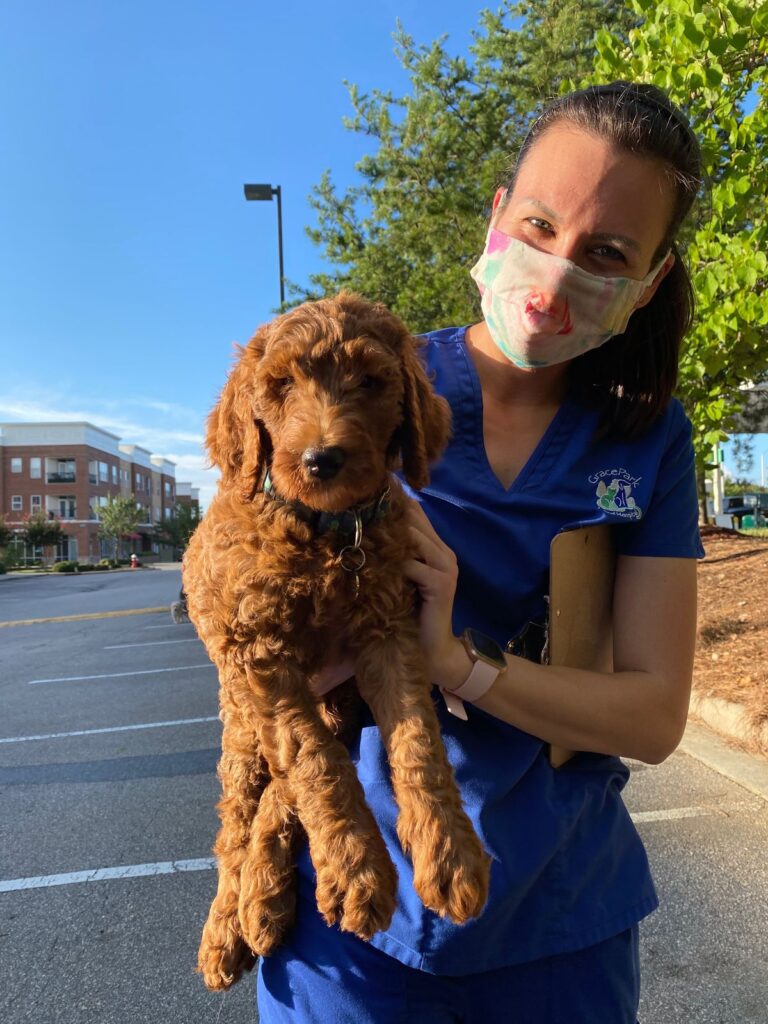
Why Are Dog Vaccinations Important?
Vaccines help protect dogs against several potentially serious or life-threatening diseases. They can also reduce the likelihood that infectious diseases will spread between animals.
Vaccination is only one part of keeping your dog healthy. Regular veterinary examinations, appropriate nutrition, parasite prevention, exercise, grooming, and responsible socialization all contribute to your puppy’s overall well-being.
If you are bringing home a young puppy, keeping accurate veterinary records is especially important. Ask the breeder or previous caregiver for documentation showing which vaccines your puppy has received and when they were administered.
You can also learn more about preparing for your new puppy in our guide to Bringing a New Puppy Home.
Core and Non-Core Vaccines
Not every dog needs exactly the same vaccines. Veterinary organizations generally distinguish between core vaccines, which are recommended broadly for dogs, and non-core vaccines, which are recommended according to lifestyle and exposure risk.
The specific vaccination plan should always be determined with your veterinarian.
Core Vaccines for Dogs
Core vaccines generally protect against diseases that are widespread, serious, or particularly important from a public-health perspective.
Common core vaccines for dogs include protection against:
- Canine distemper virus
- Canine adenovirus
- Canine parvovirus
- Rabies
Combination vaccines are often used for puppies and adult dogs. Your veterinarian will determine which formulation is appropriate for your dog.
Rabies vaccination is particularly important because rabies is a serious and fatal disease that can affect both animals and people. Rabies vaccination requirements are also established by state and local laws.
For current information about rabies and vaccination recommendations, consult the CDC and your veterinarian.
Non-Core Vaccines
Non-core vaccines may be recommended depending on where your dog lives and the activities they participate in.
For example, a veterinarian may recommend vaccines against diseases such as:
- Bordetella bronchiseptica
- Canine influenza
- Leptospirosis
- Lyme disease
A dog that regularly visits boarding facilities, dog parks, daycare, grooming facilities, hiking areas, or other places where dogs gather may have different vaccination needs than a dog that spends most of its time at home.
Your veterinarian can assess your dog’s individual risk and recommend appropriate protection.
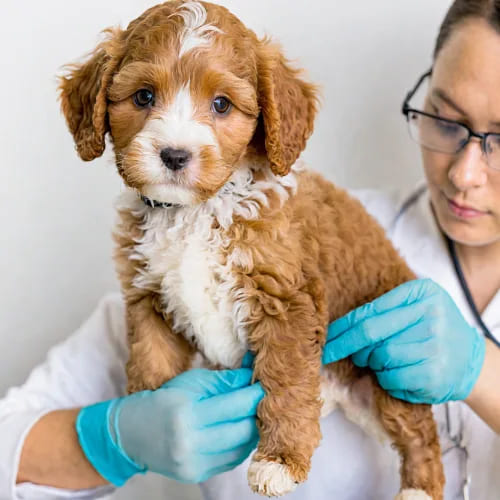
When Should Puppies Get Their Vaccines?
Puppy vaccination schedules usually involve a series of vaccinations rather than a single appointment.
Maternal antibodies received from the puppy’s mother can interfere with vaccination early in life. Because those antibodies decline at different rates, puppies typically receive multiple vaccine doses during their first months.
The exact schedule depends on the vaccine, the puppy’s age, health, previous vaccination history, and veterinarian recommendations.
The American Animal Hospital Association provides current canine vaccination guidelines that your veterinarian can use when developing an appropriate vaccination plan.
AAHA Canine Vaccination Guidelines
Because vaccination schedules can change and individual puppies have different needs, avoid relying on a generic schedule found online. Your veterinarian should determine the appropriate timing for your puppy.
What Vaccines Does a Puppy Usually Need?
A puppy’s vaccination plan commonly includes protection against several major infectious diseases.
Your veterinarian may recommend a combination vaccine covering diseases such as distemper, adenovirus, and parvovirus. Rabies vaccination is also required by law in many jurisdictions.
Additional vaccines may be recommended depending on your puppy’s lifestyle and exposure risks.
For example, a Cavapoo puppy that frequently travels, attends puppy classes, visits dog parks, or spends time in areas where ticks are common may have different risk factors from a puppy living a more sheltered lifestyle.
This is one reason it is important to discuss your puppy’s daily routine with your veterinarian.
Can Puppies Have Side Effects After Vaccination?
Most dogs tolerate vaccinations well. However, mild reactions can occasionally occur.
Your puppy may experience temporary symptoms such as:
- Mild soreness at the injection site
- Temporary tiredness
- Slightly decreased appetite
- Mild fever
- Tenderness around the injection area
These effects are generally temporary, but you should monitor your puppy after vaccination.
More serious reactions are uncommon but can occur. Signs of a potentially severe allergic reaction can include facial swelling, difficulty breathing, repeated vomiting, collapse, or severe weakness.
If your puppy develops concerning symptoms after vaccination, contact your veterinarian or an emergency veterinary clinic immediately.
Do not attempt to diagnose or treat a serious vaccine reaction at home.
How Can You Prepare Your Puppy for a Vaccination Appointment?
A positive veterinary experience can make future appointments easier.
Before visiting your veterinarian, allow your puppy to become comfortable with gentle handling. Practice briefly touching their paws, ears, mouth, and body while rewarding calm behavior.
You can also bring some of your puppy’s favorite treats to the appointment if your veterinarian approves.
Keeping veterinary visits positive is particularly useful during puppyhood because your dog will likely have several appointments during the first year.
For additional preparation advice, read our Essential Puppy Checklist before bringing your new puppy home.
Keep Your Dog’s Vaccination Records
Always keep copies of your dog’s vaccination records.
These records may be needed when:
- Visiting a new veterinarian
- Boarding your dog
- Attending dog daycare
- Traveling
- Participating in training classes
- Visiting grooming facilities
- Registering your dog
- Demonstrating compliance with local rabies requirements
When purchasing a puppy, ask the breeder for written veterinary and vaccination records before bringing the puppy home.
A responsible breeder should be willing to explain what veterinary care the puppy has received and provide relevant documentation.
You can learn more about evaluating breeders and choosing a puppy in our Buyer Tips guide.
Do Adult Dogs Need Vaccinations?
Yes. Puppy vaccinations are not the end of your dog’s vaccination needs.
Some vaccines require booster doses throughout adulthood, while other vaccines may be administered according to longer intervals.
The appropriate schedule depends on the individual vaccine, your dog’s age, health, lifestyle, geographic location, and applicable laws.
Your veterinarian can review your dog’s medical records and determine which vaccinations or boosters are currently appropriate.
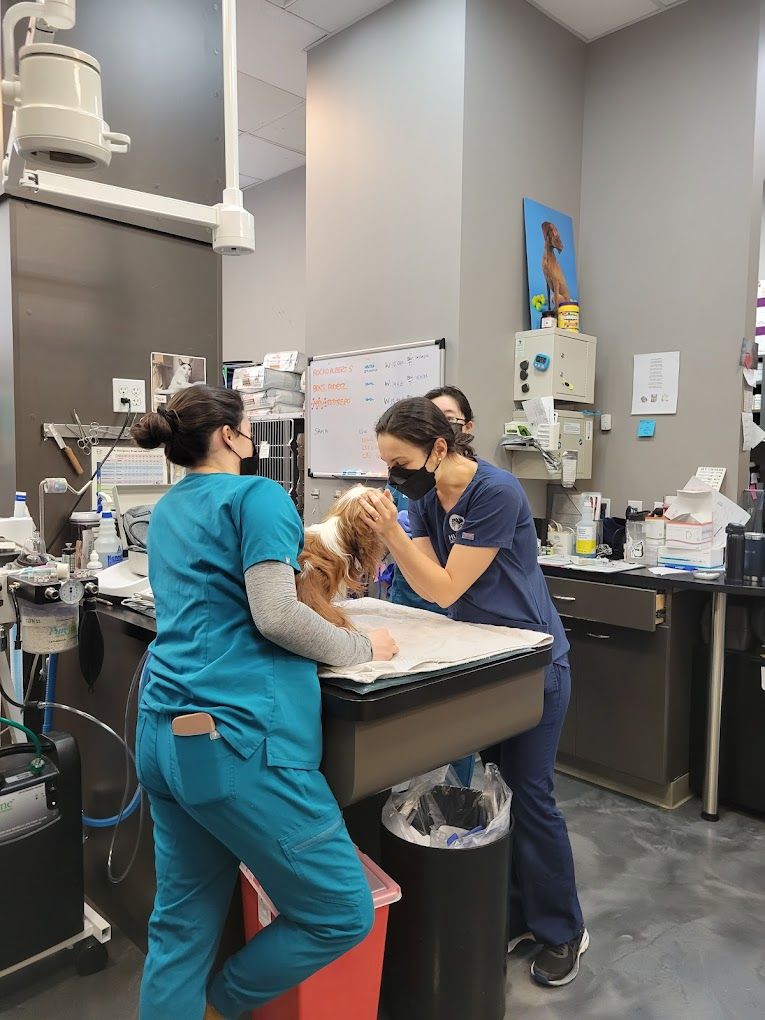
Vaccination and Your Dog’s Overall Health
Vaccinations work best as part of a broader preventive-care program.
Your dog should also receive appropriate nutrition, regular veterinary examinations, parasite prevention, dental care, exercise, grooming, and behavioral support.
Nutrition is particularly important during puppyhood because growing dogs have different nutritional requirements than adult dogs.
Read our guide to Healthy Dog Food to learn more about choosing appropriate nutrition for your dog.
What About Vaccinations and Socialization?
Puppy socialization is important, but owners should discuss timing with their veterinarian because puppies may not yet have completed their vaccination series.
Your veterinarian can help you balance the benefits of early, controlled socialization with your puppy’s infectious-disease risk.
Safe socialization can include exposure to different sounds, people, handling experiences, household environments, and other carefully selected experiences.
Avoid exposing an incompletely vaccinated puppy to potentially contaminated environments without first discussing the risks with your veterinarian.
Should You Vaccinate Your Dog?
For most dogs, vaccination is an important component of preventive healthcare.
However, there is no universal vaccination schedule that is perfect for every dog. Your veterinarian should consider your dog’s individual circumstances when deciding which vaccines are appropriate and when they should be administered.
Rather than skipping vaccinations because of concerns found online, discuss those concerns directly with your veterinarian. They can explain the benefits, potential risks, and appropriate schedule for your specific dog.
If you are bringing home a Cavapoo puppy, keeping up with veterinary care from the beginning can help establish a strong foundation for a healthy life.
Final Thoughts
Vaccinating your dog is an important responsibility that begins during puppyhood and continues throughout adulthood.
Keep your dog’s vaccination records organized, follow your veterinarian’s recommendations, and pay attention to your dog’s health after each appointment.
Most importantly, remember that vaccination decisions should be based on your dog’s individual needs rather than a one-size-fits-all schedule.
For more practical puppy-care information, explore our Puppy Care and Dog Health guides or learn more about our Available Cavapoo Puppies.
