Full Grown Cavapoo Guide, Grooming Guide
Responsible Dog Breeding: A Complete Guide to Ethical Puppy Breeding
Aug
Responsible Dog Breeding Starts With the Welfare of the Dogs
Responsible dog breeding is much more than producing a litter of puppies. It requires knowledge, planning, veterinary care, careful decision-making, and a long-term commitment to every dog involved.
A responsible breeder considers the health and temperament of the parents before breeding. They provide appropriate care throughout pregnancy and whelping. They raise puppies in a clean and safe environment and carefully match each puppy with a suitable family.
The goal should never be to produce as many puppies as possible.
The goal is to produce healthy, well-socialized puppies while protecting the physical and emotional welfare of the parent dogs.
For breeders working with Cavapoos, this means understanding both the Cavalier King Charles Spaniel and Poodle sides of the cross. It also means understanding the health, grooming, exercise, temperament, and training needs that prospective families should expect.
If you’re interested specifically in Cavapoos, our Cavapoo Breed Guide can help families learn more about the breed before deciding whether a Cavapoo is right for them.
Learn Before You Breed
One of the most important parts of responsible dog breeding is education.
Breeders should understand canine behavior, genetics, nutrition, reproduction, puppy development, preventative veterinary care, and breed-specific characteristics.
Learning should also continue throughout a breeder’s career. Veterinary recommendations, genetic testing methods, puppy-care practices, and breeding knowledge continue to develop.
The American Kennel Club recommends that responsible breeders understand genetics, perform appropriate pre-breeding health checks, prepare properly for pregnancy and whelping, provide appropriate puppy care, and carefully evaluate potential puppy homes.
A breeder should also understand the breed they are working with.
That includes learning about:
- Breed history
- Typical temperament
- Exercise requirements
- Grooming needs
- Common health concerns
- Genetic considerations
- Puppy development
- Socialization
- Training
- Appropriate nutrition
- Adult size and lifestyle needs
For a Cavapoo breeder, this knowledge helps ensure that prospective owners receive realistic information rather than promises based only on appearance (responsible dog breeder).
Health Testing Should Come Before Breeding
Health testing is one of the most important components of responsible dog breeding.
Breeding dogs should receive appropriate veterinary evaluations before being used in a breeding program. Breed-specific health testing can help identify inherited conditions and other concerns that may affect breeding decisions.
The American Kennel Club explains that health-testing recommendations vary by breed and are generally established through the relevant breed parent clubs.
For that reason, responsible breeders should not simply purchase a generic DNA test and assume that every possible health concern has been addressed.
Instead, breeders should investigate the health-testing recommendations relevant to the dogs in their breeding program (dog breeding best practices).
The Orthopedic Foundation for Animals (OFA) also maintains health information and breed-specific screening recommendations through its Canine Health Information Center program.
Health testing does not guarantee that every puppy will remain healthy throughout life. However, documented testing gives breeders valuable information when making responsible breeding decisions.
It also gives puppy buyers important information about the health background of their future companion.
Choose Breeding Dogs Carefully
Responsible breeding begins with choosing appropriate parents.
A breeder should evaluate more than appearance. Temperament, health, structure, genetic background, and overall suitability should all be considered.
A beautiful dog is not automatically an appropriate breeding dog.
Likewise, a dog should not be bred simply because it is popular or because there is strong demand for puppies.
The American Kennel Club describes responsible breeding as breeding with the goal of improving and preserving desirable characteristics while avoiding the continuation of serious health or temperament problems.
Breeders should therefore ask important questions before planning a litter:
- Is each parent physically healthy?
- Have appropriate health screenings been completed?
- Are there known hereditary concerns?
- Are the parents stable and predictable in temperament?
- Are the parents appropriate for the breeding goal?
- Is there a genuine reason for producing this litter?
- Can the breeder properly care for the mother and puppies?
- Are suitable homes available or likely to be available?
Responsible breeding requires the ability to say no when a proposed breeding is not in the dogs’ best interests (responsible puppy breeding).
The Mother and Father Deserve Excellent Care
Breeding dogs should never be viewed simply as a means of producing puppies.
The sire and dam are living animals that deserve proper nutrition, veterinary care, exercise, enrichment, rest, and affection regardless of whether they are currently being bred.
Before breeding, both dogs should be evaluated appropriately by a veterinarian.
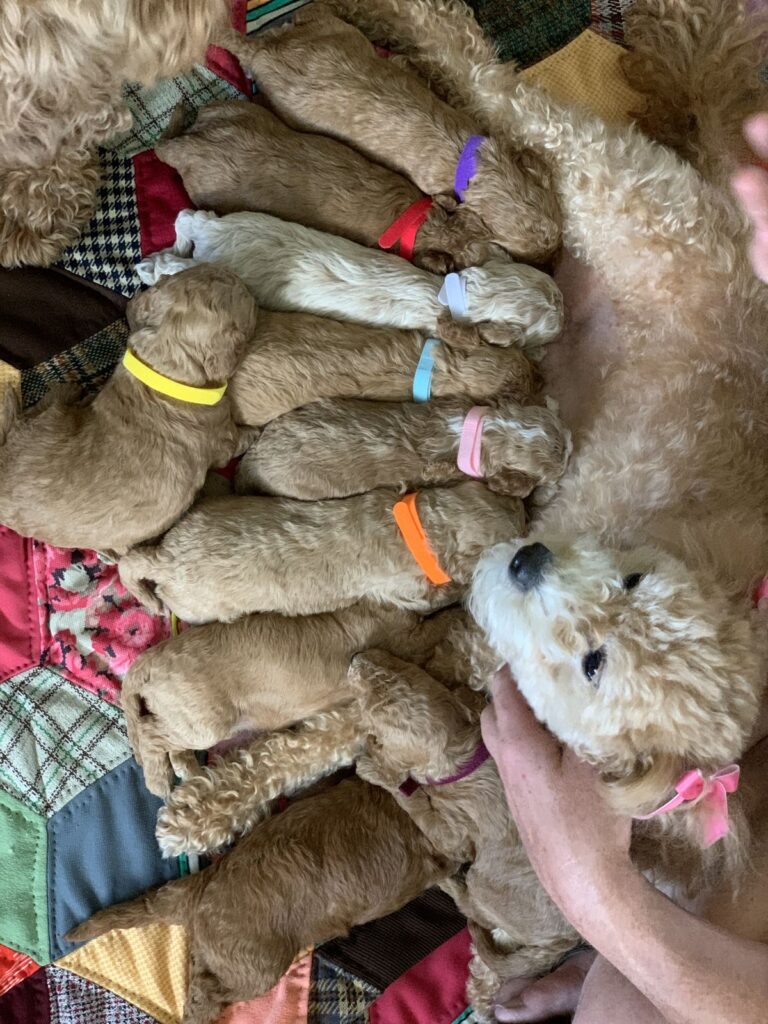
The mother also requires special attention throughout pregnancy and after giving birth. Her nutritional and veterinary needs can change during pregnancy and lactation.
A responsible breeder prepares for possible complications rather than assuming every pregnancy will proceed perfectly.
The American Kennel Club recommends pre-breeding veterinary care, appropriate health screening, good nutrition, exercise, and preparation for whelping.
Prepare a Safe Environment for Puppies
Once puppies arrive, their environment becomes extremely important.
Young puppies need a clean, safe, warm, and appropriately managed area where they can develop without unnecessary hazards.
Responsible puppy care includes monitoring:
- Feeding
- Hydration
- Weight gain
- Cleanliness
- Temperature
- Development
- Veterinary care
- Socialization
- Individual behavior
- General health
Puppies should not simply be placed in a room and left to grow.
They need regular observation and appropriate interaction throughout their development.
The breeder should also maintain accurate records for each puppy so that important information can be provided to the future owner.
Early Socialization Matters
Puppy socialization is another major responsibility for breeders.
A puppy’s early experiences can influence how it responds to people, environments, handling, sounds, and everyday situations later in life.
Safe, age-appropriate exposure can help puppies become more comfortable with normal household experiences.
Depending on their developmental stage and veterinary guidance, puppies can gradually experience things such as:
- Gentle handling
- Different household sounds
- Different surfaces
- Age-appropriate grooming
- Calm interactions with people
- Appropriate play
- New environments
- Basic training experiences
- Routine handling around ears, paws, and mouths
Socialization should be positive and appropriate for the puppy’s age and development.
The objective is not to overwhelm a puppy with as many experiences as possible.
Instead, responsible breeders should create positive experiences that help puppies develop confidence.
You can also learn more about puppy development in our guide to puppy behavioral development stages.
Be Honest With Prospective Puppy Owners
Responsible breeders do not tell buyers only what they want to hear.
They explain both the advantages and responsibilities of owning the breed.
For example, a Cavapoo may be affectionate, intelligent, and adaptable, but prospective owners should also understand that grooming, training, exercise, companionship, and ongoing veterinary care are part of responsible ownership.
A breeder should be willing to discuss:
- Expected adult size
- Temperament
- Grooming requirements
- Exercise needs
- Training
- Socialization
- Feeding
- Potential health concerns
- Veterinary care
- Lifestyle requirements
- Expected ongoing costs
This honest conversation helps prevent puppies from being placed in homes that are not prepared for their needs.
Our Thinking About Buying a Puppy? guide can also help prospective owners understand what they should consider before bringing home a puppy.
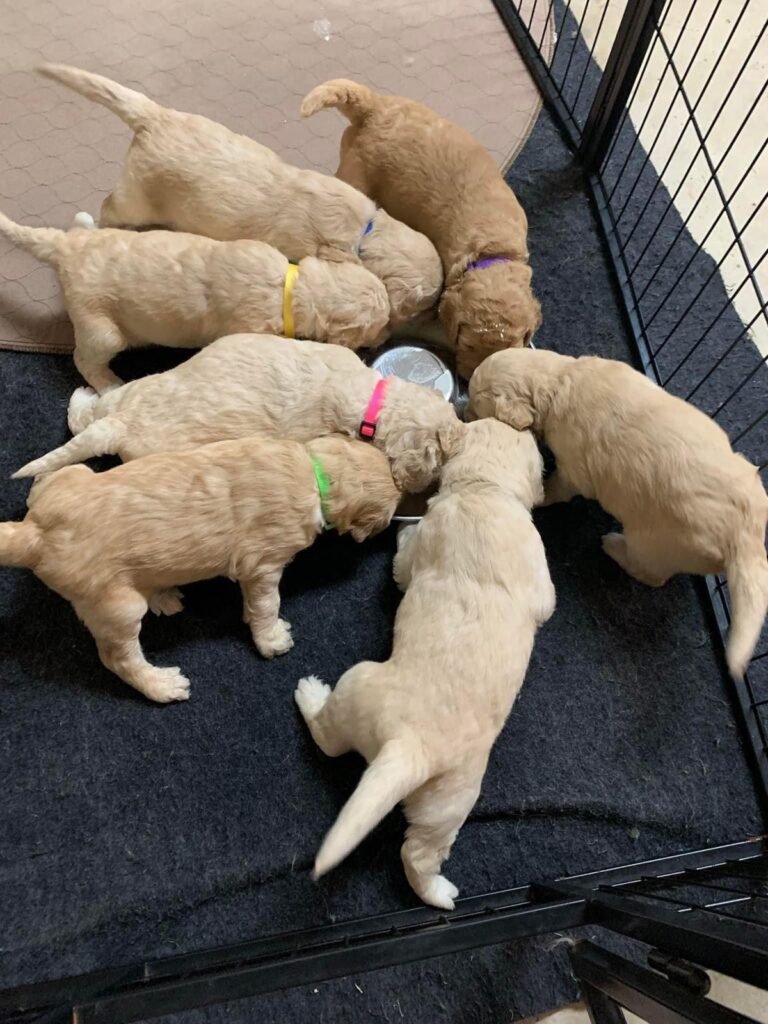
Responsible Breeders Screen Potential Homes
Responsible breeding does not end when a puppy is ready to leave the breeder.
Finding the right home is part of the breeder’s responsibility.
A breeder may want to understand the prospective owner’s:
- Living environment
- Daily schedule
- Previous dog experience
- Family situation
- Other pets
- Activity level
- Training expectations
- Grooming expectations
- Ability to provide veterinary care
- Plans for the puppy’s future
A responsible breeder should also be comfortable declining a sale when a home clearly does not fit a puppy’s needs.
This is not about judging potential owners.
It is about making the best possible match between the puppy and its future family.
The AKC similarly recommends that responsible breeders carefully evaluate prospective owners and place puppies with families prepared to provide lifelong care.
Provide Complete Puppy Records
Before a puppy goes home, the buyer should receive appropriate documentation.
Depending on the breeder and puppy, this may include:
- Veterinary records
- Vaccination information
- Deworming records
- Health records
- Microchip information, when applicable
- Registration information, when applicable
- Health-testing documentation for parents
- Feeding instructions
- Current food information
- Basic care instructions
- Contract or purchase agreement
- Health guarantee, if offered
Clear documentation protects both the breeder and the puppy buyer.
It also gives the new family a better understanding of the puppy’s history and ongoing care needs.
Use a Clear Puppy Contract
A written agreement can help prevent misunderstandings between breeders and buyers.
A puppy contract may explain the purchase price, health guarantee, responsibilities of both parties, return or rehoming provisions, and other important terms.
The exact terms should reflect applicable laws and the breeder’s practices.
Buyers should read the agreement carefully before making a purchase and ask questions about anything they do not understand.
For breeders, a clear contract can help establish expectations before the puppy leaves their care.
Responsible Breeding Includes Lifelong Responsibility
One of the strongest signs of a responsible breeder is continued involvement after the puppy goes home.
A good breeder should be willing to answer reasonable questions and provide guidance during the puppy’s transition.
Sometimes unexpected circumstances happen.
A family may experience a major lifestyle change, financial difficulty, relocation, or another situation that makes keeping a dog difficult.
Responsible breeders should have a clear plan for these situations.
Whenever possible, the breeder should work toward a safe solution that protects the dog’s welfare.
This is one reason a breeder’s responsibility should not end when the purchase contract is signed.
Responsible Breeding Is About Quality, Not Quantity
Producing puppies should never become a numbers game.
Every litter requires time, money, planning, veterinary care, cleaning, socialization, feeding, record keeping, and careful placement.
Responsible breeders understand these commitments before planning a litter.
They also understand that breeding dogs comes with risks and that complications can occur.
The AKC notes that raising a litter can require substantial time, veterinary care, supplies, and financial resources.
For this reason, anyone considering breeding should carefully evaluate whether they have the knowledge, resources, time, and support necessary to do it responsibly.
Ethical Dog Breeding Protects the Future of Every Puppy
Responsible dog breeding is ultimately about putting the welfare of dogs first.
It means learning before breeding, choosing appropriate parents, completing relevant health testing, providing excellent care, socializing puppies, communicating honestly with buyers, and helping puppies transition into suitable homes.
It also means accepting responsibility when circumstances change.
For prospective puppy owners, these principles provide useful signs to look for when evaluating a breeder. The American Kennel Club recommends looking for breeders who are transparent about health testing, knowledgeable about their breed, willing to answer questions, and interested in finding appropriate homes for their puppies.
AKC: Signs of a Responsible Breeder
For breeders, the message is equally important:
Responsible breeding is not simply about producing puppies. It is about protecting the health, welfare, and future of every dog involved.
Frequently Asked Questions About Responsible Dog Breeding
What is responsible dog breeding?
Responsible dog breeding focuses on producing healthy, well-socialized puppies while protecting the health and welfare of the parent dogs. It involves health testing, appropriate breeding decisions, veterinary care, puppy socialization, and careful placement.
What health testing should breeding dogs receive?
Health testing depends on the breed and individual breeding program. Breeders should research breed-specific recommendations and work with qualified veterinary professionals. AKC and OFA resources can help breeders identify relevant screening recommendations.
Why is genetic testing important for breeders?
Genetic testing can help identify inherited disease risks and carrier status for certain conditions. Results can provide useful information when making breeding decisions, although testing does not guarantee that puppies will never develop health problems.
Should breeders screen potential puppy buyers?
Yes. Responsible breeders should consider whether a potential home is appropriate for the puppy’s temperament, lifestyle, exercise needs, grooming requirements, and long-term care.
Should a breeder provide health records?
Buyers should receive appropriate veterinary and health documentation for their puppy. Breeders should also be prepared to discuss relevant health testing performed on the parents.
Why is puppy socialization important?
Early, positive experiences can help puppies become more comfortable with people, handling, environments, sounds, and everyday situations. Socialization should always be age-appropriate and designed around the puppy’s welfare.
What makes a responsible Cavapoo breeder?
A responsible Cavapoo breeder should understand both parent breeds, prioritize health and temperament, use appropriate health screening, provide proper puppy care, socialize puppies appropriately, communicate honestly, and carefully evaluate prospective homes.
Final Thoughts
Responsible dog breeding requires far more than pairing two dogs and raising a litter.
It requires knowledge, preparation, veterinary support, ethical decision-making, proper puppy care, and a lifelong commitment to the dogs produced.
When breeders prioritize welfare over profit and carefully match puppies with prepared families, everyone benefits — especially the puppies.
If you’re researching Cavapoos before bringing one home, start with our Cavapoo puppies for sale page and learn more about the breed, puppy care, and the steps involved in welcoming a new companion into your family.
