Cavapoo Care Guide, Full Grown Cavapoo Guide
Puppy Water Schedule: Proper Hydration During Potty Training
Aug
Puppy Water Schedule: What New Owners Need to Know
Bringing home a new puppy means learning a completely new routine.
You have feeding times, potty breaks, naps, training sessions, playtime, and plenty of cuddles to fit into the day.
Then comes another important question:
How should you manage your puppy’s water schedule?
Some new puppy owners worry that leaving water available will make potty training more difficult.
Others wonder whether they should remove the water bowl for several hours during the day.
The answer is simpler than many people expect.
Puppies need regular access to fresh, clean drinking water.
Water supports digestion, circulation, temperature regulation, and normal body functions. Veterinary guidance recommends that dogs have access to fresh water, while puppies in particular need careful attention to hydration because they are still growing.
For families bringing home a Cavapoo puppy, understanding hydration from the beginning can make daily care much easier.
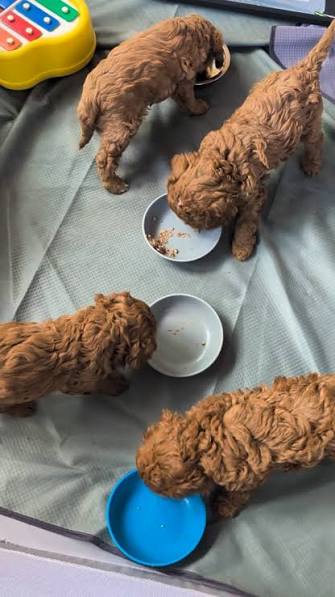
Should You Restrict Your Puppy’s Water During Potty Training?
This is one of the most common questions new puppy owners ask.
The important distinction is between scheduling potty breaks and restricting water throughout the day.
These are not the same thing.
A puppy should not be deprived of water simply because you are trying to reduce accidents.
Instead, establish a predictable routine that includes:
- Regular water access
- Scheduled meals
- Frequent potty breaks
- Nap periods
- Play sessions
- Consistent bedtime routines
The American Kennel Club recommends keeping regular water access during the day even while housetraining (Cavapoo puppy care). It also notes that nighttime routines may involve removing the water bowl a few hours before bedtime for some puppies.
However, individual puppies have different needs.
If your puppy has a medical condition, is very young, is experiencing vomiting or diarrhea, or seems unusually thirsty, speak with your veterinarian before changing their water intake.
Why Puppies Need Plenty of Water
Water is essential for a growing puppy.
It supports normal digestion, circulation, brain function, and temperature regulation. Puppies also have higher nutritional and hydration needs relative to their size than many adult dogs.
As puppies transition from their mother’s milk to solid food, fresh drinking water becomes increasingly important.
The American Kennel Club recommends providing puppies with fresh water throughout the day.
This is especially important for active puppies.
A playful Cavapoo puppy may spend part of the afternoon running around the house, playing with toys, practicing training exercises, or exploring the backyard (puppy water schedule).
That activity can increase water needs.
Warm weather can also increase the importance of hydration.
How Much Water Should a Puppy Drink?
There isn’t one perfect amount for every puppy.
Water needs depend on several factors, including:
- Age
- Body size
- Activity level
- Diet
- Weather
- Overall health
The American Kennel Club notes that weaned puppies generally need roughly ½ to 1 ounce of water per pound of body weight per day, although individual needs can vary.
For example, a 10-pound puppy could need approximately 5–10 ounces of water in a day under typical conditions.
That number should not become a rigid target.
Your veterinarian can provide more individualized guidance based on your puppy’s age, weight, diet, activity, and health.
If you’re raising a Cavapoo, this is particularly useful because adult size can vary depending on the puppy’s parents and whether the puppy is toy, miniature, or larger in type (Cavapoo puppy potty training).
Build Water Into Your Puppy’s Daily Routine
Rather than thinking about water as something you need to restrict, think about it as one part of your puppy’s daily schedule.
A simple routine might look like this:
Morning
Take your puppy outside for a potty break soon after waking.
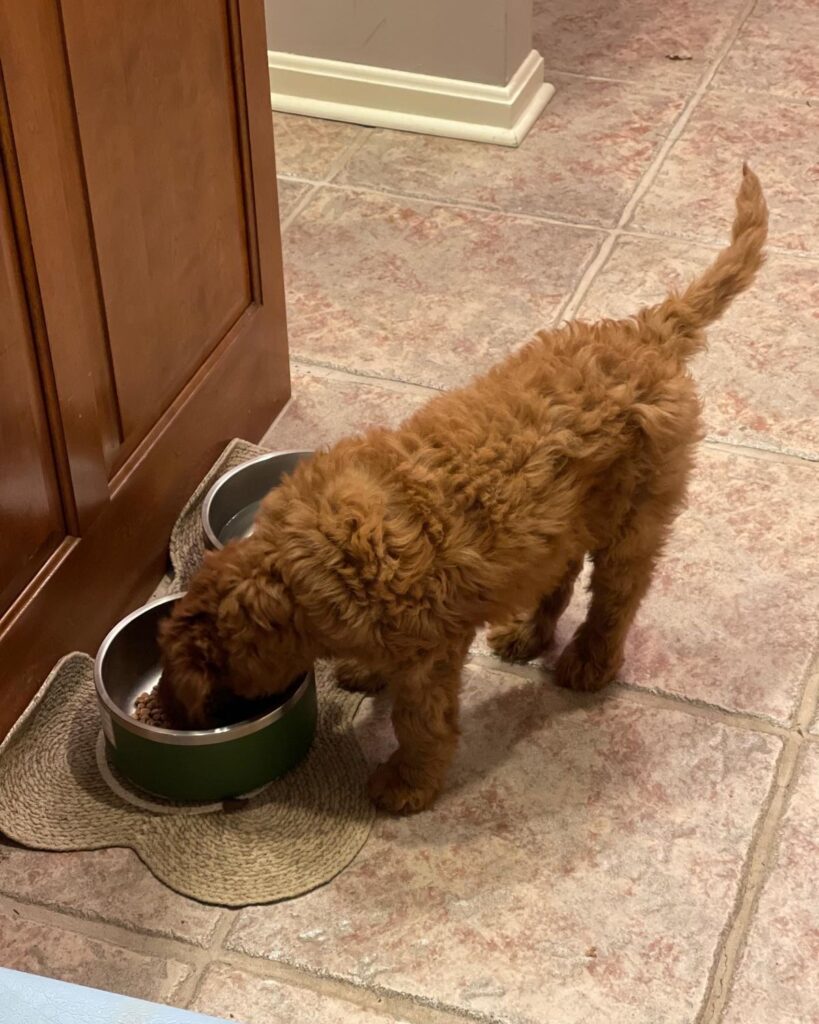
Offer fresh water and breakfast.
After eating and drinking, give your puppy another opportunity to go outside.
Midday
Continue offering fresh water throughout the day.
Schedule additional potty breaks after naps, meals, drinking, play, and training.
Young puppies often need frequent bathroom opportunities because their bladder control is still developing.
Afternoon
Keep water accessible while your puppy plays and explores.
If you’re working on training, use short sessions followed by rest.
You can learn more about your puppy’s development and daily needs in our guide to Cavapoo puppies and puppy care.
Evening
Continue following your normal routine.
Avoid turning water restriction into a punishment or using thirst to force your puppy to hold their bladder.
Instead, gradually transition into a quieter evening routine.
Before Bed
Take your puppy outside for one final potty break.
For some puppies, veterinarians may recommend removing the water bowl a few hours before bedtime as part of nighttime housetraining. This should be approached as a nighttime routine, not as general daytime water restriction.
If your puppy is very young, ill, unusually thirsty, or has special medical needs, ask your veterinarian before changing nighttime water access (puppy house training).
Water and Potty Training Can Work Together
One of the biggest mistakes new owners make is assuming that accidents automatically mean their puppy is drinking too much.
Usually, the bigger issue is timing.
Puppies naturally need to eliminate more frequently than adult dogs.
Take your puppy outside after:
- Waking up
- Eating
- Drinking
- Playing
- Training
- Exciting activity
- Long naps
A consistent routine helps your puppy understand where bathroom behavior should happen.
The American Kennel Club recommends regular potty opportunities every few hours and after changes in activity.
Consistency is much more effective than simply taking away water (puppy hydration).
Keep Your Puppy’s Water Bowl Clean
Fresh water isn’t enough if the bowl itself isn’t clean.
Food particles, saliva, dust, and debris can accumulate inside a water bowl.
Make cleaning the bowl part of your daily puppy routine.
The AKC recommends cleaning puppy water bowls daily to reduce buildup of bacteria and biofilm.
For a busy household, having a second clean bowl available can also make it easier to replace dirty water quickly.
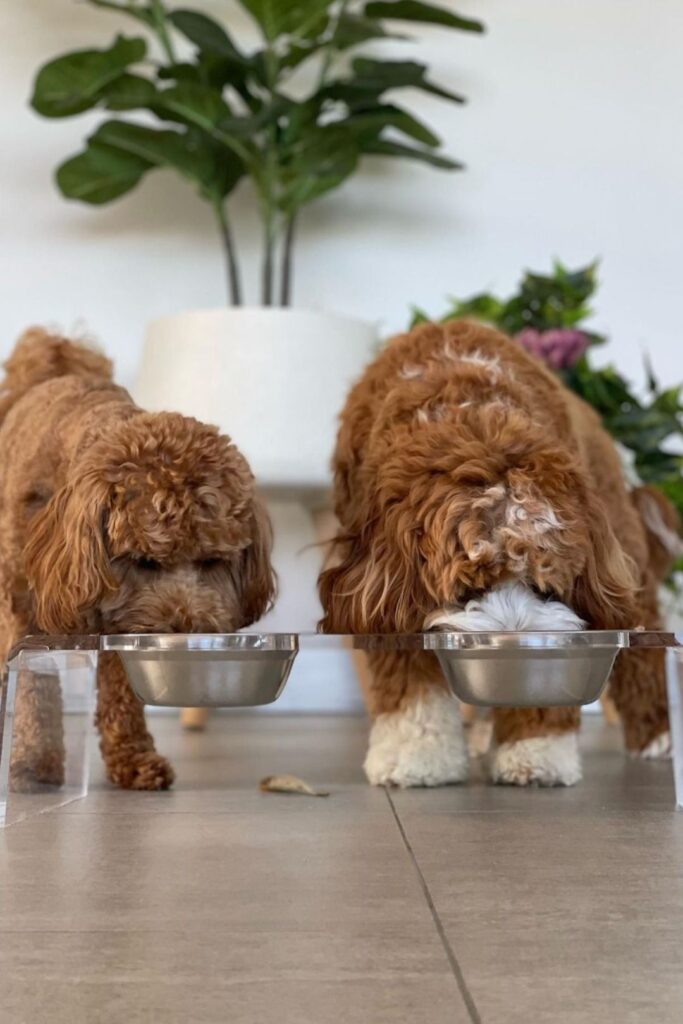
Stainless-steel bowls are often easy to clean and maintain, although the most important factor is keeping whatever bowl you choose clean and filled with fresh water (puppy water schedule).
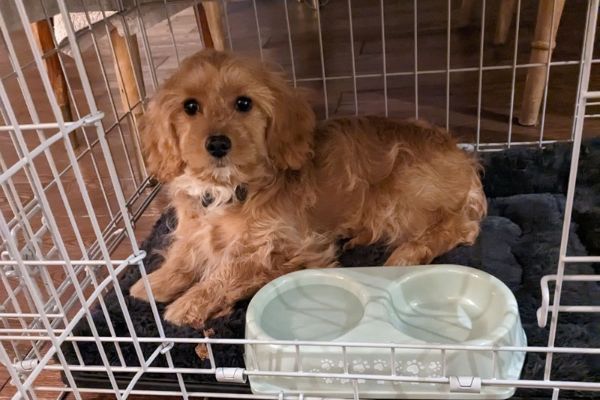
What If Your Puppy Doesn’t Drink Enough?
Some puppies are enthusiastic drinkers.
Others may barely seem interested in their water bowl.
If your puppy isn’t drinking normally, pay attention to the bigger picture.
Look for changes such as:
- Drinking much less than usual
- Dry or sticky gums
- Unusual tiredness
- Vomiting
- Diarrhea
- Excessive panting
- Changes in urination
- Weakness
Dehydration can occur for several reasons, including illness, vomiting, diarrhea, heat, and inadequate water intake. Puppies can be particularly vulnerable.
If your puppy suddenly stops drinking or shows signs of illness, contact your veterinarian rather than trying to solve the problem by changing the water schedule yourself (Cavapoo puppy care).
What If Your Puppy Suddenly Drinks A Lot?
Increased thirst can sometimes be completely normal.
Your puppy may drink more after exercise, during warm weather, or after eating dry food.
However, a sudden and persistent increase in drinking can sometimes indicate an underlying health problem.
If you notice that your puppy is drinking significantly more than usual, especially alongside increased urination, vomiting, diarrhea, lethargy, or other changes, contact your veterinarian.
Veterinary sources recommend investigating significant changes in drinking behavior rather than automatically restricting water (Cavapoo puppy potty training).
Hydration Is Especially Important During Hot Weather
Cavapoos can be playful and energetic, and summer temperatures can make hydration even more important.
Make sure your puppy has access to shade and fresh water when outdoors.
Avoid prolonged exercise during extreme heat.
Watch for excessive panting, weakness, vomiting, confusion, or other signs of heat stress. Heatstroke can become an emergency and requires prompt veterinary attention (puppy house training).
When temperatures rise, your puppy’s water bowl should never become an afterthought.
A Healthy Water Routine Makes Puppy Life Easier
Potty training doesn’t require you to choose between hydration and a clean floor.
The better approach is to build both into your puppy’s routine.
Provide fresh water.
Schedule regular potty breaks.
Watch your puppy’s individual habits.
Keep the water bowl clean.
Adjust routines gradually.
And always speak with your veterinarian if your puppy’s drinking behavior changes significantly.
For new Cavapoo owners, these simple habits can create a strong foundation for healthy puppy care.
At Atlantic Cavapoo Puppies Home, we believe bringing home a puppy is only the beginning. Learning about nutrition, hydration, training, exercise, and everyday puppy care helps families create a comfortable environment where their new companion can thrive (puppy hydration).
If you’re currently looking for a Cavapoo puppy, you can explore our available Cavapoo puppies and learn more about what to expect during the first stages of life together.
Final Thoughts: Don’t Confuse Potty Training With Water Restriction
A puppy water schedule should help you create predictability, not dehydration.
Fresh water remains an essential part of puppy care.
Potty training works best when you combine appropriate hydration with frequent bathroom opportunities, positive reinforcement, and a consistent daily routine.
Your puppy is still learning how their body works.
Give them time.
Give them structure.
And give them plenty of fresh water.
Those simple habits can go a long way toward raising a healthy, happy Cavapoo.
Helpful Puppy Care Resources
For additional guidance, these veterinary and canine health resources are useful:
- American Kennel Club — Is Your Puppy Drinking Enough Water?
- VCA Animal Hospitals — Nutrition and General Feeding Guidelines for Dogs
- American Kennel Club — Puppy Feeding Fundamentals
- American Kennel Club — Warning Signs of Dehydration in Dogs
