Cavapoo Care Guide, Cavapoo Health & Wellness
Human Foods That Are Unsafe for Dogs: What Every Cavapoo Owner Should Know
Aug
Human Foods That Are Unsafe for Dogs
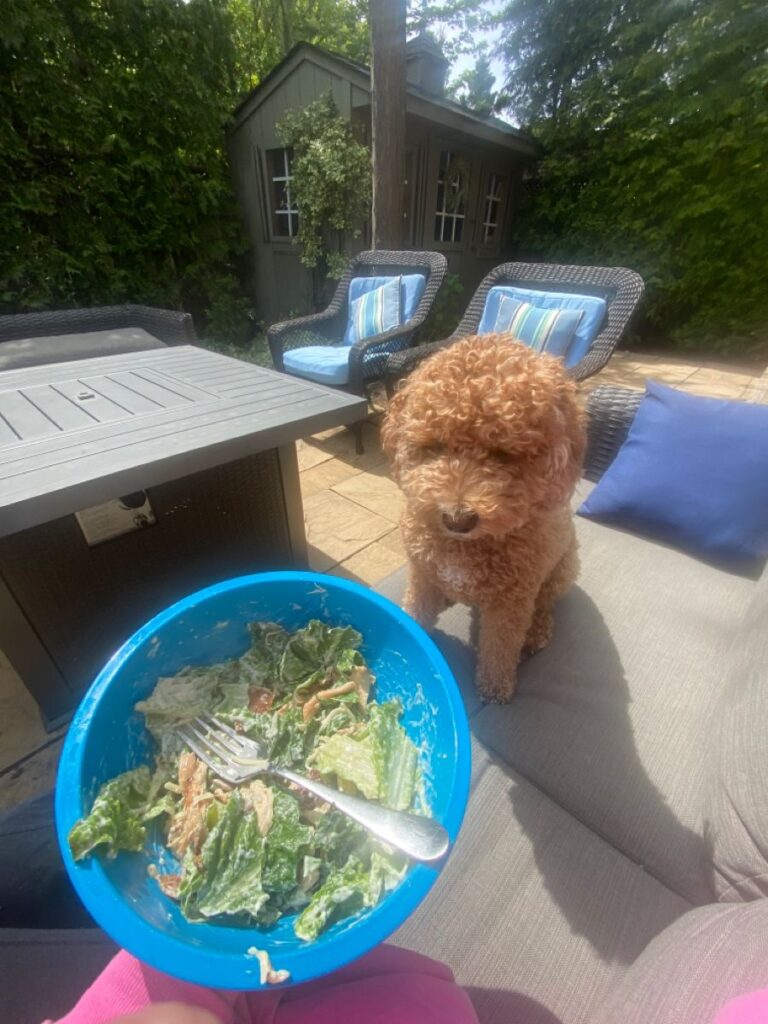
If you have a puppy, you probably already know the look.
You sit down with a snack.
Your puppy sits directly in front of you.
Those big eyes appear.
The head tilts.
The tail starts moving.
And suddenly your Cavapoo is acting like they haven’t eaten in three days.
Sharing a tiny bite can feel harmless. However, some human foods can cause serious illness in dogs.
Certain foods can lead to digestive upset (foods toxic to dogs). Others can cause neurological problems, organ damage, anemia, or potentially life-threatening poisoning.
That makes knowing which human foods are unsafe for dogs an important part of responsible puppy ownership (human foods that are unsafe for dogs).
The ASPCA specifically warns pet owners about several common household foods and ingredients, including chocolate, caffeine, grapes, raisins, onions, garlic, xylitol, alcohol, and yeast dough.
If you are raising a Cavapoo puppy, keeping these foods away from curious paws can prevent an unnecessary emergency.
Why Puppies Are Especially Curious About Human Food
Puppies explore the world with their mouths.
That means a dropped piece of food can become an instant investigation.
A puppy doesn’t understand that a grape is dangerous.
They don’t know that sugar-free gum contains an ingredient that can be extremely toxic.
They simply smell something interesting and investigate.
This is why food safety starts with prevention.
Keep dangerous foods off low tables and counters. Secure garbage cans (foods toxic to dogs). Teach your puppy a reliable “leave it” command. Make sure children understand that treats should only be shared with permission.
These simple habits become especially important as your Cavapoo becomes more confident and curious.
1. Chocolate, Coffee, and Caffeine
Chocolate is one of the best-known foods that dogs should never receive.
Chocolate, coffee, and other caffeinated products contain methylxanthines that can cause vomiting, diarrhea, excessive thirst or urination, abnormal heart rhythms, tremors, seizures, and potentially death.
The risk can vary depending on the product, amount consumed, and size of the dog.
Dark chocolate, baking chocolate, and cocoa powder can contain particularly high concentrations of these compounds.
That means a small puppy getting into a container of baking chocolate can be much more concerning than stealing a tiny piece of a milk-chocolate treat (foods dogs cannot eat).
Keep chocolate, coffee grounds, coffee drinks, energy drinks, and caffeine-containing products securely stored.
And remember the holiday season.
Chocolate often appears in easily accessible places during birthdays, Halloween, Christmas, and other celebrations.
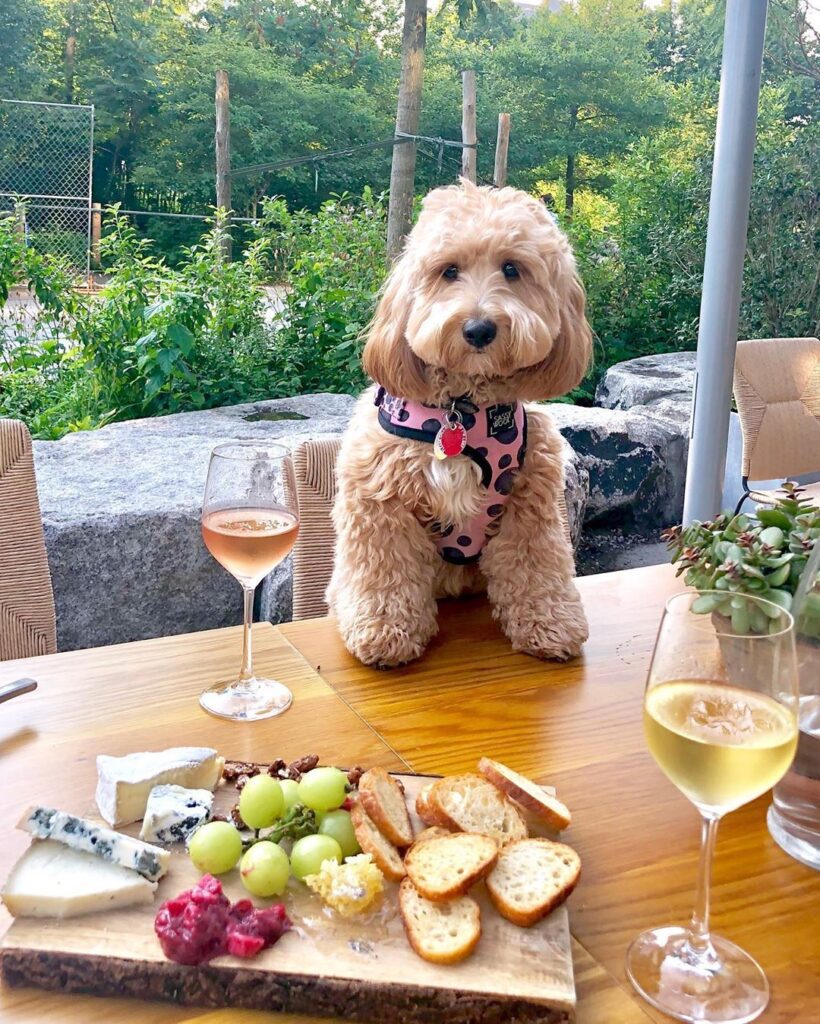
2. Grapes and Raisins
Grapes and raisins are another major concern.
They may look like harmless little snacks, but they can cause acute kidney injury in dogs. The toxic response is unpredictable, so there is no reliable way to determine that a particular dog will be unaffected by a particular amount.
That means grapes and raisins should simply stay off your puppy’s menu.
Be particularly careful with foods that contain raisins, including certain baked goods, cereals, trail mixes, and desserts (Cavapoo puppy care).
If you think your puppy has eaten grapes or raisins, contact your veterinarian promptly rather than waiting for symptoms.
3. Onions, Garlic, Chives, and Leeks
Onions and garlic can be particularly sneaky.
They don’t have to appear as large pieces of vegetables.
They may be present as powders or seasonings in sauces, soups, prepared foods, baby food, meat dishes, and other recipes.
Onions, garlic, chives, leeks, and related Allium plants can damage red blood cells and potentially cause anemia in dogs (foods poisonous to dogs). Some symptoms may also be delayed.
For that reason, don’t assume that removing visible onion pieces makes a meal safe.
If the food contains onion powder or garlic, it is better to keep it away from your puppy.
This is particularly important when you’re sharing leftovers.
4. Xylitol and Sugar-Free Products
Xylitol deserves special attention because it can hide in products that don’t look dangerous.
This artificial sweetener may be found in:
- Sugar-free gum
- Some candies
- Certain baked goods
- Some peanut butters
- Toothpaste
- Other sugar-free products
Xylitol can cause a dangerous drop in blood sugar and may also result in liver damage.
Always check ingredient labels before allowing your dog to have any human food.
If a product contains xylitol, keep it completely away from your puppy (human foods that are unsafe for dogs).
And don’t leave gum or candy in handbags, backpacks, bedside tables, or car compartments where a curious Cavapoo might find it.
5. Alcohol
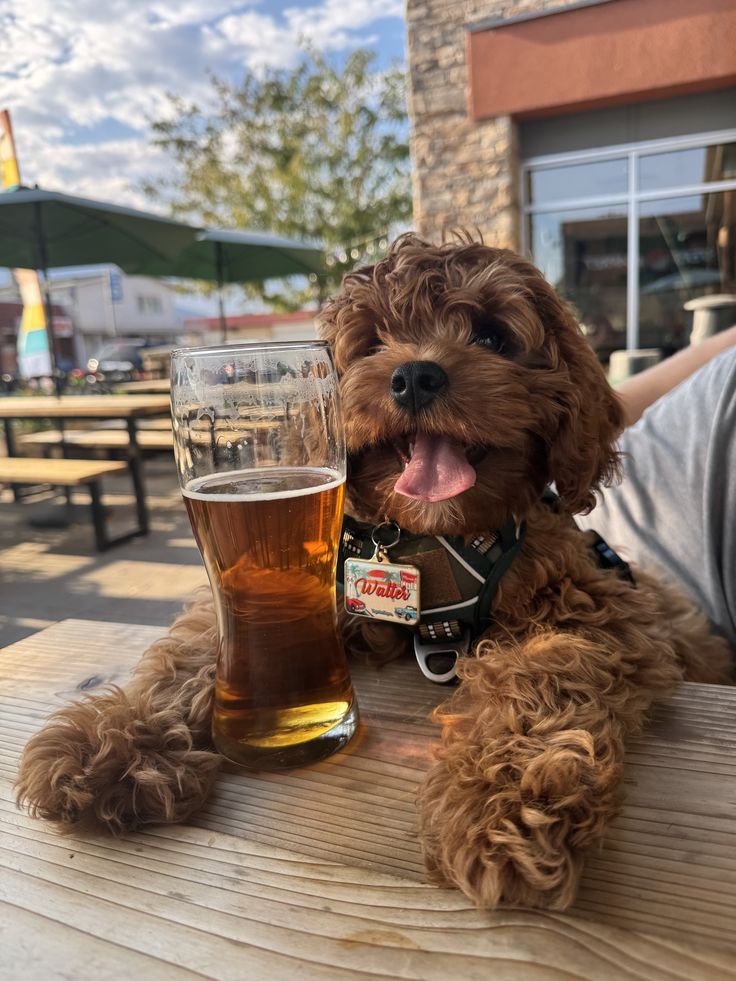
Alcohol and dogs are a dangerous combination.
Beer, wine, liquor, cocktails, and foods containing alcohol should never be offered to your puppy.
Alcohol can cause vomiting, diarrhea, coordination problems, depression, breathing difficulties, tremors, changes in blood chemistry, coma, and potentially death.
Be especially careful during parties.
A puppy doesn’t need to drink from a glass to get into trouble (foods toxic to dogs). They may lick a spilled drink from the floor or investigate an unattended glass.
Clean spills immediately and keep alcoholic beverages out of reach.
6. Raw Yeast Dough
Raw bread dough may seem harmless because it is simply flour, water, and yeast.
For dogs, however, it can become dangerous.
Yeast dough can continue expanding inside the digestive system. It can cause painful bloating and potentially lead to a twisted stomach.
The fermentation process can also produce alcohol inside the stomach.
So if you’re baking bread or pizza at home, keep rising dough somewhere your puppy cannot reach (foods dogs cannot eat).
7. Fatty Foods and Greasy Table Scraps
A small piece of plain cooked meat isn’t automatically dangerous.
The problem is often what comes with it.
Large amounts of fatty foods can cause digestive problems and may contribute to pancreatitis. Greasy leftovers can also contain salt, spices, onions, garlic, or other ingredients that aren’t appropriate for dogs.
Foods such as:
- Fatty meat trimmings
- Greasy burgers
- Fried foods
- Heavy sauces
- Rich gravies
- Large amounts of cheese
are better kept away from your puppy.
If you want to reward your Cavapoo, choose a treat specifically designed for dogs instead (Cavapoo puppy care).
8. Cooked Bones
Dogs may love chewing, but that doesn’t mean every bone is safe.
Cooked bones can become brittle and splinter. Pieces can potentially injure the mouth or digestive tract or cause an obstruction.
This is particularly important after family meals.
Don’t give your puppy leftover chicken bones, turkey bones, rib bones, or other cooked bones.
Instead, choose veterinarian-recommended chew products designed for dogs (foods poisonous to dogs).
9. Raw Eggs, Raw Fish, and Raw Meat
Raw animal products can carry harmful bacteria and other risks.
The ASPCA notes that raw meat and raw eggs can contain bacteria such as Salmonella and E. coli. Raw eggs also contain an enzyme that can interfere with vitamin absorption.
Raw bones can also create choking, obstruction, or gastrointestinal injury risks.
If you’re considering a raw diet for your puppy, discuss the plan with your veterinarian before making dietary changes (human foods that are unsafe for dogs).
Growing puppies have specific nutritional requirements, so getting the balance right matters.
10. Macadamia Nuts and Other Nuts
Not every nut creates exactly the same risk, but that doesn’t mean your puppy should snack from your nut bowl.
Macadamia nuts are specifically associated with poisoning in dogs and can cause weakness, vomiting, tremors, difficulty walking, and increased body temperature (foods toxic to dogs).
Other nuts can also contain high amounts of fat and may cause digestive problems.
Some nuts may also be covered with salt, chocolate, spices, or other unsafe ingredients.
The simplest approach is to keep mixed nuts and snack bowls away from your puppy.
11. Very Salty Foods
A puppy doesn’t need the same salty snacks humans enjoy.
Large amounts of salt can cause increased thirst and urination and, in serious cases, neurological symptoms such as tremors and seizures.
Avoid sharing foods such as:
- Pretzels
- Salty chips
- Heavily seasoned meats
- Salted nuts
- Processed snack foods
Your puppy’s normal balanced diet should provide the nutrients they need without relying on human snack foods (foods dogs cannot eat).
12. Dairy Products Can Cause Problems
Milk and dairy aren’t necessarily poisonous to every dog.
However, many dogs don’t digest lactose particularly well.
That can lead to:
- Gas
- Diarrhea
- Stomach discomfort
- Vomiting
The ASPCA notes that pets can experience digestive upset from dairy because they don’t have significant amounts of the lactase enzyme needed to break down lactose (Cavapoo puppy care).
So even if your puppy begs for a spoonful of ice cream, it’s better to choose a dog-appropriate treat.
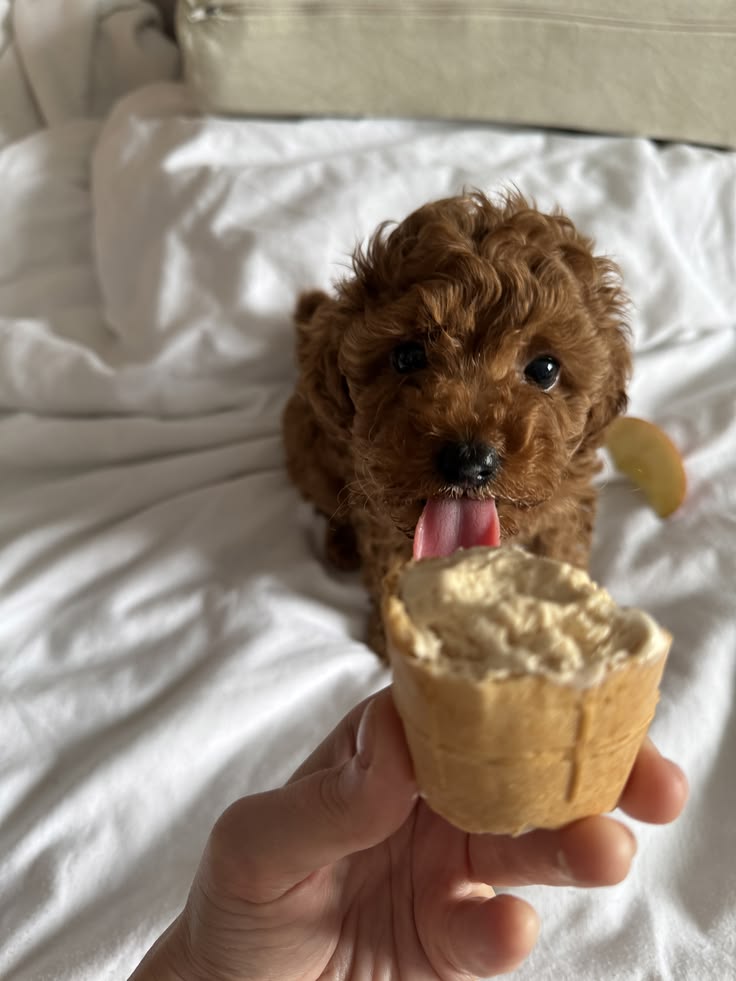
What About Fruits and Vegetables?
Not every fruit and vegetable is dangerous.
Several can be appropriate as occasional treats when prepared correctly.
The American Kennel Club lists options such as bananas, blueberries, watermelon, carrots, green beans, and celery among foods that can be offered to dogs in appropriate portions.
However, preparation matters.
Seeds, pits, stems, rinds, seasonings, and other parts may create additional risks.
Grapes and raisins should be completely avoided.
Onions and garlic should also stay out of your dog’s diet.
When you’re unsure about a particular food, ask your veterinarian before offering it (foods toxic to dogs).
What Should You Do If Your Puppy Eats Something Dangerous?
This is one of the most important things every new puppy owner should know.
Don’t wait for symptoms if you know your puppy has eaten a potentially toxic food.
Contact your veterinarian or an appropriate animal poison-control service for guidance.
Try to determine:
- What your puppy ate
- Approximately how much was consumed
- When it happened
- Your puppy’s approximate weight
- The product’s ingredient list, if available
Do not attempt to make your puppy vomit unless a veterinarian or veterinary poison-control professional specifically tells you to do so.
The appropriate response can depend on the food, quantity, timing, and individual dog.
The ASPCA also recommends noting the amount ingested and contacting a veterinarian or poison-control service when exposure occurs (foods dogs cannot eat).
Prevention Is Easier Than an Emergency
Most food-related accidents can be reduced with a few simple habits.
Keep toxic foods in closed cabinets.
Use a secure trash can.
Don’t leave plates unattended.
Teach children not to feed the puppy without permission.
Check labels for xylitol.
Keep purses and backpacks containing gum or candy away from curious puppies.
And remember that your puppy’s ability to reach something will change quickly.
A puppy that couldn’t climb onto the couch last month may suddenly be able to reach your coffee table today (Cavapoo puppy care).
Feeding Your Cavapoo Puppy Safely
A growing Cavapoo needs a balanced diet designed for their life stage.
Human food should never replace a complete puppy diet.
If you want to use treats during training, choose appropriate puppy treats and keep portions reasonable.
You can also use play, praise, attention, and toys as rewards (foods poisonous to dogs).
For more information about caring for your new companion, explore our Cavapoo puppies for sale page and learn more about finding the right puppy for your family.
If you’re still preparing for your puppy’s arrival, our puppy care resources can also help you build a safe and comfortable environment from the beginning.
Final Thoughts: Those Puppy Eyes Can Wait
We understand.
It’s difficult to resist those eyes.
But your puppy doesn’t need a bite of everything you’re eating to feel loved.
Sometimes the best thing you can do is smile, give them a puppy-safe treat, and keep your dinner to yourself.
Chocolate, grapes, raisins, onions, garlic, xylitol, alcohol, raw dough, certain nuts, bones, and other risky foods simply aren’t worth the danger (human foods that are unsafe for dogs).
A little prevention today can help protect your Cavapoo from a very stressful trip to the veterinarian tomorrow.
And when those puppy eyes appear again?
Give them a safe treat instead.
They’ll probably forgive you.
Trusted Resources for Dog Food Safety
For additional information about toxic foods and emergency response, these veterinary and canine-health resources are worth bookmarking:
- ASPCA — People Foods to Avoid Feeding Your Pets
- American Kennel Club — Human Foods Dogs Can and Can’t Eat
- American Kennel Club — Fruits and Vegetables Dogs Can or Can’t Eat
- American Kennel Club — Common Signs and Symptoms of Poisoning in Dogs
Important: This article is educational and isn’t a substitute for veterinary advice. If you believe your puppy has eaten a potentially toxic substance, contact your veterinarian promptly.
