
Cavapoo Training Guide, Grooming Guide
Paws in Public: How to Be a Considerate Dog Owner When Shopping
Aug
Dog Etiquette • Training • Public Safety
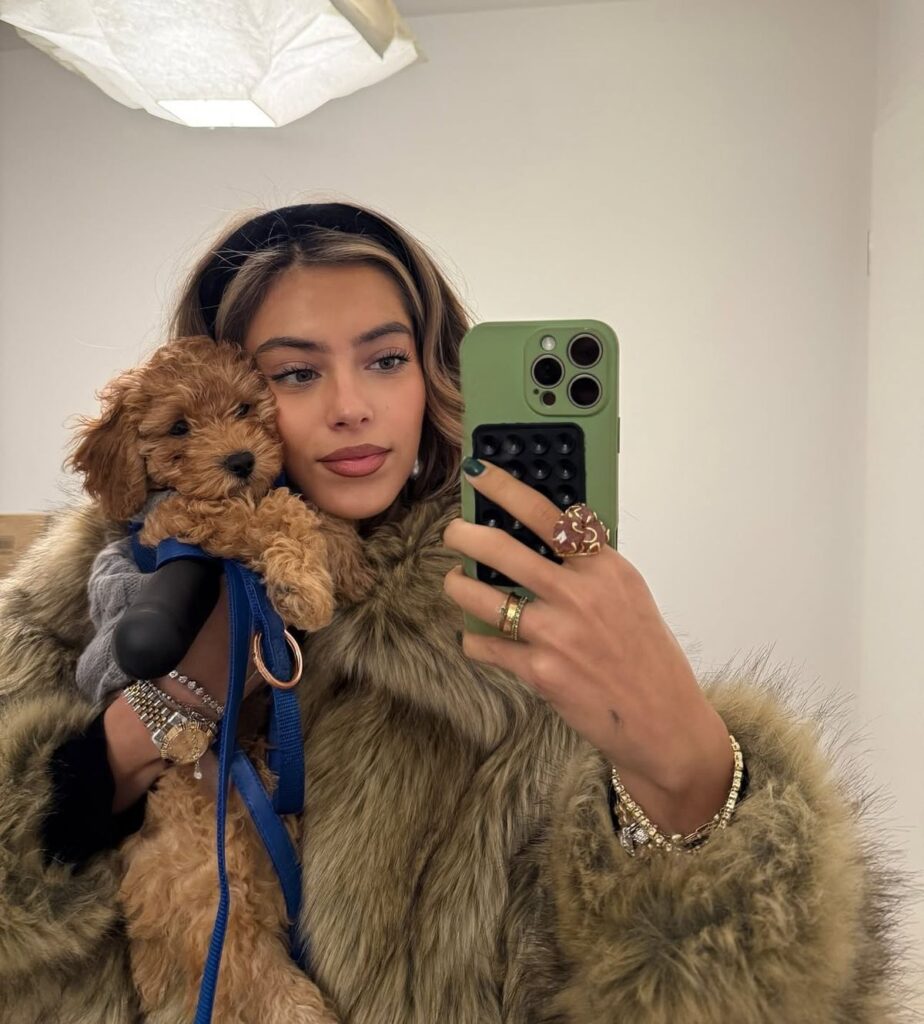
Taking your dog shopping can be a fun way to spend time together, especially when you’re visiting a pet-friendly store (Dog etiquette in public). However, bringing a dog into a public space comes with responsibilities.
Not every person is comfortable around dogs. Some shoppers may have allergies, fear animals, or simply prefer personal space. Other dogs may also become nervous when approached by an unfamiliar dog.
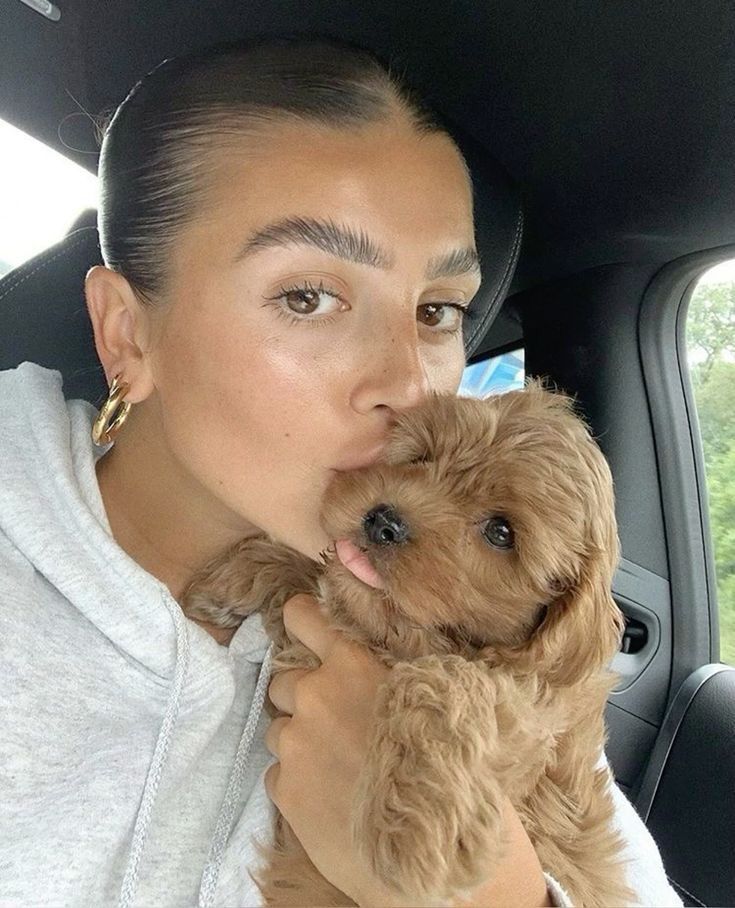
Good public etiquette helps everyone enjoy the experience.
Whether you’re taking an adult Cavapoo to a pet-friendly store or preparing a young puppy for future outings, the goal is simple: keep your dog safe, comfortable, controlled, and respectful of other people and animals.
Before taking a puppy into busy public places, it’s also important to consider their vaccination status and socialization progress. Our puppy socialization guide explains how positive exposure can help puppies become confident around people, animals, sounds, and new environments.
Dog etiquette in public: Are Dogs Allowed in Stores?
Before walking through the doors with your dog, check the store’s current pet policy.
A store may be pet-friendly without allowing dogs in every area. Some businesses may restrict animals from food preparation areas or other specific sections.
Other businesses may only permit service animals.
Never assume that a dog is welcome simply because you have seen another customer shopping with one.
A quick phone call or website check can prevent an uncomfortable situation.
Always follow the store’s posted rules and instructions from employees.
1. Keep Your Dog on a Leash
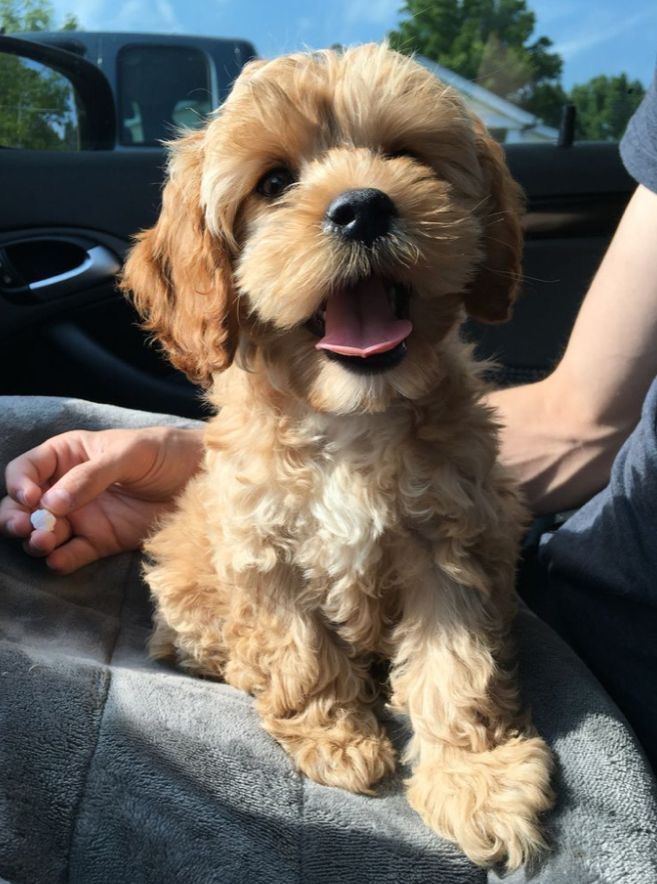
A leash is one of the most important tools when taking your dog shopping.
Keep your dog close enough that you can control their movement around:
- Other shoppers
- Children
- Shopping carts
- Store displays
- Other dogs
- Employees
- Doors and entrances
A standard leash can give you better control than a fully extended retractable leash in crowded environments.
Your dog doesn’t need to greet everyone they see.
In fact, teaching your dog to calmly walk past people and other animals is an important public skill.
For dogs that pull, jump, or become overly excited, work on basic leash manners before attempting a busy shopping trip.
2. Keep Your Dog Under Control
Being friendly isn’t the same as being well-behaved in public.
Your dog should be able to respond to basic cues such as:
- Sit
- Stay
- Come
- Leave it
- Watch me
- Let’s go
These commands can help you redirect your dog when something unexpected happens.
For example, a shopping cart may suddenly roll past your dog.
Another dog may bark.
A child may approach quickly.
A strong response to a simple cue can help you prevent an unwanted interaction.
If your dog is still learning basic commands, clicker training can be an effective positive-reinforcement method for teaching behaviors and improving communication.
Short training sessions at home can make public outings much easier.
3. Respect Other People’s Personal Space
Not everyone wants to interact with your dog.
That’s okay.
Some people may be afraid of dogs. Others may have allergies or previous negative experiences with animals.
Don’t allow your dog to approach strangers without permission.
Watch people’s body language.
If someone moves away, avoids eye contact, or appears uncomfortable, give them additional space.
The same rule applies to children.
Always ask a parent before allowing your dog to interact with a child.
Even a friendly dog can accidentally knock over a small child by jumping or becoming excited.
Responsible dog ownership means respecting people who don’t want to interact with your dog.
4. Don’t Force Dog-to-Dog Greetings
A pet-friendly store may contain several dogs at the same time.
That doesn’t mean every dog wants to meet yours.
Some dogs may be nervous, reactive, elderly, recovering from an illness, or simply uncomfortable around unfamiliar animals.
Keep your dog at a comfortable distance.
If another owner says their dog isn’t interested in meeting, respect their decision.
Likewise, don’t feel obligated to allow another dog to approach yours.
Learning appropriate social boundaries is particularly important during puppyhood.
Our Cavapoo puppy care guide covers important aspects of raising a young Cavapoo, including creating safe and positive early experiences.
5. Clean Up After Your Dog
Accidents happen.
Even well-trained dogs can become nervous or distracted in unfamiliar environments.
Always carry waste bags when taking your dog out.
If your dog has an accident inside a store, immediately notify an employee and follow the store’s cleaning procedure.
Don’t simply walk away.
Cleaning up quickly demonstrates consideration for employees and other shoppers.
It also helps prevent other people or animals from stepping in the mess.
6. Make Sure Your Dog Is Properly Socialized
A crowded store can be overwhelming.
There may be:
- Loud voices
- Shopping carts
- Automatic doors
- Bright lights
- Unfamiliar smells
- Other dogs
- Children
- Sudden movements
A dog that is comfortable at home may react differently in a busy environment.
That’s why socialization should involve gradual exposure to different sights, sounds, surfaces, people, and situations.
However, socialization doesn’t mean forcing a puppy into overwhelming environments.
Your dog should be allowed to move at a comfortable pace.
Watch for signs of stress such as:
- Tail tucked between the legs
- Excessive panting
- Trembling
- Lip licking
- Yawning
- Hiding
- Avoiding interaction
- Excessive barking
- Trying to escape
If your dog becomes overwhelmed, leave the environment and give them time to relax.
7. Don’t Bring an Unprepared Puppy Shopping
Puppies are adorable, but that doesn’t mean every puppy is ready for a shopping trip.
A young puppy may not yet be:
- Fully potty trained
- Comfortable around strangers
- Comfortable around other dogs
- Reliable on a leash
- Able to remain calm in busy environments
- Fully protected against contagious diseases
Public exposure should be introduced according to your veterinarian’s recommendations.
Your puppy’s vaccination status is particularly important because busy public areas can expose young dogs to infectious diseases.
Instead of immediately taking a young puppy into a crowded store, begin with controlled experiences appropriate for their age and health status.
8. Keep Your Dog Away From Merchandise
Your dog may find store displays incredibly interesting.
That doesn’t mean they should investigate everything.
Don’t allow your dog to:
- Jump on shelves
- Knock products over
- Chew merchandise
- Sniff food displays
- Climb onto furniture
- Mark store fixtures
- Grab products from shelves
Keep your dog’s leash short enough to maintain control without restricting their movement unnecessarily.
A calm dog that walks beside you is much easier to manage than a dog investigating every aisle.
9. Don’t Let Your Dog Ride in Shopping Carts
Unless the store specifically provides a designated, pet-safe cart or carrier system, don’t place your dog inside a regular shopping cart.
Shopping carts are designed for merchandise and food, not animals.
Your dog could jump out, fall, or interfere with another shopper.
Instead, keep your dog safely beside you on the floor.
If your dog is too small or medically unable to walk through the store, ask the business about its approved pet-carrier policy before visiting.
10. Choose the Right Time for Your Shopping Trip
Timing can make a significant difference.
A crowded Saturday afternoon may be challenging for a dog that is still learning public manners.
Consider visiting during a quieter period instead.
A less crowded environment gives your dog more space and fewer distractions.
This can be especially helpful for puppies or dogs that become overwhelmed easily.
Start with short visits.
Once your dog demonstrates calm behavior, you can gradually increase the duration.
11. Watch Your Dog’s Comfort Level
Don’t focus so heavily on your shopping that you forget to monitor your dog.
Check your dog throughout the outing.
Ask yourself:
Does my dog look relaxed?
Can my dog respond to me?
Is my dog showing signs of stress?
Is the environment becoming too overwhelming?
If your dog begins showing significant stress, it’s better to end the trip.
A successful outing isn’t necessarily a long outing.
Sometimes a 10-minute positive experience is more valuable than an hour of overwhelming exposure.
12. Don’t Take a Sick Dog Shopping
If your dog is sick, leave them at home unless you are visiting a veterinarian or another appropriate medical facility.
Signs that your dog may need to stay home include:
- Vomiting
- Diarrhea
- Fever
- Significant coughing
- Severe lethargy
- Unusual discharge
- Difficulty breathing
- Other concerning symptoms
A sick dog may also be more stressed in public.
Keeping them home allows them to rest while reducing the possibility of exposing other animals.
For general information about maintaining your dog’s wellbeing, visit our Cavapoo health guide.
13. Bring the Right Supplies
A little preparation can make public outings much easier.
Consider bringing:
- Standard leash
- Collar or harness
- Identification tag
- Waste bags
- Small training treats
- Water
- Portable water bowl
- A few paper towels
- Your dog’s medication if needed
- A small towel
Keep your supplies organized so you can respond quickly if your dog has an accident or becomes uncomfortable.
14. Use Positive Reinforcement
Reward your dog when they demonstrate appropriate public behavior.
For example, give a small treat when your dog:
- Walks calmly beside you
- Ignores another dog
- Waits patiently
- Responds to their name
- Sits when asked
- Walks past a distraction
- Remains relaxed around strangers
Positive reinforcement helps your dog understand which behaviors earn rewards.
Avoid punishing your dog for being frightened.
Instead, create more distance from whatever is causing the concern and help them relax.
15. Know When to Leave
One of the most important public-dog skills is knowing when an outing isn’t working.
Leave the store if your dog:
- Becomes increasingly anxious
- Begins barking continuously
- Shows aggression
- Cannot settle down
- Attempts to escape
- Becomes excessively tired
- Shows signs of illness
- Is repeatedly disturbing other shoppers
Leaving isn’t a failure.
It means you’re listening to your dog and preventing the situation from escalating.
You can always try again another day under easier circumstances.
Shopping With a Cavapoo: Special Considerations
Cavapoos are often affectionate, social, and people-oriented dogs.
That can make them enjoyable companions for appropriate public outings.
However, every Cavapoo has an individual personality.
Some may confidently walk through busy stores.
Others may become overwhelmed by loud noises, unfamiliar dogs, or crowded spaces.
Don’t assume that your Cavapoo will automatically enjoy every public environment.
Start gradually.
Reward calm behavior.
Pay attention to body language.
And let your dog tell you when they have had enough.
If you’re preparing for your first Cavapoo, our Cavapoo breed guide can help you better understand the breed’s temperament, characteristics, and everyday needs.
A Simple Public-Dog Etiquette Checklist
Before leaving home, ask yourself:
- Is my dog healthy enough for the outing?
- Is the location actually dog-friendly?
- Is my dog comfortable around people?
- Is my dog comfortable around other dogs?
- Can I control my dog on a leash?
- Do I have waste bags?
- Do I have water?
- Are my dog’s identification details current?
- Is my puppy appropriately vaccinated according to my veterinarian’s advice?
- Do I know where I’ll go if my dog becomes overwhelmed?
If the answer to these questions is yes, you’re much more likely to have a smooth outing.
Frequently Asked Questions About Taking Dogs Shopping
Can I take my dog into any pet-friendly store?
No. Each business establishes its own rules. Some allow dogs throughout the store, while others have restrictions. Always check the store’s current pet policy before entering.
Should my dog be on a leash inside a store?
Generally, yes, when dogs are permitted. Follow the store’s rules and use a leash that gives you reliable control.
What if my dog is afraid of strangers?
Don’t force interactions.
Give your dog space and reward calm behavior. Gradual positive exposure can help build confidence over time.
Can I take my puppy shopping?
It depends on the puppy’s age, health, vaccination status, socialization progress, and the environment. Ask your veterinarian about appropriate public exposure for your puppy.
What should I do if my dog has an accident inside a store?
Notify an employee immediately and clean the area according to the store’s instructions.
Should my dog greet every dog in the store?
No.
Allowing dogs to remain calm around other animals is often more useful than encouraging every interaction.
How can I teach my dog to behave better in public?
Start with basic obedience at home, practice in increasingly distracting environments, and use positive reinforcement to reward calm behavior.
Our clicker training guide can help you build a positive training routine.
What are signs that my dog wants to leave?
Panting, trembling, hiding, tucked tails, excessive licking, pacing, repeated barking, avoidance, or attempts to escape can indicate that your dog is uncomfortable.
When possible, move somewhere quieter or end the outing.
Final Thoughts: Be the Dog Owner Everyone Wants to See Again
Taking your dog shopping can be enjoyable, but responsible public behavior should always come first.
Keep your dog under control.
Respect other people’s boundaries.
Follow store policies.
Clean up after accidents.
Watch your dog’s body language.
And don’t be afraid to leave when your dog has had enough.
The best public outings aren’t necessarily the longest ones.
They’re the outings where your dog remains comfortable, you remain in control, and everyone around you can enjoy the shared space.
For Cavapoo owners, these habits can start during puppyhood. With patience, positive reinforcement, appropriate socialization, and consistent training, your puppy can gradually learn how to navigate the world confidently.
If you’re preparing to welcome a Cavapoo into your family, explore our Available Cavapoo Puppies and learn more about preparing for your new companion.
More Cavapoo Care & Training Resources
Continue building a happy, confident companion with our helpful guides:
- Cavapoo Puppy Care — Learn the essentials of caring for your Cavapoo puppy.
- Cavapoo Health Guide — Understand important health and wellness considerations.
- Puppy Socialization Guide — Help your puppy become comfortable with people, pets, and new environments.
- Clicker Training Guide — Learn how positive reinforcement can make training easier.
- Cavapoo Breed Guide — Learn more about Cavapoo temperament, characteristics, and care.
- Available Cavapoo Puppies — Explore our available Cavapoo puppies.
Disclaimer: This article is provided for general educational purposes and does not replace professional veterinary, behavioral, or training advice. Every dog is different, and public outings should be adapted to your dog’s age, health, temperament, vaccination status, and individual needs. When in doubt, consult your veterinarian or a qualified professional dog trainer.
Angela Butterfield is a seasoned writer, lifestyle blogger, and lifelong dog lover. At Atlantic Cavapoo Puppies Home, she shares practical guidance on puppy preparation, everyday dog care, training, socialization, and life with a four-legged companion.
