
Full Grown Cavapoo Guide, Cavapoo Care Guide
Crafting Safe and Creative Homemade Dog Costumes
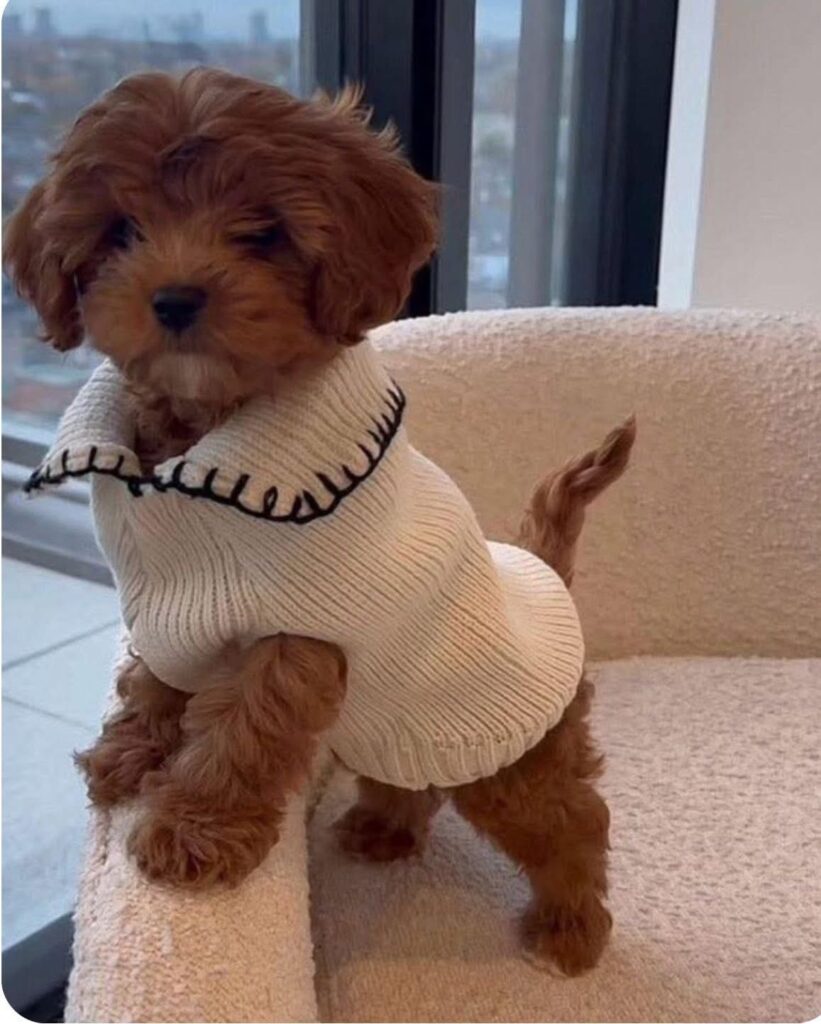
Aug
Halloween is a fun opportunity to include your dog in seasonal celebrations (Crafting Safe and Creative Homemade Dog Costumes). For many families, creating a homemade dog costume can be more affordable and personal than buying a ready-made outfit.
A DIY costume can turn your Cavapoo into a pumpkin, superhero, bee, ghost, or another fun character. However, the cutest costume is never more important than your dog’s safety.
Before reaching for scissors, fabric, ribbons, or decorations, think about comfort, movement, visibility, and supervision. A costume should allow your dog to walk, breathe, see, hear, bark, sit, lie down, and behave normally.
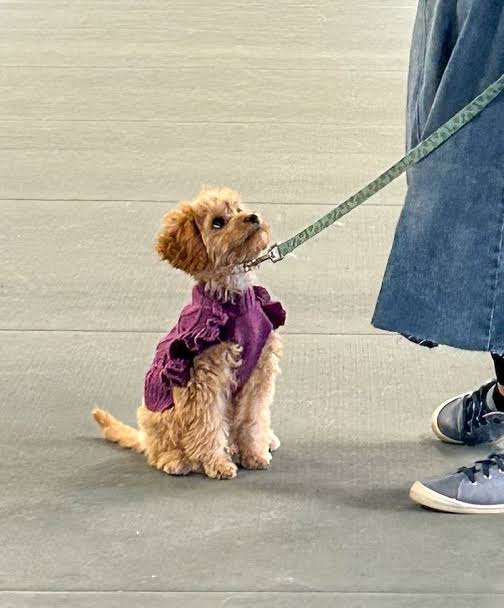
The American Kennel Club recommends avoiding costumes that restrict movement or breathing or contain pieces that could become choking hazards.
This guide explains how to make a DIY dog costume that is simple, comfortable, and safer for your four-legged companion.
What Makes a Safe Homemade Dog Costume?
The first rule of making a dog costume is simple:
Your dog should be comfortable wearing it.
A costume that looks adorable but makes your dog frightened, uncomfortable, or unable to move freely is not a successful costume.
Before making your design, check these five areas.
1. Allow Full Movement
Your dog should be able to walk, run, sit, lie down, and turn around without the costume getting in the way.
Avoid tight clothing around the:
- Neck
- Chest
- Legs
- Waist
- Tail
Never use a costume that interferes with normal breathing.
This is especially important for small dogs such as Cavapoos, because oversized decorations or poorly fitted clothing can quickly become cumbersome.
2. Keep the Face Clear
Avoid covering your dog’s eyes, nose, or mouth.
Headpieces can also create additional risks if your dog tries to chew them or becomes distressed while wearing them. The ASPCA specifically recommends avoiding costumes that limit a pet’s movement, sight, or ability to breathe.
A simple body costume is usually safer than an elaborate outfit covering your dog’s head.
3. Avoid Small Decorations
Buttons, beads, sequins, plastic pieces, bells, ribbons, and similar decorations can become choking hazards.
If your dog can easily reach a decoration with their mouth, think carefully before attaching it.
Even securely attached pieces can eventually loosen when a dog scratches, chews, rolls, or plays.
For that reason, simple designs are often the best DIY dog costumes.
4. Avoid Loose or Dangling Parts
Long strings, loose ribbons, elastic bands, and hanging decorations can become caught on furniture or other objects.
They may also tempt your dog to chew on them.
The AKC recommends avoiding dangling pieces and other costume components that a dog could chew and swallow.
5. Choose Comfortable Materials
Use soft, lightweight materials that do not scratch your dog’s skin.
Avoid materials that:
- Rub against the skin
- Trap excessive heat
- Restrict movement
- Make your dog uncomfortable
- Shed small pieces
- Have sharp edges
When creating a homemade costume, inspect every seam and attachment point before your dog wears it.
How to Introduce Your Dog to a Costume: Crafting Safe and Creative Homemade Dog Costumes
Don’t wait until Halloween night to discover that your dog hates wearing costumes.
Introduce the outfit gradually.
Start by placing the costume near your dog and allowing them to investigate it.
Reward calm behavior with praise or a small treat.
Next, let your dog briefly sniff the material.
Then place part of the costume against their body without fastening it.
If your dog remains comfortable, try putting on the complete outfit for a very short period.
Positive reinforcement can help your dog associate the costume with something enjoyable. The AKC recommends introducing costumes gradually and using rewards to create a positive association.
Keep the first sessions short.
There is no reason to force your dog to wear an outfit if they clearly dislike it.
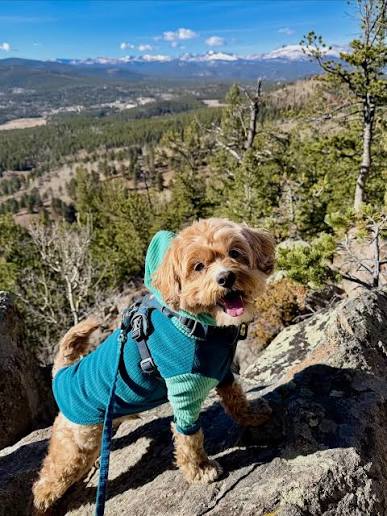
Signs Your Dog Does Not Like the Costume
Dogs communicate discomfort through body language.
Watch your dog carefully after putting on the costume.
Signs that your dog may be uncomfortable include:
- Trying to remove the costume
- Freezing or refusing to move
- Crouching
- Tucking the tail
- Pinning the ears back
- Excessive lip licking
- Yawning
- Hiding
- Trembling
- Excessive panting
- Repeated scratching at the costume
If your dog appears stressed, remove the costume.
The ASPCA recommends allowing pets to go without a costume when wearing one causes distress or abnormal behavior.
Remember, your dog does not need to wear a costume to participate in Halloween.
A festive collar, simple bandana, or themed leash may be a better option.
5 Easy Homemade Dog Costume Ideas
You don’t need professional sewing skills to create a fun Halloween outfit.
Here are several simple ideas that can be adapted for your dog.
1. DIY Superhero Cape
A small piece of soft fabric can become a simple superhero cape.
Instead of tying anything tightly around your dog’s neck, attach the cape to a properly fitted harness when possible.
Keep the cape lightweight and short enough that your dog cannot easily step on it.
Avoid long fabric that can become tangled around your dog’s legs.
Best for: Dogs who are comfortable wearing lightweight clothing.
2. Pumpkin Dog Costume
A pumpkin costume can be incredibly simple.
Use an appropriately sized orange shirt or lightweight dog-safe garment and add a small green accent to create the appearance of a pumpkin stem.
Avoid attaching loose ribbons or small decorations.
For a Cavapoo, a simple orange bandana can create the same seasonal effect without requiring a full costume.
Best for: Dogs who prefer simple outfits.
3. Bumblebee Costume
A yellow shirt combined with black fabric stripes can create a recognizable bee-inspired look.
If you add wings, attach them securely to a harness rather than placing uncomfortable material around your dog’s neck.
Keep the wings lightweight and make sure they do not interfere with walking.
Do not use wire or sharp materials where your dog could reach them.
Best for: Dogs who enjoy wearing lightweight clothing.
4. Ghost-Inspired Costume
A ghost design can be created with a lightweight white fabric or dog-safe garment.
However, avoid simply throwing a large sheet or pillowcase over your dog.
The material should never cover your dog’s face or interfere with their legs, vision, breathing, or movement.
A white bandana or lightweight white shirt can create a ghost-inspired appearance with fewer safety concerns.
Best for: Dogs who are comfortable wearing clothing.
5. Halloween Bandana
Sometimes the safest costume is barely a costume at all.
A festive Halloween bandana can provide a seasonal look without covering most of your dog’s body.
Choose one that fits appropriately and supervise your dog while wearing it.
The AKC notes that simple holiday accessories can be a good low-key alternative, although they still require supervision.
Best for: Dogs that dislike full costumes.
Homemade Dog Costume Safety Checklist
Before putting your DIY costume on your dog, inspect it carefully.
Ask yourself:
- Can my dog breathe normally?
- Can my dog see clearly?
- Can my dog hear normally?
- Can my dog walk comfortably?
- Can my dog sit and lie down?
- Is anything tight around the neck or chest?
- Are there small pieces my dog could chew?
- Are there loose strings or dangling decorations?
- Could anything become tangled?
- Is the material comfortable against the skin?
- Could my dog overheat?
- Can I remove the costume quickly if necessary?
If the answer to any safety question concerns you, simplify the design.
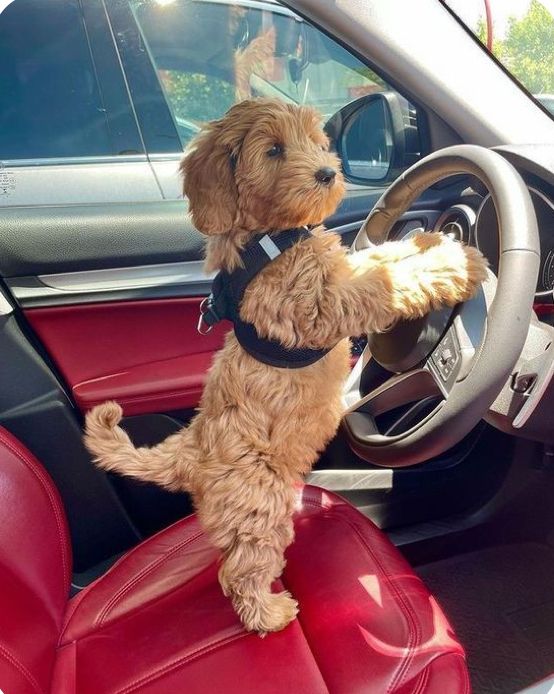
Never Leave Your Dog Unsupervised in a Costume
Even a costume that appears completely safe can become a problem when a dog is left alone.
Your dog may chew the fabric.
A decoration may become loose.
The costume may become caught on furniture.
Your dog may become overheated or distressed.
For these reasons, always supervise your dog while they are wearing a homemade costume. Both the AKC and ASPCA emphasize supervision when pets are dressed in costumes.
If you need to leave the room, remove the costume.
Be Careful With Halloween Lights and Glow Sticks
Adding lights can make your dog’s costume more visible during evening activities.
However, be careful about attaching anything your dog can chew.
Glow sticks and glow jewelry can be particularly tempting to pets. If a dog punctures one, the contents can cause irritation and excessive drooling.
If you want additional visibility, a properly fitted reflective collar, harness, or leash can be a simpler option.
Keep Costumes Away From Candles and Flames
Halloween decorations often include candles, jack-o’-lanterns, and other sources of heat.
A wagging tail or curious nose can accidentally knock over a candle.
Keep open flames completely out of your dog’s reach.
Battery-operated decorations should also be positioned where your dog cannot chew or swallow them.
The AKC and ASPCA both recommend keeping candles, wires, and potentially hazardous decorations away from pets.
For additional seasonal precautions, see our guide to fall dog safety tips.
Think About Your Dog’s Personality
Not every dog wants to participate in Halloween festivities.
Some dogs enjoy attention and may happily wear a costume for a few photographs.
Others become nervous when strangers approach them or when unfamiliar clothing is placed on their bodies.
Your dog’s personality should determine how much participation is appropriate.
A confident, social dog may enjoy a short photo session.
A nervous dog may be happier relaxing in a quiet room while the family celebrates.
There is no right or wrong choice.
The goal is a positive experience.
What If Your Dog Refuses to Wear a Costume?
Don’t force it.
If your dog repeatedly tries to remove the costume, freezes, hides, or becomes anxious, take it off.
You can still include your dog in the celebration without dressing them up.
Try:
- A festive bandana
- A Halloween-themed collar
- A seasonal leash
- A short outdoor photo session
- A Halloween-themed dog toy
- A special dog-safe treat
Your dog’s comfort matters more than getting the perfect Halloween photograph.
Keep Halloween Activities Short
Even dogs that tolerate costumes may not want to wear them for hours.
A short photo session may be enough.
Put the costume on, take a few photographs, reward your dog, and remove the costume.
If you are attending a Halloween gathering, give your dog opportunities to take breaks.
Watch their body language throughout the event.
If your dog becomes overwhelmed, move them somewhere quiet.
Don’t Forget Identification
Halloween can bring unusual sights, sounds, costumes, visitors, and open doors.
A frightened dog can sometimes bolt unexpectedly.
If you take your dog outside after dark, make sure they have appropriate identification and remain securely leashed. The ASPCA recommends proper identification, secure leashing, and reflective equipment when pets are outside during Halloween activities.
Before Halloween, check that your dog’s identification information is current.
For more information about responsible puppy ownership, you can also explore our Cavapoo puppies for sale page.
Frequently Asked Questions About Homemade Dog Costumes
Can I Make My Own Dog Costume at Home?
Yes. Homemade dog costumes can be simple and inexpensive. A soft shirt, bandana, or lightweight fabric can often create a fun seasonal look.
The most important consideration is safety. The costume should not restrict movement, breathing, or vision and should not contain easily swallowed pieces.
What Materials Are Safe for Homemade Dog Costumes?
Choose soft, lightweight materials that are comfortable against your dog’s skin.
Avoid sharp components, loose strings, small decorations, and materials that your dog could easily chew apart.
If you are uncertain about a particular material or decoration, leave it out.
Can My Dog Sleep in a Costume?
No. A dog should not be left unattended in a costume, including while sleeping.
Remove the costume before your dog goes to sleep or whenever you cannot supervise them.
How Long Can My Dog Wear a Halloween Costume?
There is no universal time limit that works for every dog.
Keep costume sessions short and monitor your dog’s behavior.
Remove the costume immediately if your dog becomes uncomfortable, stressed, overheated, or restricted.
What Is the Safest Costume for a Dog?
A simple costume with minimal material is generally easier to manage.
For many dogs, a festive bandana or lightweight accessory may be preferable to a complicated full-body outfit.
The safest costume is one that your individual dog can comfortably wear while breathing, seeing, moving, and behaving normally.
Should Puppies Wear Halloween Costumes?
Puppies can wear costumes if they are comfortable with them, but they may need extra supervision.
Young puppies are naturally curious and may chew unfamiliar clothing or decorations.
Introduce any costume gradually and use positive reinforcement.
For puppies still developing confidence, socialization is also important. Our guide on puppy socialization can help you create positive experiences during your puppy’s early development.
Final Thoughts: Keep Halloween Fun and Safe
Making a homemade dog costume can be a fun family project and a great way to celebrate your dog’s personality.
But the best DIY dog costume is not necessarily the most elaborate one.
Keep it comfortable.
Keep it simple.
Avoid small or dangling pieces.
Protect your dog’s vision and breathing.
Supervise your dog whenever they are wearing the costume.
Most importantly, pay attention to what your dog is telling you.
If your Cavapoo loves dressing up, enjoy the photographs and the Halloween fun. If your dog would rather spend the evening without a costume, that’s perfectly fine too.
A happy dog does not need an elaborate outfit.
Sometimes a festive bandana, a safe Halloween toy, and a few extra cuddles are all your dog needs for a pawsitively perfect Halloween.
Helpful External Resources
For additional dog costume and Halloween safety guidance, consult:
- American Kennel Club — How to Make Halloween Costumes Fun and Safe for Your Dog
- American Kennel Club — How to Dress Up Your Dog Safely for Halloween
- ASPCA — Halloween Safety Tips
- ASPCA — Halloween Pet Hazards
Disclaimer
This article is provided for general educational purposes and does not replace veterinary advice. Every dog has different health, behavioral, and safety needs. If your dog shows signs of distress, injury, breathing difficulty, overheating, or illness, remove the costume and contact your veterinarian when appropriate.
Author: Angela Butterfield
Angela Butterfield is a seasoned writer, lifestyle blogger, and lifelong dog lover. At Atlantic Cavapoo Puppies, she shares practical guidance on puppy care, training, grooming, health, safety, and everyday life with dogs.
