
Cavapoo Care Guide
7 Common Cavapoo Misconceptions: Facts New Owners Should Know
Oct
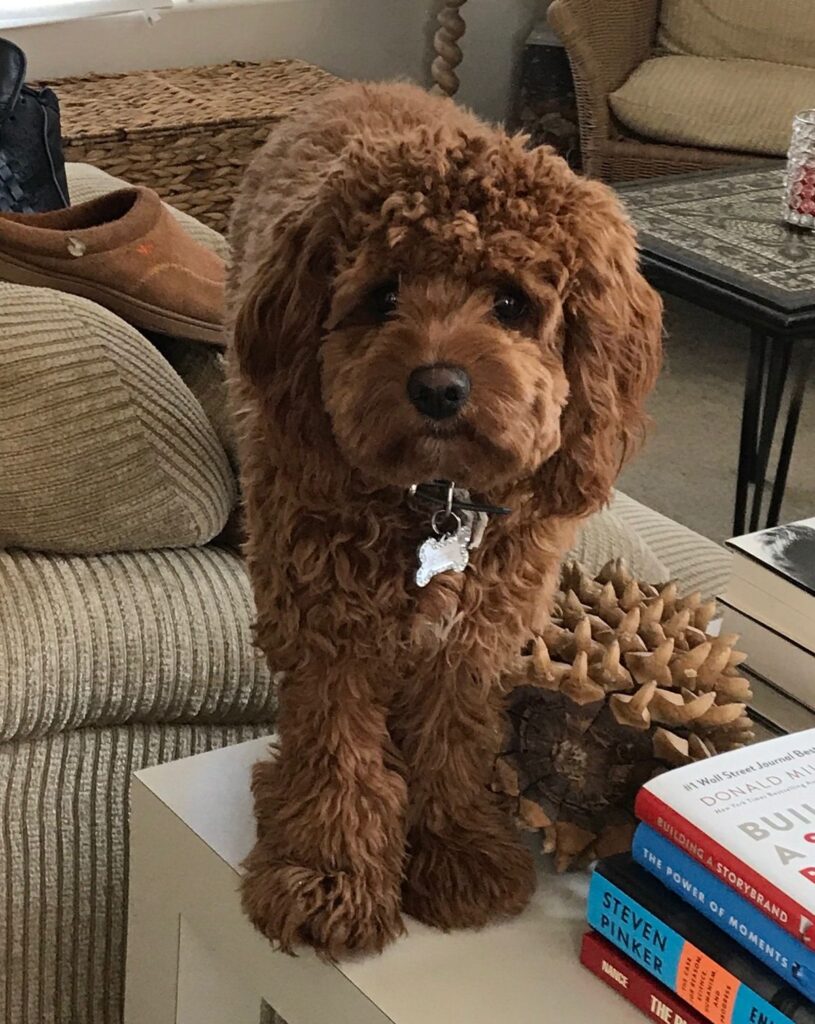
Cavapoos are popular companion dogs, but there are plenty of misconceptions about their intelligence, temperament, grooming needs, and suitability for different households. Some people assume every Cavapoo is naturally calm, while others believe that a small dog will automatically be easy to train or care for. Neither assumption tells the whole story.
A Cavapoo is a cross between a Cavalier King Charles Spaniel and a Poodle. These parent breeds contribute different characteristics, but each puppy is an individual. Genetics, early experiences, socialization, training, health, and daily care all influence how a Cavapoo develops.
If you are considering bringing one home, understanding the facts can help you make a more informed decision. Here are seven common Cavapoo misconceptions—and what prospective owners should know instead.
1. Cavapoos Are Not Intelligent
This is one of the more misleading assumptions about Cavapoos. Both Poodles and Cavalier King Charles Spaniels are known for their history as companion dogs, and Poodles are particularly recognized for their trainability. Cavapoos may inherit a combination of these traits, making many of them responsive to reward-based training and interactive games.
However, intelligence does not mean every puppy will learn at the same speed. One Cavapoo may quickly learn a new cue, while another may need more repetition, shorter training sessions, or a different reward.
Puppies also have limited attention spans. A young Cavapoo that wanders away during training is not necessarily stubborn or unintelligent. The puppy may be tired, distracted, overstimulated, or simply not ready for a long session.
To encourage learning, keep training positive and consistent. Reward desirable behavior, introduce one skill at a time, and practice in a quiet environment before adding distractions. Basic cues such as “come,” “sit,” and “leave it” can help build communication between you and your dog.
Mental enrichment matters, too. Food puzzles, sniffing games, age-appropriate play, and short training exercises provide opportunities to learn. Intelligence is best supported through patience and engagement—not expectations that a puppy should understand everything immediately.
2. Every Cavapoo Is Naturally Perfect With Children
Cavapoos are often considered for family homes because they can be affectionate and enjoy spending time with people. But it is a misconception that every Cavapoo will automatically be comfortable with children of all ages.
A puppy’s temperament depends on several factors, including inherited traits, early experiences, socialization, health, and how people treat the dog. Even a friendly dog can become frightened or uncomfortable if a child hugs too tightly, disturbs it while sleeping, takes away food, or handles it roughly.
Families should teach children how to interact respectfully with dogs. Encourage gentle petting, give the puppy space during meals and rest, and avoid chasing or cornering the dog. Adults should actively supervise interactions, particularly with toddlers and young children.
Cavapoos can be small, and rough handling may accidentally injure a puppy. Children should not be responsible for carrying a puppy around or managing its behavior without adult guidance.
Before choosing a puppy, consider your household’s schedule, noise level, and ability to provide supervision. Ask questions about the puppy’s observed behavior and early experiences, but remember that no description can guarantee how a dog will behave in every situation.
A well-prepared household gives a Cavapoo a better chance to become a comfortable, confident family companion.
3. Cavapoo Puppies Automatically Get Along With Other Pets
Some Cavapoos live successfully with other dogs or cats, but compatibility should never be assumed. A dog’s behavior around other animals can be influenced by socialization, past experiences, individual temperament, training, and the way introductions are managed.
If you already have pets, prepare a gradual introduction rather than expecting everyone to become friends immediately. Begin in a controlled setting, use barriers or leashes where appropriate, and reward calm behavior. Give each animal access to its own resting area, food, water, and toys.
Do not force interactions. A dog that moves away, freezes, hides, or repeatedly tries to avoid another animal may be communicating discomfort. Allowing space can prevent unnecessary stress and help build positive associations over time.
Cats need safe places where a puppy cannot follow them, such as elevated resting spots or a separate room. With two dogs, monitor play carefully and interrupt interactions if either dog appears overwhelmed.
Puppies are still learning how to communicate. They may jump, nip during play, or become overly excited without understanding that another animal wants to stop. Supervision and consistent training are important even when the first few meetings seem successful.
Socialization is not about making a Cavapoo meet every animal it encounters. It is about helping the puppy experience appropriate situations safely and learn to respond calmly. If serious fear or aggression appears, seek advice from a qualified reward-based trainer or veterinary behavior professional.
4. Cavapoos Are Always Calm and Easy to Manage
Cavapoos are often described as affectionate companion dogs, but that does not mean they will always be quiet, relaxed, or content to spend the day without attention.
A Cavapoo puppy needs opportunities for play, exploration, training, rest, and appropriate exercise. Without enough engagement, some puppies may bark, chew household items, jump on people, or struggle to settle. These behaviors do not automatically mean a dog has a bad temperament; they can indicate that its needs, training, or environment require attention.
Cavapoos may also become very attached to their people. Some find it difficult to be alone, especially if they have not gradually learned that short periods of separation are safe. Avoid assuming that a companion breed will instinctively tolerate long hours alone.
Start with a predictable routine. Provide suitable chew toys, short training sessions, sniffing opportunities, and age-appropriate play. Teach the puppy to relax independently by introducing brief, positive periods in a safe space and increasing the duration gradually.
Barking should be understood in context. A puppy may bark because it is excited, uncertain, seeking attention, or reacting to sounds. Identifying the trigger is more useful than simply punishing the noise.
Before choosing a Cavapoo, think honestly about the time you can devote to daily care. A dog that fits your lifestyle is more likely to settle successfully than one chosen solely because it is expected to be easy.
5. Cavapoos Are Hypoallergenic and Do Not Shed
This misconception deserves particular attention. Cavapoos may have wavy, curly, or straighter coats, and shedding can vary from one dog to another. Their Poodle heritage does not guarantee a completely non-shedding coat.
No dog should be advertised as guaranteed hypoallergenic. Allergic reactions can be triggered by proteins found in a dog’s dander, saliva, and urine, not just by loose hair. People with dog allergies may react differently to individual dogs.
Cavapoos also require regular coat maintenance. Depending on coat type and length, brushing may be needed frequently to reduce tangles and mats. Professional grooming may be necessary to maintain a manageable coat, and ears, nails, and teeth also need routine care.
If allergies are a concern, speak with an allergist before committing to a puppy. Spending time around a particular dog may provide useful information, but one brief visit cannot guarantee that symptoms will not develop later.
Prospective owners should also budget for grooming and preventive veterinary care. A lower-shedding coat, where present, does not mean a maintenance-free dog.
The best approach is to choose a Cavapoo based on a realistic understanding of its individual coat, grooming requirements, and your household’s needs—not on a promise that it will never shed or trigger allergies.
6. Cavapoos Never Need Much Training Because They Are Small
A small dog still needs training, boundaries, and socialization. In fact, assuming that a little dog does not need the same guidance as a larger dog can allow unwanted habits to develop.
Cavapoo puppies need to learn where to go to the bathroom, how to walk on a leash, how to greet people calmly, and how to respond to basic cues. They also need to become comfortable with routine handling, grooming, household sounds, car travel, and appropriate veterinary care.
House-training requires consistency. Take the puppy outside regularly, particularly after waking, eating, drinking, and playing. Reward success promptly, supervise closely indoors, and clean accidents thoroughly. Punishing accidents after they happen can create confusion and fear rather than teaching the desired behavior.
Use reward-based methods to teach everyday manners. If your puppy jumps up, reward calm greetings. If it chews an inappropriate object, redirect it to a suitable toy. If it struggles with grooming, introduce brushing and handling gradually, using rewards and short sessions.
Puppy socialization is also important. Introduce new people, sounds, surfaces, and experiences in ways that are safe and appropriate for the puppy’s age and vaccination status. Avoid overwhelming the dog or exposing it to unnecessary health risks.
Good training is not about controlling every movement. It helps a Cavapoo understand what is expected, navigate everyday life more confidently, and build a positive relationship with its family.
7. Cavapoo Puppies Are Difficult to Find—or Every Available Puppy Is the Same
Cavapoos are a recognizable companion-dog cross, but finding a suitable puppy is about much more than locating an advertisement. Availability changes, and puppies can differ in coat, size, energy level, and temperament—even within the same litter.
Adult size cannot be predicted with complete precision from a label such as “toy” or “mini.” A puppy’s eventual size depends on factors including the size and genetics of its parents. Coat texture, shedding, and behavior can also vary.
When comparing puppies, focus on responsible placement and clear communication. Ask who is caring for the puppy, what veterinary care has been provided, what records are available, how the puppy has been socialized, and what support is offered after placement. Request relevant records and read any written agreement before paying.
Be cautious of pressure to send money immediately, vague answers, inconsistent information, or refusal to provide reasonable evidence that a puppy exists. Confirm the seller’s identity and terms, and use payment methods with appropriate safeguards. Never rely on attractive photos alone.
If you search for Cavapoo Puppies For Sale Near Me, remember that a nearby listing is not automatically the safest choice. If you are looking farther away, such as through searches for Cavapoo Puppies For Sale In Tennessee, Cavapoo Puppies For Sale In Ohio, or Cavapoo Puppies For Sale In Florida, apply the same checks to the seller, puppy information, veterinary records, and delivery arrangements.
You can begin by reviewing the available puppies and learning about the placement process before deciding whether a particular puppy is a good fit for your home.
What Should You Consider Before Bringing Home a Cavapoo?
Looking beyond common misconceptions helps you prepare for the real responsibilities of dog ownership. Before making a decision, consider the following questions:
- Time: Can you provide daily companionship, training, play, and supervision?
- Grooming: Are you prepared for brushing and regular coat maintenance?
- Budget: Can you afford food, veterinary care, grooming, supplies, and unexpected expenses?
- Household fit: Can everyone in the home respect the puppy’s boundaries and care needs?
- Long-term commitment: Are you ready to care for a dog through adulthood and into its senior years?
- Responsible placement: Can you verify the seller’s information, review available records, and understand the written terms before committing?
A responsible decision is not about finding a puppy with a perfect personality or a guarantee that it will never have a problem. It is about choosing carefully, preparing your home, and being willing to meet the dog’s needs as it grows.
Frequently Asked Questions About Cavapoo Misconceptions
Are Cavapoos intelligent dogs?
Many Cavapoos are responsive to training, particularly when learning is consistent and reward-based. However, intelligence, attention, and learning speed vary between individual puppies.
Are Cavapoos good family dogs?
A Cavapoo may suit a family that can provide supervision, training, gentle handling, and appropriate care. Compatibility depends on the individual dog and household, so no breed mix should be considered automatically suitable for every family.
Can Cavapoos live with cats and other dogs?
Yes, some do, but success depends on individual temperament, gradual introductions, supervision, and the needs of the animals already in the home. Positive outcomes should not be assumed or forced.
Do Cavapoos shed?
Shedding varies. Some Cavapoos may shed less than other dogs, but a completely non-shedding coat is not guaranteed. Coat care and regular grooming remain important.
Are Cavapoos hypoallergenic?
No dog can be guaranteed hypoallergenic. People with allergies should consult an allergist and consider their own reactions before bringing a dog home.
Are Cavapoos easy to train?
Many respond well to positive reinforcement, but house-training, socialization, leash skills, and everyday manners still require patience and consistency.
How can I choose a Cavapoo puppy responsibly?
Ask questions about the puppy’s care, veterinary history, socialization, parent information where available, and written placement terms. Review relevant records, verify the seller, and avoid high-pressure decisions.
Final Thoughts
Cavapoos can be affectionate, engaging companions, but responsible ownership begins with realistic expectations. They are not guaranteed to be perfectly calm, allergy-friendly, child-friendly, or easy to train simply because of their breed mix. Each puppy needs individual care, appropriate socialization, positive training, grooming, and veterinary attention.
By looking past common misconceptions and asking informed questions, you can make a more thoughtful decision about whether a Cavapoo suits your lifestyle. Take time to understand the puppy in front of you, prepare for its needs, and choose a placement process that values transparency and the dog’s well-being.
Continue Learning About Cavapoos
Explore these resources to learn more about Cavapoo care and responsible puppy ownership:
- Available Cavapoo Puppies
- Cavapoo Breed Guide
- Cavapoo Care Guide
- Cavapoo Buying Guide
- Cavapoo Puppies by State
- How to Train a Cavapoo Puppy
- Puppy Buying Checklist
- Questions to Ask Before Buying a Cavapoo Puppy
- Health Guarantee
- Shipping & Delivery
- Adoption Process
- Frequently Asked Questions
