
Uncategorized
Cavapoo Exercise: Safe Activities for Puppies and Adult Dogs
Oct
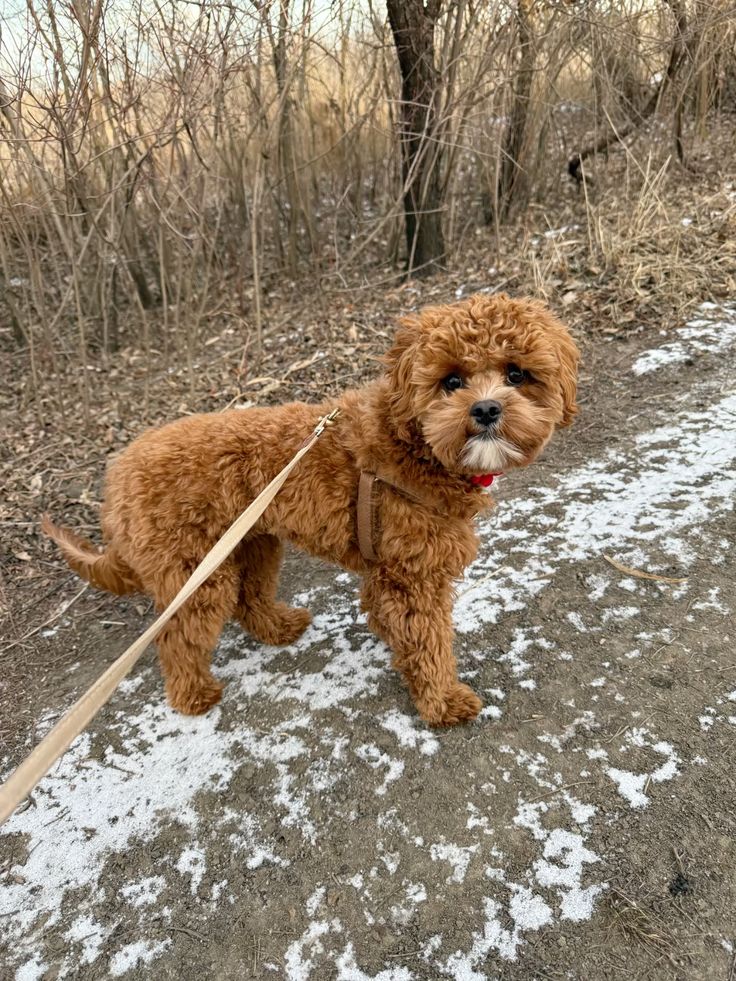
Cavapoos are often affectionate, playful companion dogs that enjoy spending time with their families. A cross between a Cavalier King Charles Spaniel and a Poodle, a Cavapoo may inherit a combination of the parent breeds’ energy, intelligence, and enthusiasm for interaction (Cavapoo Exercise). However, exercise needs vary from one dog to another, and a young puppy requires a different routine from a healthy adult.
Regular, appropriate activity helps dogs maintain fitness, manage their weight, explore their surroundings, and enjoy positive interactions with their owners. Exercise is not limited to long walks, either. Short training sessions, supervised games, sniffing opportunities, and indoor enrichment can all contribute to a Cavapoo’s daily routine.
If you are preparing to welcome a puppy, understanding how to balance exercise, mental stimulation, and rest can help you establish healthy habits from the beginning.
1. Exercise Helps Cavapoos Maintain Fitness
Walking, playing, and moving around give dogs opportunities to use their muscles and develop physical coordination. Regular activity can help maintain muscle condition and support mobility as a dog grows and ages.
For Cavapoo puppies, the emphasis should be on gentle, age-appropriate movement rather than strenuous workouts. Young dogs are still developing, so avoid forcing them to run long distances, repeatedly jump from heights, or continue exercising when they are tired.
Short walks, supervised play on suitable surfaces, and gentle exploration can provide useful activity without pushing a puppy beyond its abilities. As your Cavapoo matures, you can adjust the routine to match its health, fitness, and individual energy level.
Exercise should never be treated as a way to guarantee that a dog will avoid arthritis or other health problems. Genetics, body condition, injuries, and other factors can influence joint health. If your puppy limps, appears uncomfortable, or is reluctant to move, stop the activity and consult your veterinarian.
2. Regular Activity Supports Overall Well-Being
Exercise is one part of caring for a healthy dog. A balanced routine also includes nutritious food, appropriate sleep, preventive veterinary care, grooming, and positive social interaction.
Physical activity provides opportunities for your Cavapoo to explore its surroundings and interact with you. A walk allows your dog to experience different scents and environments, while supervised play encourages movement and engagement.
However, exercise does not make a dog immune to infections or replace vaccinations and other preventive care. Keep your Cavapoo’s veterinary appointments up to date and follow professional advice about vaccinations, parasite prevention, and safe outdoor activities.
Pay attention to how your dog responds to different forms of exercise. Some Cavapoos may enjoy exploring outdoors, while others may prefer shorter walks combined with indoor games. Adjust the routine when weather conditions, health, or age make certain activities unsuitable.
The goal is to establish a sustainable routine that supports your dog’s overall well-being rather than trying to make every activity intense.
3. Exercise Can Help Maintain a Healthy Weight
Maintaining an appropriate weight is important for a Cavapoo’s long-term health. Carrying excess weight can place additional strain on joints and make physical activity more difficult.
A balanced diet and regular movement work together to help maintain body condition. Choose food suitable for your dog’s age and nutritional needs, measure meals, and account for treats used during training.
Do not assume that a small dog needs no exercise or that every Cavapoo has the same calorie requirements. Adult size, age, metabolism, activity level, and health can all affect nutritional needs.
Ask your veterinarian to assess your dog’s weight and body condition during routine visits. If your Cavapoo needs to lose weight, seek a gradual, veterinarian-guided plan rather than dramatically reducing food or suddenly increasing exercise.
For puppies, healthy growth is more important than trying to keep them unusually small or lean. Provide appropriate nutrition and activity, and allow your veterinarian to monitor development.
4. Mental Stimulation Is Just as Valuable as Physical Activity
Cavapoos may inherit the Poodle’s interest in learning and the Cavalier King Charles Spaniel’s companionable nature. Many enjoy activities that allow them to engage with their owners, solve simple problems, and investigate new things.
Mental enrichment can be especially useful on days when weather or other circumstances limit outdoor activity. Try hiding a few pieces of your dog’s normal food for a supervised scent game, teaching a simple cue, or offering a suitable puzzle feeder.
You can also practise everyday skills such as coming when called in a secure setting, settling on a mat, or walking calmly on a leash. Keep sessions short and positive so your puppy has a chance to succeed.
Choose toys and puzzles appropriate for your dog’s age and chewing habits. Supervise new items and remove anything that becomes damaged or presents a swallowing risk.
Mental activities do not have to be complicated. A few minutes of focused interaction, followed by rest, can be a useful addition to your Cavapoo’s day.
5. Exercise and Play May Help With Boredom
Dogs need appropriate outlets for movement, exploration, and interaction. When their daily needs are not being met, some may become restless or develop unwanted behaviors. However, barking, chewing, digging, and difficulty settling can have several causes, including fear, separation-related distress, teething, insufficient sleep, or medical problems.
Exercise may help when a dog needs more suitable activity, but it is not a universal solution to every behavior concern.
Give your Cavapoo safe ways to play and explore. Offer appropriate chew toys, supervised games, and regular opportunities to toilet outdoors. Reward calm behavior and teach your puppy what it can chew or where it can play.
Puppies also need substantial rest. An overtired puppy may become more excitable, mouthy, or difficult to settle, so adding more exercise is not always the answer. Balance active periods with quiet time in a comfortable, safe resting area.
If a behavior is persistent, severe, or suddenly changes, consult your veterinarian or a qualified reward-based trainer to identify the underlying cause.
6. How Much Exercise Does a Cavapoo Need?
There is no single exercise target that suits every Cavapoo. The right routine depends on age, health, physical development, temperament, and fitness.
For young puppies: Focus on short, self-paced play, gentle exploration, and brief training sessions. Allow plenty of rest and avoid forced running, repetitive high-impact activities, or long hikes.
For adolescent Cavapoos: Gradually develop walking skills, recall, and confidence in different environments. Increase activity in response to your dog’s development and comfort rather than following a rigid distance target.
For adult Cavapoos: Many enjoy a combination of regular walks, play, training, and enrichment. Adjust the routine to your dog’s individual energy level and veterinary advice.
For older dogs: Continue suitable movement where possible, but adapt the length and intensity to mobility and health. Shorter, more frequent walks may be more comfortable for some senior dogs.
Observe your Cavapoo during and after activity. If it is struggling to keep up, repeatedly sitting down, limping, or showing signs of distress, stop and reassess. Seek veterinary advice if symptoms persist or appear concerning.
7. Safe Ways to Exercise Your Cavapoo
You do not need a large garden or elaborate equipment to give your dog worthwhile activity. Choose options that suit your surroundings and your Cavapoo’s developmental stage.
Gentle walks: Allow your dog to explore at a comfortable pace. Use a suitable leash and harness, and follow local leash rules.
Supervised play: A soft toy or a short game of fetch on safe, level ground can encourage movement. Keep sessions appropriate for your puppy’s age and ability.
Scent games: Let your Cavapoo sniff and investigate safe areas. You can also hide a few pieces of its normal food for a supervised search game.
Training sessions: Practise simple cues, leash manners, and settling calmly. Training provides mental engagement while building useful everyday skills.
Indoor enrichment: On rainy or very hot days, use suitable toys, food puzzles, and short training activities instead of exercising in uncomfortable conditions.
Exploration with supervision: Gradually introduce your puppy to suitable environments while keeping its safety, vaccination status, and confidence in mind.
Variety can make exercise more enjoyable, but avoid introducing several challenging activities at once. Give your Cavapoo time to become comfortable with each new experience.
8. Weather and Outdoor Safety Matter
Cavapoos can enjoy outdoor activities, but conditions should influence when and how you exercise them. Hot, humid weather can increase the risk of overheating, particularly during strenuous activity. Cold weather, wet ground, and rough terrain can also make some outings uncomfortable.
On warm days, choose cooler times when appropriate, bring water, provide shade, and avoid strenuous exercise in high heat. Be aware that pavement can become very hot under direct sunlight.
In cold or wet weather, consider your dog’s coat, size, age, and comfort. Dry your Cavapoo after wet outings and check its paws for irritation, debris, or injuries.
Never leave your dog in a parked vehicle in conditions that could become dangerous. If you notice heavy panting that does not settle, weakness, vomiting, confusion, or collapse after exercise, seek urgent veterinary assistance.
Follow local rules about trails, parks, wildlife, and leash use. If you are planning longer outdoor activities, build up gradually and confirm that the route is appropriate for your dog’s age and fitness.
9. Build a Consistent Daily Routine
A consistent schedule can help your Cavapoo understand when it is time to walk, play, eat, train, and rest. It also makes it easier for you to notice changes in energy or behavior.
A routine might include a morning toilet break, a short walk or supervised play, meals at regular times, brief training sessions, and quiet periods throughout the day. The exact schedule should fit your dog’s age and household.
Avoid treating this example as a strict exercise prescription. Puppies need more frequent toilet breaks and rest, while adult dogs may be comfortable with longer walks or different activity patterns.
If your household is busy, consider how your Cavapoo will receive suitable care during the day. Interactive toys can help provide enrichment, but they do not replace companionship, toilet breaks, or human supervision when needed.
Make gradual adjustments as your dog grows. A routine that suits a young puppy may need to change as it becomes an adolescent or adult.
10. Choosing a Cavapoo Means Planning for Lifelong Care
Exercise is only one part of responsible dog ownership. Before bringing home a Cavapoo, think about the time you can devote to training, grooming, feeding, veterinary appointments, and companionship.
If you are researching Cavapoo Puppies For Sale Near Me, look beyond the puppy’s appearance and the convenience of the location. Ask questions about the individual puppy, its current care, available health information, and the arrangements for bringing it home. Verify the seller’s identity and review the terms before paying.
You can also explore information for Cavapoo Puppies For Sale In Tennessee, Cavapoo Puppies For Sale In Ohio, and Cavapoo Puppies For Sale In Florida through Atlantic Cavapoo Puppies’ state resources. These pages can help you continue your research, but you should still verify the details of any individual puppy and the arrangements being offered.
Prepare your home before arrival, identify a veterinarian, choose appropriate food and equipment, and plan a realistic daily routine. Being ready for the ongoing responsibilities of dog ownership is more important than simply finding a puppy quickly.
Frequently Asked Questions About Cavapoo Exercise
Do Cavapoos need daily exercise?
Most Cavapoos benefit from regular, age-appropriate movement, play, and mental enrichment. The right amount depends on the individual dog’s age, health, and energy level.
Can I take my Cavapoo puppy on long walks?
Young puppies should not be pushed into long, strenuous walks or forced exercise. Start with short, self-paced activities and ask your veterinarian how to adjust exercise as your puppy grows.
Does exercise prevent obesity in Cavapoos?
Regular activity can help support a healthy weight, but diet and portion control matter too. Ask your veterinarian to assess your dog’s body condition and recommend an appropriate plan.
Does exercise prevent behavior problems?
Suitable exercise and enrichment may help reduce boredom-related behaviors, but they do not solve every behavioral issue. Anxiety, pain, teething, lack of sleep, and other factors can also contribute.
What can I do if the weather is too hot for a walk?
Use short indoor training sessions, supervised games, and appropriate food puzzles. Avoid strenuous outdoor activity during dangerous heat, and make fresh water available.
Are mental games useful for Cavapoos?
Yes. Scent games, simple training exercises, and suitable puzzle feeders can provide enrichment alongside physical activity.
When should I stop exercising my Cavapoo?
Stop if your dog appears distressed, struggles to keep up, limps, or shows unusual fatigue. Seek veterinary advice when symptoms are concerning or persistent.
Final Thoughts
Regular exercise can be an enjoyable part of life with a Cavapoo, but the goal is not to exhaust your dog. It is to provide appropriate movement, mental engagement, positive interaction, and sufficient rest.
Build your routine around your dog’s age, health, and individual needs. Combine suitable exercise with balanced nutrition, training, preventive veterinary care, and a safe home environment. These habits can help support your Cavapoo’s well-being throughout its life.
Continue Learning About Cavapoos
Explore these Atlantic Cavapoo Puppies resources to continue your research:
- Available Cavapoo Puppies
- Cavapoo Breed Guide
- Cavapoo Care Guide
- Cavapoo Buying Guide
- Cavapoo Puppies by State
- How to Train a Cavapoo Puppy
- Puppy Buying Checklist
- Questions to Ask Before Buying a Cavapoo Puppy
- Health Guarantee
- Shipping & Delivery
- Adoption Process
- Frequently Asked Questions
