
Cavapoo Breed Information, Cavapoo Care Guide, Full Grown Cavapoo Guide
Is Your Dog Judging You? Understanding Your Cavapoo’s Body Language
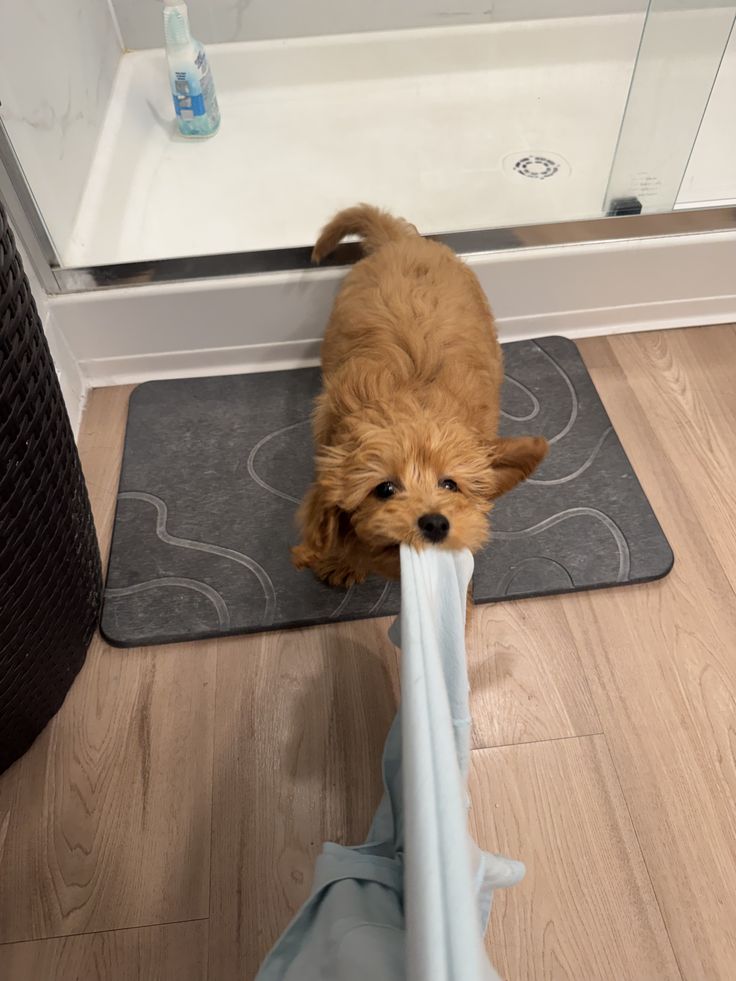
Aug
You open the refrigerator for a late-night snack (dog body language).
Across the room, your Cavapoo suddenly looks up.
They stare.
You reach for the cheese.
The stare becomes more intense.
You sit back down, and your dog lets out a dramatic sigh before looking away as though you’ve made a deeply questionable decision.
At some point, almost every dog parent has wondered:
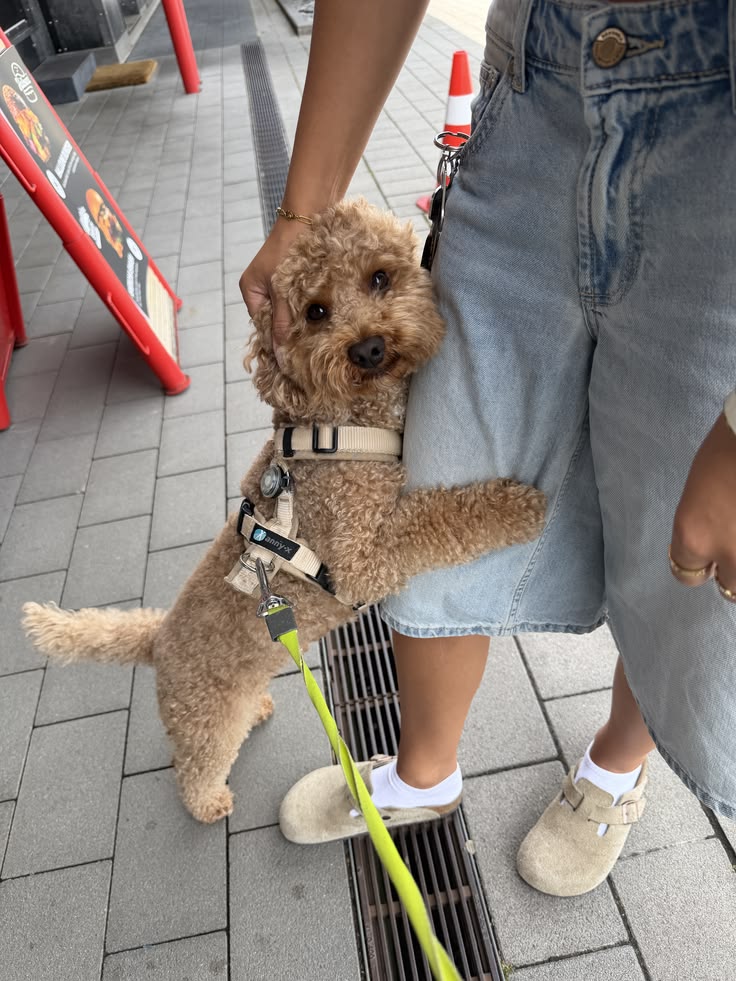
“Is my dog actually judging me?”
Cavapoos can be especially expressive. Their attentive eyes, curious head tilts, and people-focused personalities can make it seem like they are constantly evaluating everything we do.
But what looks like judgment is usually something much more interesting.
Your dog is communicating.
Dog Body Language:Why Dogs Seem Like They’re Judging Us
Dogs are incredibly observant animals.
They learn our routines, recognize familiar sounds, notice changes in our body language, and quickly connect certain actions with what happens next.
Your puppy may learn that:
- Picking up the leash means a walk is coming.
- Opening a particular cabinet means dinner is near.
- Putting on shoes could mean you’re leaving.
- Sitting on the couch means cuddle time.
- Opening the refrigerator could mean there is a potential snack opportunity.
That intense look isn’t necessarily criticism.
Your dog may simply be collecting information.
And when you live with a people-oriented breed like the Cavapoo, you may notice this behavior constantly because your dog naturally wants to stay involved with what you’re doing (dog body language).
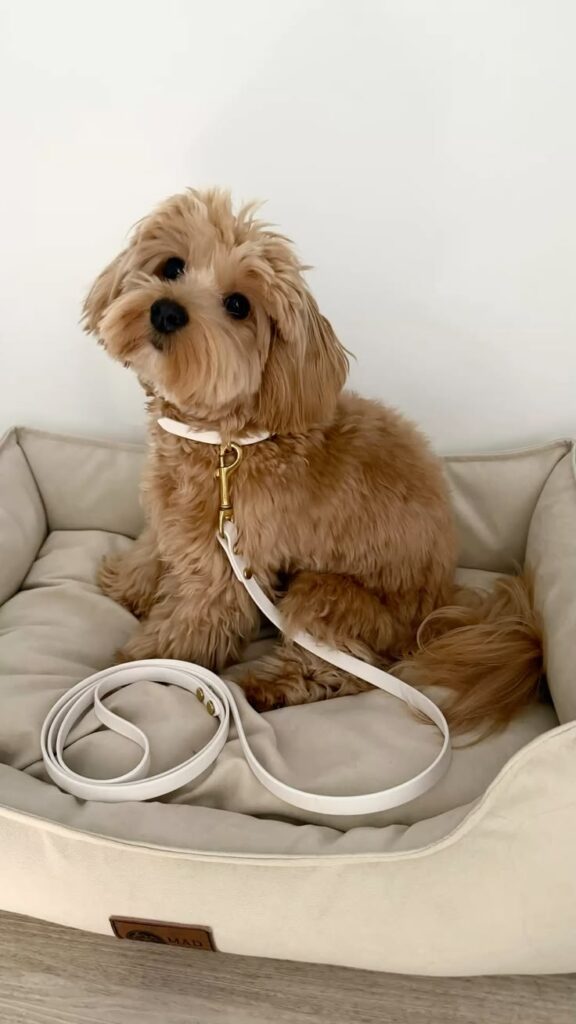
The Long, Intense Stare
Few things are more convincing than a dog staring directly into your soul while you eat.
You know the look.
You take one bite.
Your Cavapoo makes eye contact.
You take another bite.
The eyes somehow become larger.
But staring can have many meanings.
Dogs may stare at their owners because they are waiting for a cue, anticipating food, hoping for attention, watching what happens next, or simply enjoying being near their favorite person.
Pay attention to the rest of your dog’s body language.
A relaxed body, soft eyes, natural ears, and a loose tail generally communicate something very different from a tense posture, stiff body, tucked tail, or defensive expression (dog judging me).
The eyes are only one part of the conversation.
The Famous Head Tilt
The head tilt might be one of the most adorable things a puppy can do.
You say something unusual.
Your Cavapoo tilts their head.
You repeat yourself.
The head tilts even farther.
It certainly looks like they’re questioning your intelligence.
More likely, your dog is trying to process what they’re hearing.
Dogs can pay close attention to sounds, voices, and changes in tone (dog behavior). A head tilt may occur when they’re particularly interested in a sound or trying to determine what it means.
It can also happen because something has captured their attention.
So that adorable expression isn’t necessarily skepticism.
It’s curiosity.
And yes, you’re probably going to take a picture.
The Legendary Side-Eye
Ah, the side-eye.
Few canine expressions look more judgmental.
You’re eating pizza, and your dog glances at you from the corner of their eye.
You’re convinced they’re disappointed.
But side-eye is body language, and its meaning depends heavily on the situation.
A dog may look away or glance sideways because they are uncertain, cautious, uncomfortable, or simply monitoring something nearby (Cavapoo behavior).
Look at the complete picture.
Is your dog relaxed?
Are their muscles loose?
Are their ears in a natural position?
Is their tail relaxed?
Or does their body appear tense?
Learning to interpret several signals together is much more useful than assuming one facial expression has one universal meaning.
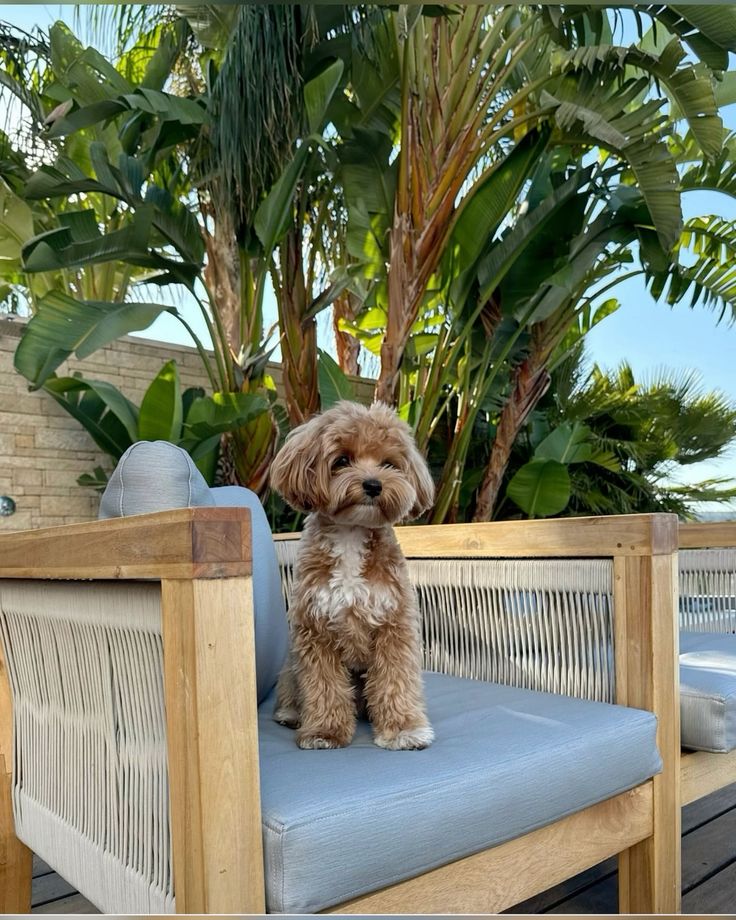
The Dramatic Sigh
Your dog flops down beside you.
Then comes the sigh.
A long, exaggerated:
“Haaaaaah.”
Surely they’re exhausted by your behavior.
Not necessarily.
Dogs can sigh when they’re relaxing, settling down, or changing positions. Sometimes a sigh can accompany boredom or mild frustration.
Context matters.
If your dog sighs before curling up comfortably for a nap, they may simply be getting comfortable.
If your dog repeatedly sighs while showing signs of discomfort, anxiety, pain, or unusual behavior, however, it’s worth paying closer attention and consulting your veterinarian if you’re concerned (Cavapoo body language).
Sometimes the dramatic sigh really is just a dramatic sigh.
Quiet Observation Mode
Dogs often enjoy simply sitting near their families and watching what happens.
Your Cavapoo may follow you from room to room.
They may sit nearby while you cook.
They may watch you fold laundry.
They may stare while you work.
They may even appear to be supervising your entire household.
This isn’t necessarily controlling behavior.
Dogs naturally learn through observation.
Over time, your puppy begins recognizing patterns.
They learn when meals happen.
They learn when walks happen.
They recognize the sound of their food container.
They know which shoes mean you’re leaving.
They may even learn that a certain phrase means you’re about to visit the veterinarian.
Your dog is constantly learning (dog body language).
Cavapoos Are Particularly Attentive Companions
Cavapoos are companion dogs with a strong tendency to form close relationships with their families.
Their Cavalier King Charles Spaniel and Poodle heritage contributes to a dog that is often attentive, social, and eager to interact with people.
That doesn’t mean every Cavapoo will have exactly the same personality.
Every puppy is an individual.
Some may be outgoing and adventurous.
Others may be quieter and more observant.
Some may follow you everywhere.
Others may happily spend part of the day relaxing nearby.
Understanding your individual puppy is more important than relying on breed stereotypes.
If you’re researching Cavapoos before bringing one home, our Cavapoo breed guide can help you learn more about their typical characteristics, care needs, and temperament (dog judging me).
Dogs Are Expert People-Watchers
Dogs have lived alongside humans for thousands of years.
During that relationship, they developed an impressive ability to pay attention to human behavior.
They notice gestures.
They notice voices.
They notice movement.
They notice routines.
They also learn which behaviors tend to produce certain outcomes.
Your dog may know that sitting beside you quietly is more likely to earn attention than jumping on you.
They may learn that bringing you a toy starts a game.
They may learn that sitting by the door means it’s time to go outside.
That ability to observe makes positive training particularly effective.
When you reward behaviors you want to see repeated, your dog begins connecting their actions with positive outcomes (dog behavior).
For more help with creating a strong foundation, our Bringing a New Puppy Home guide covers important steps for helping a puppy adjust to a new household.
How to Read Your Dog More Accurately
One of the best things you can do as a dog parent is learn basic canine body language.
Instead of interpreting one behavior by itself, consider several signals together.
Relaxed Dog
A comfortable dog may have:
- A loose body
- Relaxed facial muscles
- Natural ear position
- A relaxed tail
- Normal breathing
- An interest in interacting
Nervous or Uncomfortable Dog
A worried dog may show:
- Lip licking
- Yawning outside normal tiredness
- Turning away
- Tucked tail
- Lowered body posture
- Avoidance
- Pacing
- Excessive panting
These signals don’t automatically mean something is wrong. Context matters.
However, recognizing them can help you give your dog additional space when needed (Cavapoo behavior).
The American Veterinary Medical Association also provides educational resources for pet owners covering general dog care and responsible pet ownership.
Your Dog’s Body Language Builds Communication
Learning your dog’s signals can make your relationship much stronger.
When you recognize what makes your puppy excited, nervous, curious, relaxed, or uncomfortable, you can respond more appropriately.
That helps build trust.
It can also make training easier because you’re better able to recognize when your puppy is ready to learn and when they need a break.
For a young Cavapoo, this is especially useful during the first few months at home (Cavapoo body language).
Your puppy is learning about the world.
You’re learning about your puppy.
And both of you are figuring out how to communicate.
So… Is Your Dog Judging You?
Probably not.
At least, there’s no need to assume your Cavapoo is sitting across the room secretly reviewing your life choices.
They’re probably watching you because you’re important to them.
They’re learning your routines.
They’re anticipating what happens next.
They’re waiting to see whether that refrigerator contains something interesting.
And sometimes they’re simply wondering why you stopped petting them (dog body language).
But if your Cavapoo gives you an unmistakable side-eye while you’re eating a snack?
We can’t completely rule out judgment.
Especially if you didn’t share. 🐾
A Few More Cavapoo Resources
If you’re learning how to understand and care for your puppy, these guides can help (dog judging me):
- Cavapoo Puppies for Sale — Explore our Cavapoo puppies and learn more about bringing a new companion home.
- Cavapoo Breed Guide — Learn more about Cavapoo temperament, characteristics, and care.
- Bringing a New Puppy Home — Prepare your home and family for a new puppy.
- American Veterinary Medical Association Pet Care — Find veterinary information for responsible pet owners.
