
Cavapoo Care Guide
Cavapoo Appearance and Grooming: Coat, Colors and Care
Oct
Cavapoos are popular companion dogs known for their expressive eyes, soft-looking coats, and often affectionate personalities. Because they are a cross between a Cavalier King Charles Spaniel and a Poodle, their appearance can vary considerably. One Cavapoo may have loose waves and a longer muzzle, while another may have tighter curls or a different combination of facial features.
Cavapoo Appearance and Grooming
Understanding Cavapoo appearance and grooming needs can help prospective owners prepare for the care these dogs require. Coat texture, color, adult size, and shedding can vary, so it is important not to assume every puppy will grow into a particular look. Consistent grooming, dental care, nail trimming, and gentle handling help keep a Cavapoo comfortable throughout life.
What Does a Cavapoo Look Like?
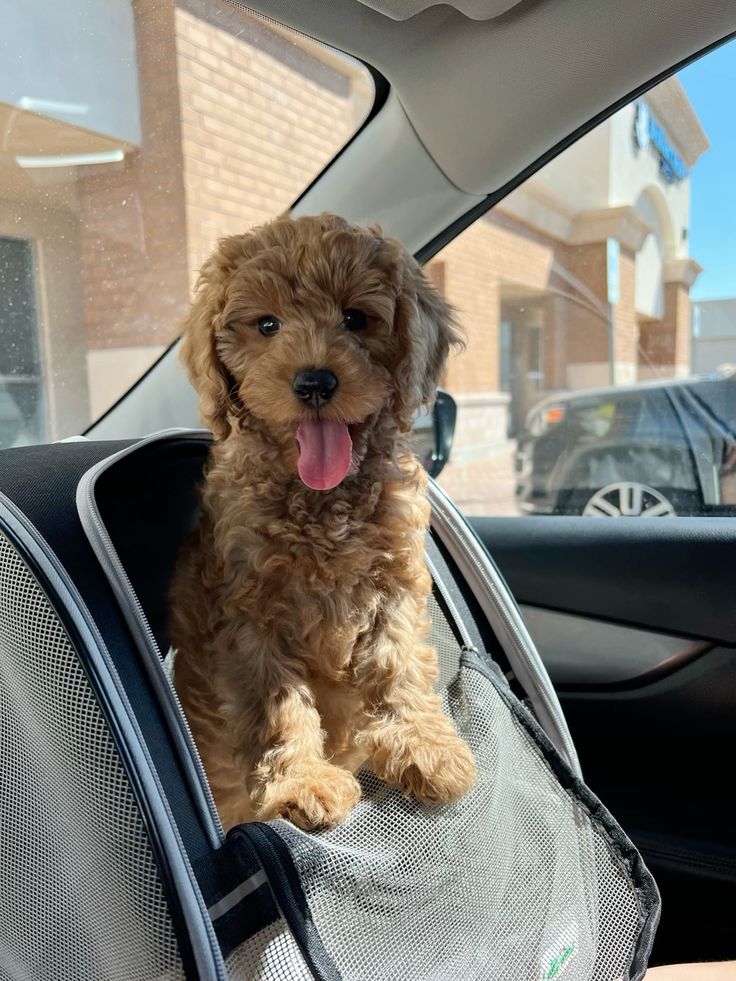
Cavapoos generally have a compact build, expressive eyes, and ears that often hang down. Their appearance reflects the characteristics inherited from their Cavalier King Charles Spaniel and Poodle parents. Some puppies resemble one parent more strongly, while others display a blend of both.
Their faces may have a rounded appearance, and their coats can range from relatively loose waves to tighter curls or straighter textures. The muzzle, ear length, body shape, and coat density may also differ between individual dogs.
A puppy’s appearance can change as it matures. The coat may become more textured, its color may lighten or change in intensity, and its adult proportions may differ from its puppy appearance. Photos of a young puppy therefore cannot guarantee exactly how the dog will look as an adult.
When choosing a Cavapoo, prioritize health, appropriate care, temperament, and a responsible source rather than selecting solely for a particular face shape or coat color.
Cavapoo Size and Body Shape
Cavapoos are commonly small to medium-sized dogs, but there is no single size that applies to every Cavapoo. Adult size is influenced by the size of the Poodle parent, the Cavalier parent, genetics, and other individual factors.
Some Cavapoos are relatively small, while others grow larger than prospective owners expect. A puppy’s current weight can provide some information, but it cannot guarantee an exact adult weight. Ask for reliable information about the parents and the puppy’s growth history when available.
If you live in an apartment or have limited space, think about the adult dog’s practical needs as well as its size. Every Cavapoo needs room to rest comfortably, regular walks, toilet breaks, play, training, and opportunities for mental enrichment.
A healthy body shape matters more than a particular number on the scale. Your veterinarian can help you assess your dog’s body condition, recommend an appropriate diet, and determine whether its growth is progressing as expected.
Cavapoo Coat Types: Wavy, Curly and Straighter Coats
Cavapoo coats can have several textures because the parent breeds have different coat characteristics. Most descriptions group them into three broad types, although real coats may fall somewhere between these categories.
Wavy coats
A wavy Cavapoo coat may have soft bends or loose waves. It can look fluffy and flowing, particularly when the hair is longer. Depending on its density and texture, it may still tangle around the ears, collar, legs, and areas where the dog moves frequently.
Regular brushing helps prevent knots from tightening into mats. Do not judge grooming requirements by appearance alone: some wavy coats need frequent maintenance even when they initially look smooth.
Curly coats
Some Cavapoos inherit tighter curls or a denser coat texture. Curls can trap loose hair within the coat, which may make shedding less noticeable in the home, but they can also tangle and mat if neglected.
These coats often need a consistent brushing routine and regular professional grooming. Keep the coat manageable rather than allowing it to grow so long that brushing becomes difficult or uncomfortable.
Straighter or looser coats
Other Cavapoos may have straighter or more open coats, sometimes resembling the coat of a Cavalier parent more closely. Such coats may be easier to brush in some cases, but they can still shed, tangle, and require maintenance.
No coat type is guaranteed to be low-maintenance. The most suitable routine depends on the individual dog’s coat, length, activities, and tolerance for grooming.
What Colors Can Cavapoos Have?
Cavapoos may appear in a variety of colors and combinations, including apricot, cream, red, black, white, brown, and mixed patterns. The available colors depend on the genetics of the parent dogs.
Some puppies have a fairly uniform color, while others have contrasting markings on the chest, face, paws, or body. A puppy’s coat color may also change as it grows. For example, a darker coat can become lighter or develop a different shade over time.
Although color can be part of the appeal, it should not be the main measure of a puppy’s suitability. Coat color does not establish that a dog is healthier, easier to train, or more affectionate. Responsible selection should focus on the puppy’s overall well-being, background, care, and the owner’s ability to meet its needs.
Do Cavapoos Shed?
Cavapoo shedding varies from dog to dog. Some shed relatively little, while others shed more noticeably, depending on coat type, genetics, season, health, and other factors.
A curly coat may retain loose hair until brushing or grooming removes it, so reduced visible shedding does not necessarily mean that no hair is being shed. A straighter or looser coat may release more hair around the home.
Cavapoos should not be described as universally non-shedding or guaranteed hypoallergenic. Allergic reactions can involve proteins found in a dog’s dander, saliva, and other sources, not simply the amount of hair the dog releases.
If allergies are a concern, consult a healthcare professional before bringing a dog home. Spending time around a particular dog may provide some information, but it cannot guarantee that allergic symptoms will not occur later.
A Practical Cavapoo Brushing Routine
Regular brushing helps keep the coat comfortable and makes it easier to spot tangles, debris, skin irritation, or small problems before they worsen.
The appropriate frequency depends on coat type and length. Many Cavapoos benefit from brushing several times each week, while longer or curlier coats may require more frequent attention. Ask a professional groomer to demonstrate a suitable technique for your dog’s coat.
Start with a calm environment and short sessions. Let your puppy investigate the brush, reward relaxed behavior, and gradually introduce brushing around the body, legs, ears, and tail. Avoid pulling sharply on knots, which can hurt the dog and make future grooming more stressful.
Pay particular attention to friction-prone areas, including behind the ears, under the collar or harness, beneath the legs, and around the tail. If a mat is tight against the skin, seek help from a qualified groomer rather than cutting it with scissors close to the body.
For additional coat-maintenance advice, see our Cavapoo Coat Care Guide.
Bathing and Professional Grooming
Cavapoos should be bathed when necessary, using a dog-appropriate shampoo and taking care to avoid getting products in the eyes and ears. Rinse thoroughly and dry the coat carefully. A damp, tangled coat can become uncomfortable, particularly when it is long or dense.
Professional grooming may include a bath, drying, brushing, trimming, and attention to areas that commonly tangle. The schedule will depend on how quickly the coat grows, how long you keep it, and how well it is maintained between appointments.
A shorter haircut can make day-to-day brushing easier, but it does not eliminate grooming needs. Discuss a practical style with a groomer and explain your dog’s activity level, coat texture, and how much maintenance you can manage at home.
Introduce puppies to grooming gradually. Gentle handling of the paws, ears, muzzle, and body can help them become more comfortable with future appointments. Use rewards and breaks rather than forcing a frightened puppy to endure a long session.
Our guide to Cavapoo Grooming Needs covers additional considerations for brushing, shedding, and routine coat maintenance.
Teeth, Ears, Eyes and Nails Need Attention Too
A healthy-looking coat is only one part of caring for a Cavapoo. Routine hygiene helps support comfort and gives owners a chance to notice changes that may need veterinary attention.
Dental care: Brushing your dog’s teeth regularly with a dog-specific toothbrush and toothpaste is an important way to help reduce plaque. Human toothpaste is not appropriate for dogs. Ask your veterinarian how often your Cavapoo needs dental checks and whether additional dental care is recommended.
Ear care: Cavapoos may have floppy ears that need regular observation. Check for redness, unpleasant odor, unusual discharge, or persistent scratching. Clean only as advised by your veterinarian, and do not insert cotton swabs deep into the ear canal. Contact your veterinarian if you suspect an infection.
Eye care: Look for unusual discharge, persistent redness, squinting, or rubbing. Gently wipe away minor debris around the eye with a clean, damp cloth when appropriate, but seek veterinary advice for irritation or changes in the eye itself.
Nail trimming: Nails that become too long can affect comfort and movement. Trim them gradually with suitable tools or ask a groomer or veterinary professional for help if you are unsure how to avoid the quick.
Paw and skin checks: After walks, check the paws for debris, irritation, or small injuries. During brushing, look for unusual lumps, skin redness, persistent itching, or areas of hair loss. A veterinarian should assess concerning or ongoing changes.
Helping a Cavapoo Become Comfortable With Grooming
A puppy that learns grooming is a calm, rewarding experience may find regular care easier as an adult. Begin with short sessions and introduce one activity at a time.
Allow your puppy to see and smell grooming tools before using them. Reward calm behavior, gently touch the paws and ears, and gradually build up to brushing. Keep sessions brief enough that the puppy can succeed, and stop if it becomes overwhelmed.
Do not use grooming as a punishment or force a puppy through a frightening experience. If your dog shows persistent fear, ask a qualified groomer or veterinarian about gradual, reward-based handling.
Consistency is more important than completing every grooming task in one session. A few calm minutes of practice can help establish a useful routine.
Choosing a Cavapoo Puppy
If you are researching Cavapoos, ask questions about the puppy’s background, care, and expected needs. Ask what information is available about the parents, how the puppy has been socialized, what food it currently eats, and what veterinary care has been provided. Request copies of records that actually exist, and do not rely on verbal promises when written information can reasonably be provided.
Be cautious of guarantees that a puppy will remain a specific size, have an exact adult coat, never shed, or be suitable for every person with allergies. Genetics and individual development mean that appearance and care requirements can change over time.
Before making a commitment, review the practical costs of food, routine veterinary visits, grooming, training, supplies, and unexpected care. Make sure your household has the time and resources to care for the dog throughout its life.
If you are looking for Cavapoo Puppies For Sale Near Me, start by reviewing the available information and asking clear questions rather than choosing only by photographs or price. You can browse Available Cavapoo Puppies and learn more through the Cavapoo Buying Guide.
Families searching for Cavapoo Puppies For Sale In Tennessee, Cavapoo Puppies For Sale In Ohio, or Cavapoo Puppies For Sale In Florida should also confirm current availability, the arrangements for getting the puppy home, and the documentation provided for the specific puppy. You can begin with the Cavapoo Puppies by State page.
Frequently Asked Questions
Do all Cavapoos have curly coats?
No. Cavapoo coats can be curly, wavy, straighter, or somewhere in between. Coat texture depends on genetics and may change as the puppy matures.
What is the best brush for a Cavapoo?
The right brush depends on the dog’s coat texture and length. A suitable slicker brush and a comb may be useful for many coats, but ask a groomer to demonstrate safe tools and technique for your individual dog.
How often should a Cavapoo be groomed?
There is no single schedule for every Cavapoo. Brushing frequency and professional grooming intervals depend on coat growth, texture, length, and the condition of the coat. Regular maintenance between appointments is important.
Are Cavapoos hypoallergenic?
No Cavapoo can be guaranteed hypoallergenic. Shedding and coat characteristics vary, and people can react to allergens from several sources associated with dogs.
Can a Cavapoo’s color change with age?
Yes. Some Cavapoos become lighter or develop different shades as they grow. Puppy photographs do not guarantee the exact adult coat color.
Is grooming only about appearance?
No. Grooming also helps prevent painful mats, supports hygiene, and provides an opportunity to notice changes in the skin, ears, eyes, paws, and nails.
Final Thoughts
Cavapoos can have a range of coat textures, colors, and physical features, so no single appearance defines every dog in this mix. Responsible owners focus on more than a puppy’s looks: regular brushing, appropriate bathing, dental care, nail trimming, and veterinary attention all contribute to everyday well-being.
Before choosing a Cavapoo, learn about its likely needs, ask for available background and care information, and prepare for grooming throughout its life. A realistic understanding of coat variation and ongoing maintenance will help you make a better-informed decision.
Continue Learning About Cavapoos
- Available Cavapoo Puppies
- Cavapoo Breed Guide
- Cavapoo Care Guide
- Cavapoo Buying Guide
- Cavapoo Puppies by State
- How to Train a Cavapoo Puppy
- Puppy Buying Checklist
- Questions to Ask Before Buying a Cavapoo Puppy
- Health Guarantee
- Shipping & Delivery
- Adoption Process
- Frequently Asked Questions
