
Cavapoo Care Guide
Best Dogs for Apartment Living: Size, Exercise and Care
Oct
Living in an apartment or condo does not automatically mean you need to choose the smallest dog available. Some large dogs can adapt well to apartment life, while some smaller dogs may be energetic, vocal, or demanding. The best match depends on a dog’s individual temperament, exercise requirements, training, and ability to settle comfortably in a shared living environment.
If you are researching the best dogs for apartment living, think beyond size. Consider your daily schedule, access to outdoor spaces, building rules, noise restrictions, grooming commitments, and the time you can devote to training and companionship.
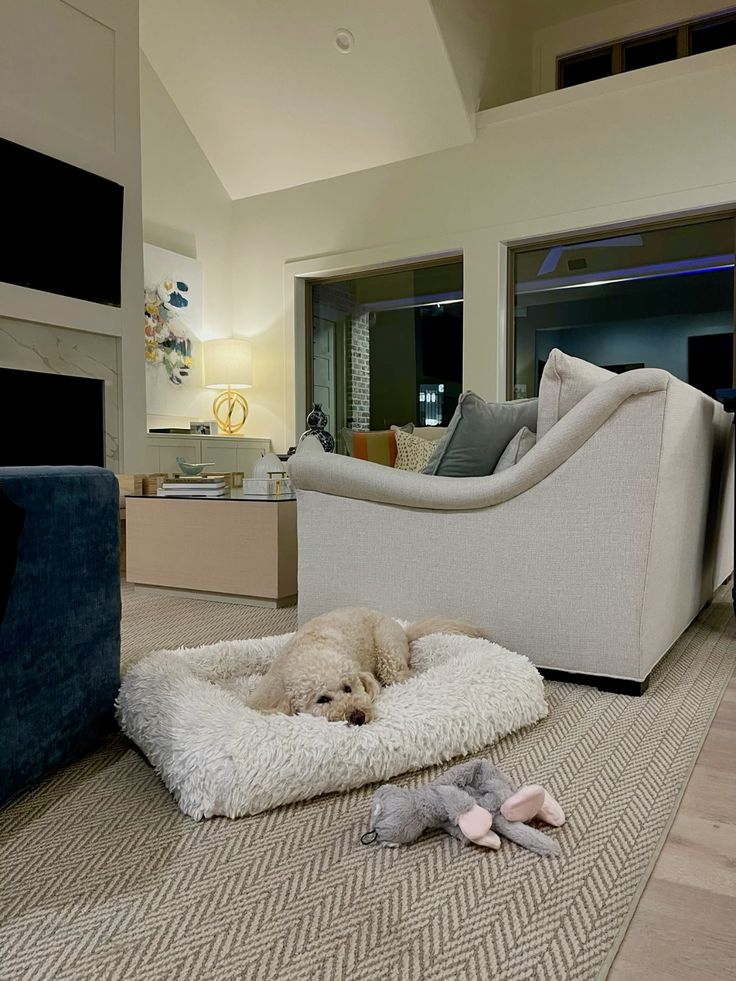
Cavapoos may also be worth considering for people seeking a companion dog for apartment life. This Cavalier King Charles Spaniel and Poodle mix is often small to medium in size, although adult size, coat, energy level, and temperament can vary. No breed or mix is automatically suitable for every apartment, so it is important to understand the individual dog’s needs before making a commitment.
What Makes a Dog Suitable for Apartment Living?
A suitable apartment dog is not necessarily one that needs very little activity. Rather, it is a dog whose physical, mental, and social needs you can consistently meet in your available space.
Exercise needs are an important starting point. Dogs need regular opportunities to walk, explore, play, and relieve themselves. Some dogs are satisfied with moderate daily activity, while others need longer outings and more structured exercise. Puppies may need frequent toilet breaks and short, age-appropriate play sessions.
Noise and barking also matter. In an apartment building, persistent barking can affect neighbors and may violate building rules. Individual behavior, early training, separation-related distress, and the sounds a dog encounters can all influence vocalization. Do not assume a dog will be quiet simply because of its breed or size.
Training and time alone are equally important. Dogs need gradual practice being comfortable alone, appropriate enrichment, and a predictable routine. Puppies generally require more supervision and frequent breaks than adult dogs. If you work long hours away from home, plan for suitable support rather than expecting a young puppy to manage alone all day.
Finally, review your lease and building policies. Some properties restrict certain breeds or sizes, limit the number of pets, or require deposits and additional documentation. Check the rules before choosing a dog.
Five Large Dog Breeds That May Adapt to Apartment Life
Large dogs are sometimes overlooked by apartment residents, but a dog’s size alone does not determine whether it can live comfortably in a smaller home. These five breeds illustrate why lifestyle and individual needs matter. They are not guaranteed apartment matches, and each requires appropriate care, exercise, and enough room to move safely.
1. Great Dane
Great Danes are known for their impressive height and can be affectionate companions. Some adults have a relatively relaxed indoor manner, but their enormous size creates practical considerations in a small home.
A Great Dane needs enough room to stand, turn, stretch, and rest comfortably. Furniture placement, narrow hallways, elevators, and access to outdoor toilet areas should all be considered. Regular walks and suitable activity are still necessary, and puppies need careful, age-appropriate exercise while they grow.
Before choosing a Great Dane for an apartment, evaluate your building’s size restrictions, elevator access, local rules, and the cost of feeding and veterinary care. A calm temperament cannot compensate for a living environment that is physically impractical for the dog.
2. Basset Hound
Basset Hounds are recognizable by their long ears, short legs, and strong sense of smell. Many enjoy leisurely walks that allow them to investigate scents, making relaxed sniffing opportunities an important part of their daily routine.
However, a Basset Hound is not automatically an easy apartment dog. Some may bark, howl, or become vocal when bored or left alone. Their scent-driven nature can also make leash training important, especially around roads and other hazards. Their long ears and skin folds need appropriate care, and owners should discuss healthy weight and joint care with their veterinarian.
Apartment residents considering a Basset Hound should plan for daily walks, consistent training, enrichment, and a toilet routine that works for the building.
3. Standard Poodle
Standard Poodles are intelligent, athletic dogs that can thrive with owners who provide training, activity, and regular coat care. They are larger than Miniature and Toy Poodles, so prospective owners should make sure their apartment has enough usable space for a full-grown dog.
Poodles benefit from daily walks, play, training, and mental challenges. The exact amount of activity depends on age, health, and individual energy level. Puzzle toys, reward-based training, and scent games can provide useful enrichment alongside outdoor exercise.
Grooming is another significant consideration. A Poodle’s coat needs regular maintenance and professional grooming may be part of the household budget. Although Poodles may shed less visibly than some dogs, no dog is guaranteed to be hypoallergenic.
People who like the Poodle’s intelligence and coat characteristics sometimes also research Cavapoos. Because Cavapoos have Cavalier King Charles Spaniel and Poodle parentage, their coat texture, shedding, size, and temperament can differ from one puppy to another.
4. Greyhound
Greyhounds are famous for their speed, but their daily routine is not simply continuous running. Many adult Greyhounds enjoy resting indoors between walks and activity sessions. Their needs still vary, and they should have regular opportunities to exercise safely.
A Greyhound needs comfortable resting space, secure handling, and walks on a leash in areas where wildlife or traffic may be present. A securely fenced area may be appropriate for some dogs, but off-leash running is only suitable when the location and dog are genuinely safe for it. Their strong chase instinct can make open, unfenced spaces risky.
Apartment residents should also consider stairs, slippery flooring, temperature, and the dog’s comfort in elevators or busy shared spaces. Ask a veterinarian or qualified rescue organization about any individual dog’s health, exercise, and adjustment needs before adoption.
5. Irish Wolfhound
Irish Wolfhounds are very large dogs often described as gentle in manner. Their size, however, requires careful planning. Even a dog with a relaxed indoor temperament needs enough room to move, comfortable bedding, suitable daily walks, and access to appropriate veterinary care.
Stairs, narrow doorways, small elevators, and crowded corridors may be challenging. The building must accommodate the dog’s adult size, and the owner should be able to manage transport, grooming, feeding, and veterinary visits. Exercise needs also change with age and health, and growing puppies should not be pushed into strenuous activity.
An Irish Wolfhound may be a poor practical match for some apartments, even when the dog is calm. Evaluate the specific living space and the dog’s welfare rather than relying on general statements about the breed.
Could a Cavapoo Be a Good Apartment Companion?
If a very large dog would be difficult to accommodate, a Cavapoo may be another option to research. Cavapoos are a cross between a Cavalier King Charles Spaniel and a Poodle. Many are companion-oriented and enjoy spending time with their people, but their personalities and needs are not identical.
Their size can make everyday apartment logistics easier than they would be with a giant breed. However, adult size depends on parentage and genetics, and a smaller body does not eliminate the need for exercise, training, play, and companionship.
Cavapoos can benefit from daily walks, short training sessions, interactive play, and opportunities to investigate their surroundings. Puppies need frequent toilet breaks, careful supervision, and gradual exposure to ordinary household sounds, visitors, and shared building spaces. Some individuals may bark when excited or distressed, so positive training and a consistent routine are important.
Coat care is another factor. Cavapoo coats can be wavy, curly, or straighter, and grooming requirements vary. Regular brushing and periodic professional grooming may be necessary to help prevent mats. Do not choose a Cavapoo on the assumption that every dog will be non-shedding or allergy-safe.
If you are researching Cavapoo Puppies For Sale Near Me, look beyond distance and advertised price. Ask about the puppy’s age, daily care, known parent information, socialization, veterinary records that are actually available, the purchase agreement, and how the seller handles questions after placement. Be cautious of sellers who make absolute health, temperament, or hypoallergenic promises.
You can explore the available Cavapoo puppies and read the Cavapoo Breed Guide to learn more about the mix before deciding whether it suits your household.
Preparing Your Apartment Before Bringing Home a Puppy
A comfortable apartment begins with a safe, predictable environment. Set up a designated resting area, keep food and water accessible, and remove electrical cords, medications, cleaning products, small objects, and other hazards. Use gates or a puppy pen where appropriate to limit access to unsafe areas.
Plan the toilet routine before the puppy arrives. Puppies often need to go outside after waking, eating, drinking, and playing, as well as at other frequent intervals. If you live several floors up, identify the quickest safe route outdoors and consider how you will manage nighttime trips. Follow your veterinarian’s advice about reducing infectious-disease risks before your puppy is fully vaccinated.
Introduce apartment sounds gradually. Elevators, hallway footsteps, doors closing, neighbors, and delivery noises may be unfamiliar. Pair new experiences with calm encouragement and rewards rather than forcing the puppy into overwhelming situations.
Provide suitable toys and enrichment, but supervise their use and remove damaged items. Teach simple skills such as responding to their name, settling on a mat, walking on a leash, and being comfortable with gentle handling. Reward-based training helps build desirable behavior without frightening or hurting the puppy.
Finally, plan for absences. Teach the puppy to spend short periods comfortably in a safe space and increase time gradually. If your schedule requires longer absences than a puppy can reasonably manage, arrange for a trusted caregiver or suitable pet-care service.
For a more detailed room-by-room plan, read the Cavapoo Apartment Living Guide.
Finding a Cavapoo Puppy in Your State
Your location may affect delivery arrangements, local pet rules, and the practical process of bringing a puppy home. Before making a decision, ask the seller which arrangements are available for your specific location and confirm all details in writing.
Families researching Cavapoo Puppies For Sale In Tennessee should review the puppy’s information and discuss the practical arrangements for getting the puppy home. The same principle applies to people searching for Cavapoo Puppies For Sale In Ohio or Cavapoo Puppies For Sale In Florida. Availability and delivery options can change, so confirm the current details rather than assuming a puppy or service is available.
You can also browse the Cavapoo Puppies by State page to find the relevant location information. Before paying a deposit, read the Adoption Process and ask any questions you need answered about the puppy, payment, documentation, and pickup or delivery arrangements.
Questions to Ask Before Choosing an Apartment Dog
Before committing to any dog, ask yourself:
- Does my lease permit this dog, including its expected adult size?
- Can I provide daily exercise, toilet breaks, training, and companionship?
- How will I manage barking, visitors, and time alone?
- Is there a safe and practical outdoor toilet route?
- Can I afford food, routine veterinary care, grooming, training, and unexpected expenses?
- Have I considered the dog’s adult needs rather than only how small or cute it is as a puppy?
- Can the seller or rescue organization provide clear information about the dog’s background and care?
If you are considering a Cavapoo, review the Cavapoo Buying Guide and Frequently Asked Questions before moving forward. A responsible decision includes both choosing a puppy and preparing to care for it throughout its life.
Frequently Asked Questions
Are large dogs suitable for apartments?
Some large dogs adapt well to apartment life, but size, exercise needs, temperament, health, noise, and building restrictions all matter. A large dog needs enough room to move comfortably and an owner who can meet its daily needs.
Are small dogs always easier to keep in apartments?
No. Small dogs can be active, vocal, or uncomfortable when left alone. Apartment suitability depends on the individual dog’s behavior and needs, not just its size.
Is a Cavapoo a good dog for apartment living?
A Cavapoo may suit some apartment households because many are small to medium-sized companion dogs. However, individual size, barking, energy, grooming needs, and ability to settle vary. Training, exercise, companionship, and toilet access remain essential.
Do Cavapoos need a yard?
A yard can be convenient, but it does not replace walks, training, and enrichment. Some Cavapoos can live in apartments when their owners provide appropriate daily care and safe outdoor access.
Will a Cavapoo bark in an apartment?
Some Cavapoos bark in response to excitement, unfamiliar noises, visitors, or distress. Early training, gradual exposure to apartment sounds, enrichment, and a thoughtful routine may help, but quiet behavior cannot be guaranteed.
Are Cavapoos hypoallergenic?
No dog can be guaranteed hypoallergenic. Cavapoo coat and shedding characteristics vary, and people with allergies can react to allergens associated with a dog’s dander, saliva, or other sources. Anyone with significant allergies should seek appropriate medical advice before bringing a dog home.
Final Thoughts
The best dogs for apartment living are those whose needs fit the home and the owner’s lifestyle. A calm large dog may be comfortable in an apartment with enough room and suitable exercise, while a small dog may need substantial activity, training, and attention. Building rules, noise, toilet access, grooming, and time alone all deserve consideration.
Cavapoos may be worth researching if you want a companion dog that can fit into apartment life, but they are not a maintenance-free choice. Learn about their likely needs, ask practical questions, and choose based on the individual puppy rather than appearance or promises.
Continue Learning About Cavapoos
- Available Cavapoo Puppies
- Cavapoo Breed Guide
- Cavapoo Care Guide
- Cavapoo Buying Guide
- Cavapoo Puppies by State
- How to Train a Cavapoo Puppy
- Puppy Buying Checklist
- Questions to Ask Before Buying a Cavapoo Puppy
- Health Guarantee
- Shipping & Delivery
- Adoption Process
- Frequently Asked Questions
