
Grooming Guide, Cavapoo Care Guide, Full Grown Cavapoo Guide
A New Puppy for the New Year: What to Know Before Bringing Your Puppy Home
Aug
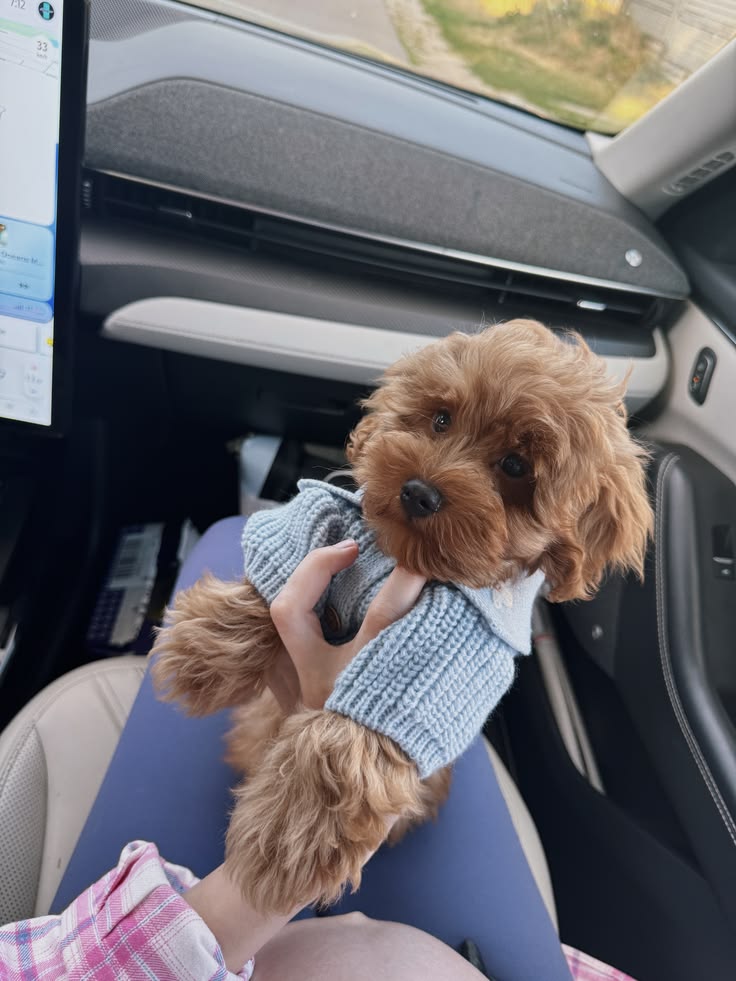
A new year can feel like the perfect opportunity for a fresh start. For many families, that fresh start includes welcoming a new puppy into the home (A New Puppy for the New Year).
Bringing home a puppy is exciting, but it is also a serious long-term commitment. Those tiny paws, puppy kisses, and playful personalities come with daily responsibilities.
Before you bring your new puppy home, it is important to prepare your schedule, home, supplies, and expectations.
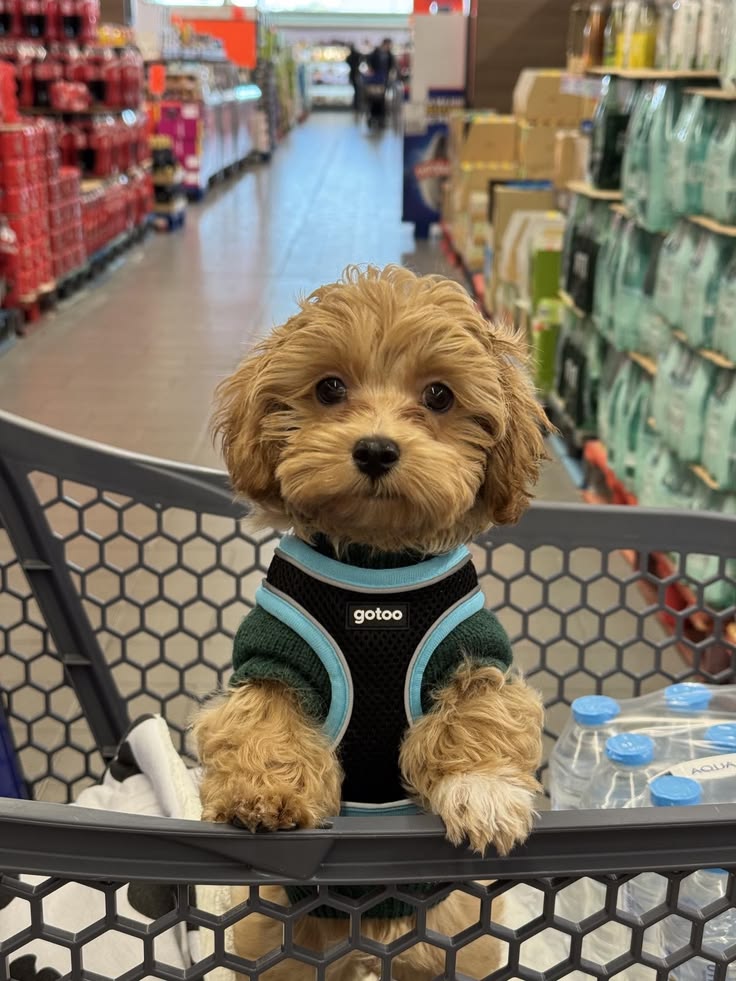
Whether you are considering a Cavapoo puppy or another breed, preparing ahead of time can make those first few weeks much easier for everyone.
Is a New Puppy Right for You?
Before choosing a puppy, think beyond the excitement of bringing one home.
Puppies need regular feeding, potty breaks, training, socialization, exercise, grooming, veterinary care, and companionship.
They also need patience.
Your puppy may have accidents inside the house, wake up during the night, chew things they should not chew, or struggle to understand your household rules.
These behaviors are normal parts of puppy development.
The important question is whether you have the time and commitment to guide your puppy through them.
Prepare Your Schedule
One of the biggest changes after bringing home a puppy is your daily routine.
Young puppies cannot be expected to follow the same schedule as an adult dog.
You may need to plan time for:
- Feeding
- Potty breaks
- Short training sessions
- Play
- Rest
- Socialization
- Grooming
- Veterinary appointments
- Bonding
- Supervised exploration
Puppies also sleep a lot. A good routine should include plenty of quiet rest between periods of play and learning.
If you work long hours or regularly spend extended periods away from home, consider how your puppy’s needs will be handled during those periods.
Planning this before your puppy arrives can prevent unnecessary stress.
Puppy-Proof Your Home
Your puppy will explore the world with their mouth.
That means almost anything within reach can become a potential chew toy.
Before your puppy arrives, look around your home from a puppy’s perspective.
Secure electrical cords and keep small objects, medications, cleaning products, and potentially dangerous foods out of reach.
You should also secure areas where your puppy could become trapped or injured.
Consider using baby gates, a puppy pen, or other safe barriers to control access to parts of the home.
A properly prepared environment gives your puppy a safe place to explore while reducing opportunities for unwanted behavior.
Gather Your Puppy Supplies
Having the essentials ready before your puppy arrives makes the transition much smoother.
Your puppy supply list can include:
- Food and water bowls
- Age-appropriate puppy food
- Comfortable bedding
- Collar
- Identification tag
- Harness and leash
- Puppy-safe toys
- Crate
- Training treats
- Grooming supplies
- Waste bags
- Puppy pads if appropriate for your training plan
- Cleaning supplies
- Appropriate chew toys
You do not need to purchase every puppy product available.
Start with the essentials and add items as you learn what your puppy actually enjoys and needs.

Make Bonding a Priority
The first few weeks are an important time for building your relationship with your puppy.
Your puppy is entering a completely new environment. They may have just left their mother and littermates and are now experiencing unfamiliar people, smells, sounds, rooms, and routines.
Give your puppy time to settle.
Spend quiet time together. Talk to your puppy. Play appropriately. Offer gentle affection and allow your puppy to rest when needed.
You will gradually learn your puppy’s personality.
You may discover that your puppy is adventurous, cautious, playful, cuddly, energetic, independent, or a combination of several traits.
That information will help you adjust your training and daily routine.
Start Training Early
Puppy training should begin from the moment your puppy comes home.
Training does not have to involve long sessions.
Young puppies learn best through short, positive interactions that are appropriate for their age and attention span.
Start with simple skills such as:
- Responding to their name
- Sitting
- Coming when called
- Walking calmly
- Settling down
- Appropriate chewing
- Handling and grooming
- Basic household manners
Reward behaviors you want your puppy to repeat.
Positive reinforcement can help make learning enjoyable while strengthening your relationship with your puppy.
Don’t Forget Potty Training
Potty training is one of the first major challenges for new puppy owners.
Young puppies have limited bladder control, so accidents can happen.
Establish a consistent routine and take your puppy to their designated potty area frequently, especially after waking, eating, drinking, playing, and sleeping.
When your puppy gets it right, provide immediate praise and an appropriate reward.
If an accident happens, avoid punishment.
Instead, clean the area thoroughly and focus on creating more opportunities for your puppy to succeed.
Consistency is more important than expecting perfection immediately.
Crate Training Can Help
A properly introduced crate can become a comfortable resting space for your puppy.
Crate training can also help with household management, travel, and potty training when used correctly.
The crate should never be used as punishment.
Instead, introduce it gradually and create positive associations with the space.
You can learn more about this process in our guide on crate training your dog.
Begin Safe Socialization
Socialization is another important part of raising a confident puppy.
A puppy should gradually experience different people, appropriate dogs, household sounds, surfaces, environments, and everyday situations.
However, socialization should be done safely.
Your veterinarian can help you determine which experiences are appropriate based on your puppy’s vaccination status and local disease risks.
Socialization does not mean forcing your puppy into every possible situation.
Instead, introduce new experiences gradually and allow your puppy to remain comfortable.
Reward calm behavior and give your puppy the opportunity to retreat when they become overwhelmed.
Schedule Your Puppy’s Veterinary Care
Your puppy should have a veterinary care plan.
Your veterinarian can evaluate your puppy’s general health and establish an appropriate schedule for vaccinations, parasite prevention, examinations, nutrition, and other preventive care.
Ask questions about:
- Vaccinations
- Parasite prevention
- Nutrition
- Dental care
- Spaying or neutering
- Microchipping
- Exercise
- Socialization
- Breed-specific health considerations
Keeping accurate veterinary records is also important throughout your dog’s life.
Learn About Your Puppy’s Breed
Every puppy is an individual, but breed characteristics can provide useful information about what you may experience.
If you are bringing home a Cavapoo, learn about both sides of the cross.
Cavapoos are a cross between a Cavalier King Charles Spaniel and a Poodle. They can be affectionate, intelligent, playful, and highly people-oriented.
Their coats can also require regular brushing and professional grooming.
Understanding these needs before your puppy arrives can help you prepare for the commitment.
Our Cavapoo Breed Guide provides additional information about the breed.
Establish Healthy Routines
Puppies thrive when their environment is predictable.
Try to establish consistent routines around feeding, potty breaks, training, play, grooming, and sleep.
A routine does not have to be rigid.
Instead, it should give your puppy a general understanding of what happens throughout the day.
Over time, your puppy can learn when it is time to play, rest, eat, train, or go outside.
Be Patient With the Adjustment Period
The first few days may not go exactly as planned.
Your puppy may cry at night. They may have accidents. They may chew your shoes. They may be nervous in their new environment.
Try not to become discouraged.
Your puppy is learning everything from scratch.
Instead of focusing on mistakes, focus on creating opportunities for good behavior.
Reward progress and remain consistent.
The habits you establish during puppyhood can influence your relationship for years to come.
Make the First Year About Learning Together
Getting a puppy is not simply about teaching the puppy how to behave.
You are also learning how to understand your dog.
You will discover their preferences, communication signals, energy level, favorite activities, and personality.
This process takes time.
Training, play, walks, grooming, and everyday routines all create opportunities to strengthen your bond.
Final Thoughts
A new puppy can be one of the most rewarding additions to your family.
However, responsible puppy ownership begins before your puppy arrives.
Prepare your home, organize your schedule, gather the essentials, establish a veterinary plan, and be ready to invest plenty of time into training and bonding.
If you are considering a Cavapoo puppy, take the time to learn about the breed and understand its needs before making your decision.
With preparation, patience, consistency, and plenty of love, those first challenging weeks can become the beginning of an incredible lifelong relationship.
Continue Learning About Cavapoos
If you are preparing to bring home a Cavapoo puppy, explore these helpful resources from Atlantic CavapooPuppies Home:
- Available Cavapoo Puppies
- Cavapoo Breed Guide
- Cavapoo Care Guide
- How to Train a Cavapoo Puppy
- Puppy Buying Checklist
- Questions to Ask Before Buying a Cavapoo Puppy
- Adoption Process
- Health Guarantee
- Shipping & Delivery
- Frequently Asked Questions
Trusted External Resources
For additional puppy-care guidance, these veterinary and animal-welfare resources are useful:
- American Veterinary Medical Association – Pet Ownership
- American Kennel Club – Puppy Training
- American Kennel Club – Puppy Socialization
- American Animal Hospital Association – Pet Owner Resources
- AVSAB – Puppy Socialization Position Statement
This article provides general educational information about preparing for a new puppy. Your veterinarian should provide individualized guidance regarding your puppy’s health, vaccination schedule, nutrition, and preventive care.
