Cavapoo Health & Wellness, Cavapoo Nutrition Guide
Healthy Dog Food: A Complete Guide to Choosing the Right Diet for Your Dog
Aug
Dog Health · Food and Treats
Choosing the right food is one of the most important parts of caring for a healthy dog. A nutritious diet supports healthy growth, strong muscles, energy, digestion, and overall well-being.
With so many dog food brands, formulas, ingredients, and feeding options available, choosing the right food can feel overwhelming. The good news is that you do not necessarily need the most expensive food. You need a food that is nutritionally appropriate for your dog’s age, size, activity level, and individual needs.
For puppies, nutrition is especially important. Growing puppies have different nutritional requirements than adult dogs. This is particularly important when bringing home a Cavapoo puppy, because their diet should support healthy development without providing excessive calories.
In this guide, we explain how to choose healthy dog food, how much to feed your dog, which foods to avoid, and when to speak with your veterinarian.

What Makes a Healthy Dog Food?
Dogs need a balanced combination of nutrients to maintain their health. These nutrients include proteins, fats, carbohydrates, vitamins, minerals, and water.
Protein supports muscles and other tissues. Fats provide concentrated energy and support healthy skin and coats. Carbohydrates can provide energy, while vitamins and minerals support numerous normal body functions.
One of the easiest ways to identify an appropriate commercial dog food is to look for a nutritional adequacy statement showing that the food is complete and balanced for the intended life stage.
The U.S. Food and Drug Administration explains that pet foods making nutritional adequacy claims are expected to meet established nutritional standards or follow appropriate feeding-test requirements.
FDA: Complete and Balanced Pet Food Information
When selecting food, check the packaging rather than choosing a product solely because of its marketing claims, price, or brand name.
Choose Food Based on Your Dog’s Life Stage
Dogs do not have identical nutritional requirements throughout their lives.
A growing puppy generally needs a diet formulated specifically for puppies. Puppy foods are designed to provide nutrients needed during growth and development.
Adult dogs generally require a diet designed for maintaining their body condition rather than supporting rapid growth.
Senior dogs may have different nutritional considerations depending on their age, activity level, body condition, and health.
This is especially important for small breeds and mixes such as Cavapoos. A puppy formula appropriate for a small or medium-sized growing dog may be more suitable than a generic adult formula.
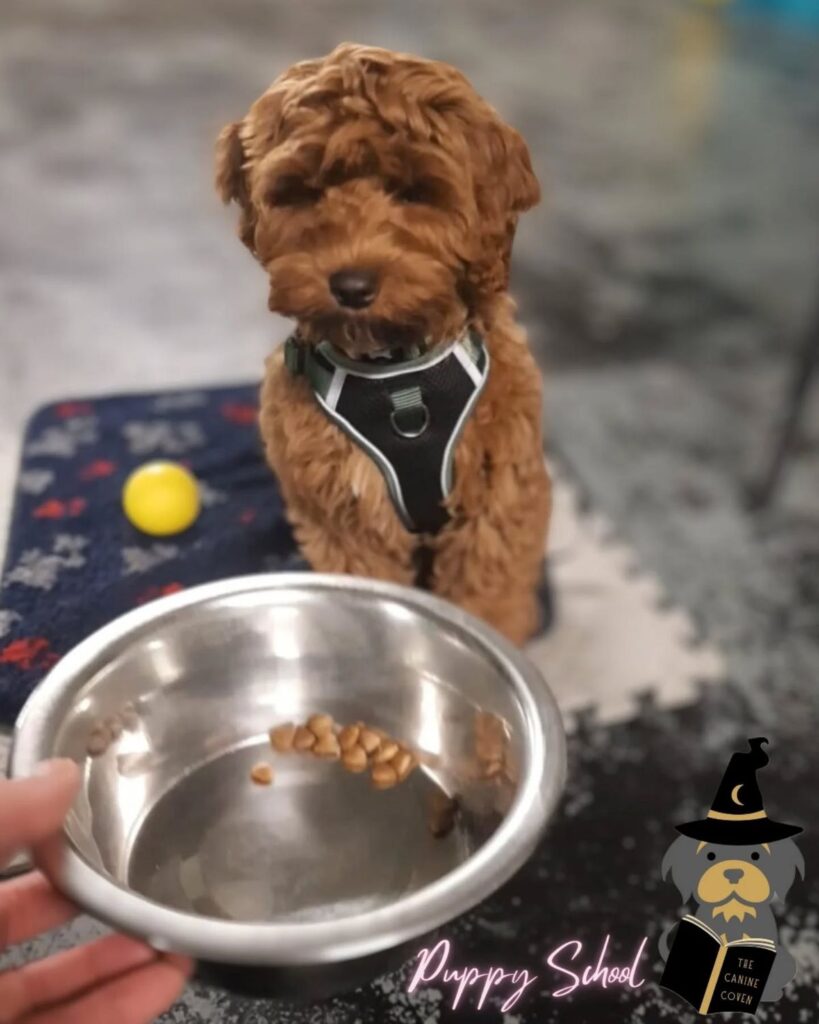
If you are bringing home a Cavapoo puppy, ask the breeder what food the puppy has been eating. Keeping the same food initially can make the transition easier. If you decide to change foods, make the transition gradually and discuss the change with your veterinarian.
Consider Your Dog’s Size, Weight, and Activity Level
Age is only one factor when selecting healthy dog food.
Your dog’s size, weight, activity level, and body condition also matter.
For example, an active dog may have different energy requirements than a dog that spends most of the day relaxing at home. Likewise, an overweight dog may need a diet and feeding plan designed to support healthy weight management.
Toy and small dogs may also benefit from appropriately sized kibble that is easier for their smaller mouths to pick up and chew.
Rather than guessing how much food your dog needs, discuss feeding amounts with your veterinarian. Feeding charts printed on food packages can provide a useful starting point, but individual dogs may require adjustments.
Your veterinarian can consider factors such as age, activity, body condition, and overall health when determining an appropriate feeding plan.
How Much Should You Feed Your Dog?
There is no single feeding amount that is correct for every dog.
Start by reviewing the feeding recommendations on your dog’s food packaging. Then consider your dog’s individual needs.
A veterinarian can help determine whether the recommended portion should be adjusted.
Pay attention to your dog’s body condition rather than relying only on the number on a scale. Two dogs can weigh the same but have different body compositions and nutritional needs.
Treats should also be included when considering your dog’s overall calorie intake.
If you frequently use treats during training, reduce meal portions appropriately when advised by your veterinarian. This can help prevent accidental overfeeding.
Healthy Dog Food Does Not Have to Be the Most Expensive
A common misconception is that the most expensive dog food must automatically be the healthiest.
Price alone does not determine nutritional quality.
Likewise, a less expensive food is not automatically unhealthy.
Instead of focusing exclusively on the price or popularity of a product, examine whether it provides complete and balanced nutrition appropriate for your dog’s life stage.
Look at the nutritional adequacy statement and consider whether the food is appropriate for your dog’s age, size, and condition.
Your veterinarian can also help you compare different foods if you are unsure which option is appropriate.
Treats Should Stay Treats
Treats can be extremely useful when training a puppy or reinforcing desirable behavior.
However, treats should not replace a nutritionally complete diet.
Keep treats appropriate for your dog’s size and use them in moderation. Training treats can be particularly useful during puppy training because small pieces can provide reinforcement without adding excessive calories.
If your Cavapoo puppy is learning commands such as “sit,” “stay,” or “come,” small puppy-safe treats can help create positive associations with training.
You can also use part of your puppy’s regular daily food allowance during training, depending on the food and your veterinarian’s recommendations.
For more puppy-training guidance, see our Puppy Training Guide and learn more about preparing your home with our New Puppy Checklist.
Be Careful With Table Scraps and Human Food
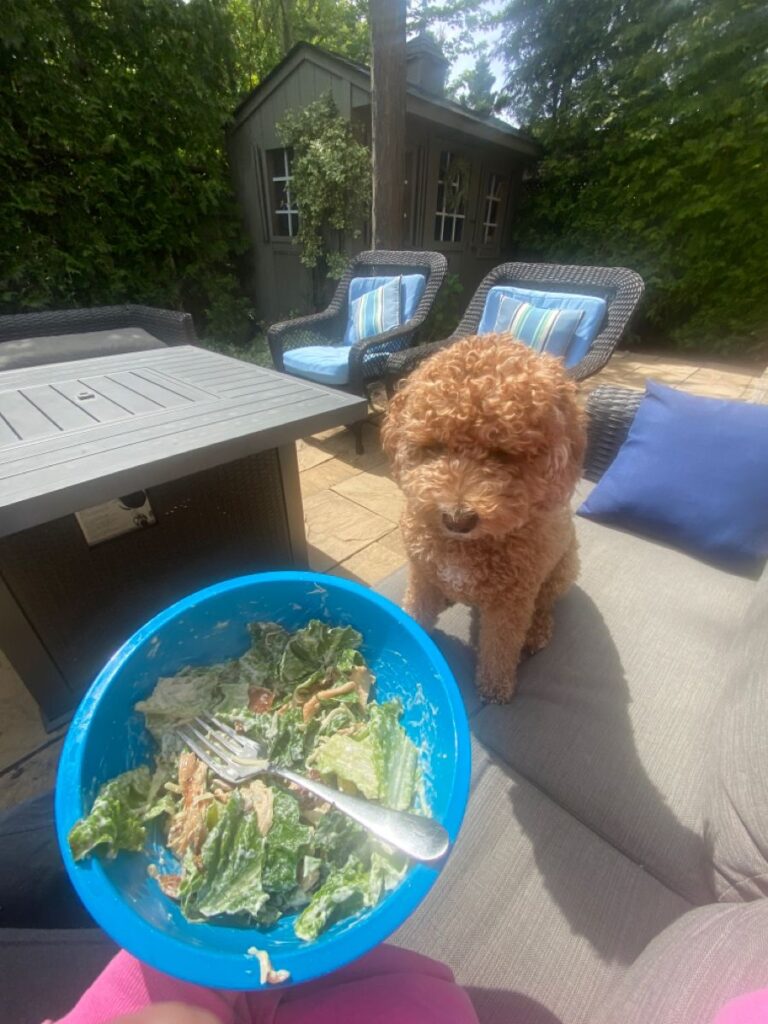
It can be tempting to share dinner with your dog, especially when they are sitting beside you with those irresistible puppy eyes.
However, many human foods are inappropriate or dangerous for dogs.
Dogs should not be given foods containing potentially toxic ingredients simply because they are safe for humans.
Foods that can pose serious risks include:
- Chocolate
- Grapes and raisins
- Onions
- Garlic
- Macadamia nuts
- Foods containing certain artificial sweeteners
- Excessively fatty foods
- Alcohol
- Heavily seasoned foods
The ASPCA maintains a detailed list of human foods that can be dangerous to pets.
ASPCA: People Foods to Avoid Feeding Your Pets
If your dog accidentally eats something potentially toxic, contact your veterinarian or an appropriate animal poison-control service promptly rather than waiting for symptoms to develop.
What About Raw Meat?
Some owners choose raw-food diets for their dogs, but raw diets can present food-safety concerns.
Raw animal products can contain pathogens such as Salmonella, E. coli, and other organisms that may pose risks to pets and people.
The FDA has discussed the potential food-safety risks associated with raw pet food, including bacterial contamination.
FDA: Safe Handling of Pet Food and Pet Treats
If you are considering a homemade or raw diet, speak with your veterinarian or a qualified veterinary nutrition professional first. A diet that looks healthy does not necessarily provide every nutrient your dog needs in the correct proportions.
Fresh Water Is Just as Important
Food is only one part of your dog’s nutritional needs.
Your dog should have regular access to clean, fresh water.
Water plays an important role in temperature regulation, digestion, circulation, and normal body function.
Make sure your dog has access to water throughout the day. Take water with you during longer walks, outdoor activities, travel, and warm-weather outings.
Puppies can be particularly active and may need frequent access to water.
If your dog suddenly drinks much more or much less than usual, or shows signs such as unusual weakness, disorientation, or persistent vomiting or diarrhea, contact your veterinarian.
What If Your Dog Refuses to Eat?
Some dogs occasionally skip a meal. However, a persistent refusal to eat should not simply be dismissed as picky behavior.
Loss of appetite can have many possible causes, including stress, dietary changes, dental problems, gastrointestinal issues, or other health concerns.
If your dog consistently refuses food, appears unwell, loses weight, vomits, develops diarrhea, or shows other concerning symptoms, contact your veterinarian.
For puppies, changes in appetite deserve particular attention because young dogs have different nutritional and energy requirements than mature dogs.
Changing Your Dog’s Food
If you decide that a different food is more appropriate for your dog, avoid changing the diet suddenly unless your veterinarian specifically recommends doing so.
A gradual transition can help reduce the likelihood of digestive upset.
Over several days, gradually increase the amount of the new food while decreasing the amount of the old food. If your dog develops significant vomiting, diarrhea, refuses food, or appears unwell, contact your veterinarian.
Every dog responds differently, so the transition may need to be adjusted according to your dog’s individual response.
Healthy Dog Food for Cavapoo Puppies
Cavapoo puppies need a diet that supports their rapid growth and development.
When choosing food for a Cavapoo puppy, look for a puppy formula appropriate for the puppy’s expected size and life stage. Avoid choosing food based solely on attractive packaging or claims such as “premium” or “natural.”
Instead, focus on nutritional adequacy and your puppy’s individual needs.
Your breeder can tell you what food the puppy has already been eating. This information is useful when preparing for the puppy’s arrival.
If you are currently preparing for your new puppy, our Cavapoo Puppies for Sale page can help you learn more about available puppies and the process of bringing one home.
You may also want to read our Cavapoo Puppy Care Guide for additional information about feeding, grooming, training, and everyday care.
How to Choose a Healthy Dog Food: A Simple Checklist
Before purchasing a new dog food, ask yourself:
- Is it formulated for my dog’s life stage?
- Is it appropriate for my dog’s size?
- Does the package provide an appropriate nutritional adequacy statement?
- Does my veterinarian recommend or approve the food for my dog’s needs?
- Is the feeding amount appropriate for my dog’s body condition?
- Are treats being given in moderation?
- Does my dog tolerate the food well?
- Does my dog have constant access to fresh water?
These questions can make choosing between the many available options much easier.
When Should You Ask Your Veterinarian?
Your veterinarian should be part of your dog’s nutritional care.
Ask for professional guidance if your puppy is growing unusually quickly or slowly, your dog is gaining or losing weight unexpectedly, your dog has persistent digestive problems, or you are considering a homemade, raw, or therapeutic diet.
Your veterinarian can also help determine appropriate portions and identify whether a particular food is suitable for your dog’s individual circumstances.
For additional nutrition guidance, the Michigan State University Veterinary Medical Center’s pet food guide provides information about evaluating pet foods and nutritional needs.
Final Thoughts on Healthy Dog Food
Healthy dog food is not about finding the most expensive bag or following the latest feeding trend.
The goal is to provide a complete and balanced diet that matches your dog’s life stage and individual nutritional needs.
Choose food carefully, measure portions appropriately, keep treats moderate, provide plenty of fresh water, and monitor your dog’s body condition.
Most importantly, remember that every dog is different. What works perfectly for one dog may not be appropriate for another.
If you are unsure about your puppy’s food, feeding amount, treats, or nutritional requirements, speak with your veterinarian. A good nutritional foundation today can help your puppy grow into a healthy and happy companion for years to come.
