
Grooming Guide
Winter Is the Siberian Husky’s Favorite Season: History, Coat, Colors, and Cold-Weather Traits
Aug
The Siberian Husky is one of the most recognizable dog breeds in the United States (Winter Is the Siberian Husky’s Favorite Season).
With striking eyes, a thick double coat, athletic build, and energetic personality, Huskies have a natural connection to cold climates. Their history is closely tied to the people and environments of northeastern Asia, where their ancestors were developed for endurance and transportation.
Although their beautiful appearance is one reason people love them, there is much more to this breed than a pretty face.
From their fascinating history to their winter adaptations, here are some interesting facts about the Siberian Husky.
The History of the Siberian Husky: Winter Is the Siberian Husky’s Favorite Season
The Siberian Husky originated in northeastern Asia and was developed by the Chukchi people.
These dogs were valued for their ability to travel long distances while pulling relatively light loads. Their endurance, efficiency, and ability to work in teams made them particularly useful in harsh Arctic conditions.
The breed later became associated with Alaska and sled-dog racing.
In 1909, Siberian dogs were entered in the All-Alaska Sweepstakes, a demanding sled race in the Nome area. Their impressive performance helped establish the breed’s reputation as a fast and enduring sled dog.
Siberian Huskies eventually became popular companion dogs as well as working and sporting dogs.
Today, their athletic abilities remain an important part of their identity.
Why Do Siberian Huskies Love Cold Weather?
Winter is particularly well suited to the Siberian Husky’s natural physical characteristics.
The breed was developed in a cold northern environment, and its body is equipped with several features that help it cope with cold conditions.
One of the most important is its thick double coat.
The outer layer helps protect the dog from moisture and environmental conditions. The dense undercoat provides insulation.
Double coats can also help regulate temperature in warmer conditions, which is why they should not be shaved simply because summer arrives.
However, being cold-weather adapted does not mean a Husky is immune to cold-related problems.
Weather conditions, wind, moisture, age, health, activity level, and individual tolerance can all affect how comfortable a dog is outdoors.
Never assume that a particular temperature is automatically safe for every dog.
The Siberian Husky’s Double Coat
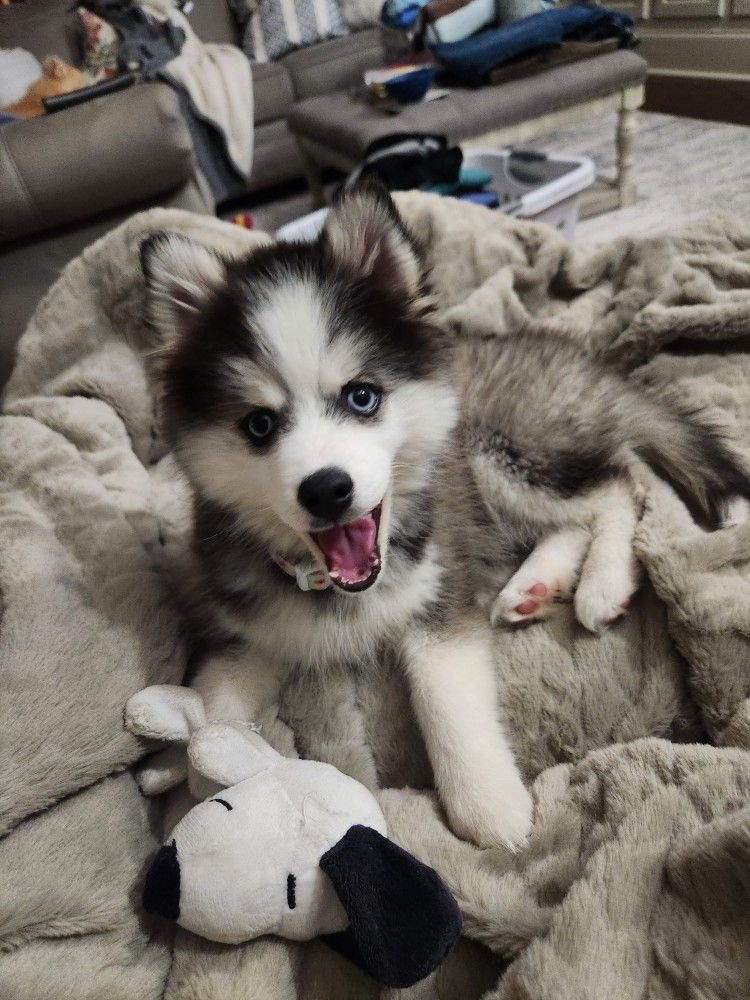
A Siberian Husky has a medium-length double coat consisting of an outer coat and a dense undercoat.
The undercoat is soft and insulating, while the outer coat helps protect the dog from the environment.
This coat is one of the defining characteristics of the breed and plays an important role in helping the Husky handle cold weather.
Huskies also shed considerably.
Their undercoat can shed heavily during seasonal coat changes, making regular brushing especially important.
The American Kennel Club recommends regular brushing to help keep the coat and skin healthy.
Unlike some curly-coated breeds, Siberian Huskies generally do not need their coats clipped or shaved.
Their natural coat serves an important protective function.
Siberian Husky Coat Colors
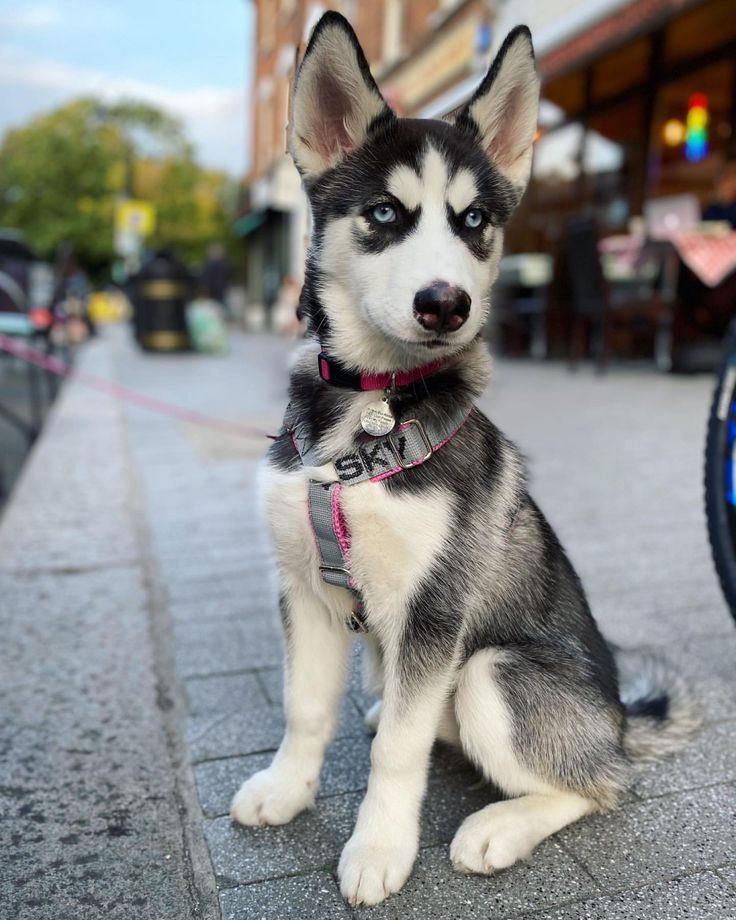
Siberian Huskies come in several beautiful coat colors and patterns.
Common recognized colors include:
- Black and white
- Gray and white
- Red and white
- Sable and white
- White
- Agouti and white
- Brown and white
- Black, tan, and white
The exact appearance can vary considerably from one Husky to another.
Some have striking facial markings, while others have darker masks or predominantly white coats.
The American Kennel Club’s breed information lists several recognized Siberian Husky colors and markings.
Those Famous Husky Eyes
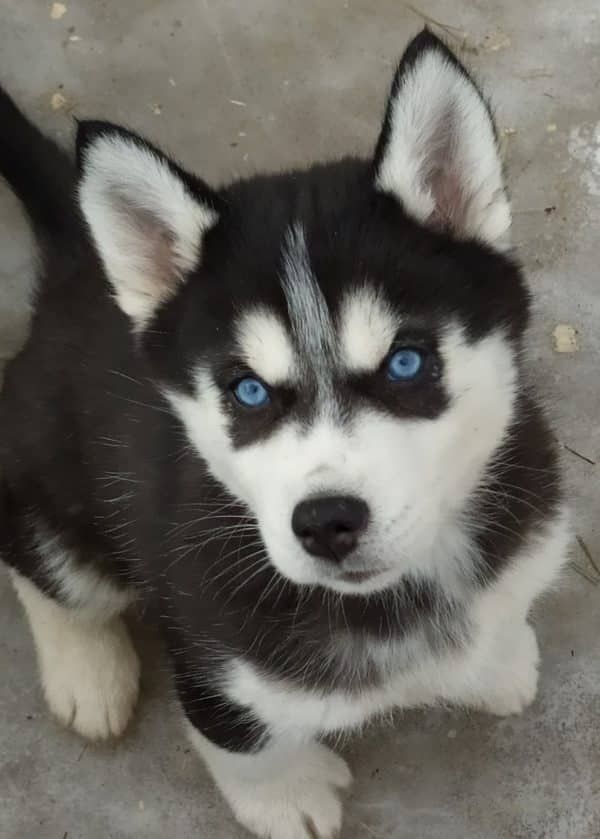
Few characteristics are as recognizable as the Siberian Husky’s eyes.
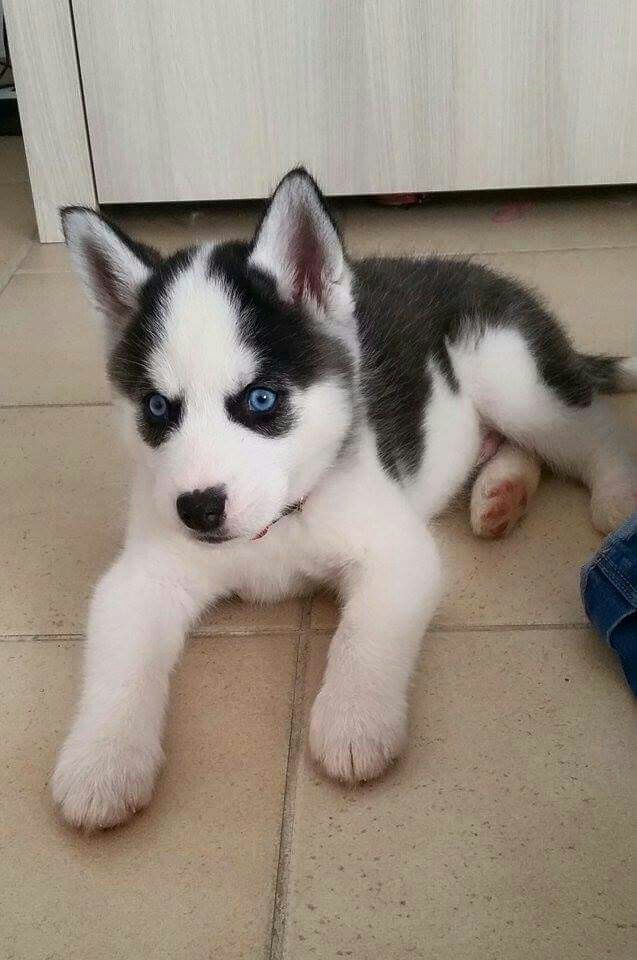
Huskies can have brown eyes, blue eyes, or a combination of the two.
Some individuals have heterochromia, meaning the two eyes are different colors. Others can have partially colored or particolored eyes.
Blue eyes are particularly common in the breed because of a Siberian Husky-specific genetic variant associated with eye pigmentation.
One important correction to older descriptions of Husky puppies is worth mentioning: blue eyes are not simply a temporary stage that every puppy goes through before developing brown eyes.
Husky puppies can develop blue, brown, or differently colored eyes, and eye color is influenced by genetics.
Siberian Huskies Are Built for Endurance
The Siberian Husky is not simply a dog that enjoys playing in snow.
It was developed as an endurance working breed.
Their ancestors were expected to travel significant distances while pulling sleds, often in challenging environments.
That history explains why modern Huskies can have considerable energy and a strong desire to run.
The American Kennel Club notes that Siberians have an innate instinct to run and recommends keeping them on a leash or within a securely fenced area when outdoors.
This is especially important for new Husky owners.
A Husky that spots an opportunity to explore may be surprisingly determined to take it.
Are Siberian Huskies Good Family Dogs?
Siberian Huskies can make affectionate and social companions for the right household.
They are generally friendly toward people and can enjoy interacting with other dogs.
However, they are not ideal for every lifestyle.
Their energy, exercise requirements, shedding, and strong running instincts mean that owners need to be prepared for an active dog.
They also tend to be poor choices for people looking specifically for a traditional guard dog because Siberians are generally friendly toward strangers.
A Siberian Husky can be an excellent companion when its physical and mental needs are properly understood.
Caring for a Siberian Husky in Winter
Although Huskies are naturally suited to cold environments, responsible care is still essential.
Provide access to fresh water and a safe place where your dog can rest.
Keep an eye on your dog’s paws during winter walks, particularly when ice, snow, salt, or other substances are present.
You should also monitor your dog for signs of discomfort rather than relying solely on the breed’s reputation for cold tolerance.
Remember that puppies, senior dogs, and dogs with health conditions may have different needs from healthy adult Huskies.
Grooming a Siberian Husky
Siberian Huskies are relatively low-maintenance in terms of bathing, but their coats require regular brushing.
The breed is naturally clean and typically does not need frequent bathing.
However, shedding can be significant.
Regular brushing helps remove loose hair and keeps the skin and coat in good condition. During heavier shedding periods, more frequent grooming may be necessary.
Avoid shaving the coat unless a veterinarian recommends it for a specific medical reason.
Removing the natural coat can interfere with the protection it provides.
A Beautiful Breed With Serious Exercise Needs
The Siberian Husky’s appearance can make it tempting to choose one simply because it looks beautiful.
However, prospective owners should look beyond appearance.
This is an athletic working breed with substantial exercise and mental stimulation needs.
A Husky may be happiest with owners who enjoy walking, running, hiking, training, and other active pursuits.
If you’re looking for a quieter companion that requires less exercise, another breed may be a better match.
Siberian Husky vs. Cavapoo
Siberian Huskies and Cavapoos are very different types of dogs.
The Siberian Husky is a medium-sized working breed developed for endurance and sled work.
A Cavapoo is a smaller companion breed created by crossing a Cavalier King Charles Spaniel with a Poodle.
Cavapoos generally have very different grooming, exercise, size, and lifestyle requirements.
If you’re considering a smaller family companion rather than an athletic working breed, learning more about the Cavapoo may help you determine whether it fits your lifestyle.
Read our Cavapoo Breed Guide to learn more about the breed’s temperament, size, grooming, exercise, and care requirements.
Final Thoughts
The Siberian Husky’s connection to winter is deeply rooted in its history.
Its dense double coat, athletic body, endurance, and northern heritage make it one of the world’s most recognizable cold-weather breeds.
But owning a Husky requires more than appreciating its beautiful eyes and fluffy coat.
These dogs need appropriate exercise, training, grooming, secure outdoor spaces, and plenty of companionship.
For the right owner, a Siberian Husky can be an energetic, intelligent, affectionate, and unforgettable companion.
Continue Learning About Cavapoos
If you’re researching dog breeds before choosing your next companion, our Cavapoo resources can help you compare their needs and prepare for puppy ownership:
- Available Cavapoo Puppies
- Cavapoo Breed Guide
- Cavapoo Care Guide
- Cavapoo Puppies by State
- How to Train a Cavapoo Puppy
- Puppy Buying Checklist
- Questions to Ask Before Buying a Cavapoo Puppy
- Adoption Process
- Health Guarantee
- Shipping & Delivery
- Frequently Asked Questions
Trusted External Resources
For additional information about Siberian Huskies, responsible ownership, and canine health, these authoritative resources are useful:
- American Kennel Club – Siberian Husky
- American Kennel Club – Siberian Husky History
- American Kennel Club – Siberian Husky Blue Eyes
- VCA Animal Hospitals – Siberian Husky
This article is for general educational purposes. Individual dogs can differ in temperament, health, exercise needs, and tolerance of weather conditions. Consult your veterinarian for advice specific to your dog.
