
Grooming Guide, Cavapoo Care Guide
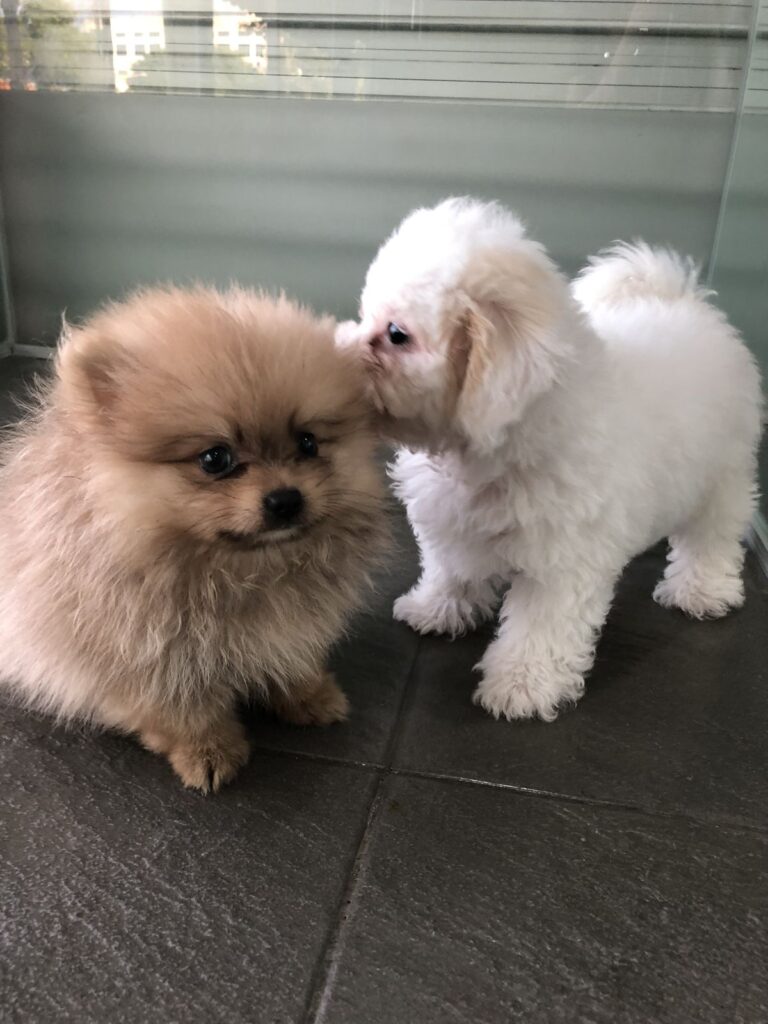
Two Great Small Dog Breeds: The Pomeranian and Maltese
Aug
Choosing a small dog is an exciting decision for any family. Pomeranians and Maltese are two popular toy breeds known for their affectionate personalities, compact size, and strong bonds with their owners (Two Great Small Dog Breeds).
Both breeds can make wonderful companions, but they have different grooming requirements, energy levels, training needs, and personalities. Understanding these differences can help you determine which breed may fit your lifestyle.
If you are also considering a Cavapoo, comparing these small companion breeds can be useful. Our [Cavapoo Breed Guide] is another helpful resource for learning about Cavapoo temperament, size, grooming, and everyday care.
Pomeranian: A Small Dog With a Big Personality
The Pomeranian is a tiny member of the Toy Group with a distinctive fluffy coat and lively personality. Despite their small bodies, Pomeranians often behave with the confidence of a much larger dog.
The breed developed from larger Spitz-type dogs associated with the Pomerania region of Central Europe. Over generations, selective breeding produced the much smaller companion dog recognized today.
The American Kennel Club describes Pomeranians as intelligent, lively, affectionate, and highly companionable. Adult Pomeranians generally stand about 6 to 7 inches tall and weigh no more than 7 pounds under the breed standard.
Their small size makes them suitable for many living situations, including apartments and smaller homes.
However, small does not mean inactive.
Pomeranians enjoy walks, games, training, and interactive activities. They can also learn tricks quickly when training is consistent and reward-based.
Life With a Pomeranian
Living with a Pomeranian can be rewarding for owners who enjoy an energetic and attentive companion.
These dogs often want to be involved in whatever their family is doing. They may follow their owners around the house, play with toys, learn tricks, or settle beside their favorite person.
Their small size can also make them relatively convenient to transport.
However, their tiny bodies require careful handling.

Young children should be taught how to interact gently with a Pomeranian. A small dog can be injured accidentally during rough play, jumping, or being dropped.
Pomeranians can also be alert and vocal. Consistent training can help prevent excessive barking and other unwanted behaviors.
Pomeranian Grooming Needs
The Pomeranian’s beautiful coat is one of its most recognizable features.
It has a dense double coat that requires regular brushing to help prevent tangles and maintain its appearance. The AKC recommends regular coat care and notes that professional grooming every four to six weeks can be helpful when owners are not comfortable handling the full grooming routine themselves.
Owners should also pay attention to:
- Nail trimming
- Dental care
- Ear care
- Regular brushing
- Coat mat prevention
If you are researching grooming responsibilities before choosing a puppy, our [Cavapoo Care Guide] can also help you understand the grooming commitment associated with another popular small companion breed.
Pomeranian Training
Pomeranians are intelligent dogs that can learn a wide range of behaviors.
Early puppy training and socialization are important. Teaching leash manners, recall, basic commands, and appropriate household behavior from an early age can make life easier.
Positive reinforcement is generally a useful approach.
Rewarding desirable behavior with praise, treats, play, or another appropriate reward can encourage your dog to repeat that behavior. The AKC also recommends early socialization and consistent training for Pomeranians.
Because Pomeranians can be independent at times, patience is important.
Short, positive training sessions are often more productive than long sessions that allow a puppy to become frustrated or distracted.
Pomeranian Personality
Pomeranians are often described as lively, curious, intelligent, and affectionate.
They can form strong bonds with their owners and enjoy being part of family life.
Their personality can make them entertaining companions, especially for people who enjoy teaching tricks and providing interactive activities.
However, every dog is an individual.
Not every Pomeranian will have exactly the same energy level or temperament. Early socialization, training, genetics, environment, and daily experiences can all influence behavior.
The breed can also be somewhat vocal and alert, which is something prospective owners should consider if they live in an apartment or close to neighbors.
Pomeranian at a Glance
Breed Group: Toy Group
Typical Height: About 6–7 inches
Typical Weight: Up to 7 pounds
Coat: Long, abundant double coat
Energy Level: Lively
Grooming: Regular brushing required
Training: Intelligent and responsive with consistency
Life Expectancy: About 12–16 years
These characteristics are consistent with current AKC breed information.
Maltese: A Classic Companion Dog
The Maltese is another small companion breed with a long history.
Known for its flowing white coat and expressive dark eyes, the Maltese has been valued as a companion dog for centuries.
Today, the Maltese remains popular with people looking for a small, affectionate dog that enjoys spending time with its family.
The AKC places the Maltese in the Toy Group and describes the breed as affectionate, friendly, lively, playful, and confident. Adult Maltese generally weigh under 7 pounds, with 4 to 6 pounds being the preferred range in the breed standard.
Their compact size can make them adaptable to apartments and other smaller homes.
But their size should not be mistaken for a lack of personality.
Maltese can be lively little dogs that enjoy playtime, training, walks, and interaction with their owners.
Life With a Maltese
The Maltese is often happiest when spending time with its people.
This breed can develop strong attachments to family members and generally enjoys being included in household activities.
That affectionate nature can be one of the breed’s biggest advantages.
However, it also means owners should think carefully about how much time they can spend with their dog.
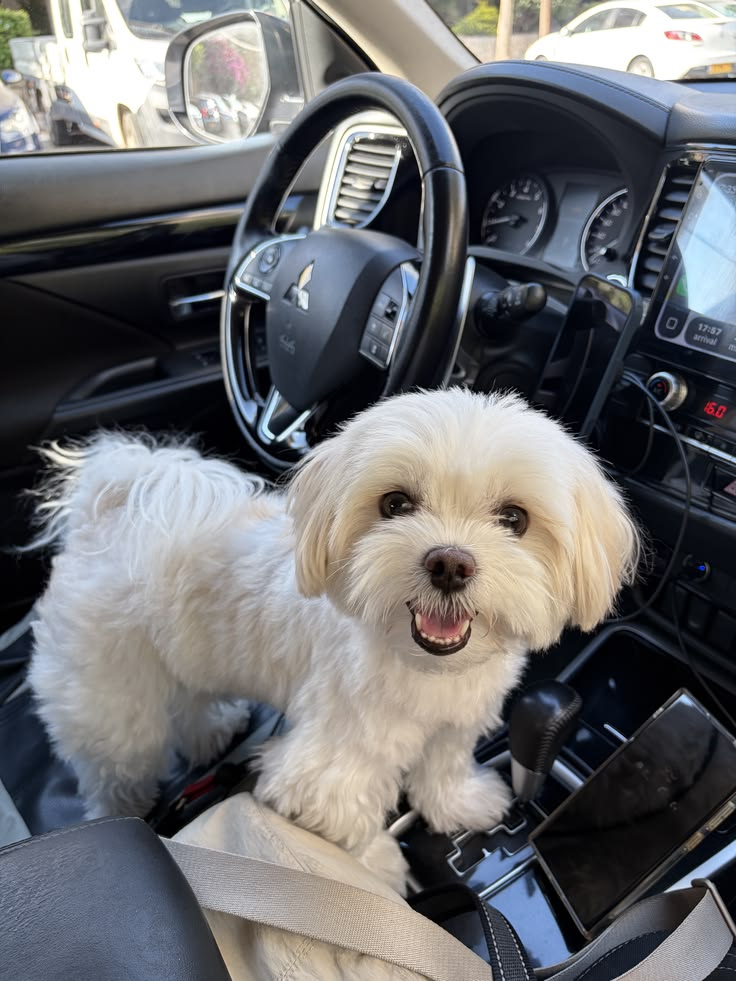
Some Maltese may struggle when left alone for extended periods. Providing appropriate companionship, exercise, training, and mental stimulation can help support their emotional well-being.
Maltese can also be suitable for families, but their small size means young children should always be supervised around them.
Children should learn to handle small dogs gently and respect their space.
Maltese Grooming Requirements
The Maltese has a long, silky coat that requires considerably more maintenance than its small size might suggest.
Regular brushing helps prevent mats and tangles. The AKC recommends daily gentle brushing and combing for maintaining the long coat. Regular baths, nail trimming, ear checks, and dental care are also important.
This is an important consideration for anyone thinking about bringing home a Maltese.
A beautiful long coat requires a commitment.
Owners who prefer a shorter companion-dog haircut can work with a professional groomer to establish an appropriate grooming routine.
If you are considering a Cavapoo instead, remember that Cavapoo grooming needs also vary depending on coat type. Regular brushing and professional grooming can help keep a Cavapoo comfortable and prevent mats.
You can learn more about the responsibilities of owning one through our [Cavapoo Care Guide].
Training a Maltese
Maltese are intelligent and capable of learning quickly.
However, they can sometimes have an independent or stubborn streak.
Consistency is therefore important.
Reward-based training can make lessons more enjoyable and encourage cooperation. The AKC specifically recommends positive training methods and consistency when teaching Maltese.
Basic puppy training should include:
- Name recognition
- Sit
- Stay
- Come
- Leash manners
- Potty training
- Gentle handling
- Appropriate socialization
Training also provides valuable mental stimulation.
Although the Maltese is a small companion dog, it can participate in activities such as obedience and agility when properly trained.
Maltese Personality
Maltese are generally affectionate, friendly, playful, and people-oriented.
Their small size makes them appealing to families looking for a companion that does not require the physical space of a large breed.
At the same time, they still need daily interaction and appropriate activity.
The Maltese breed standard describes the dog as gentle in manner while also being lively, playful, and vigorous.
This combination makes the Maltese more than simply a lapdog.
They can enjoy games, training, walks, and interactive activities with their families.
Maltese at a Glance
Breed Group: Toy Group
Typical Weight: Under 7 pounds
Preferred Weight: 4–6 pounds
Coat: Long, straight, silky, and white
Energy Level: Lively but manageable
Grooming: High maintenance
Training: Intelligent but benefits from consistency
Life Expectancy: Often around 12–15 years
Two Great Small Dog Breeds, Pomeranian vs. Maltese: Which Is Right for You?
Pomeranians and Maltese are both small companion breeds, but they have noticeably different characteristics.
A Pomeranian may appeal to someone who wants a tiny dog with a confident, energetic personality and a distinctive fluffy double coat.
A Maltese may be better suited to someone who wants an affectionate companion with a silky white coat and relatively low shedding.
However, grooming should be considered carefully with both breeds.
The Pomeranian needs regular brushing because of its dense double coat. The Maltese requires frequent brushing and combing because its long coat can develop mats and tangles.
| Feature | Pomeranian | Maltese |
|---|---|---|
| Size | Very small | Very small |
| Personality | Lively, curious, confident | Affectionate, playful, gentle |
| Coat | Fluffy double coat | Long, silky coat |
| Grooming | Regular | Frequent |
| Training | Intelligent and responsive | Intelligent but can be stubborn |
| Exercise | Walks and play | Walks and play |
| Family fit | Best with respectful handling | Often best with gentle or older children |
| Companionship | Very people-oriented | Very people-oriented |
Neither breed is automatically the better choice.
The best dog is the one whose needs match your household.
How Do They Compare With a Cavapoo?
For families considering several small companion breeds, the Cavapoo is another option worth researching.
Cavapoos are a cross between a Cavalier King Charles Spaniel and a Poodle. They are known for their affectionate personalities, intelligence, and adaptability.
Like Pomeranians and Maltese, Cavapoos generally enjoy close relationships with their families.
They also require regular grooming and consistent training.
However, Cavapoos can vary in adult size, coat texture, energy, and appearance depending on their genetics and parents.
That is why prospective owners should research the individual puppy rather than relying only on a breed label.
Our [Cavapoo Breed Guide] provides more information about the breed and what families should expect.
You can also read our [Cavapoo Buying Guide] before making a decision.
If you are comparing the financial commitment of different companion breeds, our guide on [How Much Do Cavapoo Puppies Cost in 2026?] explains some of the factors that can influence the cost of a responsibly raised Cavapoo puppy.
What Should You Consider Before Choosing a Small Dog?
Choosing a small breed should involve more than appearance.
Before bringing home a puppy, consider your:
Daily Schedule
How much time can you realistically spend with your dog each day?
Small dogs still require exercise, training, companionship, grooming, and veterinary care.
Grooming Commitment
Do you enjoy brushing and coat maintenance?
If not, a breed with significant grooming requirements may not be the best match.
Family Situation
Consider the ages of children in the household and whether everyone understands how to safely interact with a small dog.
Living Environment
Small breeds can adapt well to apartments, but they still need exercise and mental stimulation.
Training Expectations
Never assume that a small dog does not require training.
Small breeds can develop barking, jumping, potty-training, or other behavioral problems without consistent guidance.
Long-Term Costs
Food, grooming, veterinary care, training, supplies, and unexpected medical expenses all form part of responsible dog ownership.
Before choosing a puppy, take time to understand the full commitment.
Our [Are Cavapoo Puppies Worth the Price?] guide discusses the importance of looking beyond the initial puppy price when evaluating the long-term responsibilities of dog ownership.
Choosing the Right Companion for Your Family
Pomeranians and Maltese can both make wonderful companions.
The Pomeranian offers a lively personality, striking coat, intelligence, and plenty of character in a tiny package.
The Maltese offers an affectionate temperament, elegant appearance, playful personality, and strong desire for human companionship.
Neither breed is perfect for every household.
The same is true for Cavapoos and every other dog breed.
The right choice depends on your lifestyle, available time, grooming preferences, family situation, activity level, and expectations.
It is also important to remember that breed characteristics describe general tendencies rather than guarantees. Individual dogs can differ significantly.
Final Thoughts
The Pomeranian and Maltese are two excellent examples of how much personality can fit into a small dog.
Pomeranians are lively, intelligent, affectionate, and confident. Maltese are affectionate, playful, gentle, and strongly attached to their families. Both require responsible care, training, socialization, grooming, and regular veterinary attention.
If you are considering a small companion breed, take time to compare your options before making a decision.
And if a Cavapoo is on your list, explore our [Available Cavapoo Puppies] and learn more about the breed before choosing your new companion.
At Atlantic Cavapoo Puppies Home, we believe that finding the right puppy starts with understanding the breed and preparing for the responsibilities of lifelong companionship.
Helpful Resources From Atlantic Cavapoo Puppies Home
- [Cavapoo Breed Guide]
- [Cavapoo Care Guide]
- [Cavapoo Buying Guide]
- [How Much Do Cavapoo Puppies Cost in 2026?]
- [Finding the Best Veterinarian for Your Cavapoo Puppy]
- [Are Cavapoo Puppies Worth the Price?]
- [Available Cavapoo Puppies]
For additional breed information, the [American Kennel Club’s Pomeranian guide] and [Maltese breed information] are useful external references.
