
Cavapoo Care Guide, Cavapoo Health & Wellness, Cavapoo Nutrition Guide
9 Garden Plants to Keep Away From Your Cavapoo
Sep
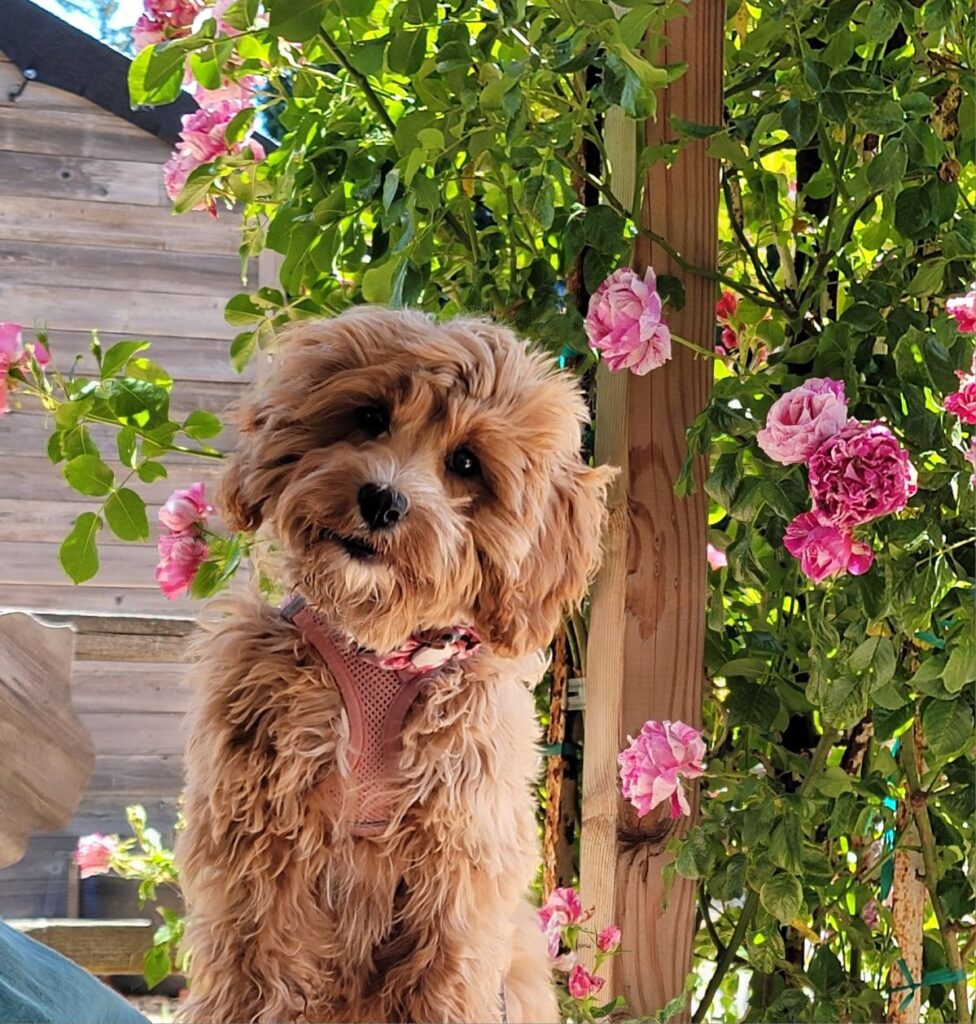
A garden can be a wonderful place for a Cavapoo to explore, sniff, play, and relax. However, not everything growing in your yard is safe for your dog.
Cavapoos are naturally curious, and puppies in particular may investigate plants by sniffing, licking, chewing, digging, or even swallowing pieces of leaves, flowers, stems, or bulbs. That means choosing plants carefully and supervising your puppy outdoors should be part of your overall approach to Cavapoo safety and Cavapoo puppy safety.
Some plants can cause mild stomach upset, while others can cause serious illness involving the heart, liver, kidneys, nervous system, or gastrointestinal tract. The risk can also vary depending on the plant species, the part consumed, the amount eaten, and the size and health of the dog.
This is why understanding toxic plants for dogs, poisonous plants for dogs, and other plants toxic to dogs is an important part of responsible puppy ownership.
The ASPCA maintains a large database of toxic and non-toxic plants and recommends checking the exact plant before assuming that it is safe.
ASPCA Toxic and Non-Toxic Plant List for Dogs
Toxic Plants For Dogs
Here are nine common plants and plant groups that deserve particular attention if you have a Cavapoo.
1. Lilies
Lilies deserve special attention because some species that are extremely dangerous to cats are not associated with the same kidney toxicity in dogs. However, that does not mean every plant called a lily is automatically safe for a dog.
Common plants sold under the name lily can have very different toxic effects. Some can cause gastrointestinal irritation or other problems when chewed or swallowed.
The safest approach is to identify the exact plant rather than relying only on its common name. The ASPCA database lists some plants sold under lily names as toxic to dogs, including calla lily and other species.
This makes unfamiliar lilies an important consideration when identifying garden plants toxic to dogs or choosing toxic flowers for dogs to keep out of reach.
If a bouquet, houseplant, or garden plant contains an unfamiliar lily, keep your Cavapoo away from it until you have confirmed the species and its toxicity.
This is especially important when bringing flowers into the home. A puppy may knock over a vase, pull flowers from a bouquet, or chew fallen leaves without you immediately noticing.
If you are unsure about a plant, photograph it and identify the exact species using a reliable veterinary or plant-toxicity database before allowing your dog access.
2. Sago Palm
Sago palms are attractive landscaping and decorative plants, but they are among the plants that should be taken very seriously around dogs.
The ASPCA identifies sago palms and other cycads as toxic to dogs. All parts of the plant can pose a risk, with the seeds being particularly dangerous. Ingestion can cause severe gastrointestinal problems and may progress to serious liver damage, bleeding problems, seizures, or death.
This makes sago palm one of the dangerous plants for dogs that deserves special attention when planning your yard.
It is also a major concern when researching plants poisonous to Cavapoos, because a curious puppy may investigate fallen seeds, leaves, or other plant material.
This makes sago palm particularly concerning for puppies who like to investigate plants and soil.
If you have a sago palm in your garden, do not assume that keeping your Cavapoo away from the visible leaves is enough. Fallen plant material and seeds can also become accessible.
Removing the plant from an area where your puppy plays is often a much safer option than relying entirely on supervision.
ASPCA Sago Palm Safety Information
3. Tulips and Daffodils
Spring bulbs can make a garden look beautiful, but many bulb plants can be dangerous when eaten.
Tulips and daffodils are both listed by the ASPCA as toxic to dogs. The bulbs can be especially problematic because they contain concentrated toxic compounds. Ingestion may result in vomiting, diarrhea, drooling, abdominal discomfort, or other signs of illness. Large bulb pieces can also present a gastrointestinal obstruction risk.
These are important examples of plants toxic to dogs that may look harmless in a colorful flower bed.
This creates a particular problem for curious puppies.
A Cavapoo may not simply chew the visible flower. Digging can expose bulbs underneath the soil, turning an apparently harmless flower bed into a potential puppy hazard.
If you are planting bulbs, think about whether your dog has access to that area. Raised beds, secure barriers, or a separate dog-safe section of the yard can help reduce the opportunity for digging and chewing.
If you are creating a dog-safe garden, consider placing bulbs behind secure barriers or choosing verified dog-friendly alternatives.
4. Azaleas and Rhododendrons
Azaleas and rhododendrons are popular flowering shrubs, but they should not be treated as harmless garden decorations around dogs.
The toxic compounds in these plants can affect the gastrointestinal and nervous systems and, with larger exposures, can contribute to more serious problems including abnormal heart rhythms and seizures. AKC also identifies azaleas and rhododendrons among plants that can pose significant risks to dogs.
Because azaleas are common landscaping plants, it is worth checking your yard before bringing home a Cavapoo puppy.
Walk around your property and identify shrubs, flowers, and trees that your puppy could reach. Remember that a small puppy may be able to squeeze beneath or through garden boundaries that an adult dog cannot.
This simple inspection is an important part of Cavapoo garden safety and general puppy garden safety.
If your puppy repeatedly tries to chew a particular plant, do not rely on training alone to solve the problem. Physical prevention is often safer.
5. Oleander
Oleander is another plant that should be kept away from dogs.
The ASPCA identifies oleander as toxic to dogs, cats, and horses. Ingestion can cause serious heart-related effects as well as gastrointestinal signs, and severe poisoning can be life-threatening.
Oleander is sometimes used as a landscaping shrub, particularly in warmer regions, which means it may be encountered during walks, visits, or outdoor activities as well as in your own yard.
It is one of the dangerous plants for dogs that should not be treated as an ordinary ornamental shrub.
If you are considering landscaping around your home, choose plants based on both appearance and pet safety.
A beautiful garden is not worth creating a preventable poisoning risk for your puppy.
6. Cyclamen
Cyclamen is a popular decorative plant that can be grown indoors or outdoors depending on the climate.
According to the ASPCA, cyclamen is toxic to dogs. The plant contains compounds that can cause gastrointestinal problems, with the roots or tubers being particularly concerning. Large ingestions can lead to more serious complications.
A puppy that digs into a container or flower bed may be able to reach parts of the plant that you would not normally expect it to find.
If you keep cyclamen indoors, place it somewhere your puppy cannot access. If it grows outdoors, consider whether your dog can dig around its base.
Remember that puppies explore their environment with their mouths. Something that looks inaccessible from an adult human’s perspective may be very easy for a small Cavapoo puppy to reach.
This is why checking garden plants toxic to dogs should be part of your regular puppy-proofing routine.
7. Amaryllis
Amaryllis is another attractive flowering plant that deserves caution.
The ASPCA lists amaryllis as toxic to dogs. Signs following ingestion can include vomiting, diarrhea, abdominal discomfort, excessive salivation, depression, loss of appetite, and tremors.
Bulb plants can be especially tempting for dogs that enjoy digging.
If you grow amaryllis or receive it as a seasonal indoor plant, make sure your Cavapoo cannot reach the plant or its bulb. Never assume that a decorative holiday or seasonal plant is automatically safe simply because it is commonly sold in stores.
When giving flowers or plants as gifts to a household with a dog, checking the species first is a simple precaution that can prevent an unnecessary emergency.
The same precaution applies when choosing toxic flowers for dogs to avoid in bouquets, containers, and outdoor flower beds.
8. Autumn Crocus
Autumn crocus is particularly important to distinguish from the spring crocus plants that people may commonly associate with gardens.
Autumn crocus, also known as Colchicum autumnale, is highly toxic to dogs. Serious poisoning can involve severe vomiting, gastrointestinal bleeding, liver and kidney damage, abnormal bleeding, and other potentially life-threatening complications.
It is one of the poisonous plants for dogs that deserves immediate attention if you discover it growing where your puppy has access.
One of the biggest dangers with dog poisoning is assuming that a dog is fine because there were no immediate symptoms.
Some toxic exposures can produce delayed or progressive effects.
If you see your Cavapoo chewing a plant that could be toxic, do not wait for symptoms before contacting a veterinarian or animal poison-control service. Early professional guidance can be important even when your puppy currently appears normal.
9. Chrysanthemums
Chrysanthemums, often called mums, are popular flowers in gardens and seasonal decorations.
The ASPCA lists chrysanthemums as toxic to dogs. Ingestion can cause vomiting, diarrhea, excessive salivation, loss of coordination, and other signs.
Because mums are common during the fall, this is an especially useful plant to remember when decorating your home or garden seasonally.
A puppy may also be attracted to fallen flowers or leaves after the plant has been trimmed.
Rather than waiting to see whether your Cavapoo will leave the plant alone, use barriers or choose pet-safe alternatives when possible.
A dog-safe garden does not have to be boring. It simply requires thoughtful plant selection and good environmental management. AKC also provides guidance on selecting plants for a dog-friendly garden.
AKC Guide to Planting a Dog-Friendly Garden
Why Puppies Need Extra Protection Around Plants
Adult dogs can sometimes learn that certain plants are off limits, but puppies are still learning about their environment.
Your Cavapoo puppy may investigate something because it smells interesting, moves in the wind, has an unusual texture, or simply happens to be within reach.
Puppies also spend a significant amount of time exploring with their mouths.
That is why puppy-proofing should include the garden.
Look at your outdoor space from your puppy’s perspective. Check low shrubs, flower beds, pots, fallen leaves, bulbs, seeds, mushrooms, compost areas, fertilizers, pesticides, and garden products.
A secure garden is not simply one with a fence. It should also be an environment where your puppy has fewer opportunities to encounter dangerous substances.
This broader approach to Cavapoo puppy safety can help reduce risks beyond poisonous plants.
How to Create a More Dog-Friendly Garden
You do not have to give up gardening because you have a Cavapoo.
Instead, create clearly defined areas and make plant selection part of your puppy-safety routine.
Before planting something new, identify the exact species and check a reliable veterinary toxicology resource. Common names can be confusing because the same word may be used for several different plants.
The ASPCA’s toxic and non-toxic plant database is useful for checking individual plants and understanding whether they are considered toxic to dogs. Its database contains both plants toxic to dogs and plants classified as non-toxic.
You can also create a dedicated area where your Cavapoo can safely explore, sniff, and relax while keeping more delicate garden beds separated.
Raised planters, fencing, secure containers, and supervised outdoor time can all reduce the chance of accidental ingestion.
Remember that plant safety is only one part of garden safety. Fertilizers, weed killers, slug and snail products, pesticides, compost, mulch, and other garden chemicals can also create hazards. AKC recommends considering these additional yard hazards when creating a safer outdoor environment.
If you want a dog-safe garden, think about the entire environment rather than focusing only on individual flowers.
What If Your Cavapoo Eats a Plant?
If you see your Cavapoo eat part of a plant that you know or suspect is toxic, take the situation seriously.
First, move your dog away from the plant so there is no additional exposure.
If it is safe to do so, identify the plant and keep a sample or take clear photographs. Note which part of the plant was eaten, approximately how much may have been consumed, and when the exposure happened.
Do not induce vomiting or give your dog home remedies unless a veterinarian or qualified animal poison professional specifically instructs you to do so. AKC specifically advises contacting a veterinarian, emergency veterinary clinic, or poison helpline and not inducing vomiting unless instructed.
Contact your veterinarian, an emergency veterinary clinic, or an animal poison-control service for guidance.
The ASPCA Animal Poison Control Center can be reached at (888) 426-4435, and Pet Poison Helpline is available at (855) 764-7661.
Pet Poison Helpline — Plant Poisoning Resources
If your dog is unconscious, having difficulty breathing, having seizures, collapsing, or showing another serious emergency sign, seek emergency veterinary care immediately.
Signs of Possible Plant Poisoning in a Dog
The signs of plant poisoning can vary considerably depending on the plant and amount consumed.
Possible signs include:
- Vomiting
- Diarrhea
- Excessive drooling
- Loss of appetite
- Abdominal discomfort
- Weakness
- Depression or unusual tiredness
- Tremors
- Loss of coordination
- Difficulty breathing
- Changes in heart rate
- Seizures
- Collapse
These signs can occur with different forms of dog poisoning, but they are not specific to plant exposure. A veterinarian or animal poison professional can help determine the appropriate response.
A dog does not need to show every symptom for a poisoning emergency to be possible.
If you know your Cavapoo has eaten a potentially toxic plant, contact a veterinary professional even if your puppy currently appears normal.
Don’t Assume a Plant Is Safe Because Your Dog Has Eaten It Before
One common mistake is thinking that a plant must be safe because your dog has previously chewed it without becoming visibly ill.
That is not a reliable safety test.
The amount consumed can vary. Different parts of a plant may contain different concentrations of toxic compounds, and some plants can cause delayed signs.
Your Cavapoo may also become more interested in digging and chewing as it grows.
Instead of learning through an accidental exposure, identify potentially dangerous plants before your puppy has access to them.
The ASPCA notes that its plant database is not an all-inclusive list, so identifying the exact plant remains important when assessing a possible exposure.
Keeping Your Cavapoo Safe During Walks
Garden safety also matters outside your own property.
During walks, your Cavapoo may encounter landscaped areas, fallen flowers, ornamental shrubs, public gardens, or plants growing along sidewalks.
Teach your puppy a reliable “leave it” cue using positive reinforcement, but remember that training should support—not replace—environmental management.
If you see your puppy repeatedly trying to eat vegetation, calmly redirect attention and move away from the plant.
This is particularly important with young puppies who have not yet learned which objects are appropriate to investigate.
For more guidance about raising a healthy and well-adjusted puppy, your Cavapoo’s daily routine should include safe exploration, positive training, appropriate exercise, and careful supervision.
Cavapoo Garden Safety in Different Parts of the USA
Garden risks can vary depending on climate, landscaping choices, and which plants are commonly grown in a particular region.
Families searching for Cavapoo Puppies For-Sale Near Me should think about more than finding a puppy. Preparing a safe home before bringing a Cavapoo home is an important part of responsible puppy ownership.
Cavapoo Puppies For Sale In Tennessee
If you are preparing for Cavapoo Puppies For Sale In Tennessee, inspect your garden before your puppy arrives.
Check flowering shrubs, bulbs, decorative pots, shaded areas, fencing, compost, and any plants that your puppy could reach. Tennessee homes can have a wide variety of ornamental landscaping, so identifying unfamiliar plants before your puppy begins exploring is worthwhile.
Create a secure outdoor area where your puppy can sniff and play without constant access to potentially hazardous flower beds.
This preparation is an important part of puppy garden safety, especially during the first few months when curiosity and chewing are common.
Cavapoo Puppies For-Sale In Ohio
Families looking for Cavapoo Puppies For-Sale In Ohio should also prepare their outdoor space before bringing a puppy home.
Seasonal gardening can introduce different hazards throughout the year. Spring bulbs, summer landscaping, and fall flowers may all create different opportunities for curious puppies to investigate plants.
Rather than checking your garden only once, make plant safety part of your seasonal puppy-proofing routine.
A seasonal inspection can help you discover new plants toxic to dogs before your puppy encounters them.
Cavapoo Puppies For-Sale In Florida
For families searching for Cavapoo Puppies For-Sale In Florida, outdoor plant safety deserves particular attention because many homes can have year-round landscaping and a wide variety of ornamental plants.
Before allowing your puppy to explore the yard, identify the plants already growing there. Pay particular attention to shrubs, palms, flowering plants, bulbs, and any plants near areas where your puppy plays.
A secure, supervised outdoor area can give your Cavapoo room to enjoy fresh air while reducing unnecessary exposure to garden hazards.
This is a practical part of Cavapoo garden safety for families preparing their outdoor space.
A Simple Cavapoo Garden Safety Checklist
Before bringing your puppy into the garden, walk around the property and check the environment from your dog’s perspective.
Identify every plant you are unsure about.
Remove or isolate plants known to be toxic.
Check for fallen leaves, flowers, berries, bulbs, and seeds.
Secure compost bins and garden chemicals.
Keep fertilizers and pesticides completely inaccessible.
Inspect fencing and gates for escape routes.
Create a designated dog-friendly area.
Supervise your puppy while it is learning how to behave outdoors.
Keep your veterinarian’s contact information accessible.
Save the contact information for an animal poison-control service.
This small amount of preparation can make your garden much safer.
It also creates a stronger foundation for Cavapoo safety, Cavapoo puppy safety, and long-term responsible ownership.
A Safe Garden Is Part of Responsible Cavapoo Ownership
Your Cavapoo should be able to enjoy outdoor time without turning every plant into a potential emergency.
You do not need to eliminate every flower or redesign your entire yard. The most important steps are identifying potentially toxic plants, preventing access to dangerous species, supervising your puppy, and knowing what to do if accidental ingestion occurs.
Plant safety is especially important during puppyhood, when curiosity and chewing are normal parts of development.
As your Cavapoo matures, continue checking the garden because new plants, seasonal decorations, landscaping projects, and visiting homes can introduce new hazards.
Responsible puppy ownership is about creating an environment where your dog can explore safely while you remain prepared to respond when something unexpected happens.
A thoughtfully planned dog-safe garden can still be beautiful, enriching, and enjoyable for the entire family.
Frequently Asked Questions
Are garden plants dangerous for Cavapoos?
Some garden plants can be toxic to dogs, while others may cause only mild gastrointestinal irritation. Because plant toxicity varies by species, always identify an unfamiliar plant before allowing your Cavapoo access to it.
What should I do if my Cavapoo eats a poisonous plant?
Remove your dog from the plant, identify the plant if possible, and contact your veterinarian or an animal poison-control service. Do not induce vomiting unless a veterinary professional specifically tells you to.
Are tulips poisonous to Cavapoos?
Yes. Tulips are considered toxic to dogs, and the bulbs can be particularly problematic. Ingestion can cause gastrointestinal upset and other signs.
Are daffodils safe for dogs?
Daffodils are listed as toxic to dogs. The bulbs are especially concerning and can cause gastrointestinal signs and other complications.
Is sago palm dangerous for Cavapoos?
Yes. Sago palms are highly toxic to dogs, and the seeds are particularly dangerous. Serious poisoning can involve liver damage and potentially life-threatening complications.
Are chrysanthemums toxic to dogs?
Yes. Chrysanthemums are considered toxic to dogs and can cause vomiting, diarrhea, excessive salivation, and loss of coordination.
Can puppies eat grass and plants?
Some dogs naturally chew grass or vegetation, but you should not assume that every plant is safe. Puppies should be prevented from chewing unidentified plants until you know they are safe.
Should I remove every plant from my garden?
Not necessarily. A better approach is to identify the plants in your garden, remove or isolate those that are dangerous, and create a safe area where your Cavapoo can explore under supervision.
Can a dog get sick from a small amount of a toxic plant?
It depends on the plant, the amount consumed, the part of the plant, and the individual dog. Some plants can cause serious effects with relatively small exposures, so professional advice is appropriate when a known toxic plant has been eaten.
Can plant poisoning symptoms be delayed?
Yes. Some toxic exposures may not produce obvious signs immediately. Autumn crocus, for example, can cause severe effects that may develop over time.
That is one reason you should not wait for symptoms before seeking professional advice after a known exposure to a potentially dangerous plant.
Is a dog-safe garden completely risk-free?
No garden can be guaranteed completely risk-free. Dogs can encounter plants, insects, chemicals, fertilizers, mushrooms, wildlife, and other hazards. Supervision and good environmental management remain important.
What plants are safe for dogs?
There are many plants considered non-toxic to dogs, but you should verify the exact species before planting. The ASPCA maintains searchable toxic and non-toxic plant information for dogs.
How can I stop my Cavapoo puppy from chewing plants?
Use positive training such as “leave it,” redirect your puppy toward an appropriate toy or activity, and prevent access to dangerous plants with barriers or fencing. Young puppies should not be expected to make perfect choices without supervision.
Can I keep toxic plants if my dog cannot reach them?
Physical separation can reduce risk, but you should consider how easily a dog could access the plant through digging, fallen leaves, broken branches, or knocked-over containers. Removing highly dangerous plants from areas accessible to your dog is often the safest approach.
Final Thoughts
Your Cavapoo’s curiosity is part of what makes puppyhood so enjoyable, but it also means that your home and garden need to be prepared for exploration.
Before your puppy arrives, identify the plants growing around your property and remove or secure anything known to be dangerous. Keep veterinary and animal poison-control information available, supervise outdoor time, and teach positive behaviors such as “leave it.”
A garden can be a wonderful part of your Cavapoo’s life when it is designed with your dog’s safety in mind.
Continue Learning About Cavapoos
If you’re preparing your home for a Cavapoo or researching responsible puppy ownership, continue learning through our guides on available puppies, the Cavapoo breed, care, buying, health, delivery, and adoption.
Questions to Ask Before Buying a Cavapoo Puppy
