
Cavapoo Care Guide, Cavapoo Nutrition Guide
Top 5 Springtime Recipes for Your Dog
Aug
Spring is a wonderful time to spend more time outdoors with your dog. It can also be a fun season to prepare simple homemade treats using dog-friendly ingredients (Top 5 Springtime Recipes for Your Dog).
Fresh fruits, vegetables, lean meats, and other wholesome ingredients can make occasional treats enjoyable for many dogs. However, homemade treats should remain treats rather than replace your dog’s complete and balanced everyday diet.
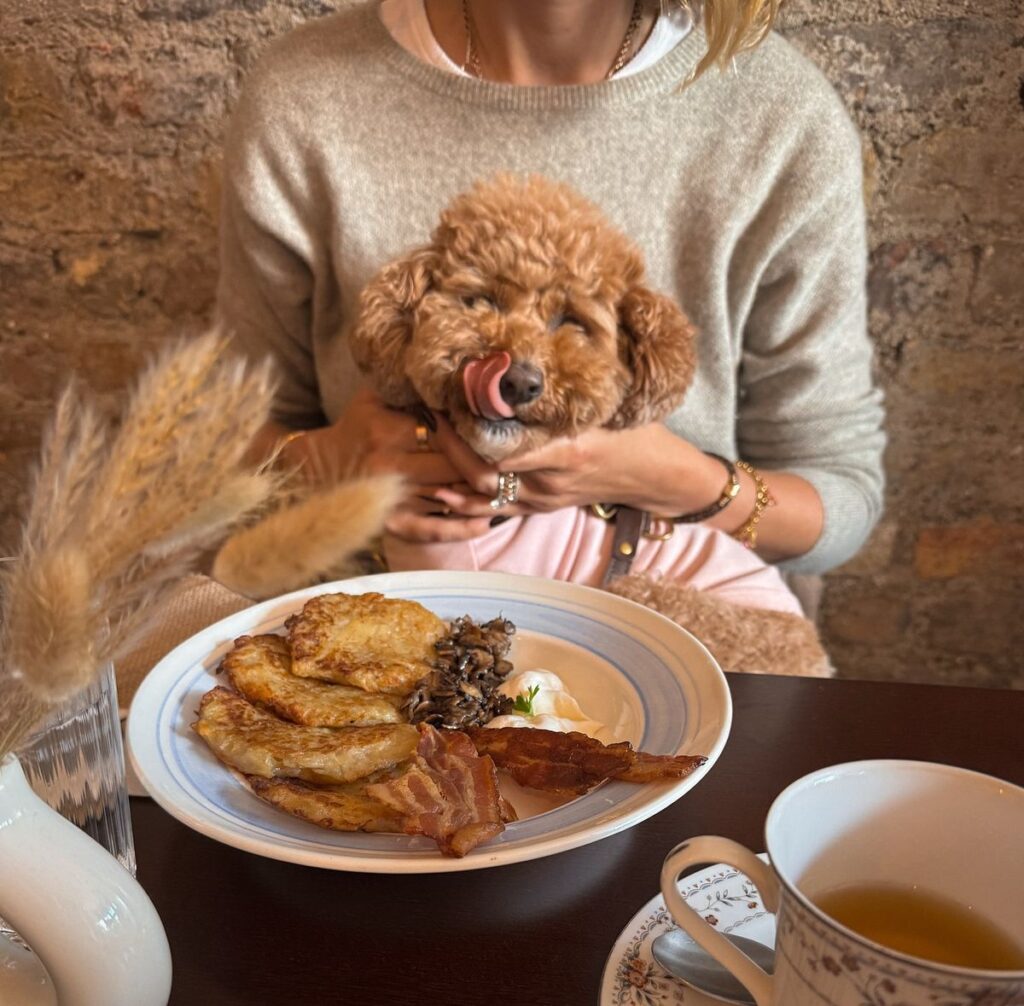
This is especially important for puppies. Growing dogs have specific nutritional requirements, and an unbalanced homemade diet can cause nutritional deficiencies over time. Veterinary guidance is recommended before making homemade food a regular part of your dog’s diet.
Here are five spring-inspired ideas you can prepare for your furry friend.
Top 5 Springtime Recipes for Your Dog
1. Frozen Watermelon Dog Treats
Watermelon can be a refreshing occasional treat because it contains a high amount of water.
Before serving watermelon, remove the seeds and rind. The flesh should be cut into small, manageable pieces appropriate for your dog’s size.
Simple ingredients
- Seedless watermelon
- A small amount of plain coconut milk, if tolerated
How to prepare
Cut the watermelon into small pieces and remove any seeds and rind.
Blend the watermelon until smooth.
Add a small amount of plain coconut milk if desired, then pour the mixture into small silicone molds or an ice cube tray.
Freeze until solid.
Serve one small piece at a time and monitor your dog the first time they try it.
Coconut and coconut products are not generally considered highly toxic to dogs in small amounts, but they can cause digestive upset in some pets because of their fat content.
For puppies, remember that treats should only make up a small part of their overall food intake.
2. Yogurt, Peanut Butter and Banana Treats
Peanut butter, banana, and plain yogurt can be combined into a simple frozen snack.
The most important consideration is checking the peanut butter label.
Never use a peanut butter product containing xylitol.
Xylitol can cause dangerous low blood sugar and potentially severe liver injury in dogs. It is found in some sugar-free products, so checking the ingredient label is essential.
Ingredients
- 1 ripe banana
- 2 to 3 tablespoons of xylitol-free peanut butter
- Plain unsweetened yogurt
How to prepare
Mash the banana in a bowl.
Add the peanut butter and plain yogurt.
Mix until the ingredients are combined.
Spoon small portions into an ice cube tray or silicone mold.
Freeze until firm.
Allow the treat to soften slightly before giving it to your dog.
Because some dogs have difficulty digesting dairy products, start with a small amount. Dairy can cause digestive upset in pets that do not tolerate lactose well.
3. Homemade Cranberry Dog Cookies
Cranberries can be used as an occasional ingredient in homemade dog treats.
Rather than adding large amounts of sugar or sweeteners, keep the recipe simple and use dog-safe ingredients.
Ingredients
- Almond flour
- Coconut flour
- Plain cranberries
- Water as needed
How to prepare
Combine the flours in a mixing bowl.
Add a small amount of water until a firm dough forms.
Mix in a modest amount of cranberries.
Roll the dough flat and cut it into small shapes.
Place the cookies on a baking sheet and bake according to your chosen dog-safe recipe.
Allow them to cool completely before serving.
Keep portions small because treats should complement your dog’s normal diet rather than replace it.
Also avoid adding raisins or grapes. Grapes and raisins can cause kidney damage in dogs and should never be included in homemade dog treats.
4. Turkey, Rice and Vegetable Mix
A simple turkey, rice, and vegetable mixture can sound like a wholesome meal, but there is an important distinction between an occasional topper and a complete homemade diet.
A mixture of meat, carbohydrates, and vegetables does not automatically provide all the nutrients a dog needs.
Veterinary nutrition guidance explains that homemade diets can become deficient in essential nutrients if they are not properly formulated. This is particularly important for growing puppies.
Ingredients for an occasional treat or topper
- Cooked lean turkey
- Plain cooked rice
- Dog-safe vegetables such as carrots or green beans
- Water as needed
Preparation
Cook the turkey thoroughly without seasoning.
Prepare plain rice separately.
Cook the vegetables until they are soft enough for your dog to eat safely.
Allow everything to cool.
Combine a small portion and serve alongside your dog’s normal complete and balanced food.
Avoid onions, garlic, excessive salt, butter, and heavily seasoned ingredients. Onions, garlic, and chives can cause gastrointestinal irritation and red blood cell damage in dogs.
If you want to feed a homemade diet regularly, speak with your veterinarian or a qualified veterinary nutritionist rather than relying on a general internet recipe.
5. Dog-Friendly Beef Stew
A homemade beef stew can be an appealing occasional meal topper.
However, traditional human beef stew often contains ingredients that are inappropriate for dogs, including onions, garlic, excessive salt, and rich sauces.
A dog-friendly version should be much simpler.
Ingredients
- Lean beef stew meat
- Sweet potato
- Carrots
- Green beans
- Water
How to prepare
Cut the beef into small pieces.
Cook the beef thoroughly without adding onion, garlic, salt, or seasoning.
Peel and cook the sweet potato.
Add chopped carrots and green beans.
Combine the ingredients with enough water to create a simple stew.
Allow it to cool completely before serving.
For an occasional treat, serve a small portion with your dog’s normal food.
Do not assume that feeding beef, vegetables, and carbohydrates alone provides complete nutrition. Long-term homemade diets should be formulated specifically for the individual dog.
Important Safety Tips for Homemade Dog Treats
Homemade treats can be enjoyable, but ingredient safety is extremely important.
Before preparing food for your dog, check every ingredient.
Avoid Xylitol
Xylitol is particularly dangerous for dogs.
It can appear in sugar-free peanut butter, candy, baked goods, and other products.
Always check the label before giving your dog peanut butter or any processed human food.
Avoid Grapes and Raisins
Grapes and raisins can cause kidney damage in dogs.
Never substitute raisins for cranberries in a dog treat recipe.
Avoid Onions and Garlic
Onions, garlic, and related Allium vegetables can damage red blood cells and may cause anemia in dogs.
Do not use them to flavor homemade dog food.
Avoid Chocolate
Chocolate is another important food that should never be included in homemade dog treats.
Keep chocolate, cocoa powder, and chocolate-containing desserts away from your dog.
Be Careful With Dairy
Some dogs tolerate small quantities of plain yogurt, while others develop digestive problems.
If your dog has never eaten yogurt before, start with a very small amount and monitor them.
Keep Treats Small
A treat does not need to be large to be rewarding.
Small portions are particularly important for puppies and smaller breeds because excess calories can quickly add up.
Can Puppies Eat Homemade Dog Treats?
Many puppies can enjoy appropriate dog-safe treats in small quantities, but their primary diet should provide complete and balanced nutrition for their life stage.

Growing puppies have specific nutritional requirements. Feeding homemade food as a major part of the diet without professional formulation can create nutritional imbalances.
For a young Cavapoo, treats can also be useful during training.
A tiny piece of a suitable treat can help reinforce behaviors such as:
- Sitting
- Coming when called
- Walking politely
- Going into the crate
- Responding to their name
- Calm behavior
If you are raising a Cavapoo puppy, our Cavapoo Puppy Care Guide provides additional information about everyday puppy care.
How Often Should You Give Your Dog Homemade Treats?
Homemade treats should generally be offered in moderation.
Your dog’s main food should remain the foundation of their nutrition.
The appropriate amount of treats depends on your dog’s size, age, activity level, health, and overall calorie intake.

If your dog has allergies, diabetes, obesity, gastrointestinal problems, or another health condition, ask your veterinarian before introducing new foods.
What If My Dog Has a Sensitive Stomach?
Introduce new foods gradually.
Giving a dog several unfamiliar ingredients at once can make it difficult to determine which ingredient caused a digestive reaction.
Start with a tiny portion of one new food.
Watch for vomiting, diarrhea, excessive gas, itching, or other unusual symptoms.
If your dog develops significant or persistent symptoms, contact your veterinarian.
Homemade Food Should Not Replace Balanced Dog Food Without Guidance
One of the biggest mistakes owners make is assuming that a meal containing meat, rice, and vegetables is automatically nutritionally complete.
It is not.
Dogs require appropriate amounts of proteins, fats, carbohydrates, vitamins, minerals, and other nutrients. Their nutritional requirements also change according to factors such as age, health, activity, and life stage.
Veterinary nutritionists can formulate homemade diets with the correct ingredients, quantities, and supplements for an individual dog.
If you want to make homemade food a regular part of your dog’s diet, discuss your plans with your veterinarian first.
Frequently Asked Questions
What homemade treats can dogs eat?
Dogs can enjoy certain homemade treats containing appropriate ingredients such as small amounts of watermelon, banana, plain yogurt, xylitol-free peanut butter, carrots, or cooked lean meat. Individual tolerance varies.
Can dogs eat watermelon?
Many dogs can eat small amounts of watermelon flesh. Remove the seeds and rind before serving and introduce it gradually.
Can dogs eat peanut butter?
Dogs can eat some peanut butter products, but always check the ingredients for xylitol. Xylitol is dangerous to dogs.
Can dogs eat bananas?
Bananas can be offered as an occasional treat in small portions. Their natural sugar content means they should not become a major part of your dog’s diet.
Can dogs eat yogurt?
Some dogs tolerate plain yogurt, while others experience digestive upset. Start with a small amount if your dog has never eaten it before.
Are homemade dog meals healthy?
Homemade meals can be appropriate when properly formulated, but simply combining meat, vegetables, and carbohydrates does not guarantee complete nutrition. Long-term homemade diets should be formulated with veterinary guidance.
Can puppies eat homemade dog food?
Puppies can have suitable treats in moderation, but their main diet should be complete and balanced for growth. Regular homemade feeding should be discussed with a veterinarian or veterinary nutritionist.
What ingredients should never be used in homemade dog treats?
Avoid xylitol, grapes, raisins, onions, garlic, chocolate, and other ingredients known to be toxic or unsafe for dogs.
Can I use homemade food as a meal replacement?
Do not routinely replace your dog’s complete and balanced food with an unformulated homemade recipe. Nutritional deficiencies can develop over time.
What should I do if my dog eats something toxic?
Contact your veterinarian or an animal poison-control service promptly. Do not wait for symptoms to become severe before seeking advice.
Final Thoughts
Spring is a great opportunity to experiment with simple, dog-friendly treats and spend more time enjoying your dog.
Frozen watermelon, banana and yogurt bites, small cranberry cookies, simple vegetable combinations, and plain cooked meats can all be incorporated into occasional treats when appropriate for your individual dog.
The most important rule is moderation and ingredient safety.
For puppies especially, treats should complement a nutritionally complete diet rather than replace it. If you are considering a homemade diet as a regular feeding plan, consult your veterinarian or a qualified veterinary nutritionist first.
If you are preparing for a new Cavapoo puppy, explore our Available Cavapoo Puppies and learn more about the breed through our Cavapoo Breed Guide.
Continue Learning About Cavapoos
- Available Cavapoo Puppies
- Cavapoo Breed Guide
- Cavapoo Care Guide
- Cavapoo Buying Guide
- How to Train a Cavapoo Puppy
- Puppy Buying Checklist
- Questions to Ask Before Buying a Cavapoo Puppy
- Health Guarantee
- Shipping & Delivery
- Adoption Process
- Frequently Asked Questions
Recommended External Resources
For additional dog nutrition and food-safety information, consult these veterinary and animal-welfare resources:
- VCA Animal Hospitals – Home-Prepared Diets — Guidance on balanced homemade diets and why puppies have specific nutritional requirements.
- VCA Animal Hospitals – Natural Approaches to Feeding — Information about the benefits and limitations of home-prepared diets.
- ASPCA – People Foods to Avoid Feeding Your Pets — A useful reference for foods and ingredients that can be dangerous to dogs.
- ASPCA – Top Pet Toxins — Current information about common pet toxin exposures.
