Cavapoo Breed Information
Water Dogs: The Ultimate Guide to Dog Breeds That Love Swimming
Aug
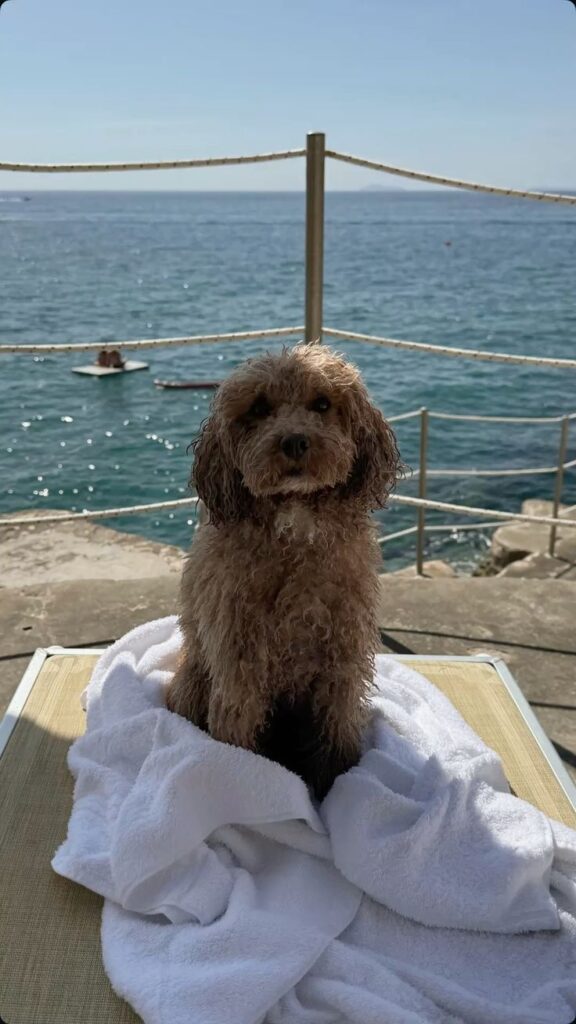
Some dogs can’t resist jumping into a lake, chasing waves at the beach, or splashing through every puddle they find. Others prefer staying dry and watching the fun from the shoreline(The Ultimate Guide to Dog Breeds That Love Swimming). This difference isn’t just about personality—many breeds were originally developed to work in and around water, giving them natural swimming abilities that have been refined over generations.
Whether you’re looking for a dog that can join you on boating adventures, accompany you to the beach, retrieve toys from the water, or simply enjoy swimming on hot summer days, understanding water-loving breeds can help you choose the right companion.
At Atlantic Cavapoo Puppies, we believe that selecting a puppy should always begin with understanding the breed’s natural instincts, personality, exercise needs, and lifestyle compatibility. While many families searching for a companion choose a Cavapoo because of its affectionate temperament, some owners also enjoy outdoor activities and wonder whether their future puppy will enjoy water.
This guide explores the world’s best water dogs, explains why some breeds are exceptional swimmers, discusses which breeds may struggle in the water, and provides practical safety advice for every dog owner.
The Ultimate Guide to Dog Breeds That Love Swimming:What Is a Water Dog?
A water dog is a breed that has historically been developed to work in lakes, rivers, marshes, wetlands, or coastal environments.
Many of these breeds assisted hunters by retrieving ducks and other game birds from cold water. Others worked alongside fishermen by retrieving nets, carrying messages between boats, or even performing water rescues.
Because of these working backgrounds, many water dogs developed physical characteristics that make swimming easier than it is for many other breeds.
Common characteristics include:
- Webbed feet for improved propulsion
- Strong shoulders and muscular hindquarters
- Thick, water-resistant coats
- Excellent endurance
- High intelligence
- Confidence in unfamiliar environments
- Strong retrieving instincts
Although genetics play an important role, every dog has its own personality. Even breeds famous for loving water may have individual dogs that prefer staying on dry land.
Why Do Some Dogs Naturally Love Water?
The answer lies in centuries of selective breeding.
Hunters, fishermen, and farmers relied on dogs that could confidently enter lakes and rivers regardless of weather conditions.
Dogs that showed excellent swimming ability, strong retrieving instincts, and willingness to work in cold water were selected for breeding generation after generation.
Today, many of these instincts remain.
A Labrador Retriever often retrieves toys from pools without training.
A Portuguese Water Dog may naturally enjoy swimming beside a boat.
A Newfoundland instinctively uses powerful swimming strokes that once helped rescue drowning sailors.
These behaviors aren’t accidents—they’re part of the history of each breed.
Physical Features That Make Great Swimmers
Several physical characteristics help certain breeds perform exceptionally well in water.
Webbed Feet
Many water dogs possess partially webbed feet.
These webs function like paddles, allowing dogs to push more water with each stroke and swim more efficiently.
Breeds such as the Labrador Retriever, Chesapeake Bay Retriever, Portuguese Water Dog, and Newfoundland all benefit from this adaptation.
Water-Resistant Coats
Many sporting breeds have double coats designed to repel water.
Rather than becoming completely soaked, the outer coat sheds much of the moisture while the dense undercoat helps maintain body temperature in cold conditions.
This natural insulation allows these dogs to spend longer periods retrieving game from lakes and marshes.
Powerful Tails
Some breeds use their tails almost like rudders.
The Labrador Retriever’s famous “otter tail” helps provide balance and steering while swimming.
Strong tails improve maneuverability in currents and rough water.
Athletic Build
Most natural swimmers possess:
- Strong shoulders
- Deep chests
- Excellent muscle tone
- Good cardiovascular endurance
- Balanced body proportions
These features allow them to move efficiently through water without tiring quickly.
Can Every Dog Swim?
Contrary to popular belief, the answer is no.
While many dogs instinctively paddle when placed in water, not every breed swims well.
Some breeds have body structures that make swimming difficult, including:
- Short legs
- Heavy front bodies
- Flat faces (brachycephalic breeds)
- Long backs
- Large heads
- Limited stamina
Even dogs capable of swimming should never be left unsupervised around water.
Swimming ability varies from one individual dog to another.
Do Cavapoos Like Water?
One question we often hear at Atlantic Cavapoo Puppies is:
“Do Cavapoos enjoy swimming?”
The answer depends largely on the individual puppy.
Because the Cavapoo combines the affectionate Cavalier King Charles Spaniel with the intelligent Poodle, many Cavapoos enjoy playing in shallow water, chasing sprinklers, or swimming with their families after proper introductions.
Some inherit more confidence from their Poodle ancestry, while others prefer relaxing beside the pool instead of jumping in.
The key is introducing water gradually.
Never force a puppy into deep water.
Instead:
- Start with shallow areas.
- Use positive reinforcement.
- Keep sessions short.
- Allow the puppy to explore at its own pace.
- Reward confidence with praise and treats.
Many Cavapoos become enthusiastic swimmers when introduced slowly and positively.
Safe Ways to Introduce Your Dog to Water
Whether your puppy is a Cavapoo or another breed, positive experiences create confident swimmers.
Begin in calm, shallow water where your dog can comfortably stand.
Bring favorite toys to encourage exploration.
Stay close to provide reassurance while allowing your puppy to build confidence naturally.
Avoid loud environments or strong currents during early experiences.
Never throw your dog into water.
Fear during the first introduction can create lasting anxiety.
Instead, allow curiosity to guide the experience.
Many puppies become comfortable after only a few short sessions.
Essential Water Safety Tips
Even experienced swimming breeds need protection.
Before every swimming adventure:
- Provide fresh drinking water.
- Avoid strong currents.
- Watch for signs of exhaustion.
- Rinse your dog’s coat after swimming.
- Dry ears thoroughly to reduce the risk of infections.
- Supervise children and dogs together.
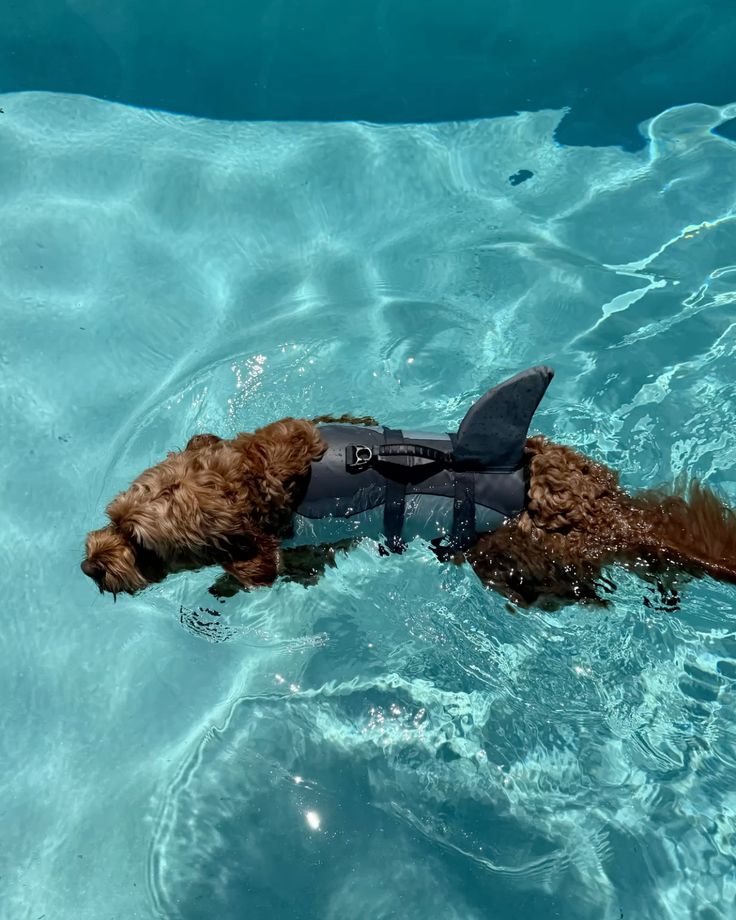
- Use a canine life jacket during boating trips.
- Never leave dogs unattended around pools.
Swimming should always be fun—not dangerous.
With preparation and supervision, water activities can become one of your dog’s favorite forms of exercise.
The Best Water Dog Breeds
Many breeds enjoy water, but some have earned worldwide recognition for their exceptional swimming abilities, intelligence, and athleticism.
In the next section, we’ll explore some of the most popular sporting water dogs, including Labrador Retrievers, Golden Retrievers, Chesapeake Bay Retrievers, American Water Spaniels, Boykin Spaniels, Brittanys, and several other breeds that have spent generations working alongside hunters and outdoor enthusiasts.
Popular Sporting Water Dog Breeds
Sporting dogs have worked alongside hunters for centuries, retrieving birds from lakes, marshes, rivers, and wetlands. These breeds are admired for their intelligence, endurance, trainability, and natural love of water.
Many continue to excel in hunting, dock diving, obedience competitions, and active family life.
Labrador Retriever
The Labrador Retriever is widely recognized as one of the world’s greatest swimming dogs.
Originally developed to help fishermen retrieve fishing nets and escaped fish before becoming a waterfowl retriever, the Labrador combines intelligence, strength, and enthusiasm with a genuine love for water.
Breed Highlights
- Average Weight: 55–80 pounds
- Life Expectancy: 11–13 years
- Sporting Group
- Excellent family companion
- Highly trainable
- Exceptional swimmer
Labradors possess several physical features that make swimming easier, including their famous “otter tail,” water-resistant double coat, and webbed feet.
Their friendly personality makes them equally happy retrieving ducks during hunting season or swimming beside children during a summer vacation.
Golden Retriever
Golden Retrievers were originally bred to retrieve birds from lakes and rivers without damaging the game.
Today they remain one of America’s most popular family dogs because of their affectionate personality, intelligence, and willingness to please.
Breed Highlights
- Average Weight: 55–75 pounds
- Life Expectancy: 10–12 years
- Sporting Group
- Outstanding family dog
- Excellent swimmer
- Highly intelligent
Their dense double coat helps protect them from cold water while allowing them to retrieve comfortably for extended periods.
Goldens also excel in therapy work, obedience, agility, and search-and-rescue.
Chesapeake Bay Retriever
Few breeds are better equipped for harsh water conditions than the Chesapeake Bay Retriever.
Developed around the Chesapeake Bay region, these powerful retrievers worked tirelessly in freezing temperatures while retrieving hundreds of ducks during hunting trips.
Breed Highlights
- Average Weight: 55–80 pounds
- Life Expectancy: 10–13 years
- Sporting Group
- Powerful swimmer
- Protective family companion
- Exceptional endurance
Unlike many retrievers, Chessies tend to be slightly more reserved with strangers while remaining deeply loyal to their families.
Their thick oily double coat provides outstanding protection against icy water.
American Water Spaniel
The American Water Spaniel is one of the few breeds developed entirely in the United States.
Originally bred in the Great Lakes region, this versatile sporting dog retrieves birds from both land and water with equal enthusiasm.
Breed Highlights
- Average Weight: 25–45 pounds
- Life Expectancy: 10–14 years
- Sporting Group
- Medium-sized retriever
- Excellent swimmer
- Friendly personality
Although relatively uncommon today, the American Water Spaniel remains an energetic companion for active families who enjoy outdoor adventures.
Boykin Spaniel
South Carolina’s official state dog was developed specifically for retrieving birds from swamps and shallow waterways.
Boykin Spaniels combine enthusiasm, intelligence, and athletic ability in a compact package.
Breed Highlights
- Average Weight: 25–40 pounds
- Life Expectancy: 10–15 years
- Sporting Group
- Strong retrieving instincts
- Friendly temperament
- Excellent family companion
Their waterproof coat and naturally webbed feet help them navigate marshes with remarkable ease.
Brittany
The Brittany is celebrated for its incredible stamina and versatility.
Although many people associate Brittanys with upland bird hunting, they are equally comfortable retrieving from ponds and streams.
Breed Highlights
- Average Weight: 30–40 pounds
- Life Expectancy: 12–14 years
- Sporting Group
- High energy
- Extremely intelligent
- Athletic swimmer
Because of their energy level, Brittanys thrive with owners who enjoy hiking, camping, swimming, and outdoor sports.
German Shorthaired Pointer
The German Shorthaired Pointer is one of the most versatile sporting breeds in the world.
These athletic dogs can track, point, retrieve, and swim with remarkable efficiency.
Breed Highlights
- Average Weight: 45–70 pounds
- Life Expectancy: 10–12 years
- Sporting Group
- Outstanding endurance
- Multi-purpose hunting dog
- Confident swimmer
Their lean athletic build allows them to cover large distances both on land and in water.
Owners should provide plenty of exercise to keep these intelligent dogs physically and mentally satisfied.
English Setter
Graceful and elegant, the English Setter is another sporting breed that enjoys spending time in the water.
Originally bred for bird hunting, they combine excellent scenting ability with an affectionate personality.
Breed Highlights
- Average Weight: 45–80 pounds
- Life Expectancy: Around 12 years
- Sporting Group
- Gentle temperament
- Excellent with families
- Strong swimming ability
Their friendly personality often makes them wonderful companions for active households with children.
Nova Scotia Duck Tolling Retriever
Often called simply the “Toller,” this energetic retriever is the smallest member of the retriever family.
Despite its size, it possesses tremendous stamina and an incredible passion for retrieving.
Breed Highlights
- Average Weight: 35–50 pounds
- Life Expectancy: 12–14 years
- Sporting Group
- Energetic and intelligent
- Excellent swimmer
- Highly trainable
The breed earned its name from its unique hunting style, using playful movements near shorelines to attract curious ducks within range of hunters.
Lagotto Romagnolo
Originally developed in Italy as a water retriever, the Lagotto Romagnolo later became famous for another remarkable skill—locating valuable truffles.
Breed Highlights
- Average Weight: 24–35 pounds
- Life Expectancy: 15–17 years
- Sporting Group
- Curly waterproof coat
- Friendly personality
- Outstanding sense of smell
Although many Lagotti now work as truffle hunters rather than water retrievers, they continue to enjoy swimming and outdoor adventures with their families.
Which Sporting Water Dog Is Right for You?
Every sporting breed has its own personality and exercise requirements.
If you enjoy:
- Hiking
- Boating
- Kayaking
- Camping
- Hunting
- Dock diving
- Long walks
- Outdoor adventures
A sporting water dog may be an excellent companion.
However, families looking for a more moderate activity level often choose companion breeds that still enjoy outdoor adventures without requiring constant high-intensity exercise.
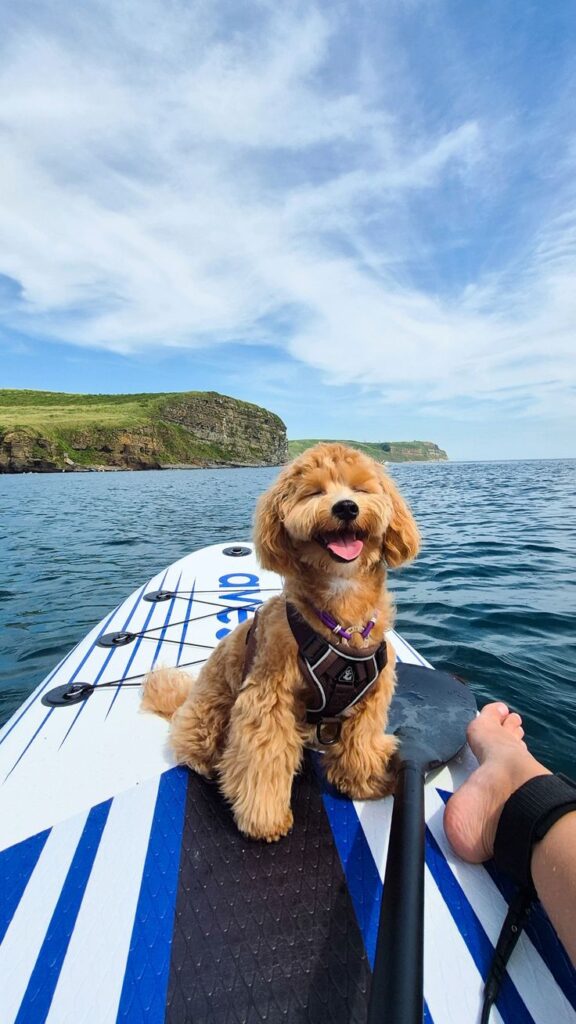
For example, many Cavapoos enjoy swimming, paddleboarding, lakeside walks, and beach outings while also being happy to relax indoors after exercise. Their adaptable personality makes them a wonderful option for families who want a balance between adventure and everyday companionship.
If you’re researching whether a Cavapoo fits your lifestyle, our Cavapoo Breed Guide, Cavapoo Care Guide, and How to Train a Cavapoo Puppy offer detailed information about exercise, temperament, grooming, and daily care.
Working Water Dogs and Other Incredible Swimming Breeds
Not every excellent swimming dog belongs to the Sporting Group. Several Working and Herding breeds have developed exceptional swimming abilities through centuries of performing demanding jobs alongside fishermen, rescue teams, and farmers.
These breeds combine intelligence, strength, courage, and endurance, making them some of the most impressive canine athletes in the world.
Newfoundland
Few dogs are as legendary in the water as the Newfoundland.
Originally developed in Newfoundland, Canada, these gentle giants worked alongside fishermen by pulling nets, retrieving equipment, and rescuing people from dangerous waters.
Their powerful swimming ability has saved countless lives over the years.
Breed Highlights
- Average Weight: 100–150 pounds
- Life Expectancy: 9–10 years
- Working Group
- Outstanding rescue swimmer
- Calm and gentle temperament
- Excellent family companion
Newfoundlands have muscular bodies, partially webbed feet, and thick water-resistant coats that help them swim comfortably in extremely cold conditions.
Despite their impressive size, they are known for being patient, affectionate, and gentle with children.
Portuguese Water Dog
As the name suggests, the Portuguese Water Dog was specifically developed to work on fishing boats.
For centuries these hardworking dogs helped fishermen retrieve lost tackle, carry messages between boats, herd fish into nets, and recover equipment that fell overboard.
Breed Highlights
- Average Weight: 35–60 pounds
- Life Expectancy: 11–13 years
- Working Group
- Waterproof curly coat
- Intelligent and energetic
- Strong swimming instincts
Portuguese Water Dogs are highly trainable and require plenty of physical activity and mental stimulation to remain happy.
Their curly coat sheds very little, although regular grooming is still necessary.
Standard Poodle
Many people know the Poodle for its elegant appearance, but few realize it was originally developed as a water retriever.
In fact, the name “Poodle” comes from the German word meaning “to splash in water.”
Long before becoming one of the world’s most recognizable companion dogs, Standard Poodles spent their days retrieving waterfowl from lakes and marshes.
Breed Highlights
- Average Weight: 40–70 pounds
- Life Expectancy: 10–18 years
- Highly intelligent
- Athletic swimmer
- Excellent retriever
- Easy to train
The traditional Poodle haircut wasn’t created for fashion.
The clipped coat helped reduce drag while swimming, while strategically placed pom-poms protected vital joints and organs from cold water.
Today, many Standard Poodles continue to excel in dock diving, obedience, agility, and water sports.
German Shepherd Dog
Although German Shepherds were originally developed for herding livestock, their intelligence and athleticism allow many of them to become capable swimmers.
Many German Shepherds enjoy swimming, especially when introduced to water at an early age.
Breed Highlights
- Average Weight: 50–90 pounds
- Life Expectancy: 12–14 years
- Herding Group
- Highly intelligent
- Loyal and courageous
- Strong working ability
Swimming provides excellent low-impact exercise for German Shepherds, but owners should avoid prolonged swimming sessions in very cold water.
Always monitor your dog’s energy level and provide frequent rest breaks.
Other Water-Loving Dog Breeds
Several additional breeds enjoy swimming and outdoor adventures, even if they aren’t as commonly discussed.
These include:
Barbet
The Barbet is a French water dog recognized for its curly waterproof coat and friendly personality.
Originally used for retrieving waterfowl, this intelligent breed enjoys swimming, training, and family activities.
Curly-Coated Retriever
One of the oldest retriever breeds, the Curly-Coated Retriever combines strength, intelligence, and excellent swimming ability.
Its tightly curled coat helps protect the dog from cold water and harsh weather.
Irish Water Spaniel
Recognized by its distinctive curly coat and unique “rat tail,” the Irish Water Spaniel is among the oldest and tallest spaniel breeds.
It remains an energetic retriever with outstanding swimming ability.
Otterhound
Originally developed for tracking otters through rivers and marshes, the Otterhound possesses webbed feet, remarkable stamina, and one of the strongest noses in the canine world.
Although relatively rare today, it remains an exceptional swimmer.
Spanish Water Dog
This versatile working breed has historically assisted farmers, fishermen, and shepherds.
Its curly coat and natural athleticism make it an excellent all-around working companion.
Can Cavapoos Enjoy Water Activities?
Although Cavapoos were not originally bred as water-retrieving dogs, many develop a genuine love for water when introduced properly.
Because the breed combines the athletic intelligence of the Poodle with the affectionate nature of the Cavalier King Charles Spaniel, some Cavapoos happily participate in activities such as:
- Swimming in calm lakes
- Splashing in shallow water
- Beach walks
- Paddleboarding
- Canoeing
- Playing with sprinklers
- Retrieving floating toys
Others may simply enjoy sitting beside the water with their families.
Every Cavapoo has its own personality, and owners should always allow puppies to build confidence gradually.
Positive reinforcement, patience, and enjoyable experiences are far more effective than forcing a puppy into unfamiliar situations.
Benefits of Swimming for Dogs
Swimming is one of the healthiest forms of exercise available for many dogs.
When practiced safely, it offers numerous physical and mental benefits.
Low-Impact Exercise
Because water supports much of the body’s weight, swimming places less stress on joints than running on hard surfaces.
This makes it an excellent activity for many adult and senior dogs.
Improved Cardiovascular Health
Swimming strengthens the heart and lungs while building endurance without excessive strain.
Muscle Development
Water resistance naturally strengthens muscles throughout the body, particularly the shoulders, back, and hindquarters.
Mental Stimulation
Exploring new environments helps reduce boredom while building confidence.
Many dogs enjoy retrieving floating toys, navigating gentle waves, and discovering new scents around lakes and beaches.
Weight Management
Regular swimming can help maintain a healthy body condition when combined with proper nutrition and routine veterinary care.
Is Swimming Right for Every Dog?
Even among breeds known for loving water, individual preferences vary.
Some dogs become enthusiastic swimmers after one introduction.
Others may always prefer staying on shore.
Never judge a dog’s personality solely by its breed.
Instead, observe your dog’s confidence, body language, and comfort level.
Respecting those preferences helps build trust while ensuring every experience remains positive.
Dog Breeds That May Struggle in the Water
While many dogs can learn to enjoy swimming, not every breed is naturally built for water.
Body structure, weight distribution, coat type, breathing ability, and stamina all influence how comfortable a dog feels in the water.
That doesn’t mean these breeds cannot enjoy supervised water activities, but they often require additional support and should never be expected to swim long distances.
Some breeds that commonly struggle include:
- Basset Hound
- Bichon Frise
- Boxer
- Bulldog
- French Bulldog
- Chihuahua
- Dachshund
- Maltese
- Pekingese
- Pembroke Welsh Corgi
- Cardigan Welsh Corgi
- Pomeranian
- Pug
- Shih Tzu
- Yorkshire Terrier
Many brachycephalic (flat-faced) breeds have shorter airways, making swimming more challenging. Dogs with very short legs or long backs may also tire more quickly in the water.
Always supervise these breeds closely and consider using a properly fitted canine life jacket.
How to Safely Introduce Your Puppy to Swimming
Whether you own a Cavapoo or another breed, the first introduction to water can shape your dog’s confidence for years to come.
Follow these simple steps:
1. Start Small
Choose shallow, calm water where your puppy can comfortably stand.
Avoid rough waves, fast-moving rivers, or crowded beaches during the first few experiences.
2. Let Curiosity Lead
Allow your puppy to investigate the water at their own pace.
Some puppies will step in immediately, while others may take several visits before becoming comfortable.
Never push or throw a puppy into the water.
3. Use Positive Reinforcement
Reward every successful step with:
- Praise
- Treats
- Favorite toys
- Calm encouragement
Positive experiences build lasting confidence.
4. Keep Sessions Short
Young puppies tire quickly.
Five to ten minutes is often enough during early introductions.
Gradually increase the duration as your puppy becomes stronger and more confident.
5. Finish on a Positive Note
Always end the session before your puppy becomes tired or frightened.
This encourages them to look forward to the next swimming adventure.
Essential Water Safety Tips for Every Dog Owner
Even excellent swimmers can encounter dangerous situations.
Before heading to a lake, river, beach, or pool, keep these safety recommendations in mind.
Always Supervise
Never leave a dog unattended around water.
Even experienced swimmers can panic or become exhausted.
Use a Life Jacket
Life jackets aren’t only for poor swimmers.
They also provide extra safety during:
- Boating
- Kayaking
- Paddleboarding
- Fishing trips
- Open-water swimming
Choose a properly fitted jacket with a sturdy rescue handle.
Watch for Fatigue
Swimming uses muscles differently than walking or running.
Signs of exhaustion include:
- Heavy panting
- Slower paddling
- Difficulty keeping the head above water
- Reluctance to continue
Allow frequent breaks.
Rinse After Swimming
Salt water, chlorine, algae, and lake bacteria can irritate a dog’s skin.
After swimming:
- Rinse the coat thoroughly.
- Dry the ears carefully.
- Brush the coat if needed.
- Check the paws for cuts or debris.
Keep Fresh Water Available
Dogs often drink lake or pool water if they become thirsty.
Bring clean drinking water to reduce the risk of dehydration and stomach upset.
Are Cavapoos Good Swimming Companions?
Many families ask whether a Cavapoo is a good choice for outdoor adventures.
The answer is often yes.
Although Cavapoos aren’t classified as traditional water dogs, many enjoy:
- Family beach trips
- Lake vacations
- Swimming pools
- Splash pads
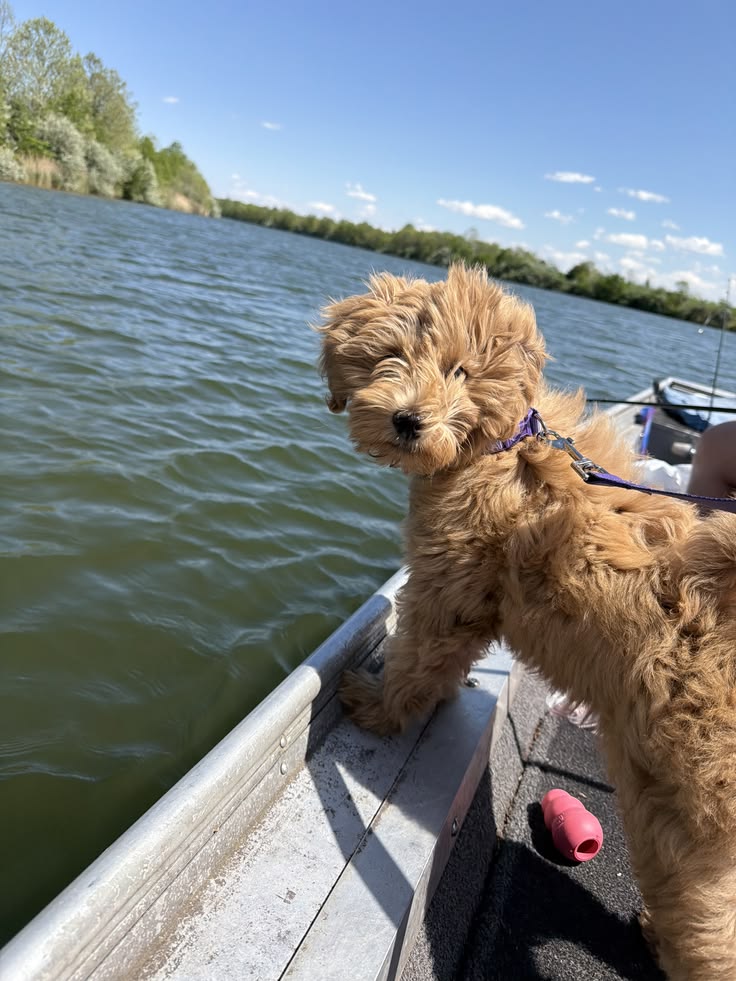
- Boat rides
- Backyard sprinklers
- Gentle swimming sessions
Their intelligence, curiosity, and adaptable personality often make introducing water easier than owners expect.
Remember that every puppy is different.
Some Cavapoos become enthusiastic swimmers.
Others simply enjoy relaxing beside the water while spending time with their family.
Both personalities are perfectly normal.
Frequently Asked Questions
Can all dogs swim naturally?
No. While many dogs instinctively paddle, not every breed is built for efficient swimming.
Do Cavapoos like water?
Many do, especially when introduced gradually using positive reinforcement.
At what age can puppies begin swimming?
Most healthy puppies can begin gentle introductions after receiving guidance from their veterinarian and once they are physically ready.
Should I force my puppy into water?
No.
Forced introductions often create long-lasting fear.
Do dogs need life jackets?
For boating, kayaking, paddleboarding, deep water, or inexperienced swimmers, life jackets are highly recommended.
Is swimming good exercise?
Yes.
Swimming provides excellent cardiovascular exercise while placing less stress on joints.
Which breed is considered the best swimmer?
Labrador Retrievers, Newfoundlands, Chesapeake Bay Retrievers, Portuguese Water Dogs, and Standard Poodles are consistently ranked among the strongest swimming breeds.
Are Poodles naturally good swimmers?
Yes.
Standard Poodles were originally bred as water retrievers.
Can senior dogs swim?
Many can.
Swimming is often recommended as a low-impact exercise, although owners should consult their veterinarian before beginning new activities.
Can swimming help overweight dogs?
Yes.
Combined with proper nutrition and veterinary guidance, swimming can be an excellent way to improve fitness.
Continue Learning About Cavapoos
If you’re researching whether a Cavapoo is the right breed for your family, we invite you to explore our complete educational resources.
Helpful guides include:
- Cavapoo Breed Guide
- Cavapoo Buying Guide
- Cavapoo Care Guide
- How to Train a Cavapoo Puppy
- How to Choose a Reputable Cavapoo Breeder
- Cavapoo Puppy Buying Checklist
- What Comes With a Cavapoo Puppy?
- Cavapoo Size Growth Chart
- Cavapoo Family Dog Guide
These resources are designed to help families make informed decisions before bringing home a puppy.
Final Thoughts
Water-loving dogs have been helping people for hundreds of years, retrieving game, assisting fishermen, performing water rescues, and becoming loyal family companions along the way.
Whether you’re looking for an adventurous sporting breed, a powerful working dog, or a loving companion like the Cavapoo, understanding each breed’s natural instincts helps create a stronger lifelong relationship.
The best dog isn’t simply the strongest swimmer or the fastest retriever.
It’s the one whose personality, energy level, and lifestyle needs match your own.
At Atlantic Cavapoo Puppies, our goal is to help every family make informed, confident decisions when choosing their next companion. Through honest education, responsible breeding practices, and ongoing support, we’re committed to helping puppies and families build happy lives together for many years to come.
If you’re ready to learn more about the Cavapoo breed or browse our available puppies, explore our educational resources or contact our team. We’re always happy to answer questions and help you find the perfect four-legged companion.
