
Cavapoo Breed Information
All About the Working Group: Powerful, Intelligent Dogs Bred to Work Alongside Humans
Aug
Working dogs have earned their reputation through centuries of loyalty, intelligence, courage, and dedication (All About the Working Group: Powerful, Intelligent Dogs Bred to Work Alongside Humans). These remarkable breeds were developed to perform demanding jobs, from guarding homes and livestock to assisting in search and rescue operations, pulling sleds across frozen landscapes, and serving alongside military and police teams.
While many working breeds have transitioned into beloved family companions, their instincts, strength, and drive remain deeply rooted in their history. Understanding these characteristics is essential before welcoming one of these impressive dogs into your home.
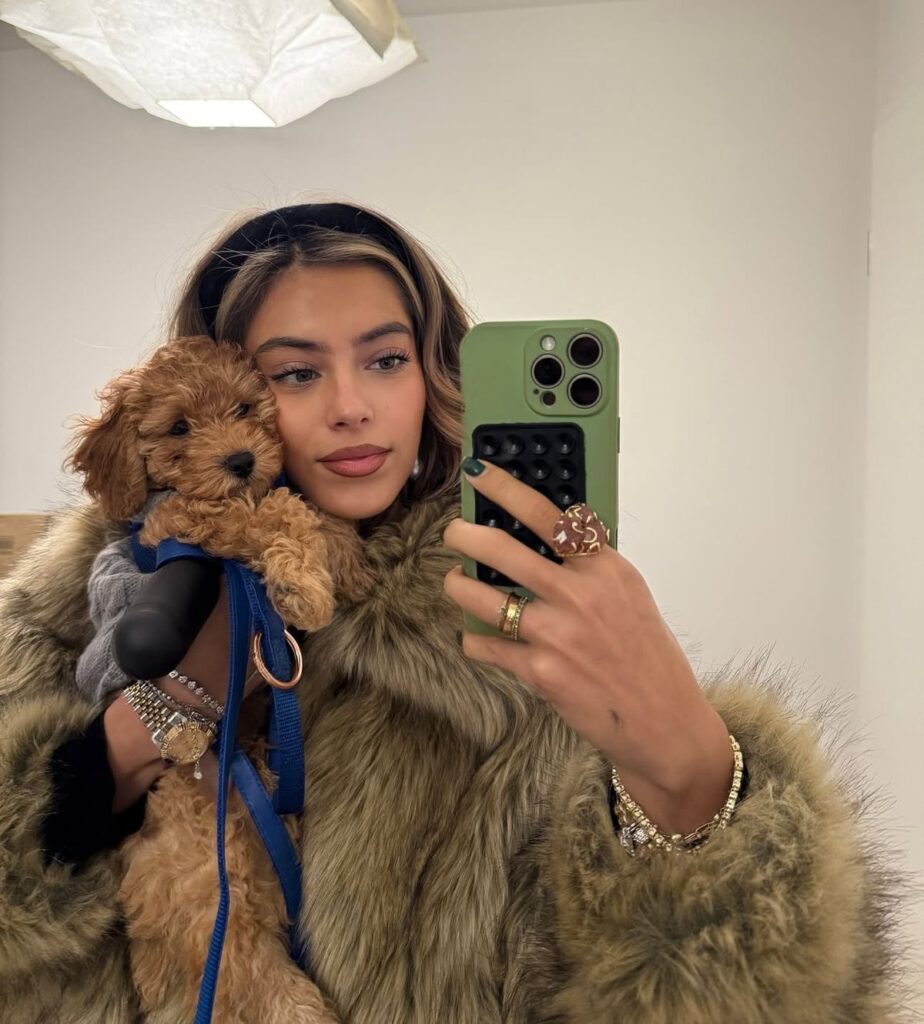
At Atlantic Cavapoo Puppies Home, we believe every prospective dog owner should learn about different breeds before making a lifelong commitment. Even if you’re specifically searching for Cavapoo Puppies for Sale, understanding the traits of larger working breeds can help you appreciate why different dogs excel in different lifestyles and environments.
What Is the Working Group?
The American Kennel Club (AKC) divides recognized breeds into several groups based on their historical purpose and shared characteristics. The Working Group includes breeds originally developed to assist people with physically demanding tasks requiring strength, endurance, intelligence, and reliability.
Throughout history, these dogs have served as:
- Livestock guardians
- Farm helpers
- Estate protectors
- Search and rescue dogs
- Water rescue specialists
- Military and police K9s
- Sled dogs
- Cart-pulling dogs
- Service and assistance dogs
Unlike companion breeds that were developed primarily for friendship, working dogs were expected to solve problems, make decisions, and complete difficult jobs alongside humans.
All About the Working Group: Characteristics of Working Dogs
Although every breed has its own personality, most working dogs share several important traits.
Highly Intelligent
Working breeds are quick learners because they were bred to understand commands and complete complex tasks. Many excel in obedience, advanced training, scent work, and canine sports.
Strong Protective Instincts
Many working dogs naturally protect their families and property. Proper training and early socialization help these instincts develop into calm confidence instead of unnecessary suspicion.
Athletic and Energetic
Most working breeds require regular exercise and mental stimulation. Daily walks alone may not satisfy breeds originally developed for physically demanding work.
Loyal Family Companions
Despite their powerful appearance, many working breeds become incredibly affectionate with their families. They often develop deep bonds with their owners and enjoy participating in everyday family activities.
Are Working Dogs Right for First-Time Owners?
Working breeds can make wonderful companions, but they are not always the best choice for inexperienced owners.
Many require:
- Consistent leadership
- Daily exercise
- Ongoing training
- Early socialization
- Mental enrichment
- Plenty of space
Families looking for a lower-maintenance companion often find that designer breeds like the Cavapoo offer a more balanced lifestyle. If you’re researching different breeds, our Cavapoo Breed Guide explains why Cavapoos have become one of America’s favorite family dogs.
Why Proper Research Matters
Choosing a dog should never be based on appearance alone.
A beautiful breed may not fit your lifestyle if it requires several hours of exercise every day or thrives only when given a job to perform.
Before bringing home any puppy, ask yourself:
- How active is my family?
- Do I have enough time for training?
- How much space does my dog need?
- Am I prepared for regular grooming?
- What temperament best suits my household?
Answering these questions honestly helps ensure a successful lifelong relationship between you and your future companion.
Akita
Breed Overview
- Weight: 70–130 pounds
- Life Expectancy: 10–14 years
- Group: Working
- Origin: Japan
The Akita is one of Japan’s most respected and recognizable dog breeds. Originally developed to hunt large game such as wild boar and bears, the breed later became a symbol of loyalty, courage, and protection.
Today, Akitas are admired for their quiet confidence and unwavering devotion to their families.
Temperament
Akitas are independent thinkers who often form exceptionally close bonds with their owners. Rather than constantly seeking attention, they tend to observe situations calmly before acting.
Although affectionate with family members, Akitas are naturally reserved around strangers. Early socialization is especially important to help them become well-mannered adult dogs.
Exercise and Training
Akitas are intelligent but can also be stubborn. Positive, consistent training beginning in puppyhood produces the best results.
Daily walks, structured activities, and mentally stimulating games help keep this breed physically and mentally satisfied.
Is an Akita Right for You?
The Akita is generally better suited for experienced dog owners who understand confident, independent breeds. Families willing to invest time in training and socialization are rewarded with an incredibly loyal companion.
Alaskan Malamute
Breed Overview
- Weight: 75–85 pounds
- Life Expectancy: 10–14 years
- Group: Working
- Origin: Alaska
The Alaskan Malamute is among the oldest Arctic sled dogs in the world. Developed to pull heavy loads across frozen terrain, these dogs possess tremendous endurance, strength, and determination.
Their thick double coats, muscular bodies, and wolf-like appearance make them one of the most recognizable working breeds.
Personality
Despite their impressive size, Malamutes are generally friendly, affectionate, and playful with people.
Unlike many guardian breeds, they are more likely to greet strangers than guard against them, making them excellent family companions but less effective watchdogs.
Exercise Requirements
Malamutes need substantial daily exercise.
Long walks, hiking, pulling sports, and interactive games help satisfy their physical and mental needs. Without adequate stimulation, they may become bored and destructive.
Grooming
Their dense double coat sheds heavily, particularly during seasonal coat changes. Routine brushing helps control loose hair and keeps the coat healthy.
Anatolian Shepherd
Breed Overview
- Weight: 80–150 pounds
- Life Expectancy: 11–13 years
- Group: Working
- Origin: Turkey
The Anatolian Shepherd has protected livestock for thousands of years. This ancient guardian breed combines remarkable independence with exceptional courage.
Unlike herding breeds that move livestock, Anatolians focus on protecting animals from predators.
Temperament
Calm, observant, and highly intelligent, Anatolian Shepherds constantly assess their surroundings.
They develop strong bonds with their families while remaining cautious around unfamiliar people and animals.
Training
Because they naturally think for themselves, Anatolians respond best to patient, consistent leadership rather than harsh corrections.
Proper socialization from an early age helps them become confident adult dogs.
Best Home
Large rural properties or homes with secure fenced yards are generally better suited to this powerful breed than apartment living.
Bernese Mountain Dog
Breed Overview
- Weight: 70–115 pounds
- Life Expectancy: 7–10 years
- Group: Working
- Origin: Switzerland
The Bernese Mountain Dog is famous for its striking tri-color coat, calm temperament, and affectionate personality.
Originally bred in the Swiss Alps, Berners worked as draft dogs, livestock guardians, and dependable farm companions.
Personality
Bernese Mountain Dogs are gentle giants that typically enjoy spending time with children and other pets.
They thrive on companionship and prefer being involved in family activities rather than spending long periods alone.
Exercise Needs
Moderate daily exercise usually keeps Berners happy.
Walks, light hiking, obedience work, and interactive play provide both physical activity and mental stimulation.
Grooming
Their beautiful double coat requires regular brushing throughout the year, with heavier shedding during seasonal coat changes.
Working Dogs vs. Family Companion Dogs
Working breeds are extraordinary animals with impressive abilities, but they aren’t the ideal choice for every household.
Families seeking a smaller, affectionate companion that combines intelligence with a more adaptable lifestyle often choose Cavapoo puppies instead. Cavapoos inherit many desirable qualities from both the Cavalier King Charles Spaniel and the Poodle, making them excellent companions for first-time owners, families with children, retirees, and apartment dwellers alike.
If you’re comparing breeds before making your decision, explore our comprehensive Cavapoo Buying Guide, Cavapoo Care Guide, and Available Cavapoo Puppies to learn why this breed has become one of America’s most popular family dogs.
Black Russian Terrier
Breed Overview
- Weight: 80–130 pounds
- Life Expectancy: 10–12 years
- Group: Working
- Origin: Russia
Despite its name, the Black Russian Terrier is not a true terrier. This powerful breed was carefully developed by the Soviet Army to create an intelligent, dependable working dog capable of serving in military installations, border patrols, and security operations. Today, the Black Russian Terrier is respected for its strength, confidence, and unwavering loyalty.
Personality
The Black Russian Terrier is calm, courageous, and highly devoted to its family. While naturally protective, a properly socialized BRT is confident rather than aggressive. They tend to observe unfamiliar situations carefully before reacting and form deep bonds with the people they trust.
Because of their protective instincts, these dogs thrive with owners who can provide clear leadership and consistent training.
Exercise Requirements
This breed enjoys having a purpose. Daily walks, advanced obedience, scent work, agility, and mentally stimulating games all help keep the Black Russian Terrier physically and mentally satisfied.
Without enough activity, they may become bored and develop unwanted behaviors.
Grooming Needs
Their dense double coat requires frequent brushing to prevent tangles and routine trimming to maintain its appearance. Regular ear cleaning, nail trimming, and dental care are also essential.
Best Home
The Black Russian Terrier is best suited for experienced owners who have enough space and time to dedicate to training and exercise.
Boerboel
Breed Overview
- Weight: 150–200 pounds
- Life Expectancy: 9–11 years
- Group: Working
- Origin: South Africa
The Boerboel is one of the world’s most powerful mastiff breeds. Originally developed to guard remote South African farms, these impressive dogs were expected to protect livestock and families from dangerous predators.
Today, they remain loyal guardians with surprisingly affectionate personalities.
Temperament
Although imposing in appearance, Boerboels are known for being calm, confident, and deeply devoted to their families.
They are particularly protective of children and usually prefer staying close to their owners rather than wandering away.
Training
Early socialization is essential. Boerboels are highly intelligent but require confident leadership to become balanced adult dogs.
Positive reinforcement and consistent routines produce excellent results.
Exercise
Moderate daily exercise combined with obedience training and interactive play helps maintain both physical fitness and emotional well-being.
Boxer
Breed Overview
- Weight: 50–80 pounds
- Life Expectancy: 10–12 years
- Group: Working
- Origin: Germany
The Boxer has remained one of America’s favorite family dogs for decades. Originally developed from German hunting dogs, today’s Boxer combines athleticism, intelligence, and an endlessly playful personality.
Their expressive faces and energetic nature make them wonderful companions for active households.
Personality
Boxers are affectionate, loyal, and incredibly people-oriented.
Many owners describe them as puppies trapped in adult bodies because they maintain their playful spirit well into adulthood.
They are especially known for being patient and loving with children.
Exercise Requirements
Boxers enjoy:
- Daily walks
- Fetch
- Agility sports
- Obedience training
- Interactive puzzle toys
Regular exercise helps prevent boredom and encourages healthy behavior.
Grooming
Their short coat requires very little maintenance beyond weekly brushing and occasional baths.
Routine ear cleaning, nail trimming, and dental care should still be part of their care routine.
Is a Boxer Right for You?
Families looking for an energetic, affectionate companion often find the Boxer to be an outstanding choice.
However, those seeking a smaller companion with lower exercise requirements may enjoy learning more about the Cavapoo Breed Guide, where you’ll discover why Cavapoos have become one of the most popular family dogs in the United States.
Bullmastiff
Breed Overview
- Weight: 100–130 pounds
- Life Expectancy: 7–9 years
- Group: Working
- Origin: England
Originally known as the “Gamekeeper’s Night Dog,” the Bullmastiff was bred to quietly track and hold intruders without unnecessary aggression.
Their courage, loyalty, and calm demeanor continue to make them outstanding family guardians.
Temperament
Bullmastiffs are naturally protective but generally quiet and affectionate around family members.
Unlike breeds that bark excessively, Bullmastiffs typically remain silent unless they sense a genuine threat.
Exercise
Although muscular and powerful, Bullmastiffs are not high-energy dogs.
Daily walks and moderate exercise usually satisfy their activity needs.
Training
Early obedience and socialization help this naturally protective breed develop into a calm, confident companion.
Because of their size, training should begin during puppyhood.
Cane Corso
Breed Overview
- Weight: 100+ pounds
- Life Expectancy: 9–12 years
- Group: Working
- Origin: Italy
The Cane Corso traces its ancestry back to the powerful Roman war dogs that accompanied soldiers into battle.
Today, this athletic guardian is admired for its intelligence, confidence, and remarkable trainability.
Personality
The Cane Corso is loyal, alert, and extremely devoted to its family.
Although reserved with strangers, properly socialized Corsos are stable, confident dogs that rarely react without reason.
Exercise Needs
This athletic breed requires:
- Daily physical exercise
- Structured obedience work
- Mental enrichment
- Consistent routines
Keeping them engaged helps channel their intelligence into positive behaviors.
Grooming
Their short coat is relatively easy to maintain with weekly brushing and routine grooming care.
Doberman Pinscher
Breed Overview
- Weight: 60–100 pounds
- Life Expectancy: 10–12 years
- Group: Working
- Origin: Germany
The Doberman Pinscher was developed by Louis Dobermann, who wanted a dependable protector while collecting taxes.
Modern Dobermans remain among the world’s most respected working breeds and excel in police work, military service, search and rescue, therapy, and family companionship.
Temperament
Dobermans are intelligent, loyal, energetic, and eager to please.
They develop exceptionally close relationships with their families and often become highly attentive companions.
Training
Few breeds learn as quickly as the Doberman.
Positive reinforcement combined with early socialization produces confident, well-mannered adults.
Exercise
Dobermans thrive with active owners who enjoy:
- Running
- Hiking
- Obedience
- Advanced training
- Canine sports
Mental stimulation is just as important as physical activity.
Dogo Argentino
Breed Overview
- Weight: 80–100 pounds
- Life Expectancy: 9–15 years
- Group: Working
- Origin: Argentina
The Dogo Argentino was carefully developed as a courageous hunting companion capable of pursuing large game across difficult terrain.
Despite their powerful appearance, well-socialized Dogos are affectionate, loyal, and deeply attached to their families.
Personality
Dogos combine confidence with remarkable sensitivity toward their owners.
They enjoy participating in family activities and often seek close companionship.
Exercise Requirements
Because of their athletic ability, Dogos require substantial daily exercise.
Long walks, hiking, obedience work, and structured play sessions help maintain their physical and emotional health.
Best Home
Experienced owners who understand large working breeds usually provide the best environment for this intelligent dog.
Dogue de Bordeaux
Breed Overview
- Weight: 99–110+ pounds
- Life Expectancy: 5–8 years
- Group: Working
- Origin: France
The Dogue de Bordeaux is one of Europe’s oldest mastiff breeds and is instantly recognizable by its enormous head, muscular body, and deeply expressive face.
Although intimidating in appearance, the breed is widely admired for its affectionate personality and unwavering devotion.
Temperament
These gentle giants form incredibly strong bonds with their families.
While naturally protective, they are typically calm indoors and enjoy relaxing near their owners.
Exercise
Moderate daily walks combined with gentle play sessions usually provide sufficient activity.
Because of their large size, excessive exercise during puppyhood should be avoided to protect developing joints.
Grooming
Their short coat is easy to maintain, although owners should be prepared for significant drooling.
Regular wrinkle cleaning also helps prevent skin irritation.
Finding the Right Breed for Your Family
Working breeds showcase some of the most impressive qualities found in dogs, including courage, intelligence, loyalty, and dedication. However, every family has different needs, living situations, and activity levels.
If you’re looking for a smaller companion that combines intelligence, affection, and excellent adaptability, a Cavapoo may be a better match for your lifestyle. Before making your decision, explore our Available Cavapoo Puppies, Cavapoo Buying Guide, and Questions to Ask Before Buying a Cavapoo Puppy to learn what makes this beloved breed one of America’s top family companions.
Giant Schnauzer
Breed Overview
- Weight: 55–85 pounds
- Life Expectancy: 12–15 years
- Group: Working
- Origin: Germany
The Giant Schnauzer is the largest of the three Schnauzer varieties and is admired for its intelligence, loyalty, and tireless work ethic. Originally bred in southern Germany to drive cattle and guard farms, this powerful breed later became a favorite for military service, police work, and search-and-rescue operations thanks to its courage and exceptional trainability.
Today, Giant Schnauzers are active companions that thrive when they have a job to do and an owner who enjoys training and outdoor activities.
Personality
Confident, alert, and deeply loyal, the Giant Schnauzer forms strong bonds with its family. They are naturally protective without being unnecessarily aggressive and are known for their sharp intelligence and eagerness to learn.
Because they are highly observant, they often excel in advanced obedience, canine sports, and protection training.
Exercise Requirements
This is not a breed that enjoys sitting around all day. Giant Schnauzers require:
- Long daily walks
- Running or hiking
- Obedience training
- Agility
- Puzzle toys and mental challenges
Without enough exercise, they may become bored and develop destructive habits.
Grooming
Their dense, wiry double coat requires regular brushing and professional grooming several times each year to maintain its distinctive appearance.
Routine ear cleaning, nail trimming, and dental care should also be part of their grooming schedule.
Great Dane
Breed Overview
- Weight: 110–175 pounds
- Life Expectancy: 7–10 years
- Group: Working
- Origin: Germany
Often referred to as the “Apollo of Dogs,” the Great Dane combines remarkable size with an incredibly gentle personality. Although originally bred to hunt wild boar, modern Great Danes are affectionate family companions known for their calm temperament and patient nature.
Their enormous stature may appear intimidating, but most owners quickly discover that Great Danes are oversized lap dogs at heart.
Temperament
Great Danes are friendly, affectionate, and dependable. They usually enjoy spending time close to their families and are especially patient with respectful children.
While welcoming to guests, they remain naturally watchful and will alert their owners when something seems unusual.
Exercise Requirements
Despite their athletic background, adult Great Danes are relatively moderate in energy.
Daily walks, light play sessions, and opportunities to stretch their legs are usually enough to keep them healthy.
Young puppies should avoid excessive jumping or strenuous exercise while their joints are still developing.
Grooming
Their short coat is easy to maintain with weekly brushing and occasional baths.
Owners should also monitor ear health, trim nails regularly, and maintain proper dental hygiene.
Great Pyrenees
Breed Overview
- Weight: 85–100+ pounds
- Life Expectancy: 10–12 years
- Group: Working
- Origin: France and Spain
For centuries, the Great Pyrenees has guarded sheep and livestock high in the Pyrenees Mountains. Their calm confidence, impressive strength, and unwavering loyalty continue to make them one of the world’s most respected livestock guardian breeds.
Personality
The Great Pyrenees is patient, gentle, and incredibly devoted to its family.
Unlike many working breeds, they are generally quiet and thoughtful, preferring to observe situations before reacting.
Their independent nature reflects generations of making decisions while guarding livestock without constant human direction.
Exercise Requirements
Moderate daily exercise keeps this breed healthy.
They enjoy:
- Leisurely walks
- Exploring secure outdoor spaces
- Light hiking
- Family activities
Although calm indoors, they still benefit from regular physical activity.
Grooming
Their thick double coat sheds heavily, especially during seasonal coat changes.
Frequent brushing helps reduce loose hair and prevents mats from forming.
Greater Swiss Mountain Dog
Breed Overview
- Weight: 85–140 pounds
- Life Expectancy: 8–11 years
- Group: Working
- Origin: Switzerland
Known affectionately as the “Swissie,” the Greater Swiss Mountain Dog is the largest of Switzerland’s four mountain breeds. Historically, these versatile dogs worked alongside farmers by pulling carts, guarding livestock, and driving cattle through mountainous terrain.
Today, they remain dependable family companions with a calm and affectionate personality.
Temperament
Swissies are confident, social, and eager to please.
They enjoy being involved in family activities and generally get along well with children and other pets when properly socialized.
Exercise Requirements
Daily walks and moderate exercise are usually sufficient.
Many Swissies also enjoy:
- Cart pulling
- Hiking
- Obedience
- Draft work
- Canine sports
Grooming
Their short double coat requires weekly brushing, with heavier shedding occurring during seasonal changes.
Komondor
Breed Overview
- Weight: 80–100+ pounds
- Life Expectancy: 10–12 years
- Group: Working
- Origin: Hungary
The Komondor is instantly recognizable by its remarkable corded coat, often resembling long white dreadlocks. While unusual in appearance, this coat serves an important purpose by protecting the dog from harsh weather and predators while guarding livestock.
Personality
Komondors are independent, courageous, and naturally protective.
They develop deep loyalty toward their families but may remain reserved around strangers.
Their guarding instincts are deeply rooted and require experienced ownership.
Exercise Requirements
Although not excessively energetic, Komondors still need:
- Daily walks
- Secure outdoor space
- Obedience training
- Regular mental stimulation
Grooming
Their iconic corded coat requires specialized maintenance.
Owners must separate and clean the cords regularly to prevent matting, odor, and skin problems.
Kuvasz
Breed Overview
- Weight: 70–115 pounds
- Life Expectancy: 10–12 years
- Group: Working
- Origin: Hungary
The Kuvasz has served as both a royal guardian and livestock protector for centuries. Known for its intelligence, speed, and unwavering loyalty, this elegant white guardian remains one of the oldest working breeds in Europe.
Temperament
The Kuvasz is devoted to its family while remaining naturally cautious with unfamiliar people.
They are intelligent problem-solvers who appreciate owners capable of providing confident leadership.
Exercise Requirements
Regular walks, obedience training, and opportunities to patrol secure outdoor areas help satisfy their instincts.
Because they enjoy having responsibilities, mentally stimulating activities are especially beneficial.
Grooming
Their thick white double coat requires brushing several times each week to reduce shedding and maintain coat health.
Leonberger
Breed Overview
- Weight: 90–170 pounds
- Life Expectancy: 7 years
- Group: Working
- Origin: Germany
The Leonberger was developed to resemble the lion featured on the town crest of Leonberg, Germany. Despite their majestic appearance, these giant dogs are among the friendliest working breeds and are widely admired for their calm temperament and affectionate personalities.
Personality
Leonbergers are gentle giants that thrive on human companionship.
Their patience, intelligence, and willingness to please have also made them excellent therapy and service dogs.
Exercise Requirements
Although calm indoors, Leonbergers appreciate:
- Daily walks
- Swimming
- Hiking
- Cart pulling
- Family adventures
Their love of water makes them excellent companions for outdoor enthusiasts.
Grooming
Their thick double coat sheds heavily and requires frequent brushing to prevent tangles and loose hair throughout the home.
Mastiff
Breed Overview
- Weight: 120–230 pounds
- Life Expectancy: 6–10 years
- Group: Working
- Origin: England
The English Mastiff is one of the largest dog breeds in the world. Throughout history, Mastiffs have served as war dogs, estate guardians, and hunting companions. Today, however, they are best known as affectionate family members with remarkably gentle personalities.
Temperament
Despite their intimidating appearance, Mastiffs are calm, patient, and incredibly loyal.
They enjoy spending quiet time with their families and often prefer relaxing indoors over vigorous exercise.
Their protective instincts make them dependable watchdogs without excessive barking.
Exercise Requirements
Mastiffs require moderate exercise through:
- Daily walks
- Gentle play
- Mental stimulation
- Basic obedience training
Overexercising young Mastiffs should be avoided while their joints mature.
Grooming
Their short coat requires little maintenance, but owners should be prepared for heavy drooling and regular wrinkle care around the face.
Choosing the Right Working Breed
Working dogs are among the most loyal, courageous, and intelligent companions you can own. However, many of these breeds require experienced handling, structured training, and plenty of physical and mental stimulation.
If you’re searching for a family-friendly companion that’s easier to manage while still being intelligent, affectionate, and highly trainable, a Cavapoo may be the perfect fit. Explore our Available Cavapoo Puppies, Cavapoo Breed Guide, and Cavapoo Care Guide to learn why Cavapoos have become one of America’s favorite family dogs.
Continue Learning About Cavapoos
If you’re considering bringing home a Cavapoo, these resources can help you make informed decisions throughout your journey:
- Available Cavapoo Puppies
- Cavapoo Breed Guide
- Cavapoo Care Guide
- Cavapoo Buying Guide
- Cavapoo Puppies by State
- How to Train a Cavapoo Puppy
- Puppy Buying Checklist
- Questions to Ask Before Buying a Cavapoo Puppy
- Health Guarantee
- Shipping & Delivery
- Adoption Process
- Frequently Asked Questions
- Reviews
- Cavapoo Temperament
- Cavapoo Size Guide
- Cavapoo Grooming Guide
- Cavapoo Feeding Guide
- Preparing Your Home for a New Puppy
- How to Choose the Right Puppy
- Cavapoo vs Goldendoodle
- Cavapoo vs Cockapoo
- Why Choose Atlantic Cavapoo Puppies Home
Neapolitan Mastiff
Breed Overview
- Weight: 110–150 pounds
- Life Expectancy: 7–9 years
- Group: Working
- Origin: Italy
The Neapolitan Mastiff is one of the most recognizable guardian breeds in the world thanks to its enormous head, loose skin, and distinctive wrinkles. Descended from ancient Roman war dogs, this impressive breed has spent centuries protecting homes, estates, and families.
Although their appearance can seem intimidating, Neapolitan Mastiffs are devoted companions that form incredibly strong bonds with the people they love.
Personality
The Neo is calm, protective, and naturally suspicious of strangers without being unnecessarily aggressive. Around family members, however, they are affectionate, gentle, and surprisingly sensitive.
Because of their independent nature, early obedience training and consistent leadership are essential.
Exercise Requirements
This giant breed doesn’t require intense exercise but does benefit from:
- Daily walks
- Short play sessions
- Mental enrichment
- Basic obedience practice
Avoid excessive activity during hot weather, as Neapolitan Mastiffs are sensitive to heat.
Grooming
Their short coat is easy to care for, but owners must regularly clean and dry the breed’s facial wrinkles to prevent skin infections.
Newfoundland
Breed Overview
- Weight: 100–150 pounds
- Life Expectancy: 9–10 years
- Group: Working
- Origin: Canada
The Newfoundland is famous for combining tremendous strength with extraordinary gentleness. Often called the “gentle giant,” this breed has earned worldwide respect as one of history’s greatest water rescue dogs.
Originally assisting Canadian fishermen by pulling nets and rescuing people from rough waters, the Newfoundland remains one of the most dependable family companions available today.
Personality
Patient, affectionate, and exceptionally trustworthy, Newfoundlands are wonderful with children and frequently earn the nickname “nanny dog.”
Their calm temperament makes them excellent companions despite their enormous size.
Exercise Requirements
Although relatively relaxed indoors, Newfoundlands enjoy:
- Swimming
- Daily walks
- Light hiking
- Outdoor family activities
Because of their heavy coat, strenuous exercise should be limited during warm weather.
Grooming
Their thick double coat requires brushing several times each week to control shedding and prevent mats.
Portuguese Water Dog
Breed Overview
- Weight: 35–60 pounds
- Life Expectancy: 11–13 years
- Group: Working
- Origin: Portugal
As the name suggests, the Portuguese Water Dog was developed to work alongside fishermen. These athletic, intelligent dogs herded fish into nets, retrieved equipment, and even carried messages between boats.
Today, they continue to impress families with their intelligence, playful personalities, and love of water.
Personality
Portuguese Water Dogs are outgoing, eager to please, and highly intelligent.
They enjoy learning new tasks and thrive when included in family activities.
Exercise Requirements
Because they were bred to work all day, Portuguese Water Dogs need regular exercise including:
- Swimming
- Running
- Fetch
- Agility
- Advanced obedience
Mental stimulation is equally important.
Grooming
Their low-shedding coat requires regular brushing and professional grooming every few weeks to remain healthy.
Rottweiler
Breed Overview
- Weight: 80–135 pounds
- Life Expectancy: 9–10 years
- Group: Working
- Origin: Germany
The Rottweiler has served as a cattle drover, military dog, police K-9, guide dog, and family guardian throughout history. Their remarkable intelligence and confidence have made them one of the world’s most respected working breeds.
Despite their powerful appearance, properly socialized Rottweilers are affectionate, playful, and extremely loyal.
Personality
Rottweilers enjoy spending time with their families and often believe they are lap dogs despite their impressive size.
They are naturally protective and highly trainable when provided with consistent leadership.
Exercise Requirements
Rottweilers benefit from:
- Daily walks
- Obedience training
- Strength-building games
- Puzzle toys
- Hiking
Grooming
Their short coat requires only weekly brushing and routine maintenance.
Saint Bernard
Breed Overview
- Weight: 120–180 pounds
- Life Expectancy: 8–10 years
- Group: Working
- Origin: Switzerland
Few breeds have a history as inspiring as the Saint Bernard. Developed by monks in the Swiss Alps, these massive dogs became legendary for locating and rescuing stranded travelers buried in deep snow.
Their reputation as gentle giants continues today.
Personality
Saint Bernards are calm, affectionate, and exceptionally patient.
Their loving temperament makes them wonderful companions for families with children.
Exercise Requirements
Moderate exercise is generally sufficient.
Daily walks combined with gentle outdoor play help maintain healthy body weight.
Grooming
Depending on coat variety, brushing several times each week helps minimize shedding.
Owners should also expect some drooling.
Samoyed
Breed Overview
- Weight: 35–65 pounds
- Life Expectancy: 12–14 years
- Group: Working
- Origin: Siberia
The Samoyed is famous for its beautiful white coat and unmistakable “Sammy Smile.” Originally bred by the Samoyede people, these hardworking dogs pulled sleds, guarded camps, and cared for reindeer in some of the harshest climates on Earth.
Personality
Friendly, social, and affectionate, Samoyeds thrive on companionship.
They dislike being left alone for extended periods and enjoy participating in every family activity.
Exercise Requirements
This energetic breed requires:
- Long daily walks
- Running
- Hiking
- Agility
- Interactive games
Grooming
Their thick white coat requires frequent brushing and sheds heavily during seasonal coat changes.
Siberian Husky
Breed Overview
- Weight: 35–60 pounds
- Life Expectancy: 12–14 years
- Group: Working
- Origin: Siberia
The Siberian Husky was developed to pull sleds across frozen landscapes while maintaining remarkable endurance and speed. Their athletic ability, intelligence, and striking appearance continue to make them one of the world’s most recognizable breeds.
Personality
Huskies are outgoing, playful, and extremely social.
Because they were bred to work in teams, they generally enjoy the company of both people and other dogs.
Exercise Requirements
Huskies require substantial daily activity including:
- Running
- Hiking
- Agility
- Canicross
- Interactive games
Without enough stimulation, they often become expert escape artists.
Grooming
Their thick double coat sheds heavily twice each year and benefits from regular brushing.
Standard Schnauzer
Breed Overview
- Weight: 30–50 pounds
- Life Expectancy: 13–16 years
- Group: Working
- Origin: Germany
The Standard Schnauzer is the original Schnauzer from which the Giant and Miniature varieties were developed. For centuries, they served as versatile farm dogs, guarding property, controlling vermin, and assisting with livestock.
Personality
Alert, intelligent, and spirited, Standard Schnauzers are devoted companions who enjoy learning and staying active.
They are naturally protective without becoming overly aggressive.
Exercise Requirements
Daily walks, obedience training, puzzle toys, and family activities help satisfy this energetic breed.
Grooming
Their wiry coat requires routine brushing and professional hand-stripping or clipping several times each year.
Tibetan Mastiff
Breed Overview
- Weight: 70–150 pounds
- Life Expectancy: 10–12 years
- Group: Working
- Origin: Tibet
The Tibetan Mastiff is among the oldest guardian breeds in existence and is widely believed to be an ancestor of many modern mastiff breeds. Developed in the Himalayan Mountains, these magnificent dogs protected villages, monasteries, and livestock from predators.
Personality
Independent, intelligent, and exceptionally loyal, Tibetan Mastiffs are calm with family members while remaining naturally reserved around strangers.
Their guardian instincts remain remarkably strong.
Exercise Requirements
Moderate daily exercise and regular mental stimulation help maintain physical and emotional well-being.
Grooming
Their thick weather-resistant coat requires weekly brushing and significantly more grooming during seasonal shedding periods.
Final Thoughts on the Working Group
Working dogs represent some of the most intelligent, courageous, and loyal companions in the canine world. Whether serving as livestock guardians, rescue dogs, military K-9s, sled dogs, or devoted family protectors, these breeds have earned their reputation through centuries of partnership with humans.
However, many Working Group breeds require experienced handling, structured training, and significant physical and mental exercise. Before bringing home any puppy, it’s important to carefully evaluate your lifestyle, available space, activity level, and long-term commitment.
If you’re looking for a family-friendly breed that’s affectionate, intelligent, highly trainable, and easier to manage than many large working breeds, a Cavapoo may be an excellent choice. Cavapoos combine the intelligence of the Poodle with the loving personality of the Cavalier King Charles Spaniel, making them one of today’s most sought-after companion dogs for families, couples, and first-time owners alike.
Whether you’re still comparing breeds or you’re ready to welcome a puppy into your home, taking time to research your options will help ensure many happy years together.
Continue Learning About Cavapoos
If you’re considering bringing home a Cavapoo, these resources will help you make informed decisions every step of the way:
Start Here
- Available Cavapoo Puppies
- Available Cavapoo Puppies by State
- Cavapoo Breed Guide
- Why Choose a Cavapoo?
Preparing for Your Puppy
- Cavapoo Buying Guide
- Questions to Ask Before Buying a Cavapoo Puppy
- Puppy Buying Checklist
- Preparing Your Home for a New Puppy
- Choosing the Right Puppy for Your Family
Caring for Your Cavapoo
- Cavapoo Care Guide
- How to Train a Cavapoo Puppy
- Cavapoo Feeding Guide
- Cavapoo Grooming Guide
- Cavapoo Exercise Requirements
- Cavapoo Temperament
- Cavapoo Size Guide
- Common Cavapoo Health Concerns
Adoption & Purchase Information
Compare Breeds
- Cavapoo vs Cockapoo
- Cavapoo vs Goldendoodle
- Cavapoo vs Maltipoo
- Best Family Dog Breeds
- Best Apartment Dogs
- Low-Shedding Dog Breeds
