Cavapoo Care Guide, Cavapoo Health & Wellness
Puppy Preventative Care: A Complete Guide to Cavapoo Vaccines and Deworming
Aug
Bringing home a Cavapoo puppy is an exciting experience (puppy vaccines and deworming).
Along with cuddles, training, grooming, and playtime, new puppy parents have an important responsibility.
Your puppy needs appropriate preventive healthcare from the beginning.
Vaccinations help protect puppies from serious infectious diseases. Deworming and parasite prevention help protect them from common internal and external parasites.
Together, these measures form an important part of responsible puppy care.
If you are preparing to welcome a Cavapoo into your family, understanding basic preventive care can also help you know what questions to ask your veterinarian.
For families still looking for their next companion, you can explore our Available Cavapoo Puppies and learn more about responsible puppy ownership.

Why Do Puppies Need Preventive Care?
Puppies have developing immune systems and are particularly vulnerable to certain infectious diseases and parasites.
Preventive veterinary care helps reduce these risks.
A puppy’s preventive-care plan commonly includes:
- Vaccinations
- Deworming
- Parasite prevention
- Physical examinations
- Weight monitoring
- Nutrition guidance
- Dental care
- Flea and tick prevention
- Heartworm prevention
- Microchipping
- Spay or neuter discussions
- Ongoing wellness examinations
The exact plan should always be customized by your veterinarian.
Your puppy’s age, health, lifestyle, location, exposure risks, and previous medical history can all affect recommendations (puppy vaccination schedule).
When Should a Puppy Have Their First Veterinary Visit?
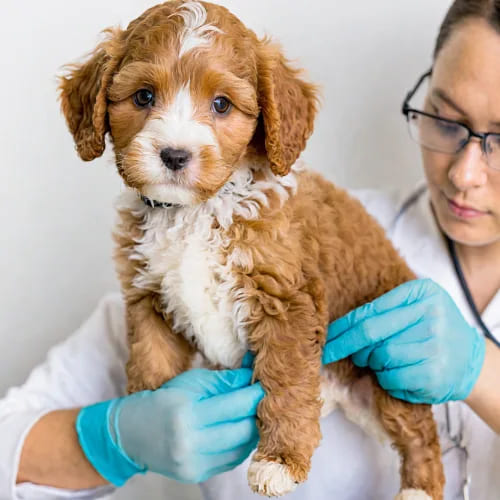
Your veterinarian should establish a preventive-care plan soon after your puppy comes home.
During an initial puppy examination, your veterinarian may assess:
- Weight
- Body condition
- Heart and lungs
- Eyes
- Ears
- Mouth and teeth
- Skin and coat
- Abdomen
- Musculoskeletal development
- Parasite risks
- Previous vaccination records
- Deworming history
This visit is also an opportunity to discuss your puppy’s diet, behavior, grooming routine, exercise, and future vaccination schedule.
If you are adopting a Cavapoo puppy, keep all health records supplied with your puppy and bring them to the first appointment (Cavapoo puppy vaccines).
You can also learn more about our Cavapoo Adoption Process before bringing your puppy home.
Puppy Vaccines: Why Are They Important?
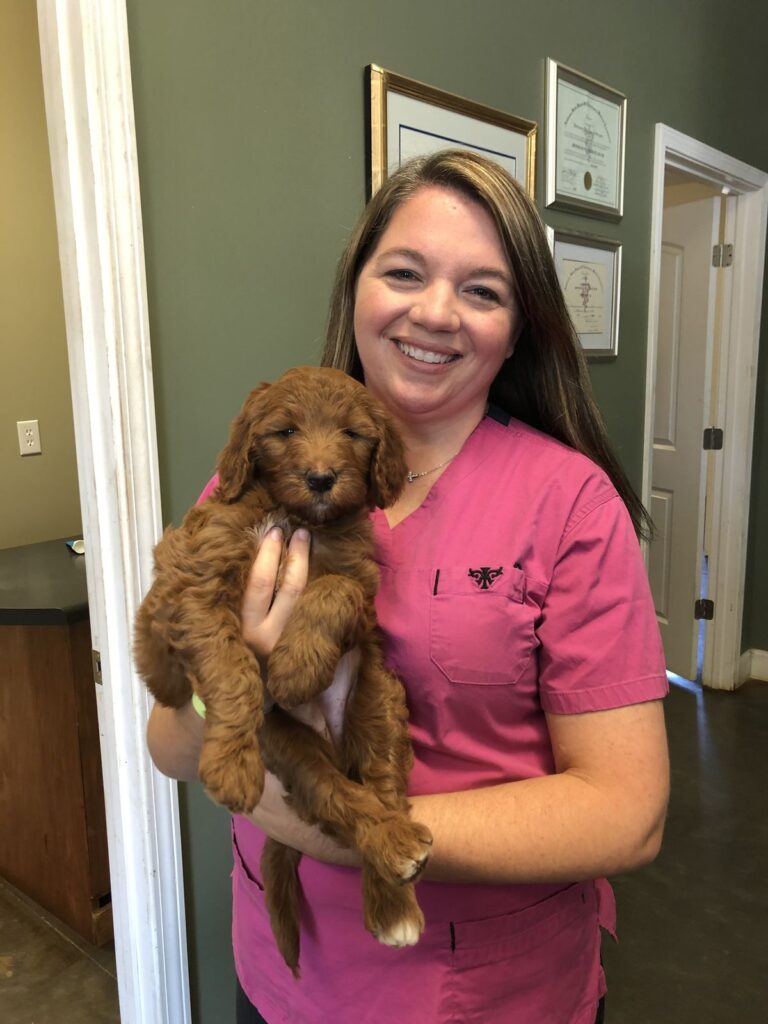
Vaccinations prepare the immune system to recognize specific infectious diseases.
This can significantly reduce the risk of severe illness.
Some diseases can be particularly dangerous for puppies.
Vaccination is therefore one of the most important components of preventive puppy care.
Your veterinarian will determine which vaccines your puppy needs and when they should be administered (Cavapoo puppy deworming).
Core Vaccines for Puppies
Vaccines recommended for puppies can vary based on location and individual circumstances.
However, several vaccines are commonly considered core vaccines for dogs.
Distemper
Canine distemper is a highly contagious viral disease.
It can affect multiple body systems, including the respiratory, gastrointestinal, and nervous systems.
Young puppies can become seriously ill from distemper.
Vaccination is an important part of preventing this disease (DHPP vaccine for puppies).
Parvovirus
Canine parvovirus is another serious concern for puppies.
Parvovirus can cause severe gastrointestinal illness, including vomiting and diarrhea.
Dehydration can become dangerous very quickly.
The virus is highly contagious and can survive in the environment for extended periods.
This is one reason your veterinarian may recommend limiting certain forms of exposure while your puppy is completing their initial vaccination series (puppy vaccination schedule).
Canine Adenovirus
Canine adenovirus can cause infectious canine hepatitis and other illness.
Vaccination against adenovirus is commonly included in combination puppy vaccines.
Combination vaccines can protect against multiple diseases with fewer individual injections.
Canine Parainfluenza
Canine parainfluenza is one of several respiratory viruses associated with canine respiratory disease.
It can contribute to coughing and other respiratory symptoms.
Whether your puppy needs additional respiratory protection depends partly on their lifestyle and exposure.
Rabies
Rabies is a serious and potentially fatal viral disease affecting the nervous system.
It can infect mammals, including people.
Rabies vaccination is therefore important for both animal and public health.
The timing of rabies vaccination and subsequent boosters is also affected by local laws and veterinary recommendations.
Never assume that the same rabies schedule applies everywhere.
What Is the DHPP Vaccine?
Many puppy owners hear the term DHPP during their first veterinary visits.
DHPP commonly refers to a combination vaccine protecting against several important canine diseases.
The letters generally refer to:
D — Distemper
H — Hepatitis or adenovirus
P — Parvovirus
P — Parainfluenza
Your veterinarian may use a combination vaccine to provide protection against several diseases.
The exact vaccine formulation can vary (Cavapoo puppy vaccines).
When Do Puppies Get Their Vaccines?
Puppies generally receive a series of vaccinations rather than one single puppy shot.
This is important because maternal antibodies received from the mother can affect the puppy’s early immune response.
For this reason, puppies commonly receive multiple vaccine doses during their early months.
A veterinarian may recommend vaccinations beginning around the 6-to-8-week period, followed by additional doses at intervals determined by the vaccine and the puppy’s circumstances.
The final puppy vaccination timing is especially important.
Do not assume your puppy is fully protected immediately after receiving one vaccination.
Your veterinarian will tell you when your puppy has completed the appropriate initial series and when broader public exposure is considered appropriate (puppy vaccines and deworming).
General Puppy Vaccine Timeline
The following is a general educational framework, not a substitute for your veterinarian’s vaccination plan.
Around 6–8 Weeks
Your veterinarian may begin the puppy’s core vaccination series.
Depending on the puppy and vaccine, this may include protection against diseases such as distemper and parvovirus.
Around 10–12 Weeks
Additional vaccinations or boosters may be recommended.
Your veterinarian will determine which vaccines are appropriate based on your puppy’s previous doses.
Around 14–16 Weeks
Another dose of the core puppy vaccine series may be recommended.
The timing can vary.
Around 1 Year
Your veterinarian will advise you about booster vaccinations and the appropriate long-term schedule.
Beyond Puppyhood
Some vaccines are administered according to specific intervals.
Others depend on legal requirements, lifestyle, geographic disease risk, and individual veterinary recommendations.
That is why a vaccination schedule should always be treated as individualized rather than one-size-fits-all (puppy vaccination schedule).
What About Bordetella?
Bordetella is commonly associated with kennel cough and canine respiratory disease.
Whether your puppy needs Bordetella vaccination depends on their lifestyle.
Your veterinarian may recommend it if your puppy will frequently interact with other dogs.
Potential exposure situations can include:
- Boarding facilities
- Dog daycare
- Grooming facilities
- Training classes
- Dog parks
- Group activities
- Frequent travel
If your Cavapoo will attend these environments, tell your veterinarian (Cavapoo puppy vaccines).
Optional or Lifestyle-Based Vaccines
Not every puppy needs every available vaccine.
Some vaccinations may be recommended based on:
- Geographic location
- Outdoor exposure
- Travel
- Contact with other dogs
- Boarding
- Daycare
- Wildlife exposure
- Local disease prevalence
Depending on your circumstances, your veterinarian may discuss vaccines such as:
Leptospirosis
Leptospirosis is a bacterial disease that can affect dogs and people.
Exposure can occur through contaminated environments and water.
Lyme Disease
Lyme vaccination may be considered for dogs living in or traveling to areas where Lyme disease is a significant concern.
Canine Influenza
Some dogs with frequent exposure to other dogs may have a higher risk of respiratory infections.
Your veterinarian can determine whether additional vaccination is appropriate.
Why Do Puppies Need Deworming?
Vaccines protect against infectious diseases.
Deworming addresses a different problem: internal parasites.
Puppies can be exposed to intestinal parasites through different routes.
Some parasites can also be transmitted from mother to puppy.
Common intestinal parasites include:
- Roundworms
- Hookworms
- Whipworms
- Tapeworms
Your veterinarian may recommend routine deworming and fecal examinations during puppyhood.
Roundworms in Puppies
Roundworms are common intestinal parasites.
They can interfere with normal growth and may cause gastrointestinal symptoms.
Puppies can become infected through contaminated environments and, in some cases, transmission from their mother.
Signs can include:
- Poor growth
- Diarrhea
- Vomiting
- Abdominal enlargement
- Poor body condition
Some infected puppies show few obvious symptoms.
This is why preventive veterinary care is important.
Hookworms in Puppies
Hookworms attach to the intestinal lining and consume blood.
Heavy infections can be particularly dangerous for young puppies because they can contribute to anemia.
Possible signs include:
- Weakness
- Pale gums
- Diarrhea
- Poor growth
- Weight loss
- Lethargy
If your puppy appears unusually weak or ill, contact your veterinarian promptly.
Whipworms
Whipworms live primarily in the large intestine.
They can cause gastrointestinal problems, particularly when infections are significant.
Possible symptoms include diarrhea, weight loss, and poor body condition.
Your veterinarian can test for intestinal parasites using appropriate diagnostic methods.
Tapeworms
Tapeworm infections are often associated with the ingestion of infected fleas or other intermediate hosts.
This is one reason flea prevention is an important part of overall puppy parasite control.
If you want to learn more about protecting your Cavapoo from parasites, read our complete guide to flea and tick prevention for dogs.
How Often Should a Puppy Be Dewormed?
There is no single deworming schedule that applies perfectly to every puppy.
Veterinarians often recommend repeated parasite control during early puppyhood because puppies can be exposed repeatedly.
Your veterinarian may recommend:
- Routine deworming
- Fecal testing
- Monthly parasite prevention
- Follow-up examinations
- Additional treatment when parasites are identified
The correct schedule depends on your puppy’s age, medical history, parasite exposure, geographic location, and treatment used.
Do not give your puppy an over-the-counter dewormer without first confirming that it is appropriate.
Why Fecal Testing Matters
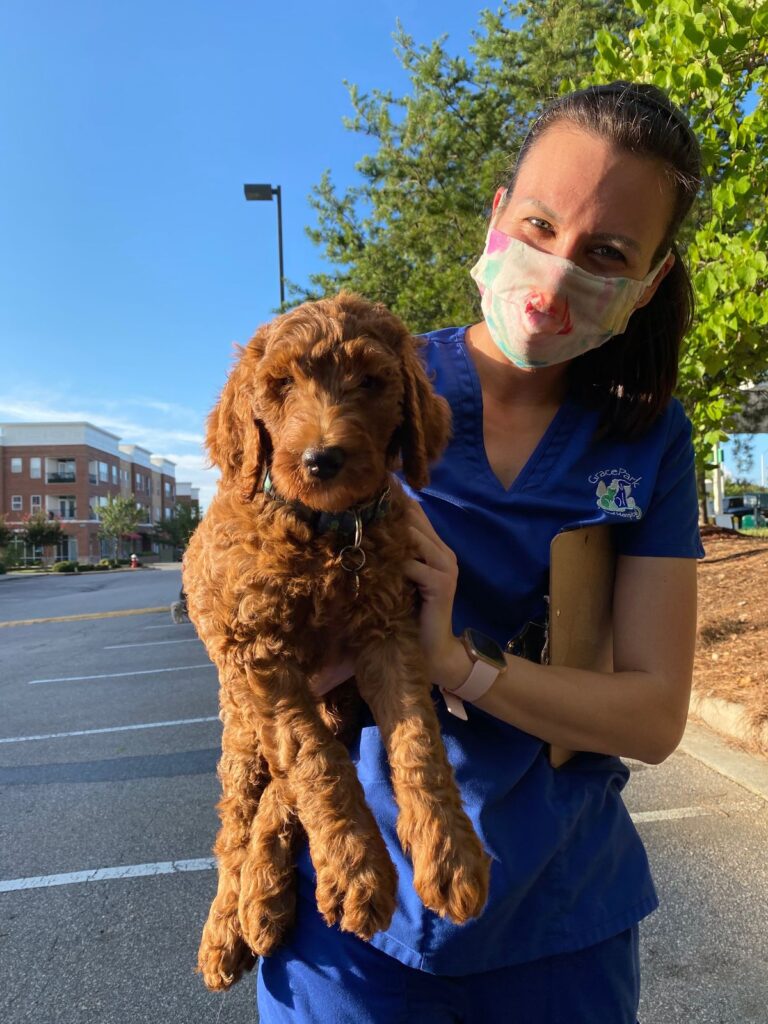
Deworming and fecal testing are related but not identical.
A deworming medication may target specific parasites.
A fecal examination can help identify whether certain parasites are present.
Your veterinarian may recommend periodic fecal testing during puppyhood.
This is especially useful when a puppy has symptoms such as:
- Diarrhea
- Vomiting
- Poor weight gain
- Abdominal discomfort
- Changes in appetite
- Visible worms in stool
Flea, Tick, and Heartworm Prevention
Puppy preventive care goes beyond vaccines and deworming.
Parasite prevention should also be discussed with your veterinarian.
Depending on where you live and your puppy’s lifestyle, your veterinarian may recommend prevention for:
- Fleas
- Ticks
- Heartworms
- Intestinal parasites
Some modern preventive products cover multiple parasites.
However, not every product is suitable for every puppy.
Age, weight, breed, health status, and other medications should all be considered.
What Should You Ask Your Veterinarian?
New puppy owners sometimes leave the veterinary office with questions they forgot to ask.
Before the appointment, write down your concerns.
Consider asking:
Which vaccines does my puppy need?
When is the next vaccine due?
When will my puppy be considered adequately protected?
What parasites are common in our area?
Which deworming medication is appropriate?
Should my puppy receive monthly parasite prevention?
When should we perform a fecal test?
When can my puppy safely attend training classes?
When can my puppy visit dog parks or other high-dog-traffic areas?
Does my puppy need Bordetella or another lifestyle-based vaccine?
These questions can make your puppy’s preventive-care plan much easier to understand.
Keeping Your Cavapoo Safe While Vaccinations Are In Progress
Young puppies need socialization.
However, socialization does not mean exposing an incompletely vaccinated puppy to every environment.
Ask your veterinarian about safe ways to socialize your puppy during the vaccination period.
Depending on local disease risks, your veterinarian may recommend avoiding areas with large numbers of unknown dogs until your puppy has received appropriate protection.
You can still introduce your puppy to new sights, sounds, people, handling experiences, grooming routines, and safe environments.
This is especially valuable for a breed like the Cavapoo.
Keep Your Puppy’s Veterinary Records
Create a dedicated folder for your puppy’s health records.
Keep copies of:
- Vaccination records
- Deworming records
- Fecal test results
- Veterinary examination records
- Medication information
- Microchip information
- Health certificates
- Other relevant health documentation
Having these records available can be extremely useful when traveling, boarding, grooming, or visiting a new veterinarian.
Preventive Care Starts Before You Bring Your Puppy Home
Responsible puppy care begins before your puppy arrives.
Before bringing home your Cavapoo, ask about the puppy’s existing:
- Vaccination history
- Deworming history
- Veterinary examination
- Health records
- Feeding routine
- Parasite prevention
- Microchip status
Do not rely only on verbal promises.
Ask for appropriate documentation and keep it in your puppy’s records.
For additional information about responsible puppy ownership, visit our Cavapoo Health Guarantee page.
Frequently Asked Questions About Puppy Vaccines and Deworming
When do puppies get their first vaccines?
Many puppies begin their core vaccination series around 6–8 weeks of age.
The exact timing should be determined by your veterinarian.
How many vaccines does a puppy need?
Puppies usually receive a series of vaccinations rather than one single injection.
The number and timing depend on the vaccine, puppy age, previous vaccination history, and veterinary recommendations.
When can my puppy go outside?
This depends on your puppy’s vaccination status and the disease risks in your area.
Ask your veterinarian which outdoor environments are safe during the vaccination period.
Can puppies get worms?
Yes.
Puppies can become infected with several types of intestinal parasites.
Routine veterinary care, appropriate deworming, fecal testing, and parasite prevention can help reduce the risk.
How do I know if my puppy has worms?
Some puppies show no obvious signs.
Others may develop diarrhea, vomiting, poor growth, weight loss, abdominal enlargement, or other symptoms.
A veterinarian can recommend appropriate testing.
Do puppies need monthly deworming?
Some puppies benefit from regular parasite prevention, but the correct schedule depends on the product and your puppy’s individual circumstances.
Ask your veterinarian for a specific recommendation.
Can puppies get parasites from fleas?
Yes.
Certain tapeworm infections can occur when dogs ingest infected fleas.
That is one reason comprehensive parasite prevention matters.
Does my Cavapoo need the same vaccines as other dogs?
Cavapoos generally require the same core preventive considerations as other dogs, but lifestyle-based recommendations can vary.
Your veterinarian should create the vaccination plan for your individual puppy.
Is the rabies vaccine required?
Rabies vaccination requirements vary by jurisdiction.
Because rabies is a serious zoonotic disease, vaccination is widely regulated.
Follow your local requirements and your veterinarian’s recommendations.
Final Thoughts: Build a Preventive-Care Routine From Day One
Puppy vaccines and deworming are not isolated veterinary tasks.
They are part of a larger preventive-care system designed to give your Cavapoo the best possible start in life.
Keep your puppy’s vaccination records organized.
Follow your veterinarian’s deworming and parasite-prevention recommendations.
Attend scheduled wellness visits.
Monitor your puppy’s growth and behavior.
And never hesitate to contact your veterinarian when something does not seem right.
Every puppy is different.
The most important thing is not following an internet schedule perfectly. It is working with a veterinarian who can create a preventive-care plan specifically for your puppy.
If you’re ready to welcome a Cavapoo into your family, explore our Available Cavapoo Puppies and learn more about responsible puppy ownership at Atlantic Cavapoo Puppies Home.
