Cavapoo Care Guide, Grooming Guide
How to Protect Your Dog’s Paws in Winter: Cavapoo Paw Care Guide
Sep
Winter can be beautiful.
Snow-covered sidewalks, crisp mornings, and quiet walks can make the season enjoyable for dogs and their families.
However, winter also creates hazards that can affect your dog’s paws.
Snow can pack between the toes.
Ice can cause cuts and irritation.
Cold temperatures can contribute to dry or cracked paw pads.
Road salt and other de-icing products can irritate the skin and may cause problems if they are licked from the paws.
That is why learning how to protect dog paws in winter should be part of your cold-weather routine.
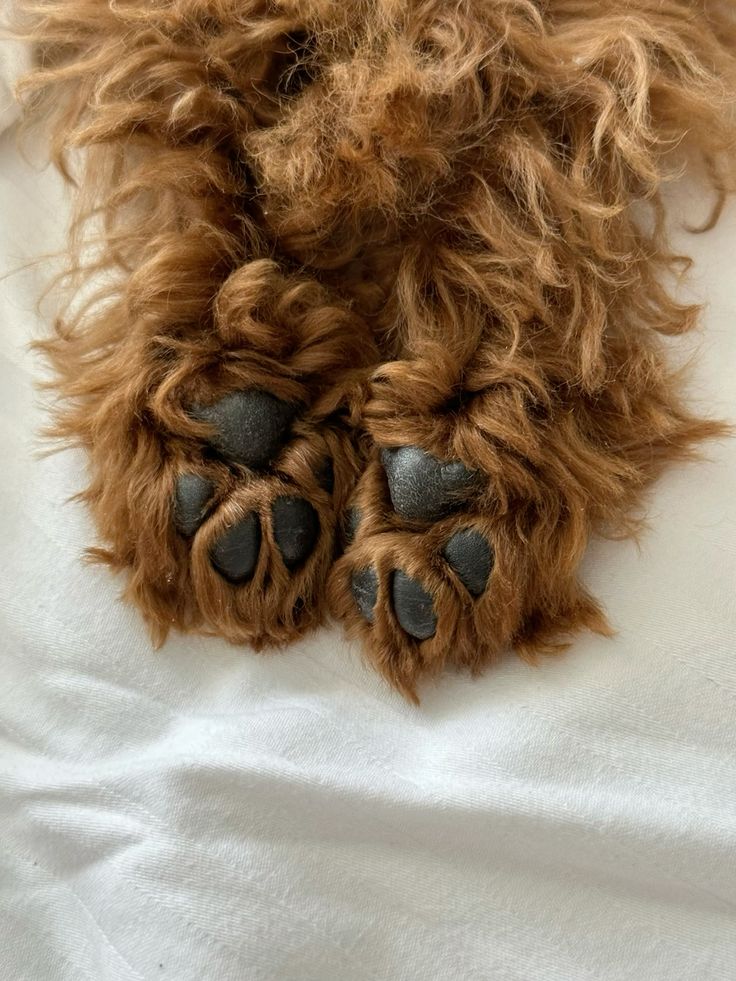
Cavapoos can be particularly worth watching because many have hair around their feet that can collect snow and ice.
Fortunately, a few simple habits can make winter outings much safer and more comfortable.
Why Winter Can Be Hard on Your Dog’s Paws
Your dog’s paw pads are tough, but they are not invulnerable.
Cold weather can dry the skin.
Sharp ice can cause cuts or abrasions.
Snow can form compacted balls between the toes.
De-icing products can irritate the pads and the sensitive skin between the toes.
Some dogs may also lick residue from their feet after returning indoors.
Veterinary guidance from VCA notes that paws can be vulnerable to frostbite, cracked skin, chemical irritation, and snow or ice accumulation between the toes.
The risk depends on several factors.
These include temperature, wind, moisture, how long your dog stays outside, the dog’s coat, age, health, and individual tolerance.
Therefore, there is no single winter-walk duration that is perfect for every dog.
Protect Your Dog’s Paws in Winter
1. Check the Weather Before Walking
Before heading outside, consider more than the temperature.
Look at the wind chill.
Check whether the ground is icy.
Think about whether sidewalks have been treated with salt or other deicers.
Wet conditions can also make cold exposure more uncomfortable.
Small dogs, puppies, senior dogs, dogs with health conditions, and dogs with certain coat types may need extra protection.
If conditions are severe, keep outdoor trips brief and provide exercise and enrichment indoors.
Watch your dog’s behavior rather than relying only on a thermometer.
Shivering, reluctance to continue, lifting paws repeatedly, whining, or trying to turn toward home are reasons to end the outing.
2. Keep Winter Walks Appropriate for Your Dog
You do not necessarily have to eliminate winter walks.
Many healthy dogs can enjoy outdoor time during cold weather when conditions are appropriate.
The key is to adjust the outing to your dog’s needs.
A healthy adult dog with a suitable coat may tolerate conditions that are uncomfortable for a young puppy or small dog.
Cavapoos can also vary significantly in coat type, size, age, and cold tolerance.
Instead of following a rigid time limit, monitor your puppy closely.
During extreme cold, prioritize short bathroom breaks and safe indoor enrichment.
VCA recommends shortening outdoor time during extreme cold and keeping pets warm and dry.
3. Wipe Your Dog’s Paws After Every Winter Walk
This is one of the easiest winter habits you can develop.
Keep a towel near the door.
When you return, inspect and wipe each paw.
Pay particular attention to:
- Between the toes
- Around the paw pads
- The top of the foot
- Areas where snow has collected
- Any visible salt or deicer residue
A warm, damp cloth can help remove residue.
You can also gently rinse the paws with lukewarm water when necessary.
Dry them thoroughly afterward.
Cleaning your dog’s feet also gives you an opportunity to identify cuts, cracks, redness, swelling, or irritation.
AKC and VCA both recommend cleaning paws after exposure to winter de-icers.
4. Watch for Salt and De-Icing Chemicals
Salt helps keep roads and sidewalks safer for people.
Unfortunately, it can irritate your dog’s paws.
Some de-icing products can also cause problems if ingested.
Dogs may lick their paws after a walk, which can expose them to residue.
Try to avoid heavily treated areas when possible.
If you cannot avoid them, clean your dog’s paws as soon as you return home.
If you use an ice-melting product around your own property, carefully read the label and choose an appropriate pet-conscious option.
Even products marketed as pet-friendly should not be treated as something your dog should eat.
If your dog walks through an unknown deicer, assume residue may remain on the paws and clean them.
5. Consider Dog Booties
Dog booties can provide another layer of protection.
They can help reduce contact with snow, ice, salt, and de-icing products.
They can also help prevent snow from forming uncomfortable ice balls around the toes.
However, not every dog immediately accepts footwear.
Some dogs need gradual training.
Do not put boots on your puppy for the first time and immediately expect a normal walk.
Introduce them indoors.
Let your dog investigate them.
Reward calm behavior.
Put one boot on briefly.
Remove it.
Gradually increase the wearing time.
The AKC recommends introducing boots slowly and using positive reinforcement rather than forcing the dog to tolerate them.
Make sure the boots fit correctly.
They should stay secure without restricting movement or causing pressure points.
6. Try a Protective Paw Balm
A dog-specific paw balm or wax can provide another option.
These products can help condition paw pads and create a protective barrier against winter conditions.
Apply according to the product’s instructions.
A thin layer before a walk may help reduce irritation from snow, ice, and deicers.
After the walk, clean the paws and inspect them.
Some dogs will tolerate balm more easily than boots.
Others may try to lick it immediately.
Choose products appropriate for dogs and discuss persistent paw problems with your veterinarian.
VCA recommends protective paw balms as one option for reducing exposure of paw pads to winter elements.
7. Keep the Hair Around Your Cavapoo’s Feet Maintained
Cavapoos often have coats that can grow around their feet.
During snowy weather, excessive hair between the toes can make it easier for snow and ice to accumulate.
Keeping the hair around the feet appropriately maintained can reduce this problem.
Do not attempt complicated trimming if you are uncomfortable using grooming tools around your dog’s feet.
A professional groomer can help.
VCA recommends keeping foot hair appropriately trimmed to reduce ice-ball formation between the toes.
This is particularly useful for Cavapoo owners because coat texture and growth can make regular grooming important throughout the year.
8. Inspect Your Dog’s Paws After Outdoor Time
A quick inspection can catch problems early.
Look for:
- Cracks
- Cuts
- Redness
- Swelling
- Bleeding
- Raw skin
- Ice balls
- Salt residue
- Excessive licking
- Sensitivity
- Limping
If your dog repeatedly lifts a paw during the walk, stop and investigate.
There may be ice trapped between the toes.
There could also be a cut or irritation.
Do not forcefully pull frozen ice balls from the hair or skin.
Instead, gently soften them with warm water and remove them carefully.
AKC recommends gently loosening ice balls with warm water rather than pulling them aggressively.
9. Know the Signs of Frostbite
Frostbite is a serious cold-weather injury.
It can affect paws and other exposed areas such as the ears and tail.
Possible signs include:
- Pale or bluish skin
- Swelling
- Pain
- Tenderness
- Blisters
- Raw-looking skin
- Firm or unusually cold tissue
- Skin discoloration
If you suspect frostbite, contact your veterinarian promptly.
Do not vigorously rub affected skin.
VCA advises veterinary evaluation when frostbite is suspected and warns that affected tissue can be painful.
10. Keep Your Dog Warm and Dry
Paw protection is only one part of winter safety.
Your dog also needs protection from excessive cold exposure.
Some dogs may benefit from a properly fitted coat or sweater.
This is especially relevant for smaller dogs, puppies, senior dogs, short-coated dogs, and dogs that become cold easily.
However, not every dog needs winter clothing.
Choose clothing based on your dog’s individual needs and the weather.
Always ensure that clothing fits properly.
Never leave a dog wearing clothing unsupervised if it could become tangled, restrictive, or chewed.
The AKC recommends considering coat type and individual needs when deciding whether a dog needs additional winter clothing.
Winter Paw Care for Cavapoo Puppies
Puppies deserve extra attention during winter.
A young Cavapoo may be less experienced with cold surfaces.
They may also be more interested in playing than recognizing discomfort.
Keep early winter outings manageable.
Watch their behavior.
Clean their paws afterward.
Check between their toes.
Make sure they have a warm place to rest indoors.
Do not assume that because your puppy is excited to run through snow, they can safely stay outside indefinitely.
Puppies can become distracted and continue playing even when they need a break.
How to Protect Dog Paws in Snow
Snow itself is not necessarily dangerous.
Many dogs enjoy running through fresh snow.
The problem is what may be hidden underneath or mixed with it.
Packed snow can become sharp.
Ice can create cuts.
Snow can accumulate between toes.
Salt and deicers can be present on sidewalks.
Therefore, choose your walking surfaces carefully.
Fresh, clean snow in a safe area may be preferable to heavily treated sidewalks.
Always check the paws afterward.
What About Ice Balls Between the Toes?
Ice balls can form when snow melts and refreezes around the hair between your dog’s toes.
They can become uncomfortable.
Your dog may start limping, lifting a paw, or refusing to continue walking.
Do not yank them out.
Use lukewarm water to gently soften the ice.
Then carefully remove it.
Keeping excess foot hair appropriately trimmed can also reduce the chance of ice-ball formation.
Looking for Cavapoo Puppies For-Sale Near Me?
If you are searching for Cavapoo Puppies For-Sale Near Me, winter care is something worth considering before bringing a puppy home.
Ask yourself what winter conditions are like where you live.
Will your puppy encounter snow?
Are sidewalks heavily salted?
Will your puppy need booties?
Do you have a safe outdoor area for bathroom breaks?
Thinking about these questions before adoption can help you prepare the right supplies.
A warm sleeping area, appropriate grooming tools, towels, and puppy-safe winter equipment can make the transition easier.
Cavapoo Puppies For Sale In Tennessee
Families searching for Cavapoo Puppies For Sale In Tennessee should still consider winter paw protection.
Winter conditions can vary considerably throughout the state.
Cold mornings, ice, snow, and treated sidewalks can all affect a puppy’s paws.
Keep a towel near the door.
Inspect your puppy’s feet after outdoor trips.
If temperatures become severe, shorten outdoor time and provide additional indoor enrichment.
Cavapoo Puppies For-Sale In Ohio
If you are researching Cavapoo Puppies For-Sale In Ohio, winter preparation deserves special attention.
Snow and freezing temperatures can create challenging walking conditions.
Salt and other deicers may also be common on roads and sidewalks.
Before your puppy arrives, consider purchasing a properly fitted set of booties if your puppy tolerates them.
You can also keep paw-cleaning supplies beside the door.
Preparing before the first major snowfall makes winter care much easier.
Cavapoo Puppies For-Sale In Florida
Families searching for Cavapoo Puppies For-Sale In Florida may experience a very different winter environment.
Snow may not be a major concern in many parts of the state.
However, winter paw care is still useful when traveling to colder regions.
If you plan to take your Cavapoo on a winter vacation, prepare for snow, ice, salt, and cold temperatures.
Do not assume your dog will automatically tolerate a colder climate simply because they have a fluffy coat.
Introduce winter equipment gradually and monitor your dog’s comfort.
Can Dogs Walk on Salted Sidewalks?
They can, but avoiding heavily salted areas is preferable when possible.
Salt and other deicers can irritate paw pads.
They can also remain on the feet and later be swallowed when a dog licks its paws.
If your dog walks on treated surfaces, clean the paws when you return home.
VCA specifically recommends washing or wiping paws after exposure to de-icing chemicals.
Should You Wash Your Dog’s Paws With Warm Water?
A lukewarm rinse can help remove salt, deicer residue, and ice.
Avoid very hot water.
After cleaning, dry the paws thoroughly.
Pay attention to the spaces between the toes.
If your dog’s skin remains irritated after cleaning, contact your veterinarian.
Can You Use Human Lotion on Dog Paws?
Do not assume that products designed for people are automatically appropriate for dogs.
Dogs may lick anything placed on their paws.
Choose products specifically intended for canine use or ask your veterinarian what is appropriate.
If your dog’s paw pads are cracked, bleeding, swollen, or painful, professional veterinary advice is more appropriate than experimenting with household products.
Winter Safety Goes Beyond the Paws
Winter creates other hazards that Cavapoo owners should remember.
Antifreeze
Antifreeze containing ethylene glycol can be extremely dangerous.
Keep containers securely stored.
Clean spills immediately.
Contact a veterinarian urgently if you suspect ingestion.
Frozen Water
Never assume a frozen pond or lake is safe for your dog.
Thin ice can break unexpectedly.
Keep your dog away from unsafe frozen bodies of water.
Reduced Visibility
Winter evenings can become dark early.
Use appropriate reflective or high-visibility equipment during walks.
Wet Fur
A wet dog can become cold quickly.
Dry your dog after coming inside from snow or freezing rain.
Indoor Heating
Keep beds and resting areas safely away from fireplaces, heaters, and other hot surfaces.
Winter safety includes protecting your dog indoors as well as outside.
Create a Winter Paw-Care Station
A simple station near the door can make winter care much easier.
Keep:
- A clean towel
- Lukewarm water nearby
- Paw-cleaning wipes if appropriate
- Paw balm
- Booties
- A brush
- A small flashlight
- Waste bags
- A spare leash
When everything is ready, you are more likely to clean your dog’s paws after every winter outing.
Teach Your Puppy to Accept Paw Handling
Do not wait until winter to start touching your puppy’s feet.
Gentle handling can become part of normal puppy training.
Touch one paw briefly.
Reward calm behavior.
Gradually practice examining the pads and toes.
This makes winter inspections easier.
It can also make grooming and veterinary handling less stressful later.
If your puppy strongly resists paw handling, slow down and use positive reinforcement.
Never force a struggling puppy into a prolonged handling session.
How to Know When Your Dog Needs to Go Back Inside
Watch your dog’s behavior.
Signs that your dog may be uncomfortable include:
- Shivering
- Whining
- Lifting paws repeatedly
- Limping
- Reluctance to walk
- Trying to turn around
- Holding the body tensely
- Crying or yelping
- Excessive paw licking
These signs should not be ignored.
Take your dog inside and warm them gradually.
If symptoms persist or you suspect frostbite or another injury, contact your veterinarian.
Common Winter Paw-Care Mistakes
Ignoring the Paws
A dog can develop irritation without immediately showing obvious pain.
Make paw checks part of your routine.
Pulling Ice From the Fur
Hard pulling can hurt the skin.
Soften the ice first.
Leaving Salt on the Paws
Always clean treated paws after a winter walk.
Assuming Every Dog Needs Boots
Boots are useful, but some dogs need gradual conditioning before they tolerate them.
Assuming Every Dog Needs a Coat
Coat requirements vary.
Consider the individual dog’s size, coat, health, and conditions.
Leaving Winter Clothing on Unsupervised
Clothing can create risks if it catches, becomes restrictive, or is chewed.
Forgetting Between the Toes
Ice and salt can collect in spaces that are easy to overlook.
Check thoroughly.
Frequently Asked Questions
How do I protect my dog’s paws in winter?
Use appropriate winter gear when needed, avoid heavily salted surfaces when possible, clean paws after walks, check for ice and irritation, and limit outdoor exposure during severe conditions.
Is salt bad for dog paws?
Salt and other deicers can irritate paw pads and the skin between the toes. Dogs can also ingest residue by licking their paws. Cleaning their feet after walks helps reduce exposure.
Do Cavapoos need boots in winter?
Not every Cavapoo needs boots. However, booties can help protect paws from snow, ice, salt, and deicers when properly fitted and introduced gradually.
Can puppies walk in snow?
Healthy puppies can experience snow under appropriate conditions, but outdoor exposure should be limited according to their age, health, weather conditions, and individual tolerance.
Should I use paw balm before a winter walk?
A dog-specific paw balm may help protect and condition paw pads. Follow the product instructions and consult your veterinarian if your dog’s paws are damaged or persistently irritated.
How do I remove ice balls from my dog’s paws?
Gently soften the ice with lukewarm water and remove it carefully. Do not aggressively pull frozen ice from the hair or skin.
How often should I check my dog’s paws during winter?
Check them after winter walks, especially when your dog has walked through snow, ice, salt, or deicers.
What are signs of frostbite in dogs?
Possible signs include pale, blue, gray, swollen, painful, blistered, or unusually firm skin. Contact your veterinarian immediately if you suspect frostbite.
Can I use human lotion on my dog’s paws?
Do not assume human skin products are appropriate for dogs. Because dogs may lick their paws, use canine-specific products or ask your veterinarian for guidance.
How can I prepare my Cavapoo for winter boots?
Introduce boots gradually indoors. Let your dog investigate them, reward calm behavior, and increase wearing time slowly.
Helpful Cavapoo Resources
If you are preparing your Cavapoo for winter, these guides can help:
- Cavapoo Care Guide
- Cavapoo Breed Guide
- Dog Hygiene Essentials
- Outdoor Dog Safety
- Walking Your Dog
- Dog Bed Buying Guide
- Pet First Aid
- Toxic Items for Dogs
- Dog Park Tips
- Puppy Dental Care
- Available Cavapoo Puppies
- Puppy Buying Checklist
Final Thoughts
Winter can be an enjoyable season for your Cavapoo.
Snowy adventures can provide new sights, smells, and enrichment.
However, cold weather requires a little extra preparation.
Check the weather.
Watch your dog’s behavior.
Keep outdoor time appropriate.
Protect paws when needed.
Clean away salt and deicer residue.
Remove ice balls carefully.
Keep foot hair appropriately maintained.
Consider boots or paw balm when useful.
And inspect your dog’s paws after every winter outing.
Most importantly, remember that every dog is different.
Your Cavapoo’s age, coat, size, health, and individual tolerance should guide your winter routine.
With a few simple precautions, you can enjoy the season while keeping those little paws comfortable and protected.

Pingback: How Too Much Exercise For Dogs