
Cavapoo Training Guide, Cavapoo Care Guide
Police Dog Breeds: The Most Common K-9 Breeds and What Makes Them Exceptional
Aug
Police dogs, commonly known as K-9s, are highly trained working dogs that assist law enforcement officers in a wide range of important tasks (police dog breeds). These remarkable dogs can help locate missing people, detect substances, track scents, search buildings, and support officers during dangerous situations.
Not every dog is suited for police work. Successful K-9s generally need a combination of confidence, focus, physical ability, trainability, stamina, and a strong desire to work with their handler (K9 dog breeds). The American Kennel Club identifies Belgian Malinois, German Shepherd Dogs, Bloodhounds, Dutch Shepherds, and Labrador Retrievers among the breeds commonly trained for police work.
While Cavapoos are not typically selected for traditional police K-9 roles, they have their own strengths. Cavapoos are known for their intelligence, affectionate personalities, and eagerness to interact with people. If you’re considering bringing one home, our Cavapoo puppies for sale page is a great place to learn more.
What Does a Police Dog Do?
Police dogs can have very different jobs depending on their training and the needs of their department.
Some K-9s are trained for a single specialized task, while others perform multiple duties.
Common police dog responsibilities include:
- Tracking suspects
- Searching for missing people
- Detecting narcotics
- Detecting explosives
- Searching buildings and vehicles
- Locating evidence
- Supporting patrol officers
- Searching large outdoor areas
- Assisting with public-safety operations
According to the AKC, some police dogs are single-purpose, while others are dual-purpose, meaning they receive training for several different tasks.
Their exceptional sense of smell is especially valuable (best police dog breeds). Dogs have an extraordinarily sophisticated sense of smell, and professional detection dogs are selected for qualities such as hunt drive, energy, focus, and motivation to work for a reward.
German Shepherds: A Classic Police K-9
The German Shepherd Dog is one of the most recognizable police dog breeds in the world.
German Shepherds combine intelligence, athleticism, confidence, loyalty, and trainability. These characteristics allow them to perform a variety of demanding jobs.
They may be trained for:
- Patrol work
- Tracking
- Search and rescue
- Detection
- Suspect apprehension
- Protection work
Their versatility is one of their greatest strengths.
German Shepherds also have a long history of working alongside people (police K9 breeds). Although originally developed as herding dogs, their intelligence and working ability helped them become valuable military and police dogs.
For families considering this breed as a companion, it is important to understand that German Shepherds need significant physical exercise and mental stimulation (German Shepherd police dog).
They are not typically suited to a lifestyle where they receive only occasional walks.
Belgian Malinois: Fast, Focused, and Energetic
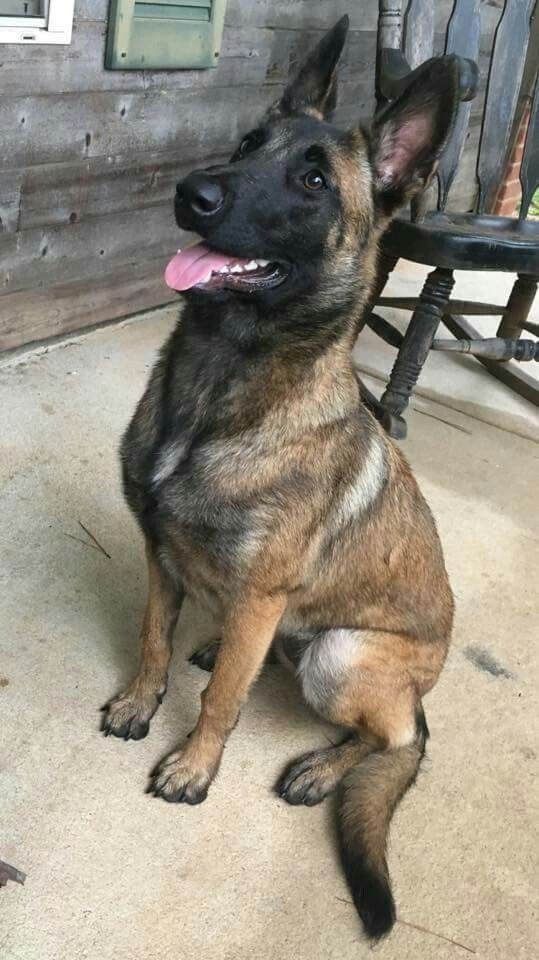
The Belgian Malinois is another highly respected police and military working dog.
These dogs are athletic, intelligent, energetic, and intensely focused on their work. Their combination of speed, agility, confidence, and trainability makes them particularly valuable for demanding working roles.
Belgian Malinois and German Shepherds share a herding background, but they have different physical characteristics and personalities (Belgian Malinois police dog). The AKC describes Malinois as energetic, intelligent, inquisitive, and highly driven to work with their handlers.
Their energy level is important for prospective owners to understand.
A Belgian Malinois generally requires much more than a casual daily walk. They thrive when they have structured activities that challenge both their bodies and minds.
Labrador Retrievers: Detection Specialists
When most people picture a police dog, they may immediately think of a German Shepherd or Belgian Malinois.
However, Labrador Retrievers also have an important place in K-9 work.
Labs are especially valuable for detection jobs because of their powerful sense of smell, willingness to work, and ability to search without appearing as intimidating as some traditional patrol breeds.
They may be trained to locate substances or other items during detection operations.
The AKC notes that Labrador Retrievers and other sporting breeds have become increasingly useful for public detection work because their hunting instincts can transfer effectively to searching for explosives and other targets (Labrador Retriever police dog).

If you are interested in Labradors as family dogs rather than working K-9s, our dog breed and puppy care resources can help you compare different breeds and understand their individual needs.
Bloodhounds: The Tracking Experts
The Bloodhound is famous for its extraordinary scent-tracking abilities.
Bloodhounds have traditionally been associated with tracking missing people and following scent trails over significant distances.
Their loose skin, long ears, and distinctive appearance are instantly recognizable, but their most impressive feature may be their nose.
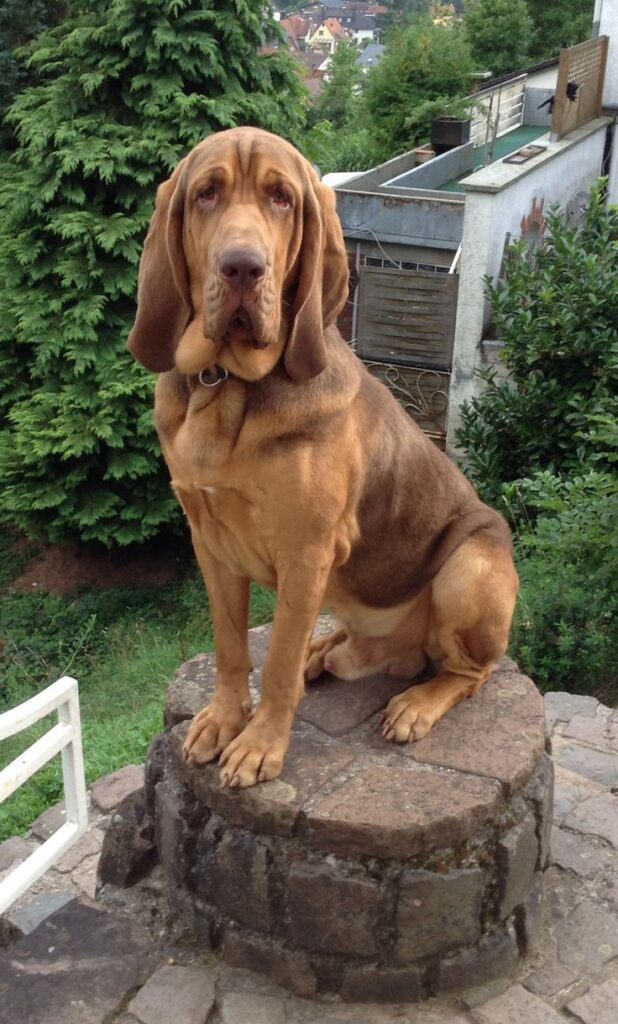
A tracking dog must remain focused while following a scent through an environment containing countless competing smells (Bloodhound police dog).
That requires tremendous concentration and natural ability.
Dutch Shepherds: Versatile Working Dogs
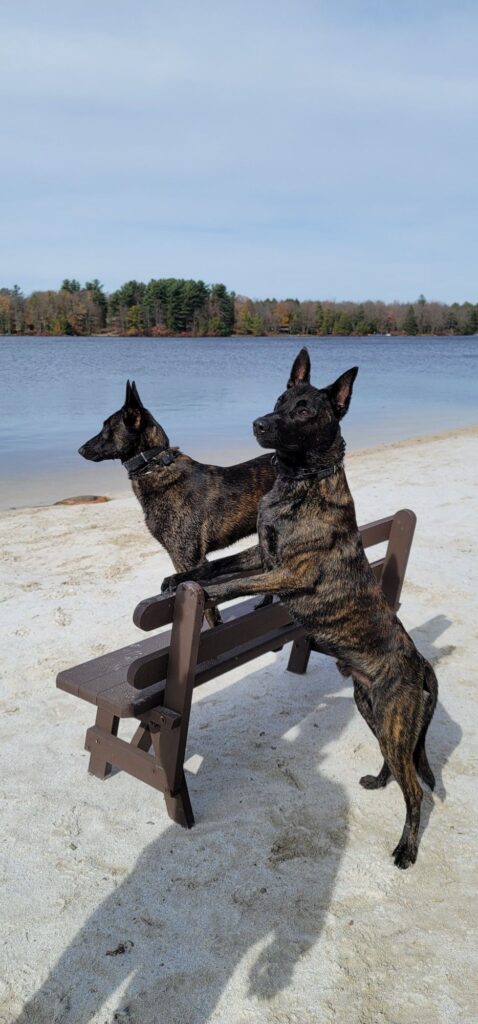
The Dutch Shepherd is another breed that can excel in law enforcement and protection work.
Like German Shepherds and Belgian Malinois, Dutch Shepherds are intelligent, athletic, and highly trainable.
They can be used in demanding working environments where physical ability, confidence, focus, and responsiveness are essential (Dutch Shepherd police dog).
The AKC lists Dutch Shepherds among the breeds commonly selected for police work.
Other Breeds Can Become Police Dogs
Although several breeds appear frequently in K-9 programs, there isn’t an absolute rule that a police dog must belong to one specific breed.
Individual temperament and working ability matter enormously.
The AKC has even highlighted a mixed-breed police dog that became a valued member of a North Carolina police department (police dog training).
This demonstrates an important point:
Breed can influence a dog’s natural abilities, but the individual dog’s temperament, drive, health, and trainability also matter.
What Makes a Good Police Dog?
Police departments aren’t simply looking for the biggest or strongest dogs.
A successful K-9 needs the right combination of characteristics.
Intelligence
A police dog needs to learn complex behaviors and respond reliably to its handler.
Training can involve numerous commands and increasingly difficult environments.
Strong Work Drive
Many successful working dogs have an intense desire to search, retrieve, track, or work for a reward.
This motivation helps maintain focus during demanding assignments.
Confidence
Police dogs may encounter crowds, traffic, unfamiliar buildings, loud noises, stairs, slippery surfaces, and many other distractions.
A confident dog can work through unfamiliar situations without becoming overwhelmed (types of police dogs).
Physical Fitness
Police work can be physically demanding.
K-9s may run, climb, jump, search large areas, and work for extended periods.
Good physical conditioning is therefore essential.
Trainability
A highly trainable dog can understand commands and consistently perform behaviors under pressure.
The relationship between the K-9 and handler is also extremely important. The AKC emphasizes the importance of the bond between a working dog and its handler (working dog breeds).
How Are Police Dogs Trained?
Police dog training is extensive and highly specialized.
Training generally begins with basic obedience before progressing to job-specific skills.
A dog may first learn commands such as:
- Sit
- Stay
- Down
- Come
- Heel
- Wait
- Leave it
Once basic obedience is established, the dog can begin learning specialized behaviors.
Depending on its role, training may involve scent detection, tracking, searching, patrol work, or other specialized skills.
Detection dogs, for example, can be trained to associate specific target odors with rewards.
The training process must also expose dogs to different environments so they can remain focused despite distractions (law enforcement dogs).
Some federal detection programs involve many weeks of specialized training before dogs begin working with their assigned handlers.
Socialization Is Important
A police dog needs to remain comfortable around different environments, people, sounds, and surfaces.
This makes socialization an important part of development.
The goal isn’t simply to make a dog friendly.
Professional working dogs need to remain focused and responsive even when surrounded by distractions.
This is one reason police K-9 training requires experienced handlers and structured programs (K9 units).
Police Dogs and Their Handlers Work as a Team
A K-9 doesn’t work independently.
The relationship between the dog and handler is fundamental.
Handlers learn to recognize subtle changes in their dog’s behavior. They also learn how to communicate commands clearly and reward desired responses.
Over time, the pair develops trust and an understanding that allows them to operate effectively together.
This relationship is one of the most impressive aspects of professional K-9 work (police dog training breeds).
Police Dogs in New York City
K-9 programs operate throughout the United States.
The New York City Police Department, for example, has used German Shepherds, Belgian Malinois, and Labrador Retrievers in its K-9 units.
Different dogs can therefore serve different purposes within the same law enforcement organization.
The choice depends on the dog’s individual abilities and the requirements of the assignment (dogs used by police).
Are Cavapoos Good Police Dogs?
Cavapoos are intelligent and trainable companion dogs, but they are not generally bred or selected for traditional police K-9 responsibilities.
A Cavapoo is a cross between a Cavalier King Charles Spaniel and a Poodle.
Their strengths are different from those of breeds traditionally selected for demanding patrol and detection work.
Cavapoos can be wonderful companions because they are often affectionate, people-oriented, intelligent, and responsive to positive training.
If you’re interested in raising a well-mannered Cavapoo, consistent training and early socialization can make a significant difference.
Explore our Cavapoo puppy care and training resources for additional guidance.
Police Dogs vs. Family Dogs
It’s important to remember that the qualities that make a great police dog aren’t necessarily the same qualities a family wants in a companion.
A police K-9 may have extremely high energy and an intense work drive.
That can be an advantage in law enforcement but challenging for an inexperienced pet owner.
Families should choose dogs based on their lifestyle, experience, living environment, exercise capabilities, and desired temperament.
For someone seeking an affectionate companion rather than a working dog, a breed such as the Cavapoo may be a better fit.
You can learn more about the breed through our Cavapoo breed information and discover our available Cavapoo puppies.
Final Thoughts
Police dogs are extraordinary working animals that provide valuable assistance to law enforcement agencies.
German Shepherds, Belgian Malinois, Labrador Retrievers, Bloodhounds, and Dutch Shepherds are among the breeds commonly associated with K-9 work.
Each breed brings different abilities to the job.
Some excel at patrol and apprehension. Others are particularly valuable for scent detection or tracking.
Ultimately, however, successful police work depends on much more than breed alone. The dog’s temperament, health, motivation, training, and relationship with its handler all play important roles.
For families looking for a companion rather than a working K-9, understanding breed characteristics is equally important. Choosing a dog whose personality and energy level fit your lifestyle can help create a happier relationship for everyone.
If a loving, intelligent companion is what you’re looking for, learn more about Cavapoo puppies for sale at Atlantic Cavapoo Puppies.
Frequently Asked Questions
What is the most common police dog breed?
German Shepherds and Belgian Malinois are among the most commonly recognized police K-9 breeds. Labrador Retrievers, Bloodhounds, and Dutch Shepherds are also used for specialized work.
Are Belgian Malinois good police dogs?
Yes. Their intelligence, athleticism, energy, confidence, and strong work drive make them particularly suited to demanding police and military roles.
Are German Shepherds used as police dogs?
Yes. German Shepherds are one of the most established police and working breeds and can perform tracking, patrol, detection, and other specialized duties.
Why are Labrador Retrievers used by police?
Labradors have excellent scenting ability, strong hunting instincts, and a willingness to work. They are particularly useful for detection tasks.
Are Bloodhounds police dogs?
Yes. Bloodhounds are especially well known for tracking and scent-based search work.
Can any dog become a police dog?
Not necessarily. Professional K-9 programs look for specific qualities such as confidence, focus, physical ability, motivation, and trainability.
Are Cavapoos used as police dogs?
Cavapoos are not commonly selected for traditional police K-9 roles. They are primarily companion dogs and are better known for their affectionate, intelligent, and people-oriented personalities.
What does a police dog do?
Depending on its training, a K-9 may track people, locate missing individuals, detect substances, search buildings, locate evidence, or assist officers.
How long does it take to train a police dog?
Training length varies considerably according to the agency, dog, and specialized role. Detection and dual-purpose programs can involve extensive specialized training before deployment.
Do police dogs live with their handlers?
Many working K-9s develop close relationships with their handlers, and living arrangements depend on the agency and specific program.
