
Cavapoo Training Guide, Cavapoo Care Guide
How to Stop Puppy Mouthing: Expert Training Tips That Actually Work
Aug
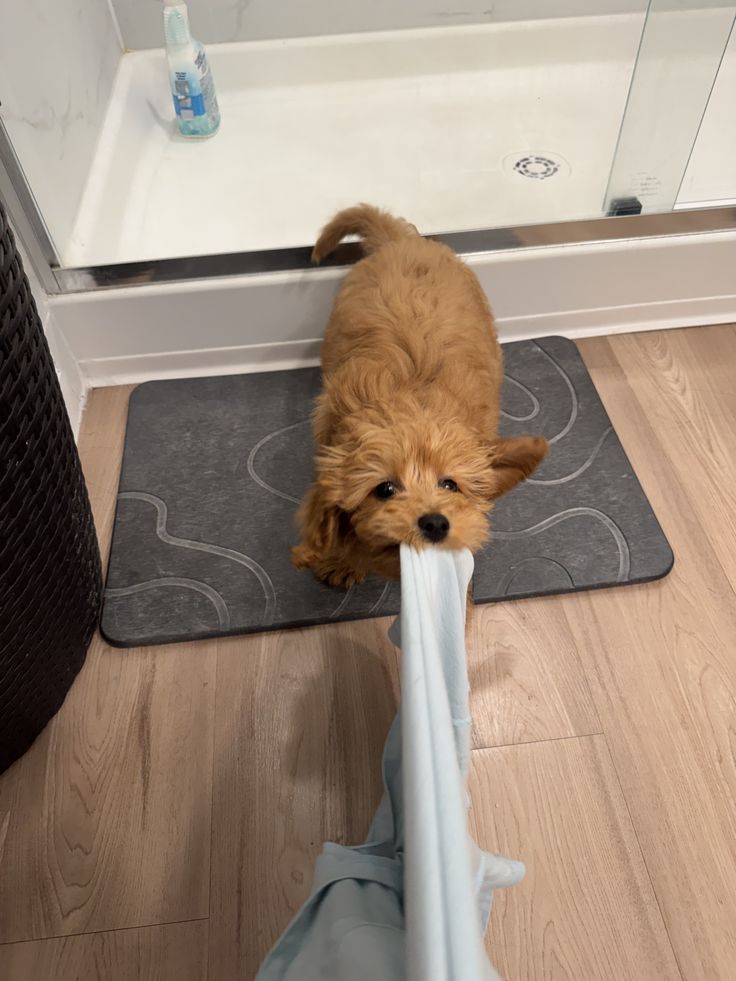
Bringing home a new puppy is an exciting experience filled with playful moments, cuddles, and unforgettable memories (How to Stop Puppy Mouthing)0. However, one behavior that surprises many new dog owners is puppy mouthing. Those tiny teeth may seem harmless at first, but constant nipping at hands, feet, clothing, and furniture can quickly become frustrating.
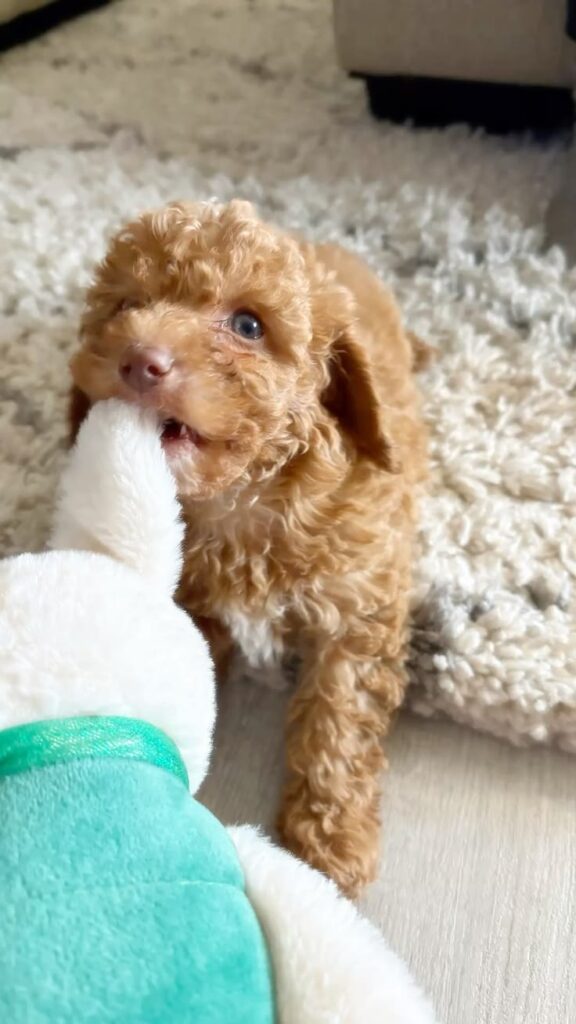
The good news is that mouthing is a completely normal part of puppy development. Puppies explore the world with their mouths in much the same way babies use their hands. While this behavior is natural, it’s also something every puppy should learn to control as they grow.
Teaching bite inhibition and appropriate chewing habits early helps raise a confident, well-mannered dog while preventing unwanted behaviors from becoming lifelong habits. Whether you own a playful Cavapoo, a Golden Retriever, a Labrador, or any other breed, understanding why puppies mouth is the first step toward solving the problem.
In this guide, you’ll learn why puppies mouth, how to distinguish normal play from concerning behavior, and the most effective training techniques to encourage gentle interactions using positive reinforcement.
How to Stop Puppy Mouthing: Why Do Puppies Mouth?
One of the biggest misconceptions among first-time dog owners is believing their puppy is trying to be aggressive when they bite or nip. In reality, most puppies mouth simply because it’s an essential part of growing up.
Puppies begin using their mouths almost immediately after birth. As they mature, mouthing becomes one of their primary ways of learning about their surroundings.
Your puppy may mouth because they are:
- Exploring unfamiliar objects
- Playing with people or other dogs
- Teething and relieving gum discomfort
- Seeking attention
- Feeling overstimulated
- Overtired
- Excited during play
- Trying to communicate a need
In many cases, mouthing isn’t about dominance or aggression—it’s simply communication.
Understanding the reason behind the behavior makes it much easier to respond appropriately instead of accidentally reinforcing the habit.
Puppy Mouthing vs. Aggressive Biting
One of the most common questions veterinarians and trainers hear is:
“Is my puppy aggressive?”
Fortunately, normal puppy mouthing looks very different from true aggressive behavior.
Normal Puppy Mouthing
Healthy puppy play often includes:
- Gentle nipping
- Grabbing sleeves or pant legs
- Chewing fingers during play
- Play bows
- Loose, wiggly body language
- Tail wagging
- Quickly returning to play after stopping
These behaviors are part of normal social development and usually improve with consistent training.
Signs That May Require Professional Help
Although rare in young puppies, concerning behaviors include:
- Growling over food or toys
- Stiff body posture
- Snapping without warning
- Lunging repeatedly
- Biting hard enough to cause injury without releasing
- Guarding resources aggressively
- Showing fear or panic when approached
If your puppy consistently displays these behaviors, consult your veterinarian or a qualified professional trainer as early intervention often leads to better outcomes.
Understanding Bite Inhibition
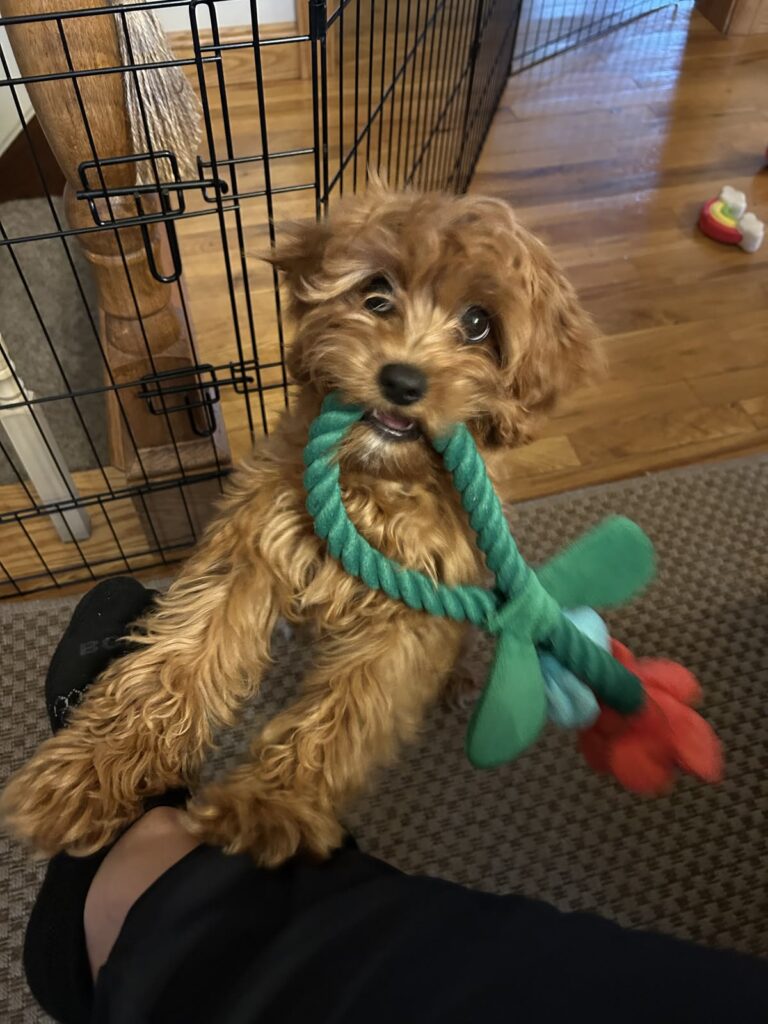
One of the most valuable lessons every puppy learns is called bite inhibition.
Bite inhibition refers to a dog’s ability to control the pressure of their bite.
Even adult dogs use their mouths while playing with other dogs, carrying toys, or interacting with family members. The difference is that well-socialized dogs know exactly how much pressure is acceptable.
Puppies typically begin learning bite inhibition from:
- Their mother
- Their littermates
- Gentle interactions with humans
Imagine two puppies wrestling. If one bites too hard, the other puppy usually yelps and immediately stops playing. That brief pause teaches the biting puppy that rough play makes the fun stop.
Over time, puppies naturally begin using less pressure during play.
This is why responsible breeders allow puppies to remain with their mother and littermates until they’re developmentally ready to join their new families. Those early weeks provide valuable social lessons that help shape future behavior.
Once your puppy comes home, it’s your responsibility to continue teaching those same gentle habits.
Why Some Puppies Mouth More Than Others
Not every puppy mouths to the same degree.
Several factors influence how often and how intensely puppies use their mouths.
Breed Tendencies
Certain breeds were originally developed to work using their mouths.
Examples include:
- Labrador Retrievers
- Golden Retrievers
- Flat-Coated Retrievers
- Spaniels
- Herding breeds
- Sporting breeds
These dogs often have a stronger natural instinct to grab, carry, or retrieve objects.
Cavapoos, while generally gentle companions, can also enjoy carrying toys thanks to their Poodle heritage. Early training helps direct this instinct toward appropriate chew toys rather than hands or clothing.
Teething
Between approximately three and six months of age, puppies begin losing their baby teeth.
During this stage, sore gums often increase chewing and mouthing behaviors.
Providing a variety of safe chew toys helps relieve discomfort while protecting your belongings.
Cold rubber toys, puppy-safe teething toys, and veterinarian-approved chews can make a significant difference.
Overtired Puppies
Many owners assume an energetic puppy needs even more play.
In reality, overtired puppies often become mouthier.
Just like overtired toddlers become cranky, puppies can lose self-control when they don’t get enough sleep.
Most young puppies require between 16 and 20 hours of sleep every day.
If your puppy suddenly becomes wild, starts zooming around the house, or begins biting everything in sight after a busy day, they may simply need a nap.
Overstimulation
Exciting games can quickly escalate into excessive mouthing.
Activities like:
- Wrestling
- Rough tug games
- Chasing children
- Running through the house
- Highly energetic fetch sessions
can cause puppies to become over-aroused.
When excitement rises faster than your puppy’s ability to regulate emotions, mouthing usually increases.
Keeping play sessions short and ending them while your puppy is still calm helps prevent this escalation.
Common Mistakes That Make Mouthing Worse
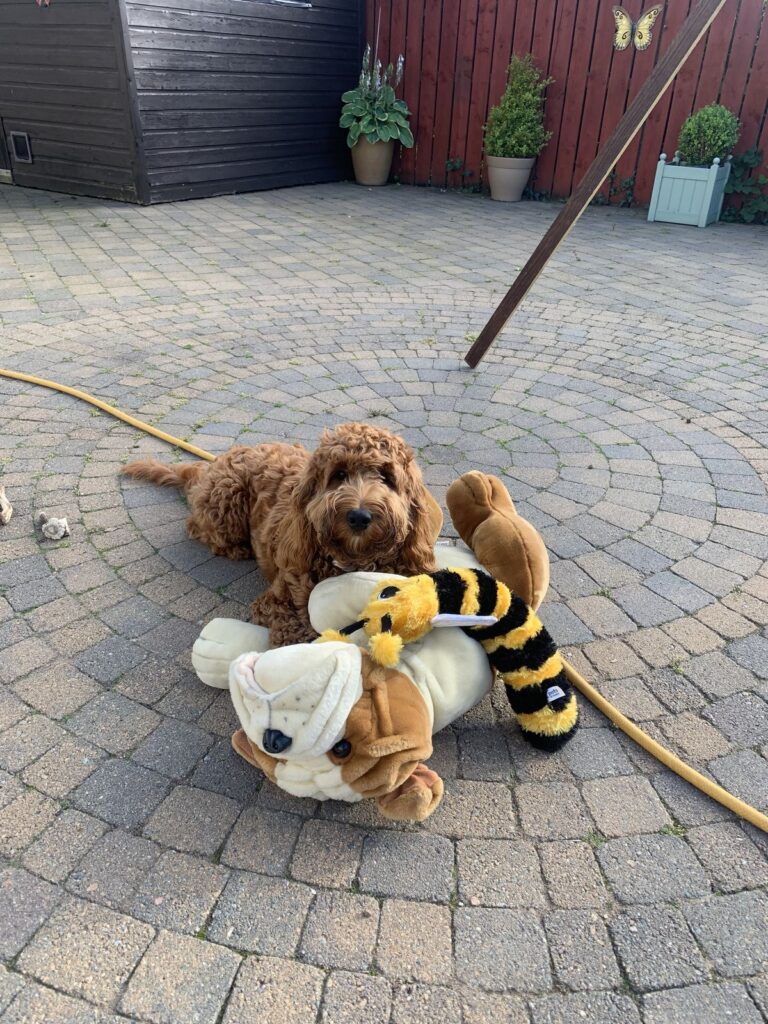
Many owners unknowingly reinforce mouthing without realizing it.
Avoid these common mistakes.
Pulling Your Hand Away Quickly
When you jerk your hand away, it often triggers your puppy’s instinct to chase moving objects.
Instead, stay calm and redirect their attention to an appropriate toy.
Using Your Hands as Toys
Allowing puppies to chew on fingers during play sends mixed messages.
Your puppy cannot understand that hands are acceptable sometimes but not others.
Instead, encourage interaction with ropes, plush toys, or rubber chew toys.
Punishing Your Puppy
Yelling, hitting, or using harsh corrections may increase fear or excitement, making the behavior worse.
Positive reinforcement consistently produces better long-term results while strengthening the bond between you and your puppy.
Expecting Instant Results
Learning bite control takes time.
Most puppies gradually improve over several months with consistent guidance.
Patience is one of the most important tools in puppy training.
Set Your Puppy Up for Success
Rather than constantly correcting unwanted behavior, successful training focuses on preventing mistakes before they happen.
Ask yourself:
- Is my puppy hungry?
- Are they overtired?
- Do they need a potty break?
- Have they exercised enough?
- Are they teething?
- Do they have appropriate chew toys available?
Meeting these basic needs dramatically reduces unwanted mouthing before training even begins.
Remember, puppies don’t wake up planning to bite people. They’re simply responding to their environment in the best way they know how.
The more opportunities you give your puppy to succeed, the faster they’ll learn what behaviors earn attention, praise, and rewards.
Why Do Puppies Mouth?
Mouthing is one of the most common behaviors new puppy owners experience. If you’ve recently welcomed a Cavapoo puppy into your home, you’ve probably discovered that your hands, sleeves, shoelaces, and even furniture can quickly become favorite chewing targets.
The good news is that mouthing is completely normal.
Puppies explore their surroundings with their mouths much like young children use their hands. Every new texture, smell, and object is something worth investigating. During the first few months of life, your puppy is also learning how much pressure is appropriate when interacting with people and other dogs.
Mouthing serves several natural purposes, including:
- Exploring new environments
- Relieving teething discomfort
- Playing with littermates
- Seeking attention
- Expressing excitement
- Coping with frustration
- Communicating needs
Understanding why your puppy is mouthing makes it much easier to respond appropriately. Instead of seeing the behavior as disobedience, view it as communication.
For Cavapoos, this is especially important because they are highly social dogs. They naturally seek interaction with their families and often use their mouths during play if they haven’t yet learned better alternatives.
Why Cavapoo Puppies Tend to Mouth More During the First Year
Although every breed mouths to some degree, Cavapoos often continue playful mouthing throughout puppyhood because of their parent breeds.
The Cavalier King Charles Spaniel contributes an affectionate personality that craves constant interaction with people. The Poodle contributes intelligence, curiosity, and an eagerness to engage with toys and games.
Together, these traits create an energetic companion that wants to interact with you throughout the day.
Young Cavapoos commonly mouth when:
- They become overly excited.
- They’re trying to start a game.
- They need a nap.
- They’re teething.
- They’re bored.
- They want your attention.
- They’re frustrated.
- They’re overstimulated.
Most puppies gradually outgrow excessive mouthing between six and twelve months of age when they’re consistently taught appropriate behaviors.
The First Step: Manage the Environment
One of the biggest mistakes new owners make is expecting their puppy to make good decisions in an environment full of temptation.
Instead of constantly correcting unwanted behavior, it’s much easier to prevent mistakes before they happen.
Think of your home as your puppy’s classroom.
If every lesson ends with success, learning happens much faster.
Use Baby Gates
Baby gates are one of the simplest management tools available.
Rather than chasing your puppy around the house after they’ve become overly excited, you can calmly step over the gate when mouthing begins.
Your puppy quickly learns:
Calm behavior keeps people close.
Biting makes the fun stop.
This approach removes the reward without using punishment.
Exercise Pens Create Safe Learning Spaces
Exercise pens are another excellent option, especially during the first few months.
A properly sized playpen gives your puppy enough room to:
- Rest
- Play
- Chew toys
- Practice independence
When mouthing escalates, you can simply leave the play area for a minute or two.
Your puppy learns that polite play keeps the interaction going.
Encourage Plenty of Rest
Many owners underestimate just how much sleep puppies need.
Young puppies often require 16 to 20 hours of sleep every day.
An overtired puppy behaves much like an overtired toddler.
Instead of becoming sleepy, they often become:
- Hyperactive
- Mouthy
- Unable to settle
- Frustrated
- Extra energetic
If your Cavapoo suddenly becomes wild during the evening, they may not need more exercise.
They may simply need a nap.
Providing regular quiet time throughout the day often reduces mouthing dramatically.
Always Have Appropriate Toys Available
Puppies have a biological need to chew.
Trying to stop chewing altogether isn’t realistic.
Instead, redirect that need toward appropriate toys.
Keep several different textures available, including:
- Soft plush toys
- Rubber chew toys
- Rope toys
- Puppy-safe teething toys
- Food puzzle toys
Rotate toys every few days.
Introducing “new” toys by rotating them keeps them interesting without constantly buying replacements.
Try the “Feed the Bite” Technique
One of the most effective methods recommended by behavior professionals is known as feeding the bite.
Rather than pulling your hands away when your puppy opens their mouth, calmly place an appropriate toy where your hand would have been.
Instead of biting you, your puppy bites the toy.
The moment they choose the toy:
- Praise them.
- Continue the game.
- Offer affection.
- Keep the interaction fun.
Over time, your puppy learns that toys—not hands—are what make play continue.
This simple habit builds excellent bite choices without creating fear or frustration.
Avoid Putting Your Puppy in Situations Where They’ll Fail
Training works best when puppies have frequent opportunities to succeed.
If you already know your Cavapoo becomes overly mouthy during rough wrestling games, avoid those games for now.
If they bite whenever visitors arrive, keep them on a leash or behind a baby gate until they settle.
If they become wild after missing a nap, prioritize rest before play.
Successful training isn’t about constantly correcting mistakes.
It’s about arranging situations where your puppy naturally makes better choices.
Become a Detective: Discover Why Your Puppy Is Mouthing
One of the biggest mistakes puppy owners make is treating every mouthing incident the same way. In reality, puppies mouth for different reasons, and the most effective solution depends on what’s motivating the behavior.
Think of yourself as a detective. Before reacting, pause and ask:
- What happened right before my puppy started mouthing?
- Are they tired or full of energy?
- Are they trying to play?
- Do they need something?
- Have they been awake for several hours?
- Is this happening during training, walks, or quiet time?
When you identify the trigger, you’re much more likely to solve the problem instead of simply managing the symptoms.
Let’s look at the most common causes.
The Attention-Seeking Puppy
Many puppies quickly discover that biting gets a reaction.
Even negative attention—such as saying “No!”, pushing them away, or waving your hands—can be rewarding if your puppy simply wants interaction.
If your Cavapoo mouths whenever you’re working, watching TV, or talking to someone else, they’re likely saying:
“Pay attention to me!”
What to Do
Instead of rewarding the mouthing with attention, teach your puppy an alternative behavior.
For example, reward them generously when they:
- Sit politely.
- Bring you a toy.
- Lie quietly beside you.
- Make eye contact.
- Offer a calm behavior.
Soon your puppy learns:
Polite behavior earns attention.
Mouthing doesn’t.
The Overtired Puppy
This is probably the most overlooked cause of puppy biting.
Young puppies become incredibly mouthy when they’re exhausted.
If your puppy suddenly begins:
- Zooming around the house
- Ignoring cues they normally know
- Jumping repeatedly
- Biting harder than usual
- Barking excessively
…they probably don’t need more exercise.
They need sleep.
Solution
Create a quiet resting area where your puppy can relax without distractions.
Many owners notice that after a 60–90 minute nap, their puppy behaves like a completely different dog.
The Overexcited Puppy
Some puppies simply become overwhelmed by exciting activities.
Games like tug, fetch, or chasing toys can raise excitement levels until self-control disappears.
Once your puppy crosses that threshold, they’re no longer thinking clearly.
That’s when hands, sleeves, and pant legs suddenly become toys.
Solution
Instead of waiting until your puppy is overexcited, end play while they’re still calm.
Keep play sessions short.
Take regular breaks.
Reward calm behavior between games.
Teaching your puppy to alternate between excitement and relaxation builds excellent emotional control.
The Frustrated Puppy
Frustration often appears during walks or training sessions.
Examples include:
- Wanting to greet another dog
- Being unable to reach a squirrel
- Waiting for dinner
- Being asked to stay still
- Not understanding a training exercise
Some puppies respond to frustration by redirecting that energy onto the nearest object—which sometimes happens to be your hand.
Solution
Reduce frustration whenever possible.
Break training into smaller steps.
Keep walks shorter if your puppy becomes overwhelmed.
Reward calm behavior before frustration builds.
The Puppy Who Needs Something
Sometimes mouthing isn’t about biting at all.
It’s communication.
Your puppy may be trying to tell you:
- “I need to go outside.”
- “My water bowl is empty.”
- “I’m hungry.”
- “I want to play.”
- “I’m uncomfortable.”
Learning your puppy’s daily routine helps you recognize these patterns.
If mouthing consistently occurs before potty breaks or meals, your puppy may simply be trying to communicate.
Build a Positive Training Plan
Once you’ve identified why your puppy mouths, it’s time to teach better alternatives.
The goal isn’t to stop your puppy from communicating.
The goal is to teach them how to communicate appropriately.
Positive reinforcement works because dogs repeat behaviors that produce rewarding outcomes.
Rather than focusing on what you don’t want, spend more time rewarding what you do want.
Step 1: Reward Calm Behavior
Don’t wait until your puppy is biting to start training.
Catch them making good choices.
Whenever your puppy is:
- Sitting calmly
- Lying quietly
- Chewing an appropriate toy
- Looking at you politely
- Walking nicely beside you
Reward them.
This might include:
- Praise
- Petting
- Treats
- Play
- A favorite toy
The more often calm behavior pays off, the more often your puppy will choose it.
Step 2: Redirect Immediately
If your puppy begins mouthing, calmly redirect them onto a toy.
Avoid:
- Pulling your hands away dramatically
- Shouting
- Pushing them
- Smacking their nose
Instead:
- Stay calm.
- Pick up a nearby toy.
- Encourage your puppy to grab it.
- Continue playing once they choose the toy.
This teaches your puppy exactly what they’re allowed to bite.
Step 3: Stop the Game
If redirecting doesn’t work and your puppy continues biting, calmly end the interaction.
Stand up.
Cross your arms.
Walk behind a baby gate or step out of the play area for 20–30 seconds.
Don’t scold.
Don’t yell.
Simply remove the reward.
After a brief pause, return and try again.
Your puppy begins to understand:
Gentle play keeps the fun going.
Biting makes the fun stop.
Step 4: Teach an Incompatible Behavior
An incompatible behavior is something your puppy physically cannot do while mouthing.
Examples include:
- Sitting
- Lying down
- Carrying a toy
- Looking at you
- Going to a mat
These become replacement behaviors.
For example, instead of jumping up and biting when guests arrive, teach your puppy to pick up a toy and greet visitors while carrying it.
Many retriever-type breeds, including Cavapoos, naturally enjoy carrying toys, making this an excellent alternative.
Step 5: Be Consistent
Consistency is what transforms training into habit.
If mouthing is allowed one day but discouraged the next, your puppy receives mixed messages.
Make sure everyone in the household follows the same rules.
Children should also understand:
- Don’t encourage hand biting during play.
- Always redirect to toys.
- Reward calm interactions.
- Stop play immediately if biting begins.
When the entire family responds consistently, puppies learn much faster.
Common Mistakes That Can Slow Your Puppy’s Progress
Even with the best intentions, many puppy owners accidentally reinforce mouthing. Fortunately, these mistakes are easy to avoid once you recognize them.
Using Your Hands as Toys
Wiggling your fingers in front of your puppy or encouraging them to “play bite” may seem harmless, but it creates confusion.
Your puppy can’t understand why biting hands is acceptable during play but not at other times.
Instead, always use toys during interactive games.
Inconsistent Rules
If one family member allows mouthing while another discourages it, your puppy receives mixed messages.
Everyone in the household should respond the same way every time:
- Redirect to a toy.
- Reward gentle behavior.
- End play if biting continues.
Consistency builds habits much faster than occasional corrections.
Punishing Instead of Teaching
Harsh corrections, yelling, or physical punishment may stop the behavior temporarily, but they rarely teach your puppy what they should do instead.
Positive reinforcement encourages lasting behavioral change while strengthening your relationship with your dog.
Remember, your puppy isn’t trying to be “bad.” They’re simply learning how to interact with the world.
Expecting Too Much Too Soon
Learning bite inhibition takes time.
Most puppies improve gradually between four and twelve months of age, with significant progress occurring as adult teeth replace baby teeth.
Celebrate small improvements rather than expecting perfection overnight.
The Best Chew Toys for Teething Puppies
Providing appropriate chewing outlets is one of the easiest ways to reduce unwanted mouthing.
Different puppies enjoy different textures, so it’s helpful to offer a variety of safe options.
Popular choices include:
- Durable rubber chew toys
- Puppy-safe teething rings
- Soft plush toys for supervised play
- Rope toys
- Food-dispensing puzzle toys
- Frozen puppy-safe chew toys (to soothe sore gums)
Rotate toys every few days to keep them interesting and engaging.
Always supervise your puppy with new toys and replace damaged items promptly to reduce the risk of swallowing loose pieces.
Age-by-Age Mouthing Expectations
Knowing what’s normal at each stage can help you set realistic expectations.
8–12 Weeks
This is often the peak period for playful mouthing. Puppies are adjusting to a new home, exploring everything with their mouths, and beginning to learn bite inhibition.
Focus on:
- Gentle redirection
- Frequent naps
- Positive reinforcement
- Short training sessions
3–6 Months
Teething is in full swing.
Your puppy may chew more frequently as adult teeth erupt.
Continue providing appropriate chew toys while rewarding calm behavior and consistency.
6–12 Months
Most puppies show noticeable improvement during adolescence.
Although occasional mouthing may still occur during exciting moments, consistent training should result in much gentler interactions.
Adult Dogs
Healthy adult dogs may still use their mouths gently during play or when carrying toys, but they should understand how to control bite pressure and respect human boundaries.
When Should You Seek Professional Help?
Normal puppy mouthing is expected.
However, some situations deserve professional guidance.
Contact your veterinarian or a qualified positive reinforcement trainer if your puppy:
- Frequently breaks skin with bites
- Displays stiff body language before biting
- Guards food, toys, or resting places
- Shows fear-based aggression
- Lunges or snaps without warning
- Does not improve despite several weeks of consistent training
- Appears to be in pain while chewing
Sometimes underlying medical conditions, pain, or anxiety can contribute to behavioral issues.
Early intervention often leads to the best outcomes.
Cavapoo Training Tips for Gentle Behavior
Cavapoos are intelligent, affectionate, and eager to please, making them excellent candidates for positive reinforcement training.
To help your Cavapoo develop gentle manners:
- Begin training as soon as your puppy comes home.
- Keep sessions short, fun, and rewarding.
- Provide plenty of mental stimulation through puzzle toys and simple obedience games.
- Maintain a consistent daily routine.
- Encourage calm greetings rather than jumping or nipping.
- Socialize your puppy safely with people, environments, and other vaccinated dogs.
- Reward every good decision you see.
Because Cavapoos thrive on human interaction, they often learn quickly when training is based on patience, encouragement, and consistency.
Final Thoughts
Mouthing is one of the most common—and often most frustrating—behaviors that puppy owners experience. Fortunately, it is also one of the most manageable when approached with patience, consistency, and an understanding of why dogs use their mouths in the first place.
Rather than punishing your puppy for mouthing, focus on teaching them what to do instead. Management tools like baby gates, crates, tethers, and appropriate chew toys help prevent unwanted behavior while reinforcing calm, polite interactions. As your puppy matures, they’ll learn that gentle behavior earns attention, play, and rewards, while mouthing people simply doesn’t.
Remember that every dog is an individual. Some puppies mouth because they’re excited, others because they’re tired, frustrated, or simply trying to communicate. Identifying the reason behind the behavior makes choosing the right training approach much easier.
With consistent guidance, plenty of appropriate outlets for chewing, and positive reinforcement, most puppies naturally outgrow excessive mouthing and develop into polite, confident companions.
If you’re struggling despite following a consistent training plan, don’t hesitate to seek help from a qualified force-free trainer or veterinary behavior professional. Early intervention can prevent unwanted habits from becoming lifelong behaviors.
Frequently Asked Questions
At what age do puppies stop mouthing?
Most puppies begin to outgrow excessive mouthing between 5 and 7 months of age, especially after their adult teeth come in. Consistent training and appropriate chew toys can speed the process.
Should I let my puppy mouth my hands?
It’s better to redirect your puppy toward appropriate chew toys rather than allowing them to chew on hands. This helps them learn that toys—not people—are acceptable outlets for chewing.
Why does my puppy bite more when they’re tired?
Overtired puppies often lose self-control, much like overtired toddlers. Providing regular naps and quiet time can dramatically reduce mouthing episodes.
Is mouthing the same as aggression?
No. Mouthing is usually a normal part of puppy development and play. Aggression involves different body language and intent. If you’re unsure which behavior you’re seeing, consult your veterinarian or a qualified behavior professional.
What toys work best for redirecting mouthing?
Soft plush toys, durable rubber chew toys, tug toys, and food-stuffable enrichment toys all work well. Keep several within reach so you can quickly redirect your puppy whenever mouthing begins.
Can adult dogs still learn to stop mouthing?
Yes. Although puppies generally learn more quickly, adult dogs can also reduce mouthing through consistent management, positive reinforcement, and appropriate training techniques
Helpful Resources
- How to Stop Puppy Biting and Nipping
- Week by Week: How Breeders Shape Healthy Behavioral Development
- The Breeder Is the Most Important Person in a Puppy’s Life
- Essential Puppy Checklist: Everything You Need for Your New Puppy
- Tips to Control Shedding in Your Dog This Spring
- How to Trim Your Dog’s Nails Safely
- Hip Dysplasia in Dogs: What Every Puppy Owner Should Know
- Browse Available Cavapoo Puppies
- Learn More About the Cavapoo Breed
- Puppy Care Blog
