
Cavapoo Training Guide, Cavapoo Temperament Guide
How to Stop Puppy Biting: A Complete Guide to Managing Mouthing Behavior
Aug
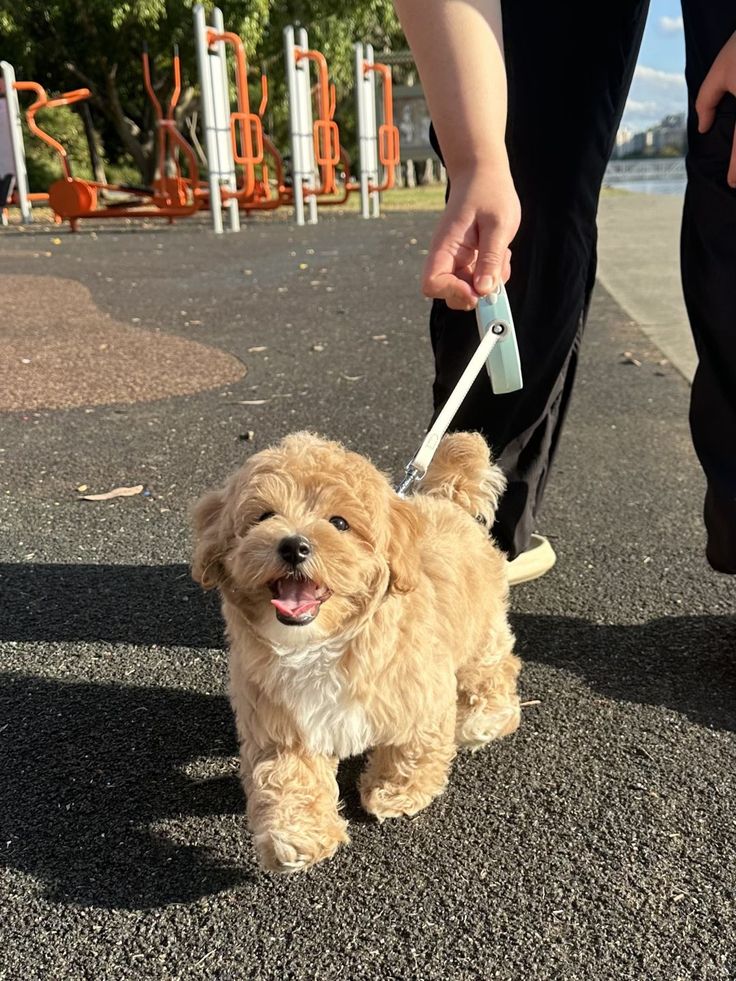
Bringing home a puppy is one of life’s greatest joys. Every wagging tail, playful bounce, and curious adventure creates unforgettable memories (How to Stop Puppy Biting). However, one behavior almost every new puppy owner experiences is biting and mouthing. Tiny, razor-sharp puppy teeth can quickly turn playtime into an uncomfortable experience, leaving many owners wondering whether their puppy is simply playing or developing a serious behavior problem.
The good news is that puppy biting is completely normal. In fact, mouthing is one of the primary ways puppies explore their surroundings, communicate with their littermates, and learn about the world. Just as human babies use their hands to investigate objects, puppies use their mouths.
Understanding how to stop puppy biting begins with understanding why puppies bite in the first place. Most puppies are not trying to be aggressive or dominant. Instead, they are learning, teething, seeking attention, relieving stress, or inviting you to play. With patience, consistency, and positive training, your puppy can learn that toys—not hands or clothing—are the appropriate things to chew.
Whether you’ve recently welcomed home a playful Cavapoo puppy or another lovable breed, this guide will help you understand why mouthing happens, how to manage it effectively, and the proven training techniques that encourage gentle behavior while protecting your puppy’s confidence.
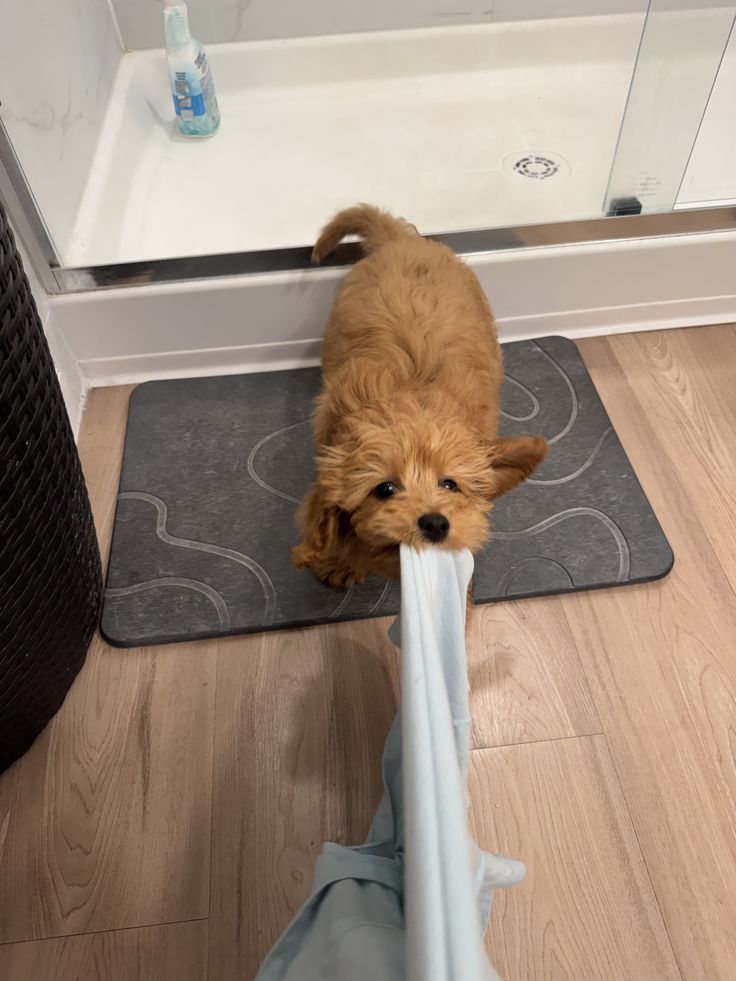
How to Stop Puppy Biting: Is Puppy Biting Normal?
Yes—puppy biting is a completely normal stage of development.
From the moment puppies begin interacting with their littermates, they use their mouths to communicate. They wrestle, chase, chew on one another, and practice important social skills that prepare them for adulthood.
Between 8 and 16 weeks of age, most puppies enter a stage where mouthing becomes especially common. During this period, they are:
- Learning bite inhibition.
- Exploring unfamiliar objects.
- Teething.
- Burning excess energy.
- Discovering how humans respond to their behavior.
Although those tiny teeth may hurt, mouthing during puppyhood is usually a sign of curiosity rather than aggression.
The key is teaching your puppy what is acceptable to bite rather than trying to stop all mouthing immediately.
Puppy Mouthing vs. Aggressive Biting
One of the biggest concerns for new dog owners is determining whether their puppy’s biting is normal play or something more serious.
Fortunately, true aggression in young puppies is relatively uncommon.
Typical Puppy Mouthing
Normal mouthing usually includes:
- Loose, relaxed body language.
- A wagging tail.
- Play bows.
- Excited bouncing.
- Gentle grabbing of hands, sleeves, or shoelaces.
- Frequent pauses during play.
- Willingness to switch to a toy when redirected.
These behaviors are simply part of healthy puppy development.
Warning Signs of Aggression
Aggressive behavior looks very different and may include:
- A stiff, tense body.
- Deep growling accompanied by hard staring.
- Snapping without warning.
- Repeated lunging.
- Biting intended to cause harm rather than initiate play.
- Guarding food or toys with threatening behavior.
If your puppy consistently displays these behaviors, especially if they worsen over time, it’s important to consult your veterinarian or a qualified canine behavior professional.
Fortunately, the overwhelming majority of puppies simply need guidance—not correction.
Why Do Puppies Bite?
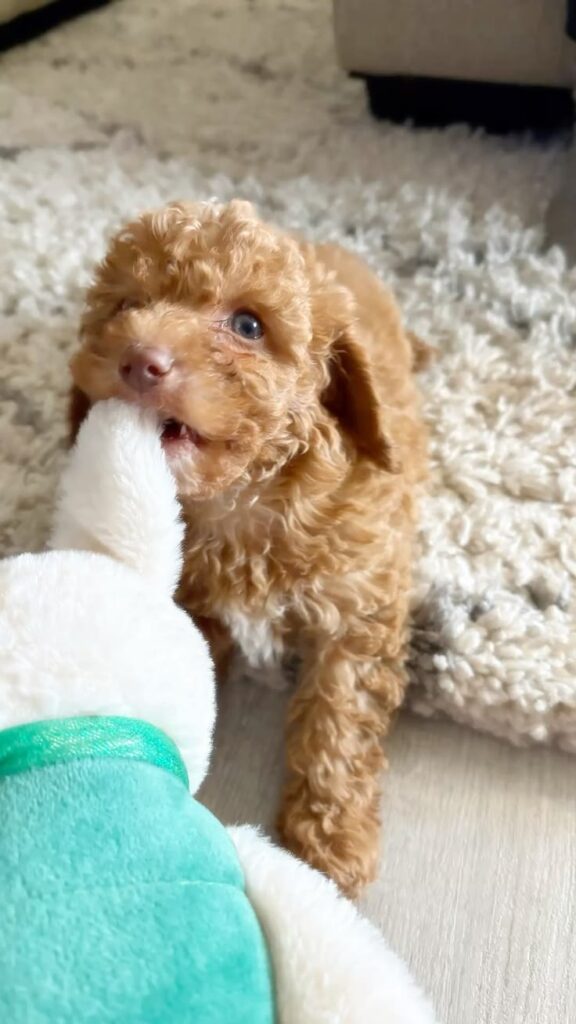
Understanding the motivation behind puppy biting makes training much easier. Puppies don’t bite for just one reason. Different situations trigger different behaviors.
1. They’re Exploring Their World
Puppies don’t have hands.
Everything they discover is investigated using their mouths. Shoes, furniture, toys, blankets, and even your fingers become interesting objects to examine.
This exploration is a natural part of cognitive development.
2. They’re Teething
Like human babies, puppies go through an uncomfortable teething phase.
Most puppies begin losing their baby teeth around three to four months of age, with adult teeth typically finishing their eruption by about six months.
During this time, chewing helps relieve sore gums.
Frozen chew toys, rubber toys, and veterinarian-approved dental chews can provide welcome relief.
3. They’re Excited
Many puppies become mouthier when excitement levels rise.
This commonly happens:
- During games of fetch.
- When visitors arrive.
- After you return home.
- During zoomies.
- Before meals.
- During play with children.
The more excited a puppy becomes, the harder it can be for them to control their impulses.
4. They’re Overtired
Surprisingly, one of the biggest reasons puppies begin biting excessively is simple exhaustion.
Just like toddlers who become cranky when they miss a nap, puppies often lose self-control when they’re overly tired.
Signs of an overtired puppy include:
- Zooming around the house.
- Ignoring cues they normally understand.
- Barking excessively.
- Jumping constantly.
- Increased biting.
In many cases, a quiet nap is the best solution.
5. They Want Attention
Puppies quickly learn what gets a reaction.
If every time your puppy grabs your sleeve you laugh, push them away, chase them, or talk excitedly, you’ve accidentally rewarded the behavior.
From your puppy’s perspective:
“Biting makes humans play with me.”
Instead, you’ll want to teach an alternative behavior that earns even better rewards.
6. They Need Mental Stimulation
A bored puppy often creates their own entertainment.
Without enough:
- Exercise
- Training
- Puzzle toys
- Sniffing activities
- Social interaction
they may redirect their energy toward chewing furniture—or your hands.
Providing regular enrichment is one of the easiest ways to reduce unwanted biting before it starts.
Why Cavapoo Puppies Tend to Mouth
As a Cavapoo owner, you may notice your puppy seems especially playful and eager to interact with people.
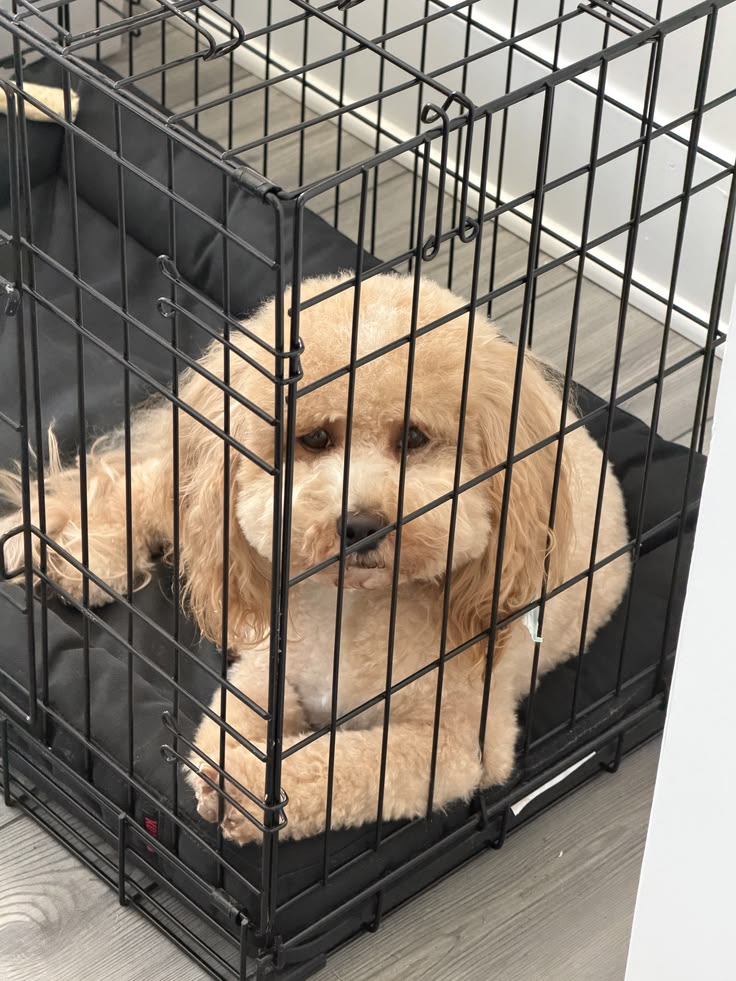
Cavapoos combine the affectionate nature of the Cavalier King Charles Spaniel with the intelligence and curiosity of the Poodle. This mix often creates puppies that love engaging with their families and learn quickly through positive reinforcement.
Because Cavapoos are highly social, they may use gentle mouthing as a way to:
- Initiate play.
- Seek attention.
- Express excitement.
- Explore new experiences.
- Relieve teething discomfort.
The good news is that Cavapoos are generally intelligent, people-focused dogs that respond exceptionally well to consistent, reward-based training. With patience and clear guidance, most learn appropriate bite inhibition at a young age.
Manage Your Puppy’s Environment for Success
One of the biggest mistakes new puppy owners make is believing they must constantly correct unwanted biting. In reality, the easiest way to reduce puppy mouthing is to prevent your puppy from practicing it in the first place.
Every time your puppy successfully bites your hands, sleeves, or ankles, they’re rehearsing a behavior that can become a habit. The more opportunities they have to practice biting people, the longer it may take to replace that habit with appropriate chewing.
Instead of waiting for your puppy to make a mistake, arrange their environment so making the right choice is easy.
Professional trainers call this management, and it’s one of the most effective ways to teach puppies without creating fear or frustration.
Always Keep Appropriate Chew Toys Nearby
If you’ve ever tried taking something away from a puppy, you’ve probably discovered they immediately grab something else.
Use this natural behavior to your advantage.
Keep a variety of puppy-safe chew toys within easy reach throughout your home. Whenever your puppy starts reaching for your hands or clothing, calmly redirect them toward a toy instead.
Instead of saying:
“No!”
Offer something better.
For example:
- A soft plush toy
- A rubber chew toy
- A rope toy
- A frozen teething toy
- A puppy-safe dental chew
Your puppy learns that chewing is perfectly acceptable—as long as they’re chewing the right objects.
The “Feed the Bite” Technique
One of the simplest strategies recommended by many canine behavior professionals is sometimes called “Feed the Bite.”
The concept is surprisingly simple.
Rather than pulling your hand away and accidentally turning yourself into a moving target, calmly place an appropriate toy where your puppy intends to bite.
For example:
Your puppy runs toward you with an open mouth.
Instead of letting them grab your sleeve, immediately present a plush toy or chew toy.
When they grab the toy instead of your hand:
- Praise calmly.
- Continue playing.
- Reward them with attention.
Over time your puppy begins thinking:
“If I grab this toy, fun continues.”
Eventually, they’ll start looking for a toy on their own whenever they’re excited.
This teaches the behavior you want rather than focusing only on the behavior you dislike.
Rotate Toys to Keep Them Interesting
Many owners buy one or two toys and leave them on the floor for months.
Unfortunately, puppies become bored with toys that are always available.
Instead, rotate toys every few days.
Keep several categories of toys, including:
- Plush toys for carrying
- Rubber toys for chewing
- Rope toys for tugging
- Puzzle toys for mental stimulation
- Food-dispensing toys
- Frozen teething toys
When toys regularly change, they remain exciting and compete much better with your hands or furniture.
Use Baby Gates and Playpens
Sometimes your puppy simply becomes too excited to make good choices.
Rather than repeatedly correcting them, create physical boundaries that allow everyone to calm down.
Baby gates and exercise pens are invaluable tools for puppy owners.
They allow you to:
- End play before biting escalates.
- Prevent your puppy from chasing you.
- Give your puppy time to settle.
- Keep everyone safe.
If your puppy begins biting harder during play, calmly step outside the play area for 20 to 30 seconds.
Avoid yelling or scolding.
Instead, your puppy learns:
“Biting makes play stop.”
When they’re calm again, you can return and continue interacting.
Use the Crate as a Resting Place—Not a Punishment
Many biting episodes happen because puppies are exhausted rather than disobedient.
Young puppies need a surprising amount of sleep—often 16 to 20 hours each day.
An overtired puppy can become:
- Hyperactive
- Mouthy
- Frustrated
- Unable to settle
- More likely to nip
If your puppy has been awake for an hour or two and suddenly becomes wild, it may simply be time for a nap.
Guide them calmly into their crate or quiet sleeping area with a chew toy or food puzzle.
The crate should always feel like a safe, comfortable place—not a punishment.
When used positively, crate training helps puppies develop healthy routines and better emotional regulation.
Don’t Encourage Rough Play
Wrestling with your puppy using your hands may seem harmless while they’re small, but it often teaches the wrong lesson.
If hands become toys, puppies struggle to understand why biting isn’t allowed later.
Instead of roughhousing with your fingers, use toys during interactive games.
Try activities such as:
- Fetch
- Tug with clear rules
- Hide-and-seek
- Food puzzles
- Short training sessions
- Nose work games
These activities burn energy while reinforcing appropriate play habits.
Learn to Recognize Overstimulation
Many owners accidentally continue playing long after their puppy has become overstimulated.
Watch for signs such as:
- Faster movements
- Harder biting
- Barking repeatedly
- Jumping constantly
- Zooming around the room
- Ignoring familiar cues
Once these signs appear, it’s usually best to pause the activity.
Offer your puppy water, a chew toy, or a quiet place to relax before resuming play later.
Stopping before your puppy loses control is far easier than trying to calm them afterward.
Teach Calm Behavior Gets Attention
Puppies naturally repeat behaviors that earn rewards.
If jumping and biting always lead to interaction, those behaviors become stronger.
Instead, look for opportunities to reward calm choices.
For example:
When your puppy sits politely…
→ Pet them.
When they bring you a toy…
→ Play together.
When they lie quietly beside you…
→ Offer gentle praise or a treat.
When they greet visitors without biting…
→ Reward immediately.
By consistently rewarding desirable behaviors, your puppy begins choosing them more often.
Meet Your Puppy’s Daily Needs
Many unwanted behaviors, including excessive mouthing, are signs that a puppy’s physical or emotional needs aren’t being fully met.
Each day, your puppy should have opportunities for:
- Age-appropriate exercise
- Positive social interaction
- Short training sessions
- Mental enrichment
- Safe chewing
- Adequate rest
- Consistent routines
When these needs are fulfilled, most puppies naturally become calmer, more focused, and easier to train.
Remember, a tired puppy isn’t always a well-behaved puppy—but a puppy whose needs are balanced is much more likely to succeed.
Key Takeaways
Before trying to stop puppy biting through training alone, make sure your environment supports success.
- Keep chew toys within reach.
- Redirect biting to appropriate items.
- Use baby gates and playpens when needed.
- Encourage frequent naps.
- Avoid rough play with your hands.
- Reward calm behavior consistently.
- Meet your puppy’s physical and mental needs every day.
Management isn’t about avoiding training—it’s about creating the right conditions for learning.
Step-by-Step Puppy Mouthing Training Plan
Learning how to stop puppy mouthing doesn’t happen overnight. Puppies explore the world with their mouths, especially during the first few months of life. The goal isn’t to eliminate mouthing immediately—it’s to teach your puppy that gentle behavior earns attention while biting ends the fun.
Consistency is far more important than punishment. Every family member should respond to puppy biting the same way so your puppy receives clear, predictable feedback.
Here is a simple training plan that many dog trainers recommend for teaching puppies appropriate bite inhibition and polite play.
Step 1: Identify Why Your Puppy Is Mouthing
Before you can change the behavior, determine what is causing it.
Puppies don’t bite for just one reason. The motivation often changes depending on the situation.
Ask yourself:
- Are they trying to play?
- Are they teething?
- Are they overly tired?
- Are they frustrated?
- Do they want your attention?
- Do they need to go outside?
- Are they overstimulated?
Understanding the trigger helps you choose the right response.
For example, an overtired puppy needs a nap—not another training session. A teething puppy needs an appropriate chew toy rather than repeated corrections.
Step 2: Interrupt the Behavior Calmly
The moment your puppy bites your hands or clothing, avoid reacting dramatically.
Yelling, waving your arms, or pulling away quickly often makes the game more exciting.
Instead:
- Freeze your hands.
- Stay calm.
- Avoid eye contact for a moment.
- Stop interacting.
Your puppy quickly learns that biting causes all attention to disappear.
This brief pause is often far more effective than loud verbal corrections.
Step 3: Redirect to an Appropriate Toy
Once your puppy releases your hand, immediately offer an acceptable alternative.
This is the perfect opportunity to use the “Feed the Bite” strategy discussed earlier.
Offer:
- Plush toys
- Rope toys
- Rubber chew toys
- Frozen teething toys
The goal is not simply to stop biting—it is to teach your puppy what they should bite instead.
Whenever your puppy chooses the toy, reward that decision with praise, gentle petting, or continued play.
Step 4: Reward Gentle Mouths
Many owners accidentally ignore their puppy when they’re behaving appropriately and only respond when the puppy bites.
Instead, actively reinforce gentle behavior.
Examples include:
- Licking instead of biting
- Playing with toys independently
- Sitting politely
- Bringing you a toy
- Relaxing quietly beside you
Whenever your puppy makes one of these good choices, acknowledge it.
Dogs repeat behaviors that consistently earn rewards.
Step 5: End Play if Biting Continues
If your puppy continues biting after being redirected, calmly end the interaction.
Stand up.
Walk behind a baby gate or leave the play area for about 20 to 30 seconds.
Avoid talking or scolding.
The lesson becomes simple:
Gentle play keeps the fun going. Rough biting makes the fun disappear.
Once your puppy calms down, you can return and give them another opportunity to succeed.
Step 6: Practice Short Training Sessions Daily
Young puppies have short attention spans.
Instead of long training sessions, practice for five to ten minutes several times each day.
During these sessions, reinforce behaviors such as:
- Sit
- Down
- Leave it
- Drop it
- Come
- Touch (nose targeting)
These simple exercises improve impulse control and strengthen communication between you and your puppy.
A puppy that enjoys learning is often less likely to become frustrated during play.
Teaching Bite Inhibition
One of the most important lessons puppies learn is bite inhibition.
Bite inhibition means your puppy learns to control the strength of their bite.
Dogs naturally begin learning this from their littermates.
If one puppy bites another too hard, play usually stops immediately.
Over time, puppies discover that softer mouths keep social interactions going.
Human family members continue teaching this same lesson after puppies go home.
Rather than expecting zero mouthing immediately, focus first on reducing the pressure.
A gentle mouth is progress.
Then gradually work toward reducing the frequency until mouthing becomes uncommon.
This gradual approach often produces better long-term results than trying to eliminate every playful nip immediately.
Common Puppy Mouthing Scenarios
Puppy Bites During Play
This is one of the most common situations.
Excitement builds.
Movement increases.
Impulse control decreases.
When biting begins:
- Pause the game.
- Wait for calm behavior.
- Restart play only when your puppy is relaxed.
This teaches self-control during excitement.
Puppy Bites While Being Petted
Some puppies become overstimulated during affection.
Instead of forcing longer petting sessions:
- Pet briefly.
- Stop before the puppy becomes excited.
- Reward calm acceptance.
Gradually increase handling over time.
Puppy Bites Feet and Ankles
Moving feet are irresistible to many puppies.
If your puppy chases your ankles:
- Stop walking.
- Redirect to a toy.
- Resume walking only after they’re focused elsewhere.
Running away usually encourages chasing.
Puppy Bites During Zoomies
Many puppies experience energetic “zoomies.”
This often happens:
- Before bedtime
- After naps
- Following exciting play
- When overtired
Instead of trying to wrestle with them, guide your puppy toward:
- A chew toy
- A food puzzle
- A quiet resting area
Often, they simply need help settling down.
Training Mistakes That Make Mouthing Worse
Even well-meaning owners sometimes strengthen biting without realizing it.
Avoid these common mistakes:
Wrestling With Your Hands
Hands should provide comfort—not become chew toys.
Use toys during interactive play.
Inconsistent Rules
If one family member allows playful biting while another discourages it, your puppy receives mixed messages.
Everyone should follow the same training plan.
Playing Too Long
Many puppies become mouthier as they become tired.
Short, successful play sessions work much better than lengthy ones.
Punishing Every Mistake
Harsh punishment may stop biting temporarily but often increases fear, stress, or defensive behaviors.
Focus on teaching appropriate alternatives instead.
Ignoring Good Behavior
Don’t wait for mistakes before interacting with your puppy.
Notice and reward calm behavior throughout the day.
When Should You Seek Professional Help?
Most puppy mouthing improves significantly as puppies mature and receive consistent training.
However, professional guidance is recommended if your puppy:
- Bites hard enough to break skin regularly.
- Guards food or toys aggressively.
- Shows stiff body language before biting.
- Growls when handled.
- Becomes increasingly aggressive rather than improving.
- Continues severe biting well beyond the teething stage.
A qualified positive reinforcement trainer or veterinary behaviorist can evaluate the underlying cause and create a personalized training plan.
Early intervention often prevents more serious behavioral problems later in life.
Key Takeaways
Teaching a puppy not to bite is a gradual process built on consistency, patience, and positive reinforcement.
Remember these essentials:
- Identify why your puppy is mouthing.
- Stay calm when biting occurs.
- Redirect to appropriate chew toys.
- Reward gentle behavior immediately.
- End play briefly if biting continues.
- Practice short training sessions every day.
- Focus on teaching bite inhibition before expecting perfect behavior.
- Seek professional help if biting becomes aggressive or dangerous.
With time, repetition, and thoughtful guidance, most puppies learn that gentle mouths lead to happy play, while biting people simply isn’t rewarding.
Frequently Asked Questions About Puppy Mouthing and Biting
At What Age Do Puppies Stop Biting?
Most puppies begin biting less frequently between 4 and 6 months of age as they finish teething and develop better impulse control. However, every puppy is different. Some continue playful mouthing into adolescence, especially energetic breeds.
Consistent training, plenty of appropriate chew toys, and positive reinforcement help puppies learn faster.
Is It Normal for My Puppy to Bite Me All the Time?
Yes. Frequent mouthing is completely normal in young puppies.
Puppies use their mouths to:
- Explore their environment
- Relieve teething discomfort
- Play with people
- Gain attention
- Communicate excitement
The important thing is teaching your puppy what they can bite instead of trying to stop all mouthing immediately.
Should I Yelp When My Puppy Bites?
Some puppies respond well to a brief, high-pitched “ouch,” while others become even more excited and treat it as part of the game.
If yelping causes your puppy to bite harder or become more playful, calmly stopping the interaction is usually a better approach.
Every puppy responds differently, so pay attention to what helps your individual dog learn.
Does Ignoring My Puppy Stop Biting?
Ignoring your puppy can be effective when used correctly.
If your puppy bites during play:
- Stop interacting immediately.
- Fold your arms or step behind a baby gate.
- Wait 20 to 30 seconds.
- Resume play only after your puppy is calm.
This teaches your puppy that biting makes attention disappear.
Should I Punish My Puppy for Biting?
Punishment is generally not recommended.
Yelling, hitting, or using harsh corrections may increase fear, anxiety, or defensive behavior without teaching your puppy what you actually want them to do.
Positive reinforcement combined with consistent management produces better long-term results for most puppies.
Why Does My Puppy Bite More at Night?
Many puppies become noticeably mouthier in the evening.
Common reasons include:
- Fatigue
- Overstimulation
- Missed naps
- Accumulated excitement throughout the day
If your puppy suddenly becomes wild in the evening, they may simply need a quiet place to rest rather than additional play.
Are Some Dog Breeds More Mouthy Than Others?
Yes.
Breeds originally developed for retrieving, herding, or working often use their mouths more frequently during play.
This doesn’t mean they’re aggressive—it simply reflects the behaviors they were originally bred to perform.
Consistent training helps puppies from every breed learn appropriate manners.
Do Cavapoo Puppies Bite a Lot?
Like most puppies, Cavapoos commonly mouth and nip during puppyhood.
Because Cavapoos inherit intelligence from the Poodle and affectionate, people-oriented traits from the Cavalier King Charles Spaniel, they generally respond very well to reward-based training.
Providing regular mental stimulation, appropriate chew toys, and consistent routines helps most Cavapoo puppies develop excellent bite inhibition as they mature.
What Are the Best Toys for Teething Puppies?
The best teething toys are durable, safe, and designed specifically for puppies.
Popular choices include:
- Rubber chew toys
- Frozen teething toys
- Soft plush toys for supervised play
- Puppy-safe dental chews
- Food-dispensing puzzle toys
Avoid toys that are small enough to swallow or materials that break apart easily.
When Should I Contact a Trainer?
Consider working with a qualified trainer or veterinary behaviorist if your puppy:
- Frequently breaks skin while biting.
- Shows stiff or threatening body language.
- Guards food, toys, or resting places.
- Doesn’t improve despite consistent training.
- Displays aggressive behavior toward people or other animals.
Early guidance can prevent small issues from becoming long-term behavioral problems.
Helping Your Puppy Grow Into a Well-Mannered Adult Dog
Puppy biting may feel overwhelming at times, especially during the teething months, but it’s important to remember that this stage won’t last forever.
Every interaction with your puppy is an opportunity to teach them how to behave appropriately. By understanding why puppies mouth, preventing situations that encourage biting, rewarding gentle behavior, and remaining patient throughout the learning process, you’ll help your puppy develop excellent manners that last a lifetime.
Consistency is the secret to success. Small daily training sessions, plenty of appropriate chew toys, regular naps, and positive reinforcement will accomplish far more than punishment or frustration ever could.
As your puppy matures, you’ll likely notice fewer nips, calmer play sessions, and better impulse control. Before long, those sharp puppy teeth will be replaced with a confident, well-behaved companion who understands how to interact politely with people.
Every puppy learns at their own pace, so celebrate the small victories along the way. Each redirected bite, each calm greeting, and each successful training session is another step toward raising a happy, confident, and well-adjusted dog.
Continue Learning About Puppy Care
Raising a puppy involves much more than teaching bite inhibition. Building good habits early helps create a healthy, confident companion for years to come.
You may also find these guides helpful:
- Essential Puppy Checklist before bringing your puppy home.
- How to Trim Your Dog’s Nails safely and confidently.
- Tips to Control Shedding in Dogs throughout the year.
- How Breeders Shape Healthy Puppy Development during the first eight weeks of life.
- Hip Dysplasia in Dogs and other important health topics every puppy owner should understand.
If you’re searching for a healthy, well-socialized companion, explore our Available Cavapoo Puppies to learn more about upcoming litters and find the perfect puppy for your family.
