
Full Grown Cavapoo Guide, Grooming Guide
How to Prevent Your Dog From Getting Bored
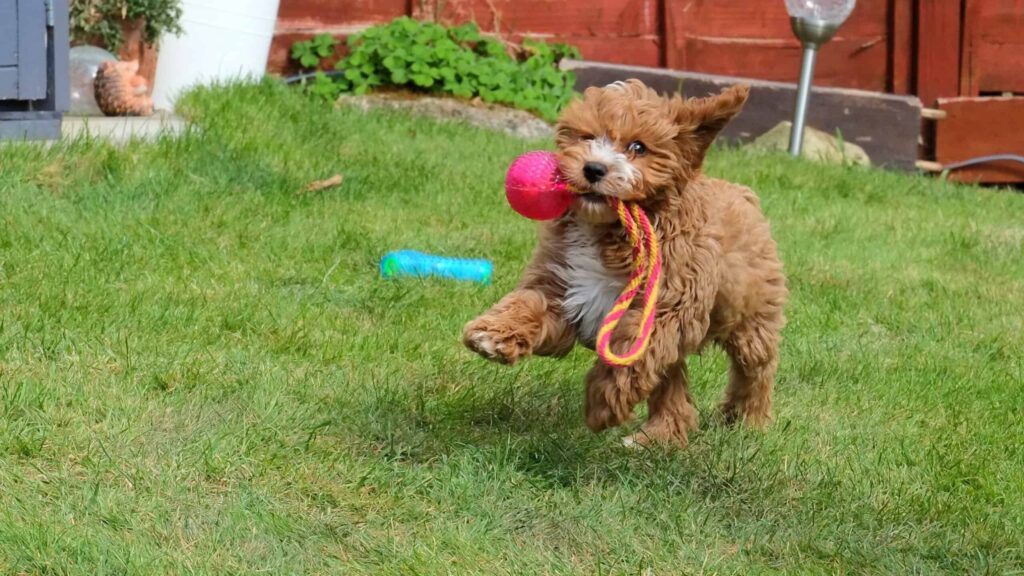
Aug
Dogs bring companionship, energy, and plenty of personality into our homes. But even the happiest dog can become bored when their daily routine lacks enough physical activity, mental stimulation, and social interaction.
Boredom is more than simply having nothing to do. Dogs may begin looking for their own entertainment through chewing, digging, excessive barking, jumping, or other unwanted behaviors. The American Kennel Club recommends combining physical exercise with mental enrichment, training, play, and opportunities to explore.
This is especially important for puppies. Young dogs are naturally curious and eager to learn about their surroundings (How to prevent a dog from being bored). Providing appropriate activities helps them develop confidence while giving their growing minds positive challenges.
If you are considering bringing a Cavapoo into your family, understanding how to keep your puppy mentally and physically engaged is an important part of responsible ownership. Learn more about our Cavapoo puppies for sale and discover why this affectionate breed can be such a wonderful family companion.
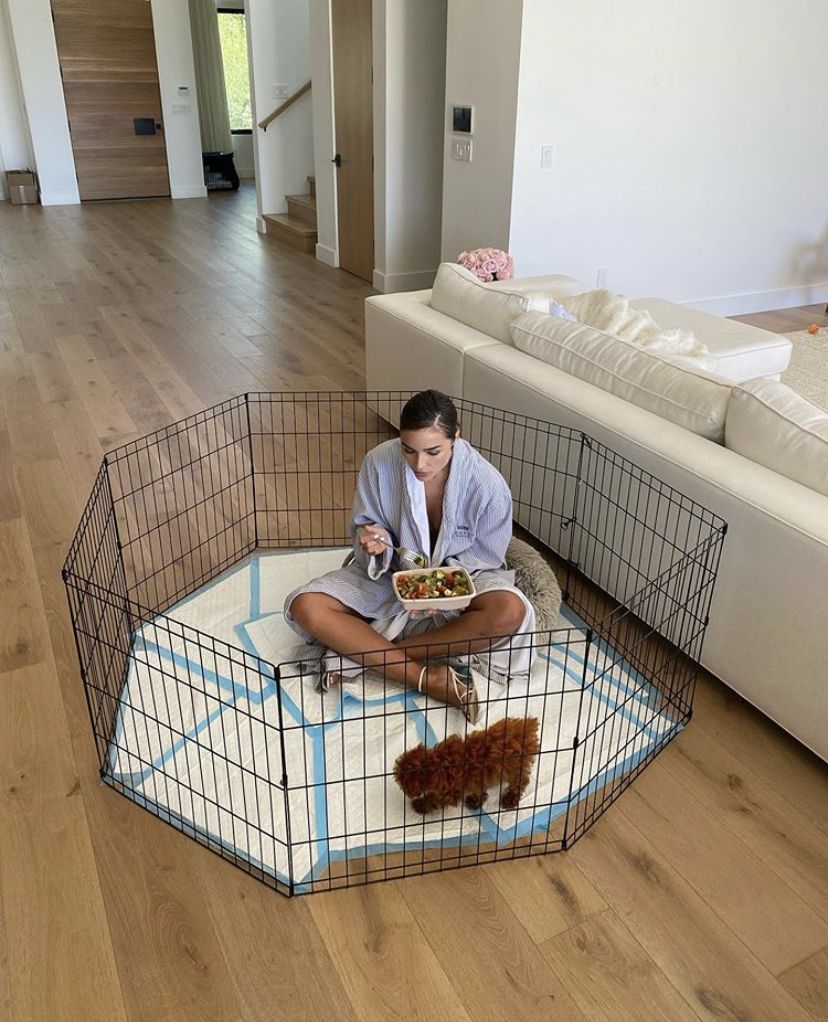
How Do You Know If Your Dog Is Bored?
A bored dog often finds their own ways to create entertainment.
You might notice your dog chewing furniture, stealing household objects, digging, barking unnecessarily, pacing, or constantly demanding attention. Some dogs may also become restless even after spending time outside.
These behaviors do not always mean boredom. Anxiety, insufficient training, separation-related problems, and medical conditions can cause similar changes (how to keep a dog entertained). If your dog’s behavior suddenly changes or seems unusual, speak with your veterinarian or a qualified behavior professional.
For everyday boredom, however, increasing appropriate physical and mental activities can make a significant difference.
1. Give Your Dog Regular Exercise
Physical exercise is one of the simplest ways to keep a dog happy and engaged.
Daily walks provide more than physical activity (how to prevent dog boredom). Dogs experience an entire world through their noses, so allowing your dog time to sniff and explore can make an ordinary walk much more stimulating.
Instead of taking exactly the same route every day, occasionally introduce a new safe walking route. Let your dog investigate interesting smells and environments at an appropriate pace.
The amount of exercise your dog needs depends on age, breed, health, and individual temperament. Puppies should not be pushed through excessive exercise because their bodies are still developing. When in doubt, ask your veterinarian about an age-appropriate activity level.
2. Make Playtime Interactive
Dogs generally enjoy activities that involve their people.
Fetch, gentle tug games, hide-and-seek, and supervised toy play can provide both physical activity and valuable bonding time (dog boredom). Rather than simply leaving a pile of toys on the floor, spend some time actively playing with your puppy.
For a Cavapoo puppy, short and positive play sessions can be especially useful. Cavapoos are typically intelligent, social, and eager to interact with their families.
You can learn more about their personality, exercise needs, and care requirements in our Cavapoo breed guide.
3. Introduce Puzzle Toys
Mental stimulation can be just as valuable as physical exercise.
Puzzle toys encourage dogs to think, investigate, manipulate objects, and work toward a reward. Food-dispensing toys and appropriate treat puzzles can turn part of your dog’s mealtime into an engaging activity.
The American Kennel Club notes that puzzle toys can provide dogs with both mental and physical challenges while helping them stay occupied.
Always choose a puzzle that matches your dog’s size, age, chewing style, and experience level (bored dog). Supervise your puppy when introducing a new toy, especially if they tend to chew or destroy objects.
4. Try Simple Scent Games
Your dog’s nose can become one of your best tools for fighting boredom.
Start with something simple. Hide a few pieces of your dog’s regular food around an easy-to-search area and encourage them to find them.
Once your dog understands the game, you can gradually make the hiding places more challenging.
You can also hide a favorite toy and encourage your dog to search for it (ways to keep dogs entertained). These activities provide mental exercise while allowing dogs to use natural scenting behaviors.
For puppies, start with very easy searches and reward successful finds. The goal is to make learning enjoyable rather than frustrating.
5. Teach Your Dog New Tricks
Training isn’t only about preventing unwanted behavior. It can also be an excellent form of entertainment.
Once your dog understands basic commands such as sit, down, stay, and come, introduce simple tricks. You might teach your dog to spin, touch your hand, give a paw, find a toy, or go to their bed.
Keep training sessions short and positive (mental stimulation for dogs). Several brief sessions throughout the day can be more enjoyable than one long session.
Positive-reinforcement training can also strengthen the relationship between you and your dog because your puppy learns that working with you is rewarding.
For more puppy guidance, visit our puppy training resources and explore our latest training and care articles.
6. Change Your Dog’s Toy Rotation
Your dog doesn’t necessarily need dozens of toys available at once.
Instead, keep some toys stored away and rotate them every few days. A toy that has been out of sight can become interesting again when you bring it back.
You can also offer different types of enrichment (dog enrichment activities). One day might include a food puzzle. Another could involve a squeaky toy, a training game, or a scent activity.
Rotating enrichment helps prevent your dog’s routine from becoming predictable.
7. Give Your Dog Safe Socialization
Dogs are social animals, but socialization should be thoughtful and appropriate.
Depending on your dog’s age, vaccination status, temperament, and health, safe exposure to new people, environments, sounds, and suitable dogs can provide valuable mental stimulation.
For puppies, positive experiences with new environments can help them become more confident (puppy mental stimulation). Avoid forcing your puppy into interactions that make them uncomfortable.
The American Kennel Club recommends allowing puppies to experience new people, places, sounds, and animals at a pace that feels comfortable for them.
8. Make Mealtime More Interesting
Your dog’s food doesn’t always have to come from a traditional bowl.
Depending on your veterinarian’s recommendations, you can use part of your dog’s normal meal in an appropriate food puzzle or slow-feeding toy.
You can also hide small portions of their regular kibble around a safe area and encourage them to sniff it out.
This turns eating into an activity and can provide additional mental engagement (dog toys for boredom). Just remember to account for treats and food used during enrichment when managing your dog’s overall daily diet.
9. Create an Indoor Activity Routine
Rainy days don’t have to mean boring days.
You can create simple indoor games using a hallway, living room, or another safe area.
Try short training sessions, hide-and-seek, toy searches, gentle tug, or indoor scent games. Small dogs and puppies can often get meaningful mental stimulation without needing a large outdoor space.
The AKC also recommends indoor training and games such as hiding treats or toys and practicing obedience skills when outdoor activities aren’t practical (activities for bored dogs).
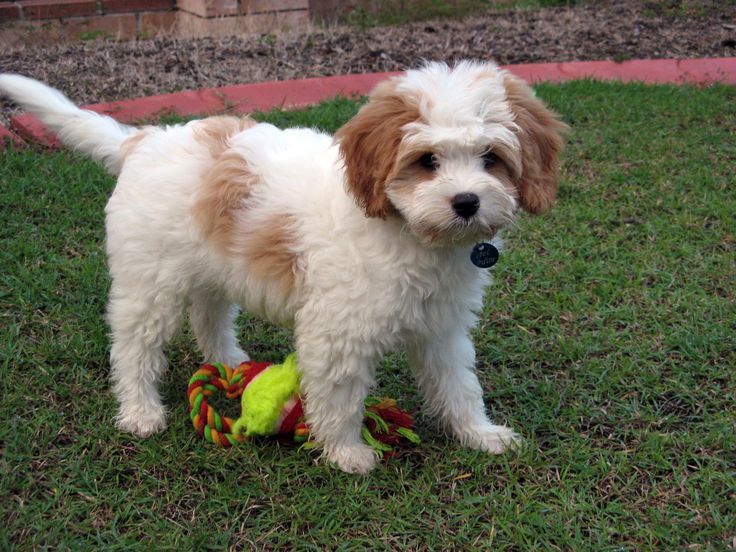
10. Give Your Dog a Daily Routine
Dogs often benefit from predictable routines.
Try to establish regular times for meals, walks, play, training, rest, and quiet time. A consistent routine gives your dog an idea of what to expect while still leaving room for variety.
A good routine might look like:
Morning: Potty break, breakfast, short walk, and a few minutes of training.
Afternoon: Puzzle toy, scent game, or supervised play.
Evening: Walk, interactive play, training, and relaxed family time.
You don’t need to follow the exact same schedule every day. The important thing is creating enough activity and enrichment throughout the day.
11. Give Your Dog a Job
Many dogs enjoy having something purposeful to do.
A “job” doesn’t have to mean actual work. It can be as simple as carrying an appropriate toy, finding hidden treats, waiting politely before meals, learning a new trick, or completing a beginner-friendly activity.
Giving dogs appropriate outlets for their natural behaviors can reduce frustration and provide meaningful enrichment (how to keep a puppy busy).
For a clever and people-oriented breed like the Cavapoo, learning new behaviors can be a particularly enjoyable way to spend time together.
12. Don’t Rely Only on the Backyard
Having access to a backyard is convenient, but simply letting your dog outside does not automatically provide enough stimulation.
Dogs can quickly become accustomed to the same sights, sounds, and smells.
Walks, interactive games, training sessions, and supervised exploration provide different experiences that a familiar backyard may not offer (Cavapoo mental stimulation). The AKC similarly notes that dogs need more than simply being left in a yard to meet their physical, mental, and social needs.
13. Give Your Puppy Plenty of Rest
Preventing boredom does not mean keeping your puppy busy all day.
Puppies need substantial sleep and quiet time as they grow and develop (Cavapoo activities). Too much stimulation can leave a young puppy overtired, which may actually result in more nipping, zoomies, irritability, or difficulty settling.
Balance active periods with naps and calm downtime.
The goal is a healthy rhythm of play, learning, exercise, eating, and rest.
When Boredom May Be Something More
If your dog suddenly becomes destructive, unusually restless, withdrawn, vocal, or clingy, don’t automatically assume boredom is the cause.
Behavioral changes can sometimes indicate anxiety, stress, pain, or another underlying problem. If enrichment doesn’t improve the behavior or the change appears suddenly, consult your veterinarian.
Your veterinarian can help determine whether a medical issue is contributing to the behavior (puppy enrichment).

Keep Your Cavapoo Happy, Engaged, and Learning
Preventing boredom is really about giving your dog opportunities to move, think, explore, learn, and connect with you.
Daily walks, interactive games, puzzle toys, scent activities, training, socialization, and a predictable routine can all contribute to a happier and better-adjusted dog.
For Cavapoo puppies, these activities can also become valuable opportunities to build confidence and strengthen the bond between puppy and family (How to prevent a dog from being bored).
If you’re preparing to welcome one of these affectionate companions into your home, explore our available Cavapoo puppies and learn more about bringing home a healthy, well-cared-for puppy.
Frequently Asked Questions
How can I tell if my dog is bored?
Common signs can include destructive chewing, digging, excessive barking, restlessness, and constantly seeking attention. However, sudden behavioral changes should also be discussed with a veterinarian.
Do dogs need mental stimulation every day?
Yes. Dogs benefit from regular opportunities to learn, explore, sniff, play, and solve simple problems. Mental enrichment is an important part of overall well-being.
Are puzzle toys good for Cavapoos?
They can be. Cavapoos are generally intelligent and people-oriented, so appropriately sized puzzle toys can provide useful mental enrichment. Always supervise new toys.
Can a walk prevent boredom?
A good walk can provide physical exercise and mental stimulation, particularly when your dog gets opportunities to sniff and explore. However, combining walks with training, play, and other enrichment provides more variety.
How much exercise does a puppy need?
There is no single amount that works for every puppy. Age, breed, size, development, and individual health all matter. Ask your veterinarian for guidance on an appropriate exercise routine.
Can boredom cause destructive behavior?
It can. Dogs may create their own entertainment when they lack appropriate physical or mental stimulation. Chewing, digging, barking, and other unwanted behaviors can result.
What are some easy boredom busters for dogs?
Try a short training session, hide-and-seek, a supervised puzzle toy, a scent game, a new walking route, or an interactive play session.
Should puppies have toys available all day?
Not necessarily. Rotating safe, age-appropriate toys can keep them interesting while allowing you to supervise what your puppy plays with.
Can training help with boredom?
Absolutely. Teaching new behaviors provides mental stimulation while improving communication between you and your dog. Short, positive sessions are ideal.
What if my dog is still bored after exercise?
Add mental enrichment. Puzzle toys, scent games, trick training, socialization, and interactive play can provide challenges that physical exercise alone doesn’t offer.
Helpful Resources
For additional information about canine enrichment and responsible puppy care, the American Kennel Club’s guide to bored dogs offers further guidance on exercise, games, training, socialization, and enrichment.
You can also explore the AKC puppy stimulation and exercise guide for age-appropriate ideas for keeping young puppies active and mentally engaged.
