
Grooming Guide, Cavapoo Care Guide
How to Control Dog Shedding: 10 Tips for a Cleaner Home
Aug
Dog shedding is a completely natural part of owning a dog (how to control dog shedding).
Every dog loses some old or damaged hair as part of its normal coat cycle. Some dogs leave only a small amount of hair around the house, while others seem to cover furniture, clothing, carpets, and bedding overnight.
The good news is that regular grooming and proper care can make shedding much easier to manage.
You cannot completely stop a healthy dog from shedding. However, you can reduce loose hair, support healthy skin and coat growth, and keep shed fur from taking over your home.
The right approach depends on your dog’s breed, coat type, age, health, diet, and grooming routine.
This is especially important for families considering a Cavapoo. Cavapoos can have different coat types depending on their genetics, and their grooming needs can vary from one dog to another.
If you are learning about the breed before bringing one home, our guide to Cavapoo puppies for sale can help you learn more about finding and preparing for a Cavapoo puppy.

Why Do Dogs Shed?
Shedding is part of the normal hair-growth cycle.
A dog’s hair grows, reaches a certain stage, stops growing, and eventually falls out. New hair then grows in its place.
Some dogs shed relatively little throughout the year. Others experience heavier shedding during seasonal changes.
Several factors can influence how much hair your dog loses, including:
- Breed
- Coat type
- Genetics
- Age
- Season
- Nutrition
- Skin health
- Allergies
- Stress
- Hormonal changes
- Grooming habits
- Underlying health conditions
This means there is no single solution for every dog.
A dog that suddenly begins shedding much more than usual may need a veterinary examination rather than simply more brushing (how to reduce dog shedding).
How to Control Dog Shedding: Can You Stop a Dog From Shedding?
No.
Healthy dogs naturally shed hair, and shedding cannot be eliminated completely.
The goal should be to manage shedding rather than trying to stop it.
Regular brushing removes loose hair before it falls onto your furniture and floors. Bathing can help loosen dead hair, while a balanced diet supports healthy skin and coat development.
Good grooming can also make your dog’s coat easier to maintain.
For dogs with longer or curlier coats, regular brushing is particularly important because loose hair can become trapped within the coat instead of immediately falling onto the floor (how to stop dog shedding).
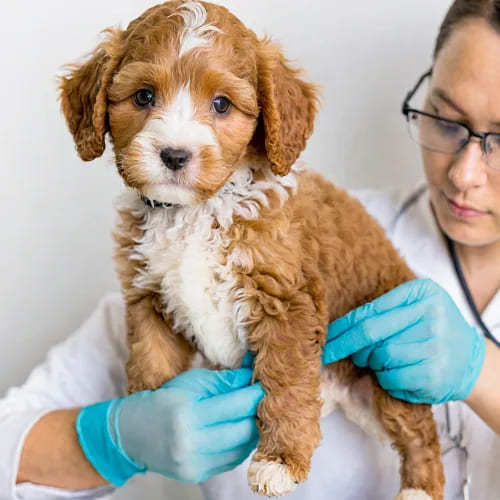
1. Brush Your Dog Regularly
One of the simplest ways to control shedding is regular brushing.
When you brush your dog, you remove loose hairs before they end up on your couch, carpet, clothing, and bedding.
How often you should brush depends on your dog’s coat.
Some dogs may need brushing several times a week. Dogs with longer, curly, or easily tangled coats may need daily brushing.
A good brushing routine can also help you notice changes in your dog’s skin.
Look for:
- Redness
- Dry skin
- Flaking
- Lumps
- Sores
- Parasites
- Unusual odors
- Areas of hair loss
- Mats or tangles
For Cavapoos, brushing is especially important because their soft coats can develop tangles and mats when neglected.
Regular grooming should therefore be part of your Cavapoo’s normal care routine.
If you’re preparing for a Cavapoo puppy, you should also plan ahead for grooming, bathing, brushing, nail care, and other basic puppy-care responsibilities. Our Adoption Process information can help new puppy families understand what to expect when bringing a puppy home (why is my dog shedding so much).
2. Choose the Right Brush
Not every brush works equally well for every dog.
Your dog’s coat type should determine the grooming tools you use.
A slicker brush can be useful for many longer or curly coats. A bristle brush may work well for some short-coated dogs. De-shedding tools can be helpful for certain double-coated breeds.
However, aggressive brushing can damage the skin or pull unnecessarily on the coat.
When brushing your dog:
- Start gently.
- Work through small sections.
- Avoid pulling hard on tangles.
- Pay attention to sensitive areas.
- Check the skin as you work.
- Reward your dog for staying calm.
For puppies, the experience matters just as much as the grooming itself.
Introduce brushing gradually and use positive reinforcement so your puppy learns that grooming is a normal part of life.
This can make professional grooming much easier later (dog shedding tips).
3. Bathe Your Dog When Necessary
Bathing can also help manage loose hair.
A bath removes dirt, dead skin, and some loose fur from the coat. Once the dog is completely dry, brushing can remove additional loose hair.
However, bathing your dog too frequently can potentially dry out the skin.
Use a shampoo specifically formulated for dogs and choose a product appropriate for your dog’s coat and skin.
Avoid routinely using human shampoo because dog skin has different needs.
After bathing, rinse thoroughly.
Any shampoo residue left behind can contribute to skin irritation and discomfort.
If you’re caring for a puppy, remember that puppies have additional grooming considerations. A young puppy can become cold quickly, so proper temperature control and thorough drying are important.
4. Feed a Balanced Diet
Your dog’s coat reflects its overall health.
Nutrition plays an important role in maintaining healthy skin and hair.
A complete and balanced diet provides the nutrients your dog needs for normal growth and maintenance.
Protein, essential fatty acids, vitamins, and minerals all contribute to normal skin and coat health.
If your dog is eating an appropriate diet but continues to experience unusually heavy shedding, don’t automatically assume that adding supplements will solve the problem.
Talk with your veterinarian first.
Excessive shedding can sometimes be associated with an underlying condition rather than a simple nutritional deficiency.

5. Be Careful With Supplements
Fish oil and omega-3 fatty acids are commonly discussed when it comes to skin and coat health.
However, supplements aren’t automatically necessary for every dog.
Adding supplements without veterinary guidance can result in inappropriate dosing or unnecessary nutrients.
If your dog has:
- Dry skin
- Excessive dandruff
- Hair thinning
- Persistent itching
- Bald patches
- Recurrent skin infections
- Sudden changes in shedding
speak with your veterinarian before adding a supplement.
The underlying problem should be identified first.
6. Watch for Excessive Shedding
Normal shedding is different from sudden or excessive hair loss.
You should pay attention if your dog suddenly starts losing significantly more hair than usual.
Potential causes can include allergies, parasites, skin infections, hormonal problems, nutritional issues, stress, or other medical conditions.
Contact your veterinarian if shedding is accompanied by symptoms such as:
- Intense itching
- Constant scratching
- Red or inflamed skin
- Bald spots
- Scabs
- Open sores
- Persistent dandruff
- Changes in appetite
- Weight changes
- Low energy
- Changes in behavior
A healthy grooming routine should help manage normal shedding. It should not be used to hide symptoms of an underlying health problem.
For additional information about responsible puppy care, you can also visit our Health Guarantee page.
7. Reduce Stress
Stress can affect dogs in many different ways.
Changes in the household, moving, traveling, separation, unfamiliar environments, loud noises, and other stressful situations can affect some dogs.
A comfortable routine can help your dog feel secure.
Make sure your dog receives appropriate:
- Exercise
- Mental stimulation
- Rest
- Positive reinforcement
- Social interaction
- Training
- Quiet time
Puppies especially benefit from predictable routines.
A puppy that is learning where to sleep, eat, play, potty, and relax can feel overwhelmed if everything changes at once.
Building a calm daily routine can make the transition easier.
8. Keep Your Dog’s Bedding Clean
Your dog’s bed can collect a surprising amount of loose hair.
Wash bedding regularly according to the manufacturer’s instructions.
You should also clean blankets, crate liners, and other fabrics your dog frequently uses.
This helps reduce accumulated hair and keeps the sleeping area cleaner.
If your dog spends significant time on furniture, washable blankets or covers can also make cleanup easier.
9. Vacuum and Clean Regularly
Even the best grooming routine won’t remove every loose hair from your home.
Some hair will naturally fall after brushing and bathing.
Regular cleaning can prevent fur from accumulating.
Focus on areas where your dog spends the most time:
- Sofas
- Rugs
- Carpets
- Dog beds
- Crates
- Vehicle seats
- Under furniture
- Favorite sleeping areas
A consistent cleaning routine is generally much easier than waiting until loose hair has accumulated everywhere.
For families with dogs, keeping grooming supplies and cleaning supplies together can also make routine maintenance easier.
10. Schedule Professional Grooming
Professional grooming can be especially helpful for dogs with coats that require regular maintenance.
A professional groomer can help with:
- Brushing
- Bathing
- Drying
- Coat trimming
- Mat removal
- Nail care
- Basic coat maintenance
Professional grooming does not replace brushing at home.
Instead, it works alongside your normal grooming routine.
This is particularly relevant for Cavapoos.
Because Cavapoo coats can range from wavy to curly, some dogs require more coat maintenance than others. Regular brushing can help prevent mats from forming between professional grooming appointments.
Do Cavapoos Shed?
Cavapoos are often described as low-shedding dogs, but no Cavapoo can be guaranteed to shed zero hair.
Cavapoos are a cross between a Cavalier King Charles Spaniel and a Poodle. Their coats can vary considerably depending on the genetics they inherit.
Some Cavapoos may have a curlier coat, while others may have a softer or wavier coat.
Their shedding level can therefore vary.
This is one reason prospective owners should learn about grooming requirements before choosing a puppy.
A low-shedding coat does not necessarily mean a low-maintenance coat.
In fact, curly or wavy coats can require consistent brushing to prevent tangles and mats.
If you’re specifically searching for a Cavapoo puppy, you can explore our available Cavapoo puppies and learn more about what to consider when choosing your new companion.
Do Cavapoos Need Regular Grooming?
Yes.
Cavapoos generally benefit from a consistent grooming routine.
Their coat should be brushed regularly, especially when the hair is longer or curly.
Regular grooming helps:
- Remove loose hair
- Prevent mats
- Keep the coat clean
- Check the skin
- Reduce tangles
- Make bathing easier
- Help puppies become comfortable with handling
Start grooming routines while your Cavapoo is young.
Touch your puppy’s paws gently. Handle the ears carefully. Brush small areas of the coat. Reward calm behavior.
These simple exercises help your puppy become accustomed to grooming.
Puppy Shedding vs. Adult Dog Shedding
Puppies can have different coats as they grow.
Some puppies experience noticeable coat changes as they mature.
The transition from a puppy coat to an adult coat can change the texture, thickness, and grooming requirements of the dog’s hair.
This means you shouldn’t assume your puppy’s coat at eight or ten weeks will look exactly the same as its adult coat.
Genetics play a major role.
For Cavapoos, the adult coat can develop into a variety of textures, so prospective owners should be prepared for ongoing grooming regardless of how little their puppy appears to shed initially.
Seasonal Shedding in Dogs
Some dogs shed more during seasonal changes.
Seasonal shedding can be particularly noticeable in dogs with coats that naturally grow and shed according to changes in daylight and temperature.
You may notice more loose hair during certain times of the year.
During heavier shedding periods, increase brushing frequency if your dog’s coat and skin tolerate it.
This helps remove loose hair before it spreads throughout your home.
However, remember that not every increase in shedding is seasonal.
If the change is sudden, severe, or accompanied by skin problems, consult your veterinarian.
How Often Should You Brush Your Dog?
There isn’t one schedule that works for every dog.
A general starting point is:
Short coat:
Brushing once or twice a week may be enough for some dogs.
Medium coat:
Several brushing sessions each week may be appropriate.
Long, curly, or easily tangled coat:
Daily brushing may be necessary.
Heavy seasonal shedding:
Some dogs may benefit from more frequent brushing during periods of increased shedding.
Your dog’s individual coat should determine the routine.
For a Cavapoo, regular brushing is often more important than trying to find a way to eliminate shedding entirely.
Should You Shave a Dog to Stop Shedding?
Shaving is not a universal solution for shedding.
A dog’s coat serves several purposes beyond appearance.
Depending on the breed and coat type, it can provide protection from environmental conditions and help protect the skin.
Shaving also does not eliminate the underlying biological process that causes hair to grow and shed.
If your dog’s coat requires trimming, discuss an appropriate grooming style with a professional groomer.
Avoid shaving your dog simply because you’re frustrated by loose hair.
How to Reduce Dog Hair Around the House
The most effective approach is to combine grooming and cleaning.
Instead of waiting until your home is covered in fur, establish a routine.
For example:
Several times each week:
Brush your dog and remove loose hair.
Regularly:
Wash bedding and blankets.
As needed:
Vacuum furniture, rugs, and floors.
According to your dog’s needs:
Schedule baths and professional grooming.
Every day:
Check your dog’s skin and coat when brushing or handling them.
This routine can make a major difference over time.
A Simple Dog Shedding Routine
If you’re struggling to keep up with loose hair, try creating a simple weekly routine.
Monday: Brush
Spend several minutes brushing your dog’s coat.
Tuesday: Quick Home Cleanup
Vacuum the areas where your dog spends the most time.
Wednesday: Coat Check
Look for tangles, mats, dry skin, redness, or anything unusual.
Thursday: Brush Again
Use the appropriate brush for your dog’s coat.
Friday: Bedding
Wash or refresh your dog’s bedding.
Weekend: Grooming
Use this time for a bath when necessary or schedule professional grooming when appropriate.
The exact schedule isn’t important.
Consistency is what matters most.
When Shedding May Mean Something Is Wrong
Most shedding is normal.
However, excessive shedding should not automatically be dismissed as “just shedding.”
Speak with your veterinarian if your dog develops unexplained hair loss or significant coat changes.
A veterinary examination may help determine whether allergies, parasites, infections, hormonal changes, nutritional problems, or another condition is contributing to the problem.
Never rely on supplements, shampoos, or grooming products to treat a suspected medical condition without professional advice.
Frequently Asked Questions About Dog Shedding
How can I reduce my dog’s shedding?
Regular brushing is one of the best ways to manage normal shedding. A balanced diet, appropriate bathing, good skin care, regular veterinary examinations, and professional grooming can also help maintain a healthy coat.
Can you completely stop a dog from shedding?
No. Shedding is a normal part of a dog’s hair-growth cycle. The goal is to manage loose hair rather than eliminate shedding completely.
Why is my dog suddenly shedding so much?
Sudden excessive shedding can have many causes, including seasonal changes, stress, allergies, parasites, skin problems, hormonal issues, or other medical conditions. If the change is significant or accompanied by other symptoms, contact your veterinarian.
Do Cavapoos shed?
Cavapoos are generally considered low-shedding compared with many breeds, but individual Cavapoos can vary. Their coat type and genetics influence how much hair they shed.
Are Cavapoos hypoallergenic?
No dog can be guaranteed to be completely hypoallergenic. Cavapoos may be a better fit for some people looking for a lower-shedding companion, but allergies are individual and should always be considered before bringing a puppy home.
How often should I brush my Cavapoo?
Many Cavapoos benefit from brushing several times per week, and dogs with longer or curlier coats may need daily brushing. Regular brushing helps prevent tangles and mats.
Does bathing reduce shedding?
Bathing can help loosen and remove some dead hair. However, excessive bathing can irritate or dry the skin. Use a dog-specific shampoo and bathe according to your dog’s individual needs.
Does dog food affect shedding?
Nutrition affects skin and coat health. A complete and balanced diet supports normal coat growth. If your dog has excessive shedding or skin problems, consult your veterinarian before changing its diet or adding supplements.
Should I give my dog fish oil for shedding?
Fish oil and omega-3 fatty acids are sometimes used to support skin and coat health, but supplementation isn’t appropriate for every dog. Ask your veterinarian before adding supplements.
Is puppy shedding normal?
Yes. Puppies can experience changes in their coat as they mature. However, bald patches, severe itching, inflamed skin, or unexplained hair loss should be evaluated by a veterinarian.
Final Thoughts: Managing Your Dog’s Shedding
Shedding is part of being a dog owner.
The objective isn’t to stop every hair from falling. Instead, focus on maintaining a healthy coat and creating a grooming routine that keeps loose hair manageable.
Regular brushing, appropriate bathing, good nutrition, professional grooming, stress management, and routine veterinary care can all contribute to healthy skin and coat.
For Cavapoo families, grooming should begin early. Teaching your puppy to accept brushing, bathing, handling, and professional grooming can make life much easier as your dog grows.
If you’re preparing to welcome a Cavapoo into your family, take time to learn about the breed, grooming requirements, health considerations, and ongoing responsibilities of puppy ownership.
You can also visit our FAQ for answers to common puppy questions before making your decision.
And when you’re ready to explore available puppies, visit our Cavapoo Puppies for Sale page to continue your search.
Continue Learning About Cavapoos
Want to learn more before bringing home your new companion? Explore these helpful resources:
- Cavapoo Puppies for Sale — Explore available Cavapoo puppies and learn more about choosing your new companion.
- Adoption Process — Learn what to expect when preparing to welcome a puppy home.
- Health Guarantee — Review important information about puppy health and responsible ownership.
- Frequently Asked Questions — Find answers to common questions about Cavapoos and puppy ownership.
Responsible Puppy Care
At Atlantic Cavapoo Puppies, we believe bringing home a puppy is about much more than choosing a cute face. Responsible ownership includes understanding grooming, nutrition, training, veterinary care, exercise, socialization, and the lifelong commitment that comes with welcoming a dog into your family.
A well-maintained coat is only one part of keeping your Cavapoo healthy and comfortable. Consistent care from puppyhood can help create good habits that last throughout your dog’s life.
Disclaimer: The information provided on this blog is for general educational purposes and should not replace advice from a licensed veterinarian. Every dog is different, and grooming, nutrition, health, and veterinary needs can vary based on age, breed, coat type, health history, and individual circumstances. If your dog develops sudden or excessive shedding, bald patches, skin irritation, persistent itching, or other concerning symptoms, consult your veterinarian.
Angela B.
Angela Butterfield is a seasoned writer, lifestyle blogger, and lifelong dog lover who shares practical insights about puppy preparation, grooming, daily dog care, training, and life with four-legged companions.
