
Cavapoo Health & Wellness, Cavapoo Care Guide
How Did My Dog Pick Up Fleas? A Complete Guide to Flea Prevention for Cavapoos

Aug
If you have ever wondered, “How did my dog get fleas?”, you are certainly not alone (How Did My Dog Pick Up Fleas).
Fleas are tiny, persistent parasites that can find their way onto almost any dog. Even dogs that spend most of their time indoors can encounter fleas through other animals, outdoor environments, household items, or even their human family members.
For Cavapoo owners, regular flea prevention is especially important. Cavapoos have soft, often curly or wavy coats that can make it harder to notice parasites during a quick inspection. By the time you see your puppy scratching, biting, or licking their skin repeatedly, fleas may already be present.

The good news is that fleas can be managed with consistent prevention, regular grooming, and proper household cleaning.
In this guide, we will explain how dogs pick up fleas, what signs to watch for, how to check your Cavapoo for fleas, and what to do if you discover an infestation.
How Do Dogs Get Fleas?
Fleas are excellent hitchhikers.
Your dog does not need to play directly with an infested dog to encounter them. Fleas can live in outdoor areas, carpets, bedding, furniture, and other environments where pets spend time.
Here are some of the most common ways dogs pick up fleas.
1. Contact With Other Animals
One of the easiest ways for fleas to reach your dog is through contact with another animal.
Dogs naturally interact with other animals during walks, playtime, grooming appointments, daycare, boarding, and trips to dog parks. If another animal has fleas, your dog can potentially be exposed.
Your Cavapoo may also encounter flea-carrying animals without directly playing with them.
Common sources include:
- Other dogs
- Outdoor cats
- Stray animals
- Squirrels
- Rabbits
- Raccoons
- Opossums
- Rodents
Even a brief encounter can create an opportunity for fleas to move from one host or environment to another.
This is one reason regular grooming is important for Cavapoos. Brushing your dog’s coat gives you an opportunity to inspect the skin and notice unusual scratching, redness, flea dirt, or other problems early.
If you are still preparing for a new Cavapoo, establishing a consistent grooming routine from puppyhood can make routine health checks much easier.
2. Fleas Can Come From Your Yard
Many dog owners assume fleas are only a problem when their dog interacts with another animal.
That is not necessarily true.
Fleas can be present in outdoor environments where animals have previously traveled. Shaded, protected, and humid areas can provide favorable conditions for flea development.
Your dog may encounter fleas while:
- Walking through grass
- Exploring bushes
- Playing in the yard
- Digging
- Sniffing around outdoor areas
- Exploring wooded locations
- Investigating areas visited by wildlife
A dog does not have to spend hours outside to encounter parasites.
Even a quick bathroom break can potentially expose your pup to fleas.
Keeping your yard maintained can reduce some potential flea habitats. Regularly mowing grass, removing piles of leaves and debris, and limiting wildlife access can all help reduce environmental exposure.
3. Fleas Can Enter Your Home
Fleas do not necessarily arrive in your house because your dog brought them inside.
People can unknowingly transport fleas or flea stages on clothing, shoes, bags, and other belongings after spending time in areas where fleas are present.
For example, you could visit a friend’s home where pets have fleas and later return home without realizing that you have carried a parasite or flea-contaminated material with you.
Once fleas enter the home, they can become much harder to eliminate.
Flea eggs and immature flea stages can exist in areas such as:
- Carpeting
- Upholstered furniture
- Dog beds
- Blankets
- Rugs
- Cracks and crevices
- Areas where your dog regularly rests
This is why treating the dog alone may not completely solve an infestation.
If fleas are established inside your home, environmental cleaning is an important part of controlling the problem.
4. Your Dog’s Bedding Can Harbor Fleas
Your dog’s bed is supposed to be a comfortable, safe place.
Unfortunately, soft bedding can also provide an environment where flea eggs and other flea stages can remain.
If your Cavapoo spends a lot of time sleeping in one particular location, pay close attention to that area if you discover fleas.
Wash washable bedding regularly and clean surrounding floors, carpets, and furniture.
If your dog sleeps on your furniture or bed, those areas should also be inspected and cleaned.
Regular cleaning is particularly useful when combined with a broader [Cavapoo grooming and care routine](/blog/) because it allows you to monitor your dog’s coat and skin more consistently.
5. Humans Can Accidentally Carry Fleas Inside
Yes, you can potentially contribute to a flea problem without realizing it.
Fleas may be encountered in outdoor areas, homes with pets, parks, trails, or other environments.
You could then bring contaminated material into your home on:
- Shoes
- Socks
- Pants
- Jackets
- Bags
- Blankets
- Outdoor equipment
This does not mean you should stop enjoying outdoor activities with your Cavapoo.
Instead, it is another reason to maintain good hygiene and regularly inspect your dog after outdoor adventures.
If your Cavapoo loves hiking, traveling, or exploring parks, make parasite prevention part of their normal routine.
6. Wildlife Can Bring Fleas Into Your Yard
Wildlife can be another source of flea exposure.
Animals such as squirrels, rabbits, raccoons, opossums, and rodents can potentially carry fleas.
If these animals frequently visit your property, your dog may encounter fleas in areas where wildlife has been active.
You can make your yard less attractive to wildlife by:
- Keeping trash securely covered
- Removing outdoor food sources
- Cleaning up fallen food
- Keeping pet food indoors
- Sealing potential entry points
- Maintaining grass and vegetation
You cannot eliminate every possible source of flea exposure, but reducing unnecessary exposure can help.
7. Grooming Tools and Shared Items
Fleas and flea eggs can potentially be transferred through contaminated objects.
Shared bedding, blankets, towels, brushes, combs, and other pet items deserve attention if you suspect an infestation.
This is another reason to avoid casually sharing grooming equipment between animals unless it has been properly cleaned.
For Cavapoos, regular brushing is particularly valuable because their coat can become tangled or matted if neglected.
A consistent grooming schedule gives you more opportunities to inspect the skin beneath the coat.
You can learn more about maintaining your puppy’s coat and overall appearance through our Cavapoo grooming guide.
Signs Your Cavapoo May Have Fleas: How Did My Dog Pick Up Fleas
Fleas are small and can be difficult to spot.
Instead of relying only on seeing a live flea, watch for changes in your dog’s behavior and skin.
Possible signs include:
- Frequent scratching
- Excessive licking
- Biting at the skin
- Increased chewing around the tail
- Red or irritated skin
- Small scabs
- Hair loss
- Restlessness
- Excessive grooming
- Flea dirt in the coat
Some dogs can also develop flea allergy dermatitis, an allergic reaction to flea bites.
A dog with flea allergies may experience significant itching even when you do not see many live fleas.
What Is Flea Dirt?
Flea dirt is one of the easier clues to look for.
It may appear as tiny black or dark brown particles in your dog’s coat.
If you suspect flea dirt, place some of the particles on a damp white paper towel. Flea dirt can leave a reddish-brown stain because it contains digested blood.
If you find suspicious debris along with excessive scratching, contact your veterinarian for advice.
How to Check Your Dog for Fleas
Regular inspections can help you identify problems early.
Use a fine-toothed flea comb and gently work through your dog’s coat.
Pay particular attention to areas such as:
- Around the neck
- Behind the ears
- Along the back
- Around the tail
- Under the belly
- Around the groin
- Between the legs
For a Cavapoo, make sure you look beneath the visible curls or waves rather than inspecting only the surface of the coat.
If you find fleas, flea dirt, irritated skin, or unexplained hair loss, speak with your veterinarian about the appropriate treatment.
How to Prevent Fleas on Your Dog
Prevention is generally easier than dealing with a full household infestation.
The best prevention plan depends on your dog’s age, weight, lifestyle, location, health history, and exposure risk.
Use a Veterinarian-Recommended Flea Preventative
There are several categories of flea preventatives available for dogs.
These may include:
- Topical treatments
- Oral medications
- Flea collars
- Other veterinarian-recommended parasite preventatives
Do not choose a flea medication solely because another dog uses it.
Products can have different age, weight, and health restrictions.
This is particularly important with puppies. A young Cavapoo may have different treatment requirements from an adult dog.
Always follow the product label and ask your veterinarian which option is appropriate for your dog.
Keep Your Dog’s Bedding Clean
Wash your dog’s bedding regularly.
If your dog has experienced a flea infestation, cleaning becomes even more important.
Wash blankets and bedding according to their care instructions and clean the areas surrounding your dog’s sleeping space.
Do not forget about couches, rugs, carpets, and other places where your dog spends considerable time.
Vacuum Frequently
Vacuuming can help remove flea eggs, larvae, and other debris from the environment.
Pay special attention to:
- Carpets
- Rugs
- Furniture
- Corners
- Under furniture
- Areas around pet beds
Empty the vacuum according to the manufacturer’s instructions after cleaning areas associated with a flea infestation.
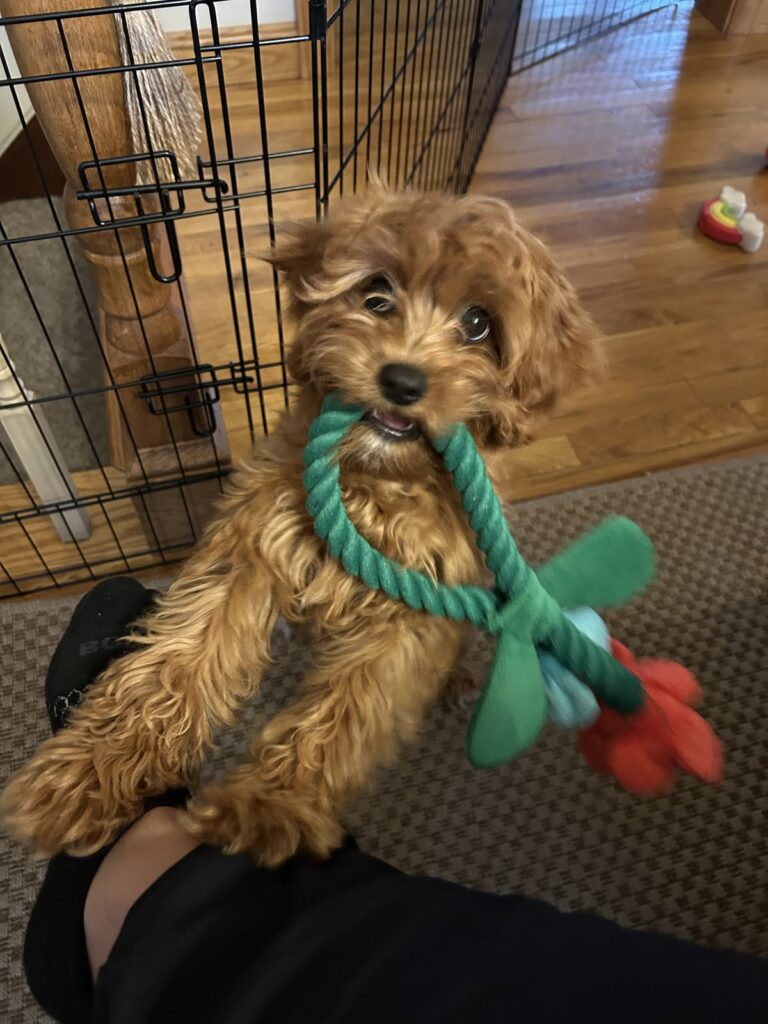
Maintain a Regular Grooming Routine
Regular grooming can help you notice changes in your dog’s skin and coat.
For Cavapoos, brushing is already an important part of routine care because their coats can become tangled and matted.
During brushing sessions, check for:
- Fleas
- Flea dirt
- Redness
- Scabs
- Skin irritation
- Unusual bumps
- Areas of hair loss
If your puppy is still young, introduce grooming gradually and reward calm behavior.
A positive grooming routine can make future coat maintenance and health inspections much easier.
Check Your Dog After Outdoor Adventures
After hiking, visiting a dog park, walking through tall grass, or spending time around other animals, take a few minutes to inspect your dog’s coat.
Look particularly closely around the ears, neck, belly, legs, and tail.
This simple habit can help you identify parasites or skin problems before they become more serious.
What Should You Do If Your Dog Has Fleas?
If you find fleas on your Cavapoo, do not panic.
The important thing is to address both your dog and the environment.
Step 1: Contact Your Veterinarian
Ask your veterinarian about an appropriate flea treatment.
The correct product depends on factors such as your dog’s age, weight, health, and other medications.
Step 2: Treat the Environment
Wash bedding and blankets.
Vacuum carpets, rugs, furniture, and areas where your dog spends time.
A flea infestation may require repeated environmental treatment because different flea life stages can remain in the environment after adult fleas have been eliminated.
Step 3: Check Other Pets
If you have multiple pets, inspect them as well.
A flea problem involving several animals can be difficult to resolve if only one pet receives treatment.
Speak with your veterinarian about an appropriate prevention plan for every animal in the household.
Step 4: Continue Prevention
Once the immediate problem has been addressed, maintain the prevention schedule recommended by your veterinarian.
Stopping prevention immediately after seeing improvement can leave your dog vulnerable to another infestation.
Can Fleas Hurt a Dog?
Fleas are more than an annoying nuisance.
Heavy infestations can cause significant itching and skin irritation. Dogs with flea allergies may experience particularly intense reactions.
In severe cases, especially in small puppies, a large number of fleas can contribute to blood loss and anemia.
Fleas can also be associated with the transmission of certain parasites and infectious organisms.
That is why persistent scratching should not simply be ignored.
If your puppy seems unusually weak, lethargic, pale, or seriously uncomfortable, contact your veterinarian promptly.
Are Cavapoos More Likely to Get Fleas?
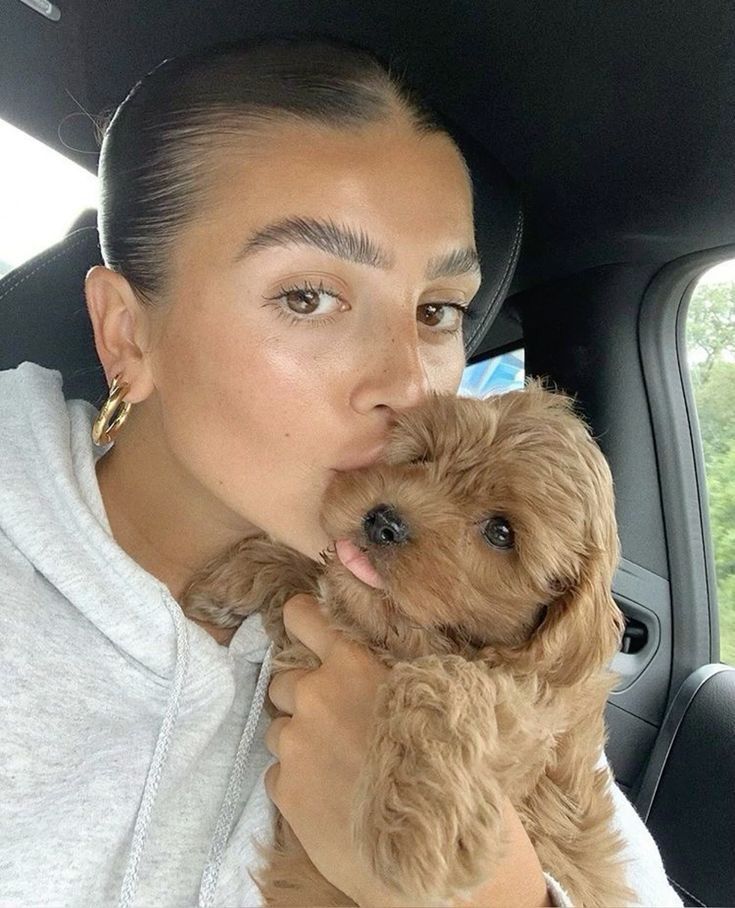
Cavapoos are not inherently immune to fleas.
Like other dogs, they can encounter fleas through animals, outdoor environments, contaminated bedding, or household exposure.
Their soft, curly or wavy coats can sometimes make visual inspection more difficult.
This makes regular brushing and skin checks particularly useful.
If you are bringing home a new puppy, parasite prevention should be part of your overall puppy-care plan from the beginning.
Our Cavapoo puppy care resources can help you build a consistent routine covering grooming, nutrition, training, and general puppy wellness.
Frequently Asked Questions About Fleas
How can I safely protect my Cavapoo from fleas?
Use a flea-prevention product recommended for your dog’s age, weight, and health profile.
Keep bedding clean, vacuum regularly, maintain your yard, and inspect your dog after outdoor activities.
Your veterinarian can help you choose an appropriate preventive program.
How can I tell if my dog has fleas?
Frequent scratching, licking, biting, redness, hair loss, scabs, and flea dirt can all be warning signs.
Use a flea comb to inspect the coat carefully.
Remember that not seeing an adult flea does not necessarily mean your dog has no flea exposure.
Can indoor dogs get fleas?
Yes.
Indoor dogs can still encounter fleas because parasites can enter homes on people, other pets, wildlife, clothing, shoes, and contaminated objects.
Keeping your dog indoors reduces some exposure but does not eliminate the possibility.
How long can fleas survive in a house?
Flea development depends on environmental conditions and the flea’s life stage.
Eggs, larvae, and pupae can remain in the environment, which is why treating the dog alone may not solve an infestation.
Thorough cleaning and an appropriate treatment plan are important.
Should I treat my home if I find one flea?
Finding one flea does not necessarily mean your home has a major infestation.
However, it is worth checking your dog, bedding, and common resting areas.
If you continue seeing fleas or notice increasing scratching, contact your veterinarian and consider addressing the home environment as well.
Can fleas cause allergies in dogs?
Yes.
Some dogs develop flea allergy dermatitis, an allergic reaction to flea saliva.
These dogs can experience intense itching, redness, scabbing, and hair loss.
If your dog repeatedly develops skin irritation, speak with your veterinarian.
Can I use human flea products on my dog?
Do not use a human flea product on your dog unless your veterinarian specifically tells you to do so.
Dogs and humans can have very different medication requirements.
Use only products specifically labeled for dogs and follow the directions carefully.
Final Thoughts: Keep Your Cavapoo Flea-Free
Fleas can appear even when you think you are doing everything right.
Your Cavapoo can encounter them through other animals, yards, parks, wildlife, contaminated objects, or even people.
The best approach is consistent prevention combined with regular grooming and environmental cleanliness.
Make flea checks part of your normal dog-care routine.
Brush your Cavapoo regularly, inspect their skin, wash their bedding, vacuum frequently, and follow your veterinarian’s recommendations for parasite prevention.
If you discover fleas, act quickly and remember that successful flea control involves more than simply removing the adult fleas from your dog.
With the right prevention routine and early attention to warning signs, you can help your Cavapoo stay comfortable, healthy, and ready for plenty of happy adventures.
Responsible Pet Care Disclaimer
The information in this article is intended for general educational purposes only. It is not a substitute for veterinary diagnosis, treatment, or individualized medical advice. Flea medications can have different age, weight, and safety requirements. Always follow product directions and consult your veterinarian before starting or changing parasite prevention for your dog.
Explore More Cavapoo Care Resources
If you are raising or preparing to welcome a Cavapoo, continue learning with our Cavapoo Breed Guide and explore our Cavapoo Puppies for Sale page to learn more about available puppies.
You can also explore our Cavapoo puppies by state resources when looking for Cavapoo puppies in your area.
Atlantic Cavapoo Puppies is committed to responsible pet care and providing helpful resources for families preparing to welcome a Cavapoo into their home.
