Cavapoo Care Guide, Cavapoo Nutrition Guide
Foods That Are Toxic to Dogs: A Comprehensive Guide for Cavapoo Owners
Aug
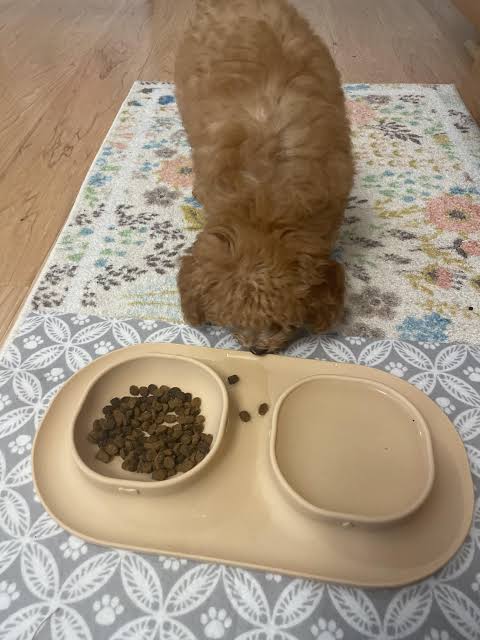
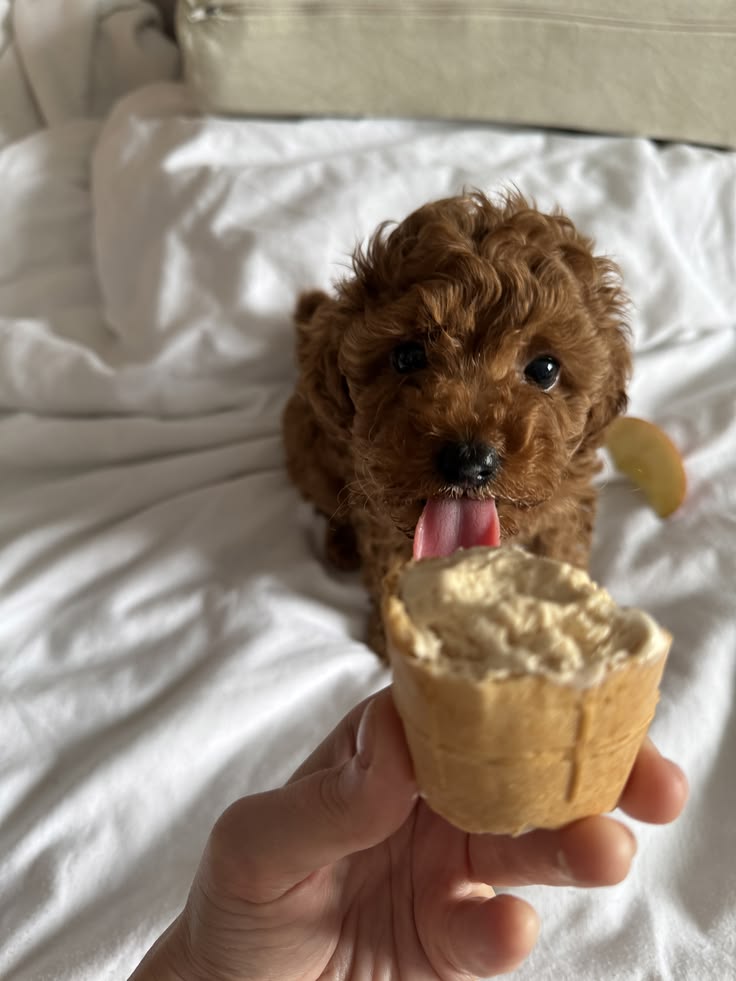
Those puppy eyes make sharing your food incredibly difficult (foods toxic to dogs).
Your Cavapoo watches every bite.
They follow your hand.
They may even sit beside you with an expression that says, “Surely you don’t want all of that.”
But while sharing a small, dog-safe treat can be perfectly fine, many human foods can be dangerous for dogs.
Some foods can cause stomach upset.
Others can damage organs, affect the nervous system, or become life-threatening.
This is especially important for puppy owners. Young dogs are naturally curious and may investigate anything that smells interesting.
Understanding foods toxic to dogs can help you prevent accidental poisoning and react quickly if your puppy eats something dangerous.
Important: If you believe your dog has eaten a potentially toxic food, contact your veterinarian or a pet poison service immediately. Do not wait for symptoms to appear.
1. Chocolate
Chocolate is one of the most recognizable foods that dogs should never eat.
Chocolate contains theobromine and caffeine, substances that dogs process differently from humans.
The risk depends on the type of chocolate, amount consumed, and size of the dog.
Dark chocolate, baking chocolate, and cocoa powder generally contain higher concentrations of these compounds (toxic foods for dogs).
Possible signs of chocolate poisoning include:
- Vomiting
- Diarrhea
- Restlessness
- Increased heart rate
- Excessive thirst
- Tremors
- Seizures
If your Cavapoo eats chocolate, don’t simply assume a small piece is harmless.
Contact your veterinarian and provide details about the type and approximate amount consumed.
For additional authoritative information, the ASPCA Animal Poison Control Center provides resources about common pet toxins.
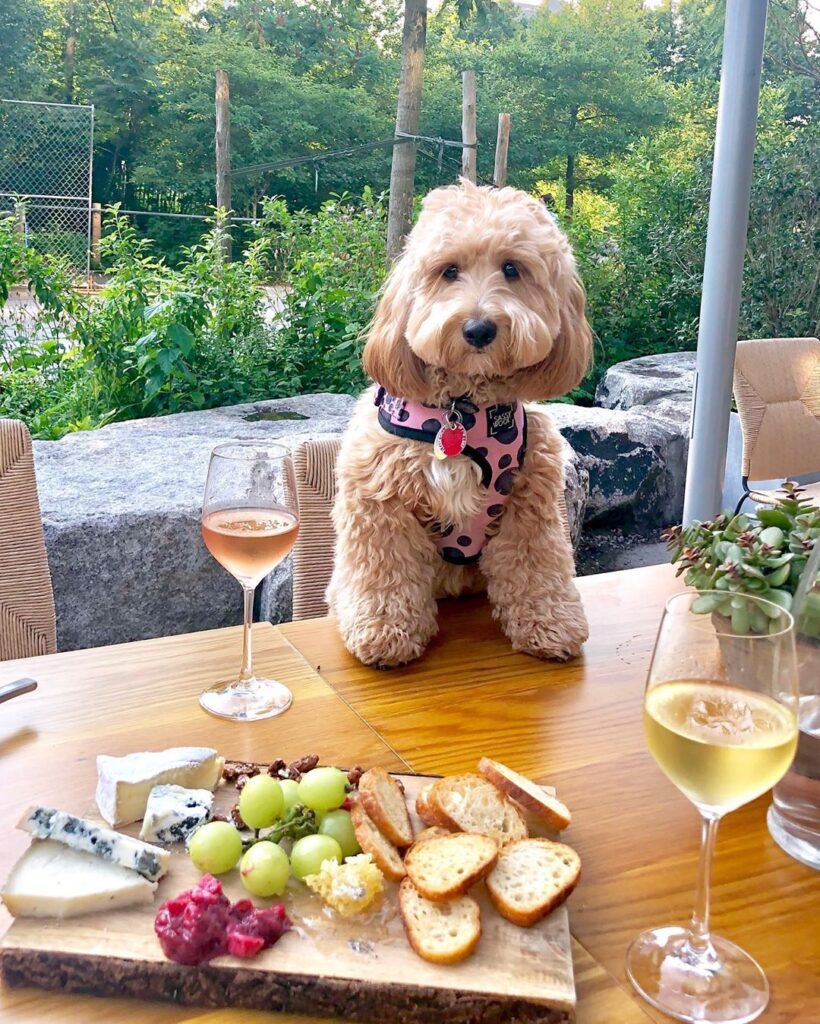
2. Grapes and Raisins
Grapes and raisins are another major concern for dog owners.
They can cause acute kidney injury in dogs, and the amount that causes illness can be unpredictable.
This means you should not wait until your dog develops symptoms before taking action.
Possible signs include:
- Vomiting
- Loss of appetite
- Lethargy
- Weakness
- Increased thirst
- Changes in urination
Because serious kidney problems can develop, suspected ingestion should be treated as an emergency.
Keep grapes, raisins, foods containing them, and snack containers away from curious puppies (foods dogs cannot eat).
3. Onions, Garlic, Chives, and Leeks
Onions and garlic belong to the Allium family.
These foods can damage red blood cells and potentially cause anemia in dogs.
The concern isn’t limited to raw vegetables.
Dogs can also encounter these ingredients in:
- Sauces
- Soups
- Seasonings
- Gravies
- Prepared foods
- Powdered spices
Symptoms may not always appear immediately.
Possible signs include weakness, reduced appetite, vomiting, or unusual tiredness.
If you suspect your Cavapoo has eaten a significant amount of onion or garlic, contact your veterinarian promptly (foods poisonous to dogs).
4. Xylitol and Other Dangerous Sweeteners
Xylitol is a particularly important ingredient for dog owners to recognize.
It is a sugar substitute found in some:
- Sugar-free chewing gum
- Candies
- Baked products
- Toothpaste
- Oral-care products
- Other sugar-free items
In dogs, xylitol can cause a rapid release of insulin and dangerously low blood sugar.
Severe poisoning can also cause liver injury.
Signs can include:
- Vomiting
- Weakness
- Loss of coordination
- Tremors
- Seizures
- Collapse
Always check ingredient labels before allowing your puppy near human snacks.
If xylitol ingestion is suspected, contact a veterinarian or pet poison service immediately (Cavapoo toxic foods).
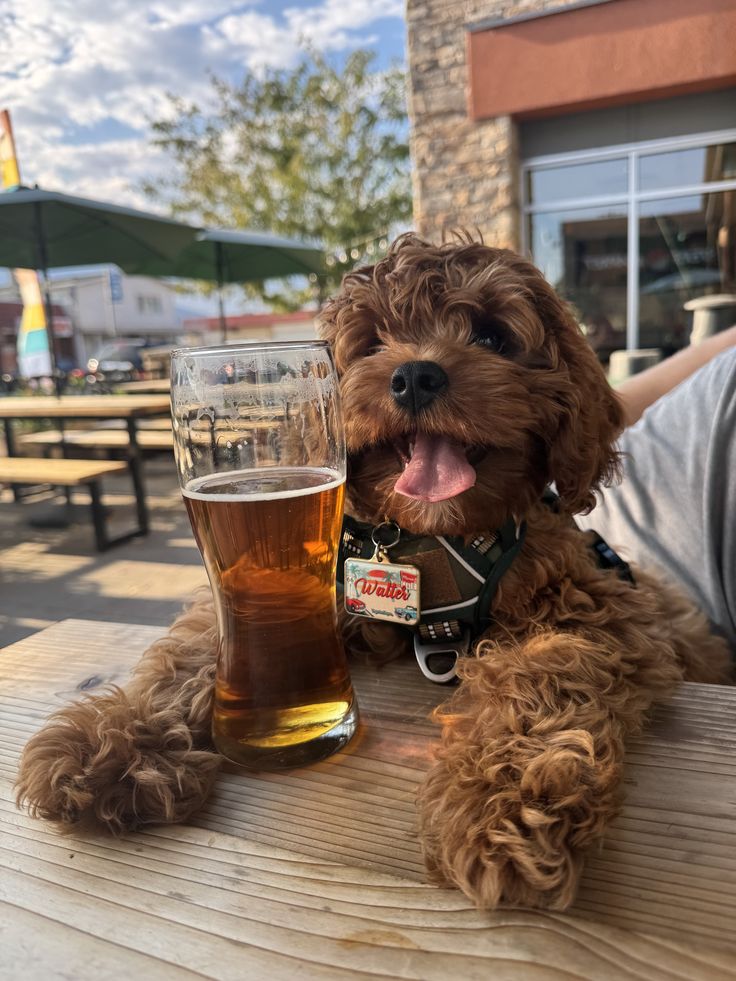
5. Alcohol
Alcohol is unsafe for dogs.
Dogs are much smaller than most humans, so even a relatively small quantity can have serious effects.
Alcohol may cause:
- Vomiting
- Weakness
- Poor coordination
- Depression
- Difficulty breathing
- Tremors
- Coma
Alcohol can also be present in foods and beverages that owners may not immediately consider dangerous.
Never intentionally give your Cavapoo alcohol.
Keep alcoholic drinks, bottles, and alcohol-containing foods completely out of reach (foods toxic to puppies).
6. Coffee and Caffeine
Coffee isn’t the only concern.
Caffeine can also be found in tea, energy drinks, cola, caffeine tablets, and certain supplements.
Dogs can be sensitive to caffeine, and excessive exposure can affect the heart and nervous system.
Possible signs include:
- Restlessness
- Rapid breathing
- Increased heart rate
- Tremors
- Vomiting
- Seizures
Keep coffee cups and caffeinated drinks away from puppies that enjoy investigating countertops and tables (dog poisoning symptoms).
7. Macadamia Nuts
Macadamia nuts can cause poisoning in dogs.
Affected dogs may develop:
- Weakness
- Vomiting
- Depression
- Tremors
- Difficulty walking
- Increased body temperature
Symptoms may develop within hours of ingestion.
Remember that macadamia nuts can also appear inside cookies, cakes, snack mixes, and other foods.
Check ingredients carefully before sharing any human snack with your dog (chocolate toxicity in dogs).
8. Avocado
Avocado requires some nuance.
The flesh is not generally considered one of the highest-risk dog toxins, but the pit, skin, and leaves present additional concerns.
The large pit can also create a choking or intestinal obstruction hazard.
For that reason, avocado isn’t an ideal food to casually offer your Cavapoo.
If your puppy swallows an avocado pit, contact your veterinarian because an obstruction may require urgent attention (xylitol poisoning dogs).
9. Dairy Products
Dairy products are not generally classified as poisonous to dogs.
However, they can cause digestive problems.
Many dogs have difficulty digesting significant quantities of lactose.
After consuming dairy, a sensitive dog may experience:
- Gas
- Diarrhea
- Vomiting
- Abdominal discomfort
A small amount of certain dairy products may be tolerated by some dogs, but it should not become a regular part of your puppy’s diet without veterinary guidance (grapes and raisins dogs).
For puppies, sticking with an appropriately formulated diet is the safest approach.
10. Cooked Bones
Giving a dog a leftover bone may seem natural.
However, cooked bones can splinter.
Sharp fragments can potentially injure the mouth, throat, stomach, or intestines.
Bones can also cause choking or intestinal obstruction.
That doesn’t mean every chew or bone product is automatically safe.
Before giving your Cavapoo any bone or chew, discuss appropriate options with your veterinarian (dog-safe foods).
11. Raw Meat and Fish
Raw diets remain a subject of discussion among dog owners.
However, raw meat and fish can carry pathogens, including bacteria that may cause illness in dogs and humans.
Some raw fish can also carry parasites.
If you’re considering a raw or homemade diet for your Cavapoo, speak with your veterinarian or a veterinary nutrition professional before making the change.
Puppies have specific nutritional requirements because they are still developing.
An improperly balanced homemade diet can create nutritional problems even when the individual ingredients appear healthy (foods toxic to dogs).
12. Excessive Salt and Salty Foods
Dogs don’t need salty human snacks.
Foods such as chips, salted popcorn, pretzels, and heavily seasoned foods can contain far more sodium than your puppy needs.
Excessive sodium consumption can cause:
- Excessive thirst
- Increased urination
- Vomiting
- Diarrhea
- Weakness
- Tremors
- Seizures in severe cases
Instead of sharing salty snacks, choose appropriate dog treats (toxic foods for dogs).
13. Fruit Pits and Certain Seeds
Fruit itself isn’t automatically dangerous.
However, certain pits and seeds can create serious problems.
Large pits can cause choking or intestinal obstruction.
Some fruit seeds and pits also contain compounds that can release cyanide when sufficiently damaged or consumed in significant amounts.
Safe fruit preparation matters.
Remove pits, cores, stems, and seeds before offering appropriate fruits to your Cavapoo.
When in doubt, ask your veterinarian whether a particular fruit is suitable (foods dogs cannot eat).
14. Yeast Dough
Unbaked yeast dough can be especially dangerous.
Once swallowed, dough can continue expanding inside the stomach.
Fermentation can also produce alcohol.
This combination can create a serious medical emergency.
Signs may include:
- Abdominal swelling
- Discomfort
- Vomiting
- Weakness
- Disorientation
- Difficulty breathing
If your dog eats raw yeast dough, contact your veterinarian immediately.
Don’t wait for the dough to expand or for symptoms to develop (foods poisonous to dogs).
15. Fatty Foods and Meat Trimmings
Fatty leftovers may seem like a harmless way to spoil your dog.
Unfortunately, high-fat foods can cause digestive problems and may contribute to pancreatitis in susceptible dogs.
Avoid deliberately feeding your Cavapoo:
- Fat trimmings
- Greasy leftovers
- Heavy sauces
- Fried foods
- Highly seasoned meats
Your puppy doesn’t need human leftovers to feel included.
A healthy dog treat and a few minutes of play can be a much better reward (Cavapoo toxic foods).
What Should You Do If Your Cavapoo Eats Something Toxic?
This is one of the most important sections for every puppy owner.
If you think your dog has eaten a potentially toxic food:
1. Remove the food
Prevent your puppy from eating any more.
2. Identify what was eaten
Try to determine:
- What food it was
- How much was eaten
- When it was eaten
- Whether packaging was swallowed
3. Keep the packaging
The ingredient label can help your veterinarian or poison specialist determine the potential risk.
4. Contact a professional immediately
Call your veterinarian or an appropriate pet poison service.
The ASPCA Animal Poison Control Center provides poison-related guidance for pet owners.
The Pet Poison Helpline also provides information about potential animal poison exposures.
5. Don’t induce vomiting unless instructed
Do not automatically give your dog salt, oil, milk, hydrogen peroxide, or other home remedies.
Inducing vomiting isn’t appropriate for every poisoning situation.
A veterinarian or poison professional should tell you what to do (foods toxic to puppies).
Don’t Wait for Symptoms
One of the biggest mistakes owners can make is waiting for their dog to become sick.
Some toxic substances can cause serious internal problems before obvious symptoms appear.
Your puppy may look completely normal immediately after eating something dangerous.
That doesn’t necessarily mean everything is fine.
When a potentially toxic food is involved, early professional advice is much safer than waiting and hoping.
How to Keep Toxic Foods Away From Your Cavapoo
Prevention is much easier than dealing with accidental poisoning.
Keep dangerous foods:
- Inside closed cabinets
- Away from countertop edges
- Out of open handbags
- Away from children’s reach
- Out of accessible trash cans
- Stored in sealed containers
Remember that puppies are excellent explorers.
A food item that seems safely placed on a kitchen counter may be completely accessible to a determined Cavapoo (dog poisoning symptoms).
During holidays and family gatherings, remind visitors not to feed your puppy without asking first.
Teach Your Puppy Not to Grab Food
Training can provide another layer of protection.
Teaching cues such as “leave it” and “drop it” can help prevent your puppy from swallowing something dangerous.
Begin training with safe objects and reward your puppy for making the correct choice.
Keep sessions short and positive.
This is one reason early training is such an important part of raising a confident Cavapoo (chocolate toxicity in dogs).
You can learn more through our puppy training resources.
What Can Cavapoos Eat?
The safest foundation for your Cavapoo is a complete and balanced diet appropriate for their life stage, selected with guidance from your veterinarian.
Treats should remain a small part of their overall calorie intake.
If you want to give your puppy something special, choose treats specifically formulated for dogs rather than relying on leftovers from your dinner plate.
If you’re unsure whether a particular human food is safe, ask your veterinarian before offering it (xylitol poisoning dogs).
Why Puppy Owners Need to Be Especially Careful
Cavapoo puppies are naturally curious.
They explore the world with their mouths.
That means food accidentally dropped on the kitchen floor can become an immediate investigation.
Their smaller body size can also make accidental ingestion particularly concerning.
Establishing safe food habits from the beginning helps protect your puppy while making mealtimes easier for the entire family (grapes and raisins dogs).
For more guidance about raising a Cavapoo, explore our Cavapoo breed guide.
Final Thoughts: Keep Your Cavapoo Safe From Toxic Foods
Your Cavapoo doesn’t need to share every meal with you.
Those begging eyes may be difficult to resist, but protecting your puppy is more important than giving in to every request.
Chocolate, grapes and raisins, onions and garlic, xylitol, alcohol, caffeine, macadamia nuts, yeast dough, and several other foods can pose serious risks to dogs (dog-safe foods).
The safest approach is simple:
Know what your dog can eat. Know what they cannot eat. Keep dangerous foods out of reach.
And if your Cavapoo ever eats something potentially toxic, don’t wait for symptoms.
Contact your veterinarian or a pet poison service promptly.
A few seconds of prevention can protect your puppy from a serious emergency.
Helpful Resources for Cavapoo Owners
For additional veterinary information, visit the American Veterinary Medical Association’s pet owner resources.
The ASPCA Animal Poison Control Center is another useful resource for information about potential pet poison exposures.
You can also explore Atlantic Cavapoo Puppies Home’s Cavapoo puppies, Health Guarantee, and FAQ pages for additional puppy information.
Veterinary disclaimer: This article provides general educational information and does not replace veterinary advice. If your dog may have consumed a toxic substance, contact a veterinarian or qualified pet poison service promptly.
