Cavapoo Health & Wellness, Cavapoo Care Guide
Maintaining a Beautiful Lawn While Keeping Dogs Safe: A Complete Guide to Dog-Safe Lawn Care
Aug
Dog Health · Safety · Puppy Care · Outdoor Care
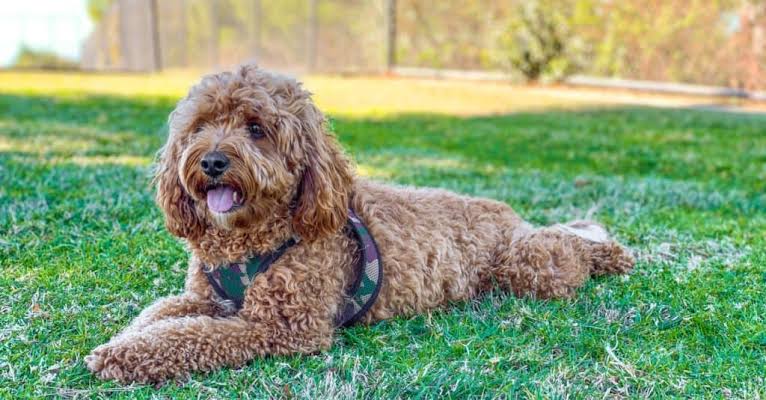
A beautiful lawn can be one of the best parts of having a home with a dog.
Your puppy can run, play, explore, and enjoy time outdoors while you maintain a healthy-looking yard. However, lawn care products, toxic plants, insects, sharp objects, and extreme temperatures can create hidden risks for dogs (lawn safety for dogs).
That is why dog-safe lawn care should be a priority for every pet owner.
Fertilizers, herbicides, pesticides, mulch, and some garden plants can be harmful when dogs ingest them. Even everyday activities such as mowing the grass can become dangerous if your puppy is nearby.
The good news is that you do not have to choose between a beautiful lawn and a safe outdoor environment.
With the right precautions, you can create a dog-friendly yard where your puppy can safely enjoy outdoor time.
Choose Dog-Safe Lawn Care Products
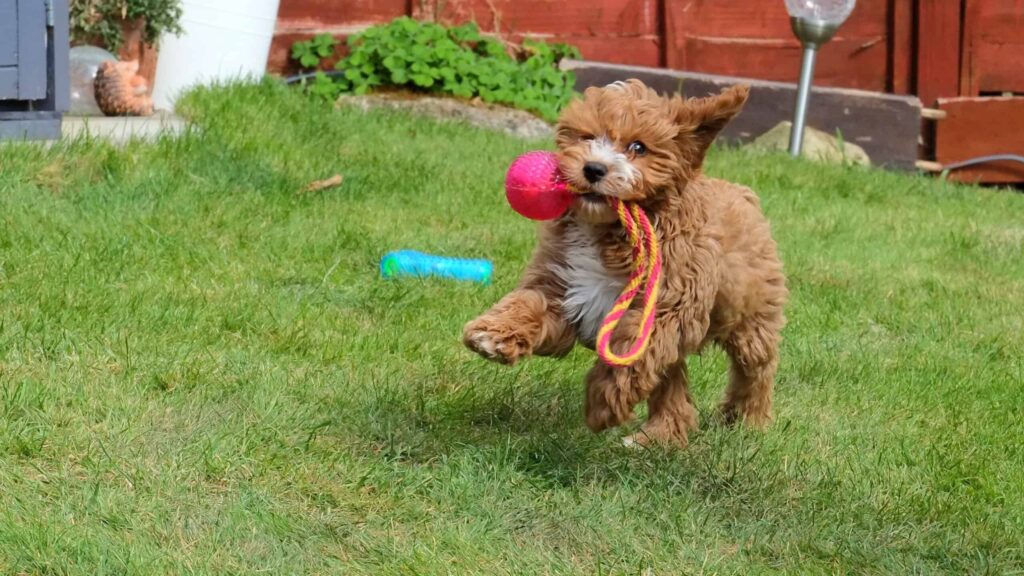
One of the most important parts of maintaining a pet-friendly lawn is choosing lawn products carefully.
Fertilizers, herbicides, insecticides, and weed-control products can contain ingredients that may cause problems if your dog eats them or walks across freshly treated areas.
Even some organic fertilizers can attract dogs because they may contain ingredients such as bone meal, blood meal, fish meal, or manure.
The ASPCA recommends keeping pets away from treated areas and following product-label instructions carefully. Liquid products should generally be allowed to dry before pets return, while granular products may require watering according to the label.
Before purchasing a lawn product, check:
- The active ingredients
- Pet-safety instructions
- Recommended application amounts
- Required waiting periods
- Whether the product must be watered into the soil
- Whether children and pets should stay away during application
When you are unsure about a particular product, ask your veterinarian before using it around your dog.
For additional information about common household dangers, the American Kennel Club’s guide to household hazards for dogs is also a useful resource.
Keep Your Puppy Away From Treated Grass
Even if a lawn treatment is considered appropriate for residential use, your dog should not automatically have access to the area immediately after application.
Keep your puppy indoors or in another safe part of the property while applying lawn products.
Follow the manufacturer’s instructions regarding when your dog can safely return to the treated area.
This is particularly important for curious puppies that investigate everything with their mouths.
Do not allow your puppy to:
- Eat grass immediately after treatment
- Lick wet lawn products from their paws
- Chew fertilizer granules
- Dig through treated soil
- Play near open fertilizer bags
- Drink from containers used to mix lawn chemicals
Store fertilizers, weed killers, pesticides, and other lawn products securely in a location your dog cannot access.
The ASPCA notes that fertilizer ingestion can cause gastrointestinal problems and, with larger exposures, more serious symptoms (pet-friendly lawn care).
Create a Dedicated Dog-Friendly Zone
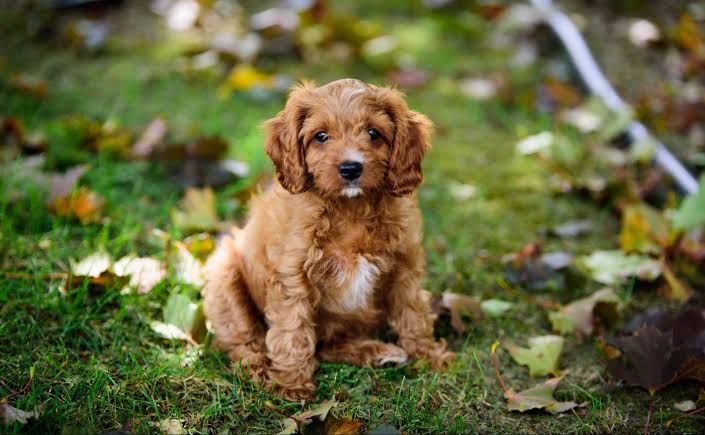
If you have a larger yard, consider creating a dedicated area where your dog can play.
A dog-friendly zone can make lawn maintenance easier because you can separate areas that require special treatment from the places your puppy uses every day.
For example, you might create:
- A grassy play area
- A designated potty area
- A shaded resting space
- A secure garden area
- A separate lawn-treatment zone
Use sturdy fencing or natural barriers to prevent your dog from entering flowerbeds, vegetable gardens, newly planted areas, or recently treated sections of the lawn.
This approach gives your dog freedom while helping you protect delicate landscaping (dog-friendly yard).
Check Your Yard for Toxic Plants
Your lawn may look completely harmless while nearby plants create a potential danger.
Some common garden plants can be toxic to dogs when eaten.
Before adding new flowers, shrubs, or decorative plants to your yard, research whether they are safe for pets.
The ASPCA maintains a searchable database of toxic and non-toxic plants that can help pet owners identify potentially dangerous plants.
Pay particular attention to areas where your puppy likes to dig, sniff, or chew.
Remember that puppies are naturally curious. A plant that looks attractive to you may look like an interesting snack to your puppy (safe lawn for dogs).
Be Careful With Mulch
Mulch can make a yard look cleaner and help retain moisture, but not every type of mulch is appropriate for homes with dogs.
Cocoa mulch is particularly important to avoid. It can contain compounds related to chocolate that are dangerous to dogs if consumed.
The American Kennel Club specifically recommends avoiding cocoa mulch in areas accessible to dogs.
If your puppy enjoys digging or chewing, consider using safer landscaping materials and creating physical barriers around garden beds (dog-safe lawn care).
Inspect the Lawn for Hidden Hazards
A dog-friendly yard should be inspected regularly.
Walk through the lawn and look for anything that could injure your puppy.
Potential hazards include:
- Broken glass
- Nails
- Sharp pieces of metal
- Small plastic objects
- Garden tools
- Exposed wires
- Sticks with sharp ends
- Toxic plants
- Pesticide containers
- Standing water
- Damaged fencing
- Holes or uneven ground
Small objects can become especially dangerous for puppies because they may try to chew or swallow them (lawn safety for dogs).
Make a quick yard inspection part of your regular routine.
Keep Grass and Weeds Under Control
Regular lawn maintenance can make your yard safer.
Keep grass at an appropriate height and remove excessive weeds where necessary.
However, avoid assuming that every weed is harmless.
Some plants can cause gastrointestinal irritation or other problems when eaten. The ASPCA recommends learning which plants are present in your yard and identifying those that could be hazardous to pets.
Tall vegetation can also provide hiding places for ticks and other pests.
If your puppy spends significant time outdoors, maintaining a clean and manageable lawn can help you spot potential problems more easily.
You can also learn more about protecting your puppy from parasites in our guide to flea and tick prevention for dogs and discuss an appropriate prevention plan with your veterinarian.
Clean Up Dog Waste Regularly
Picking up after your dog is about more than keeping the lawn looking attractive.
Pet waste can contain parasites and microorganisms that may create health concerns for other animals and people.
Make waste removal part of your normal lawn-care routine.
Keep poop bags or a scooper nearby so cleanup is convenient.
Regular waste removal also prevents your puppy from repeatedly investigating old waste spots.
A clean yard is simply a healthier environment for everyone.
Practice Safe Mowing
Lawnmowers, trimmers, edgers, and other equipment should never be treated like toys around your puppy.
Before mowing:
- Bring your dog indoors or place them in a secure area away from the equipment.
- Walk through the lawn and remove toys, sticks, rocks, and other objects.
- Check that gates and fences are secure.
- Keep children and pets away from operating equipment.
- Store lawn equipment safely after use.
Never allow your dog to run alongside a moving lawnmower.
A small object hidden in grass can be thrown by mowing equipment and cause serious injury.
Give your puppy access to the yard again only after the equipment has been switched off and the area is safe.
Create Plenty of Shade and Fresh Water
A beautiful lawn does not automatically mean your yard is safe during hot weather.
Dogs can overheat quickly, particularly during periods of extreme heat.
Make sure your dog always has access to fresh drinking water and a shaded area.
Shade can come from:
- Mature trees
- A covered patio
- A gazebo
- A shade canopy
- A properly positioned outdoor shelter
Remember that the position of the sun changes throughout the day. A section of your yard that is shaded in the morning may be exposed to direct sunlight later.
The American Kennel Club recommends providing shade and fresh water and limiting yard time during extreme heat.
You should also be careful with hot surfaces such as concrete, stone, and artificial turf.
Your dog’s paw pads can burn when surfaces become extremely hot.
Watch Out for Fleas and Ticks
Your lawn can also expose your dog to external parasites.
Tall grass, brush, wooded areas, and places frequented by wildlife can increase opportunities for ticks to encounter your dog.
Regularly check your puppy after outdoor activities, particularly around:
- Ears
- Neck
- Between the toes
- Under the legs
- Around the collar
- Between the eyes
- Around the tail
Ask your veterinarian about an appropriate flea and tick prevention program for your dog’s age, size, lifestyle, and location.
Prevention is especially important for puppies that spend a lot of time outdoors.
Give Your Dog a Safe Potty Area
Dogs can damage lawns through repeated urination in the same locations.
Dog urine contains nitrogen, which can create concentrated patches that turn grass brown.
Instead of trying to completely prevent normal behavior, consider creating a designated potty area.
You can train your dog to use a specific section of the yard and maintain the rest of the lawn as a play area.
Regular watering can also help dilute urine concentration in affected areas.
The American Kennel Club notes that rinsing affected areas with water and maintaining healthy grass can help manage urine-related lawn damage.
Be Careful Around Compost
Compost may be excellent for your garden but potentially dangerous for your dog.
Dogs can be attracted to the smell of decomposing food, but compost may contain ingredients that are toxic to pets.
The ASPCA warns that compost can contain dangerous foods such as grapes, coffee grounds, garlic, and onions. Moldy food in compost can also create additional risks.
Keep compost piles securely fenced or completely inaccessible to your dog.
Never assume that because something is natural, it is automatically safe for pets.
Keep Your Dog Away While Gardening
Gardening often involves fertilizers, pesticides, bulbs, tools, and plants that may be dangerous to curious dogs.
For that reason, it is best to keep your dog in a secure area while gardening.
Once you finish:
- Put tools away.
- Store chemicals securely.
- Remove plant debris.
- Clean up spilled fertilizer.
- Check the ground for dropped objects.
- Make sure gates are closed.
- Prevent your dog from digging through newly planted areas.
The ASPCA recommends keeping pets away while fertilizers and insecticides are being applied and following all product instructions.
What Should You Do If Your Dog Eats a Lawn Product?
If your puppy may have eaten fertilizer, weed killer, pesticide, mulch, or another potentially toxic substance, do not simply wait for symptoms to appear.
Contact your veterinarian promptly and provide information about the product involved.
Keep the product packaging available so the veterinarian can identify the ingredients.
Do not induce vomiting unless a veterinarian or qualified poison-control professional specifically tells you to do so.
For suspected poisoning, the ASPCA Animal Poison Control Center provides emergency guidance. You can find its current contact information and resources through the ASPCA Poison Control Center.
Build a Lawn That Works for Both You and Your Dog
A dog-friendly lawn does not have to look messy or neglected.
With a little planning, you can have an attractive outdoor space while giving your puppy a safe place to explore.
The key is to think about your lawn from your dog’s perspective.
Look for potential hazards at ground level. Store chemicals securely. Choose plants carefully. Keep treated areas off-limits until they are safe. Provide shade and water. Remove waste and debris regularly.
Most importantly, supervise your puppy outdoors and pay attention to their individual habits.
A curious puppy may investigate things that an older dog completely ignores.
By combining responsible lawn maintenance with responsible pet care, you can create an outdoor space where your dog can safely run, play, sniff, and enjoy time with the family.
Final Thoughts on Dog-Safe Lawn Care
Maintaining a beautiful lawn and protecting your dog do not have to be competing goals.
Pet-friendly lawn care starts with prevention.
Choose lawn products carefully, follow their labels, keep chemicals inaccessible, inspect your yard frequently, avoid toxic plants and cocoa mulch, and provide shade and fresh water.
Your lawn should be more than a beautiful part of your property.
It should be a safe outdoor environment where your puppy can enjoy being a puppy.
If you’re preparing your home for a new puppy, our Puppy Care resources can help you prepare for the everyday responsibilities of raising a happy and healthy companion.
And if you’re looking for a Cavapoo puppy to welcome into your family, explore our available Cavapoo puppies for sale and learn more about our puppies and adoption process.
