Cavapoo Care Guide, Cavapoo Health & Wellness, Full Grown Cavapoo Guide
The Best Way to Keep Your Cavapoo’s Paw Pads Healthy
Aug
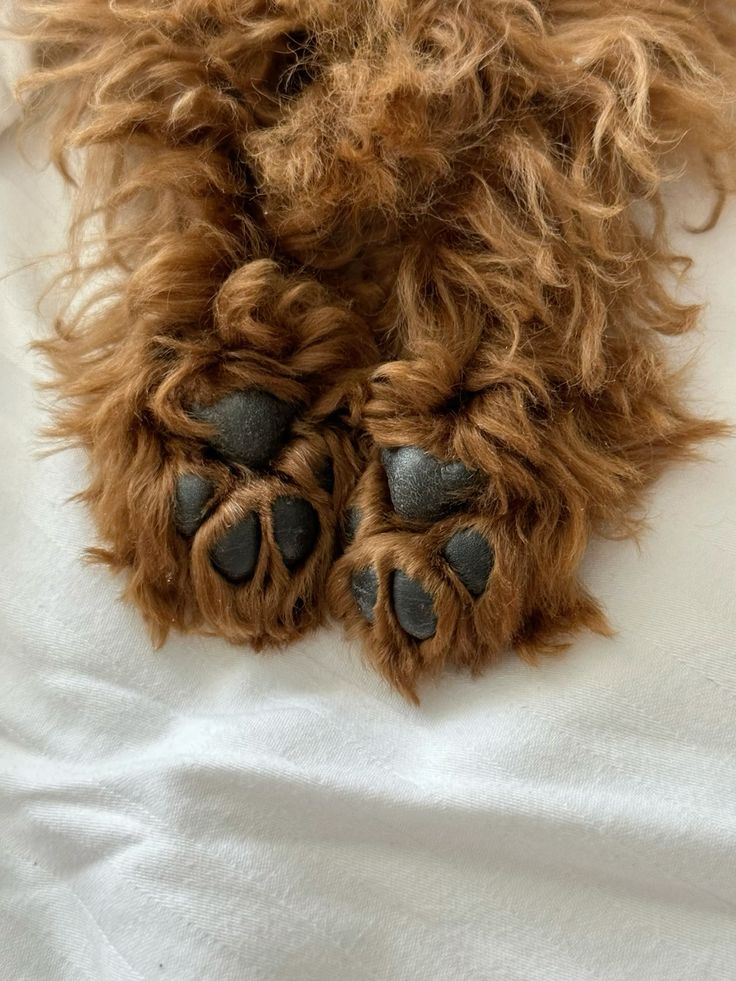
Your Cavapoo’s paws do a lot of work every day (dog paw pads).
They carry your puppy through walks, play sessions, training, backyard adventures, and everything in between.
Yet paw care is easy to overlook.
Many owners focus on their dog’s coat, teeth, ears, and diet while forgetting about the small pads underneath their paws.
Healthy paw pads are important because they help protect your dog’s feet from everyday surfaces. They also provide traction and cushioning while your Cavapoo walks and runs.
Unfortunately, hot pavement, ice, salt, rough terrain, dirt, moisture, and long nails can all create problems.
The good news is that regular dog paw pad care is simple.
A few minutes of inspection and cleaning can help you catch problems before they become painful.
Why Paw Pad Health Matters
Your dog’s paw pads aren’t simply soft areas underneath their feet.
They contain specialized tissue that helps provide cushioning and protection.
Paw pads also come into contact with almost every surface your dog walks across.
That includes:
- Grass
- Concrete
- Asphalt
- Sand
- Dirt
- Rocks
- Snow
- Ice
- Indoor flooring
Because of this constant contact, your Cavapoo’s paws can experience significant wear.
Small cuts, cracks, burns, irritation, or trapped debris can make walking uncomfortable.
For a young Cavapoo puppy, paw health is particularly important because puppies are constantly exploring their environment (Cavapoo paw care).
If you’re preparing for a new puppy, our Cavapoo puppies for sale page provides more information about bringing a Cavapoo into your family.
1. Inspect Your Cavapoo’s Paws Regularly
One of the easiest ways to protect your dog’s paws is to check them regularly.
You don’t need a complicated routine.
After walks or outdoor play, briefly examine each paw.
Look between the toes and around the pads for:
- Small stones
- Grass seeds
- Thorns
- Dirt
- Cuts
- Cracks
- Redness
- Swelling
- Bleeding
- Foreign objects
Don’t forget to check the nails as well.
If your Cavapoo suddenly starts licking one paw, limping, or avoiding certain surfaces, inspect the foot carefully (healthy dog paws).
Dogs sometimes hide signs of discomfort.
A small problem can become more serious if your dog continues walking on an injured paw.
2. Clean Your Dog’s Paws After Walks
Paw cleaning is particularly important after outdoor adventures.
Dirt and debris can become trapped between the toes or around the pads.
Some outdoor surfaces can also expose your dog to substances you don’t want them licking from their feet.
After a walk, gently wipe your Cavapoo’s paws with a clean, damp cloth.
Pay particular attention to the spaces between the toes.
Avoid using household cleaning products or harsh chemicals on your dog’s feet.
If you use commercial wipes, choose products specifically designed for dogs (dog paw pad care).
For additional guidance about caring for your puppy, you can also explore our Cavapoo breed guide.
3. Keep the Hair Around the Paws Trimmed
Cavapoos have a soft, often wavy or curly coat.
That beautiful coat requires regular grooming.
Hair around the paws can become long enough to collect dirt, moisture, grass, and other debris.
It can also contribute to matting.
Keeping the hair around the paw area neatly maintained can make cleaning easier.
However, paw trimming should be done carefully.
If you’re uncomfortable trimming around your dog’s feet, ask a professional groomer for assistance.
Never use scissors near a moving dog’s paw without knowing exactly what you’re doing (cracked paw pads).
4. Protect Paw Pads From Hot Pavement
Summer can be especially hard on dog paws.
Asphalt and concrete can become significantly hotter than the surrounding air.
Walking across extremely hot pavement can cause painful burns.
This is one reason it’s better to schedule walks during cooler periods of the day.
Early morning and evening walks are often more comfortable during hot weather.
You can also choose grassy or shaded walking routes.
Before taking your Cavapoo outside, place the back of your hand against the pavement for several seconds (dry dog paws).
If the surface feels too hot for your hand, it can be too hot for your dog’s paws.
Our guide on keeping your Cavapoo hydrated during summer also covers other important warm-weather safety considerations.
5. Take Winter Paw Care Seriously
Cold weather creates a different set of paw problems.
Snow, ice, freezing temperatures, and de-icing products can irritate your dog’s feet.
Road salt and ice-melting chemicals can become trapped between your dog’s toes.
Your Cavapoo may then lick their paws and accidentally ingest some of the residue.
After winter walks, rinse or wipe your dog’s paws.
Dry them thoroughly afterward.
Pay special attention to the areas between the toes.
If your dog spends significant time outside during freezing temperatures, ask your veterinarian about appropriate paw protection (puppy paw care).
6. Consider Dog Booties for Difficult Conditions
Some dogs tolerate protective booties very well.
Others need time to get comfortable wearing them.
Booties can provide additional protection against:
- Hot pavement
- Ice
- Snow
- Rough terrain
- Sharp surfaces
However, they should fit correctly.
Booties that are too tight can create their own problems.
If you decide to use them, introduce them gradually indoors.
Allow your Cavapoo to wear them for short periods before attempting a longer walk (dog paw protection).
7. Use Paw Balm When Appropriate
Dry or cracked paw pads may benefit from an appropriate pet-safe paw balm.
The goal is to support the skin barrier without creating excessive moisture between the toes.
Choose a product specifically formulated for dogs.
Avoid assuming that every human moisturizer or household product is safe for pets.
Dogs naturally lick their paws, so anything applied to the feet may eventually be swallowed.
If your Cavapoo has severely cracked, bleeding, painful, or irritated paw pads, speak with your veterinarian before applying products (dog paw balm).
8. Don’t Over-Moisturize Your Dog’s Paws
Moisture isn’t always beneficial.
Excessive moisture between the toes can contribute to softened skin and may create an environment where irritation develops.
After bathing or walking through wet conditions, dry your dog’s paws thoroughly.
Pay attention to the spaces between the toes.
Healthy paw care is about balance.
You want the pads to remain comfortable and protected without keeping the feet unnecessarily wet (hot pavement dog paws).
9. Keep Your Cavapoo’s Nails Trimmed
Paw health isn’t only about the pads.
Your dog’s nails matter too.
Overgrown nails can affect the way your dog stands and walks.
Long nails may also become caught on surfaces, increasing the risk of injury.
Regular nail trimming should therefore be part of your Cavapoo’s grooming routine.
If your puppy isn’t accustomed to nail trimming, introduce the process slowly.
Start by gently touching the paws.
Reward calm behavior.
Then gradually introduce the nail clippers or grinder.
Positive experiences early in puppyhood can make future grooming much easier (winter dog paw care).
10. Be Careful With Rough Terrain
Cavapoos can enjoy outdoor adventures, but not every surface is appropriate for every dog.
Sharp rocks, broken branches, rough concrete, and other abrasive surfaces can damage paw pads.
If you’re taking your Cavapoo hiking, gradually build their tolerance to different terrain.
Pay attention to how your dog is moving (Cavapoo grooming).
Limping, excessive paw licking, slowing down, or suddenly refusing to continue can indicate discomfort.
For more outdoor safety advice, see our guide to hiking with your dog.
11. Maintain a Healthy Weight
Your Cavapoo’s weight can also affect their feet.
Extra body weight places additional stress on the musculoskeletal system.
Keeping your dog at an appropriate body condition supports healthier movement and reduces unnecessary strain.
Portion control, regular exercise, and appropriate nutrition all contribute to maintaining a healthy weight.
Your veterinarian can help determine the ideal weight and body condition for your individual Cavapoo (dog paw pads).
12. Don’t Ignore Paw Licking
Occasional paw licking isn’t necessarily a problem.
Dogs may lick their paws after walking or grooming themselves.
However, persistent licking deserves attention.
Your Cavapoo may be reacting to:
- A small injury
- Irritated skin
- A foreign object
- A cracked pad
- An allergy
- Moisture between the toes
- Another underlying problem
If your dog repeatedly focuses on the same paw, inspect it carefully.
If you can’t identify the cause or the behavior continues, contact your veterinarian (Cavapoo paw care).
Signs Your Dog’s Paw Needs Veterinary Attention
Some paw problems can be managed with basic home care.
Others require professional attention.
Contact your veterinarian if you notice:
- Significant bleeding
- Deep cuts
- Severe swelling
- Pus or discharge
- A strong odor
- Persistent limping
- Severe pain
- A foreign object embedded in the paw
- A badly burned pad
- A pad that is peeling severely
- Persistent licking or chewing
- An injury that isn’t improving
Don’t try to remove a deeply embedded object yourself.
A veterinarian can safely examine the paw and determine the appropriate treatment.
The American Veterinary Medical Association offers additional general pet-care resources for dog owners (healthy dog paws).
A Simple Paw Care Routine for Cavapoo Parents
You don’t need to spend hours caring for your dog’s paws.
A simple routine can make a big difference.
After walks
Check the paws for debris or injuries.
After winter walks
Wipe away salt and other substances.
After wet walks
Dry between the toes.
During summer
Avoid extremely hot pavement.
During grooming
Check nails and trim excess paw hair appropriately.
Every week
Perform a more thorough paw inspection.
Whenever something looks unusual
Don’t ignore it.
Early attention can prevent a small problem from becoming a painful one (dog paw pad care).
How to Make Paw Handling Easier for Your Puppy
Paw handling should ideally begin when your Cavapoo is young.
Puppies need to learn that having their feet touched isn’t frightening.
Start with a few seconds.
Gently touch one paw.
Give your puppy praise.
Then stop.
Repeat this process regularly.
Over time, gradually introduce:
- Paw touching
- Toe handling
- Nail clippers
- Grooming tools
- Paw wiping
- Gentle inspection
Never force a frightened puppy through a grooming session.
Positive reinforcement helps create better associations.
This approach can make future nail trimming, grooming, and veterinary examinations much easier (dog paw pad care).
The Best Paw Care Is Preventive
Healthy paws aren’t maintained with one product or one technique.
They’re protected through consistent habits.
Inspect your Cavapoo’s paws.
Keep them clean.
Keep nails appropriately trimmed.
Protect their feet from extreme temperatures.
Avoid excessively rough surfaces.
Use pet-safe products when needed.
And pay attention to changes in behavior.
Your dog can’t tell you that a tiny piece of glass is stuck between their toes.
They can’t explain that pavement burned their paw (dog paw pad care).
They communicate through behavior.
As a responsible Cavapoo parent, learning to recognize those signals is one of the best things you can do.
Final Thoughts
Your Cavapoo’s paws support almost everything they do.
Every walk, game, training session, and outdoor adventure depends on healthy feet.
Fortunately, dog paw pad care doesn’t need to be complicated.
A few minutes of inspection after walks, regular grooming, sensible protection from extreme weather, and prompt veterinary attention when something looks wrong can help keep your puppy comfortable.
Protect those little paws, and you’ll help your Cavapoo stay ready for all the adventures ahead.
For more Cavapoo care information, visit our Cavapoo puppies for sale page and explore our other puppy-care resources (dog paw pad care).
Helpful External Resources
For additional guidance, the American Veterinary Medical Association provides general information about caring for dogs and maintaining their health.
You can also explore the American Kennel Club’s dog health and care resources for additional information about grooming, exercise, and general dog care (dog paw pad care).
Veterinary disclaimer: This article is intended for general educational purposes and does not replace veterinary examination or professional advice. If your Cavapoo has a serious paw injury, severe pain, bleeding, swelling, infection, or persistent limping, contact your veterinarian.
