Cavapoo Health & Wellness, Cavapoo Breed Information
Dog Heatstroke: How to Keep Your Dog Safe in Hot Weather
Aug
Summer can mean longer walks, outdoor adventures, backyard play, and more time together. However, hot weather can also create serious risks for dogs.
Dog heatstroke can develop quickly when a dog cannot cool itself effectively. In severe cases, overheating can cause organ damage and become life-threatening.
Puppies, senior dogs, overweight dogs, dogs with certain health conditions, and dogs with short noses can be particularly vulnerable to heat-related problems.
The good news is that many cases of overheating can be prevented with simple precautions (dog overheating).
From choosing the right time for walks to recognizing the signs of heatstroke in dogs, responsible preparation can help keep your companion safe throughout the summer.
What Is Dog Heatstroke?
Dog heatstroke occurs when a dog’s body temperature rises to a dangerous level and the body can no longer cool itself effectively.
Unlike humans, dogs primarily regulate body temperature through panting. They have limited ability to sweat through their paw pads, which makes excessive heat and humidity particularly challenging.
Heatstroke can happen during strenuous exercise, prolonged outdoor exposure, or confinement in a hot environment.
A parked vehicle is especially dangerous. Temperatures inside a car can rise rapidly, even when the weather outside does not seem extremely hot (how to keep dogs cool in summer).
This is why never leaving your dog alone in a parked car should be one of your most important summer safety rules.
How to Prevent Heatstroke in Dogs
Preventing overheating is much easier than treating a serious heat-related emergency.
1. Always Provide Fresh Water
Make sure your dog has access to clean, fresh water throughout the day.
Bring water with you when going on walks, hikes, or other outdoor activities. At home, consider keeping water available in multiple locations.
You can also provide dog-safe frozen treats as an occasional way to make hydration more appealing.
However, water should never be replaced with treats.
If your puppy is still learning good daily habits, maintaining a consistent routine for meals, water, exercise, and rest can also make summer care easier.
2. Walk During Cooler Parts of the Day
Avoid strenuous exercise during the hottest part of the day.
Early morning and evening are often more comfortable times for walks, depending on local weather conditions.
Remember that the pavement can become much hotter than the surrounding air.
Hot pavement can burn your dog’s paw pads, so choose grassy or shaded routes when possible.
If the ground feels dangerously hot to you, it may be unsafe for your dog’s paws as well (dog overheating).
3. Provide Shade and a Cool Environment
Dogs spending time outdoors should always have access to shade and fresh water.
However, shade alone may not be enough during extreme heat.
When temperatures become dangerous, bring your dog indoors into an appropriately cool, well-ventilated environment.
Fans can help with air circulation, while air conditioning can provide more reliable cooling during extreme temperatures.
4. Avoid Excessive Exercise
A dog that loves running and playing may not know when to stop.
During hot weather, replace intense activities with shorter, gentler walks and indoor enrichment.
Puzzle toys, training exercises, scent games, and interactive play can provide mental stimulation without requiring prolonged physical exertion.
This can be especially helpful for puppies that still have plenty of energy but are not ready for strenuous summer exercise.
5. Pay Extra Attention to High-Risk Dogs
Some dogs are more vulnerable to overheating than others.
Extra caution may be necessary for:
- Puppies
- Senior dogs
- Overweight dogs
- Dogs with underlying health conditions
- Short-nosed or brachycephalic breeds
- Dogs with breathing difficulties
Even dogs that normally tolerate exercise well can develop heat-related problems under extreme conditions.
If you’re unsure how much exercise is appropriate for your dog during hot weather, speak with your veterinarian.
Signs of Heatstroke in Dogs
Knowing the signs of heatstroke in dogs can help you recognize an emergency before it becomes worse.
Early warning signs may include:
- Excessive or rapid panting
- Heavy drooling
- Thick or sticky saliva
- Bright red or abnormal-looking gums
- Weakness
- Lethargy
- Increased heart rate
- Restlessness
- Difficulty walking
- Uncoordinated movement
- Vomiting or diarrhea
More severe signs can include:
- Confusion or disorientation
- Collapse
- Seizures
- Loss of consciousness
- Difficulty breathing
Heatstroke can cause serious internal damage that isn’t always immediately visible.
If you suspect your dog has heatstroke, treat it as an emergency and contact a veterinarian immediately.
What Should You Do If Your Dog Overheats?
If your dog shows signs of serious overheating, act quickly.
Move Your Dog to a Cooler Location
Immediately remove your dog from the heat.
Move them into an air-conditioned or otherwise cool, well-ventilated environment.
Begin Safe Cooling
Veterinary guidance recommends controlled cooling with cool or tepid water rather than extremely cold water.
A fan can also help increase evaporation and improve cooling.
Do not delay veterinary care while attempting to cool your dog at home.
Offer Water if Your Dog Is Alert
If your dog is conscious and able to swallow normally, you can offer small amounts of water.
Do not force your dog to drink.
Contact a Veterinarian Immediately
Even if your dog appears to improve after cooling, heatstroke can cause internal complications that aren’t immediately obvious.
Veterinary evaluation is therefore important after suspected heatstroke.
Never Leave Your Dog in a Hot Car
One of the most important rules of summer dog safety is simple:
Never leave your dog alone in a parked vehicle.
Cracking the windows does not make a parked car safe.
According to veterinary and canine-health guidance, vehicle temperatures can rise rapidly, even when outdoor temperatures appear moderate.
For example, the American Kennel Club notes that a vehicle can reach approximately 100°F internally within 20 minutes when the outside temperature is only 70°F.
Therefore, don’t rely on:
- Cracked windows
- Parking in the shade
- Leaving the air conditioning off temporarily
- Running a quick errand
- Assuming the weather isn’t hot enough
If your dog cannot safely accompany you, leave them at home in a cool environment.
American Kennel Club: Can I Leave My Dog in the Car?
How to Keep Your Dog Cool During Summer
Small changes to your dog’s routine can make hot weather much easier to manage.
Consider:
- Providing fresh water throughout the day
- Using shaded outdoor areas
- Keeping indoor spaces comfortably cool
- Taking shorter walks
- Walking during cooler hours
- Avoiding hot pavement
- Providing appropriate cooling products
- Using indoor enrichment activities
- Watching your dog’s behavior during exercise
- Taking extra precautions with puppies and senior dogs
Cooling mats, cooling beds, and other pet products can also provide additional comfort, but they should complement—not replace—shade, hydration, and a suitably cool environment.
Can Puppies Get Heatstroke?
Yes.
Puppies can be particularly vulnerable because they may become excited during play and continue exercising even when they should rest.
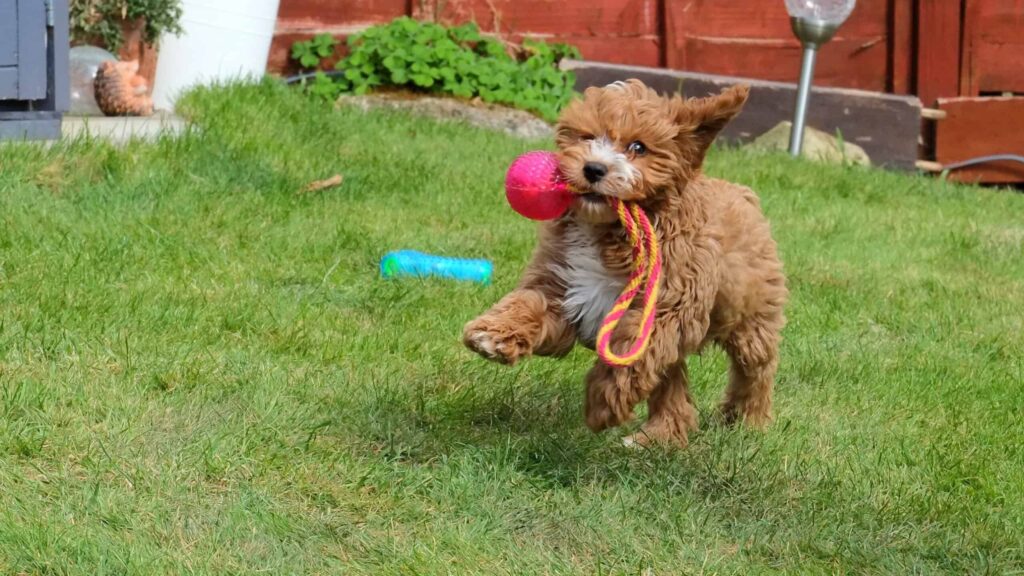
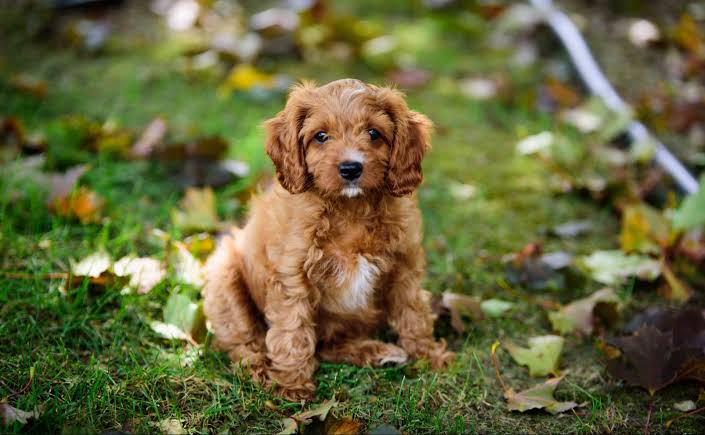
A young Cavapoo puppy, for example, may happily chase a toy around the yard without understanding that excessive heat and exercise can be dangerous.
That’s why puppy owners should supervise outdoor play carefully.
Keep sessions shorter during hot weather and provide frequent opportunities to rest and drink water.
If you’re bringing home a Cavapoo puppy, preparing your home for safe summer temperatures should be part of your overall puppy-care plan.
You can also learn more through our [Cavapoo Puppy Guide] and [Puppy Adoption Process] resources.
What Temperature Is Too Hot for Dogs?
There isn’t one temperature that is universally safe or unsafe for every dog.
Heat tolerance depends on several factors, including:
- Humidity
- Direct sunlight
- Exercise intensity
- Age
- Size
- Coat type
- Breed
- Body condition
- Existing health conditions
- Acclimation to warmer weather
Humidity is particularly important because it makes panting less effective as a cooling mechanism.
Instead of relying on one temperature number, pay attention to the overall weather conditions and your dog’s behavior.
When conditions are extreme, choose indoor activities rather than risking prolonged outdoor exposure.
Frequently Asked Questions About Dog Heatstroke
What are the first signs of heatstroke in dogs?
Early signs can include excessive panting, drooling, weakness, restlessness, abnormal gum color, and lethargy. More serious cases can involve vomiting, confusion, uncoordinated movement, collapse, or seizures.
Can dogs get heatstroke on a warm day?
Yes. Dogs can overheat even when temperatures don’t seem extreme, particularly when humidity is high, exercise is strenuous, or the dog is confined somewhere without adequate ventilation.
Can puppies get heatstroke?
Yes. Puppies can overheat, especially during energetic play or prolonged outdoor activity. Supervision, hydration, shade, and appropriate exercise are important.
Is panting always a sign of heatstroke?
No. Panting is a normal cooling mechanism for dogs.
However, excessive, rapid, or unusual panting combined with other symptoms can indicate overheating or heatstroke.
Should I use ice water if my dog has heatstroke?
Avoid relying on ice-cold water for cooling. Veterinary guidance recommends controlled cooling with cool or tepid water while seeking immediate professional care.
Can a dog recover from heatstroke?
Some dogs recover with rapid treatment, but heatstroke can cause serious internal damage and may be fatal.
Even if your dog appears better after cooling, veterinary evaluation is important when heatstroke is suspected.
How can I keep my Cavapoo cool during summer?
Keep your Cavapoo hydrated, avoid strenuous exercise during peak heat, provide shade or a cool indoor environment, and watch closely for excessive panting or other signs of overheating.
Because individual dogs tolerate heat differently, ask your veterinarian about exercise and summer-care needs specific to your puppy or adult dog.
Keep Your Dog Safe All Summer Long
Summer should be a season of adventures, not emergencies.
By providing fresh water, avoiding excessive heat and exercise, choosing cooler walking times, and recognizing the signs of dog heatstroke, you can make warm-weather activities safer for your companion.
Most importantly, never leave your dog unattended in a parked car.
If your dog shows signs of heatstroke, move them to a cooler environment, begin appropriate cooling, and contact a veterinarian immediately.
For more puppy-care resources, explore our guides on [Cavapoo puppy care], [puppy training], and [dog safety].
AKC Summer Safety Tips for Dogs
Continue Learning About Cavapoos
If you’re preparing for a new Cavapoo puppy, continue exploring our resources for practical guidance on raising a happy, healthy companion.
[Available Cavapoo Puppies]
[Cavapoo Puppies for Sale]
[Cavapoo Puppy Guide]
[Puppy Adoption Process]
[Cavapoo Health & Care]
[Cavapoo Puppies by State]
