
Cavapoo Care Guide
Best Dogs for Seniors: Could a Cavapoo Be the Right Companion?
Oct
Choosing a dog later in life can bring companionship, affection, daily routines, and opportunities to stay active. For many older adults, the right dog becomes a much-loved member of the family. However, the best companion is not necessarily the smallest dog or the breed with the calmest reputation (Best Dogs for Seniors). It is the dog whose personality, exercise requirements, grooming needs, and long-term care fit the owner’s lifestyle.
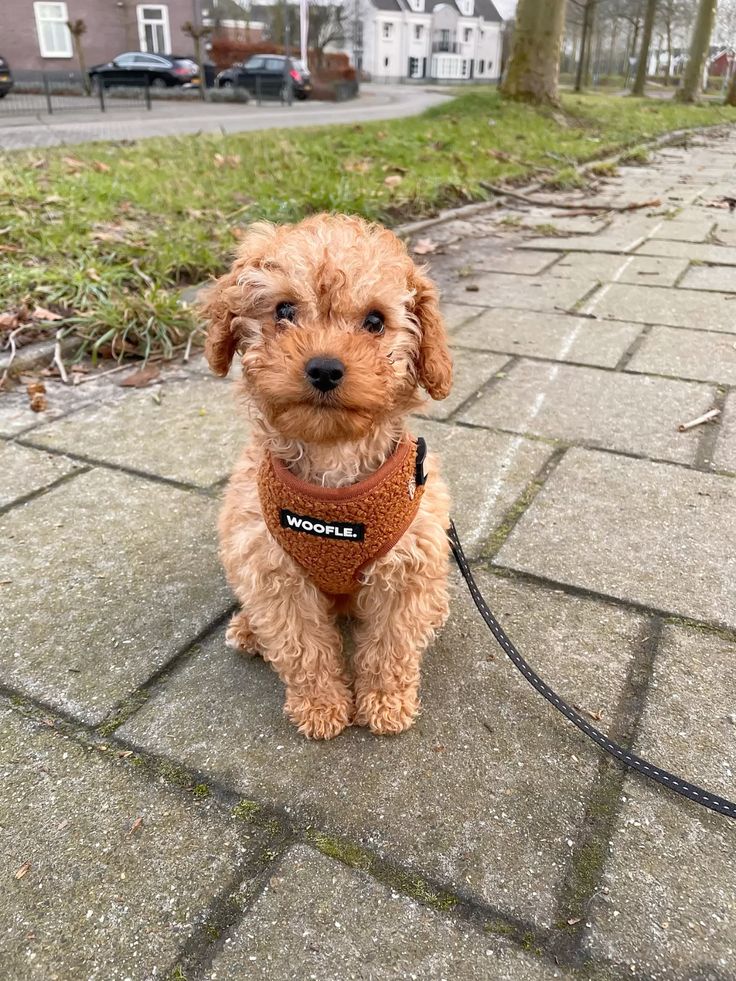
Cavapoos are one option worth considering. A cross between a Cavalier King Charles Spaniel and a Toy or Miniature Poodle, the Cavapoo is known for its people-oriented nature, intelligence, and small-to-medium size. Many enjoy relaxing beside their owners, learning simple tricks, and joining their families on gentle walks. Individual dogs can differ, though, and a Cavapoo puppy will usually require more supervision, training, and energy than a settled adult dog.
If you or an older family member is thinking about welcoming a dog, this guide explains the potential benefits of pet companionship, how Cavapoos compare with other small companion dogs, and what to consider before bringing a puppy home.
Why Dogs Can Be Wonderful Companions for Seniors
Dogs can add structure and companionship to everyday life. Feeding, walking, grooming, and playing with a pet create regular activities throughout the day. For someone who lives alone or has recently experienced a major life change, these routines can offer a welcome sense of purpose.
The Centers for Disease Control and Prevention discusses how pets can encourage physical activity and social interaction and may help reduce feelings of loneliness. The benefits depend on the person, the animal, and the circumstances, so a dog should be considered a potential source of companionship rather than a guaranteed treatment for a health condition.
1. Companionship and emotional connection
A dog provides opportunities for interaction, affection, and shared routines. Sitting with a relaxed dog, offering a favorite toy, or practicing a simple command can become a pleasant part of the day.
Cavapoos often enjoy spending time close to their people. Many like being in the same room as their family members and participating in ordinary household activities. This people-focused tendency can be appealing to an older adult who wants an affectionate companion.
However, attachment also creates responsibilities. Some Cavapoos may struggle when left alone for extended periods. Before choosing one, consider how often the owner leaves home and whether a family member, pet sitter, or trusted caregiver can help when needed.
2. Gentle physical activity
A dog can encourage an owner to get outside, move around, and follow a daily routine. Walks do not need to be long or strenuous to become an enjoyable shared activity.
A Cavapoo may suit an owner who prefers short neighborhood walks, supervised outdoor time, and indoor games rather than demanding athletic activities. Exercise needs vary by age, health, and individual temperament, so the dog’s routine should be adjusted as it grows.
For older adults who have balance concerns, limited mobility, or a medical condition affecting activity, it is sensible to discuss a suitable exercise routine with a healthcare professional. A veterinarian can also help determine the right activity level for the dog.
3. Social opportunities
Walking a dog can create natural opportunities to talk with neighbors, meet other pet owners, or visit dog-friendly community spaces. Grooming appointments and veterinary visits can also become part of a regular social routine.
A friendly dog may make introductions easier, but every dog has its own comfort level. Owners should allow their pets to approach new people gradually and avoid forcing interactions.
4. A meaningful daily routine
Dogs depend on people for meals, fresh water, exercise, training, and attention. These responsibilities create a predictable schedule that some owners find rewarding.
At the same time, a routine should remain manageable. If an older adult has fluctuating energy, mobility challenges, or frequent appointments, a support plan can help ensure that the dog’s needs are met consistently.
Is a Cavapoo a Good Dog for Seniors?
A Cavapoo may be a good companion for some older adults, particularly those who want an affectionate dog that can adapt to apartment living or a smaller home. The breed’s parent dogs contribute traits associated with companionship and trainability, but a crossbreed’s adult size, coat, energy level, and personality cannot be guaranteed from its name alone.
The most important question is not simply whether Cavapoos are good for seniors. It is whether a particular Cavapoo fits the prospective owner’s circumstances.
Potential advantages of Cavapoos
A companion-sized dog: Cavapoos are generally small to medium-sized, although adult size varies. A smaller dog may be easier to accommodate in a home with limited space, but owners should still consider whether they can safely lift, carry, or manage the dog when necessary.
People-oriented temperament: Many Cavapoos enjoy companionship and family interaction. This can make them appealing to someone who wants a dog to relax beside them and participate in everyday activities.
Trainability: Poodle ancestry can contribute intelligence and responsiveness to reward-based training. Short, positive training sessions can also provide mental stimulation for both dog and owner.
Adaptability: Some Cavapoos can thrive in apartments, houses, and other living arrangements when their exercise, enrichment, and social needs are met.
Opportunities for gentle play: Fetch with a soft toy, food puzzles, simple tricks, and short walks can provide enjoyable ways to interact without requiring strenuous exercise.
Learn more about the breed’s typical characteristics in our Cavapoo Breed Guide.
What seniors should consider before choosing a Cavapoo
Cavapoos are not automatically low-maintenance dogs. Their coats often need frequent brushing and professional grooming, and they require veterinary care, training, exercise, and daily attention.
Some also become distressed when separated from their favorite people. An older adult who spends long periods away from home should consider whether this would suit the individual dog.
Puppies require extra patience because they need house training, supervision, socialization, and help learning how to behave around people and household objects. A mature, well-assessed dog may be a more practical choice for someone who prefers a predictable routine and less intensive early training.
No dog is completely hypoallergenic. A Cavapoo may shed less than some other dogs, but coat type varies, and people with allergies can still react to a Cavapoo.
For a fuller overview of daily responsibilities, visit our Cavapoo Care Guide.
Five Companion Dog Types Seniors May Want to Consider: Best Dogs for Seniors
The right dog depends on more than breed reputation. Age, temperament, previous training, grooming requirements, and the owner’s ability to provide daily care are all important.
1. Cavapoo
Cavapoos are often affectionate, playful, and interested in being around people. They may be suitable for an older adult who wants a small companion for relaxed walks, indoor games, and time spent together at home.
Their coat requires regular maintenance, and puppies need consistent training. Some may inherit a more energetic or sensitive temperament, so prospective owners should ask about the individual dog’s behavior and needs rather than relying on general breed descriptions.
2. Shih Tzu
Shih Tzus were developed as companion dogs and are often comfortable spending time indoors with their families. Many enjoy short walks and relaxing at home.
Their long coats need regular brushing and grooming, unless kept in a shorter style. Owners should also consider their facial structure and ask a veterinarian about appropriate care, particularly in hot weather or if breathing difficulties arise.
3. Toy or Miniature Poodle
Poodles are intelligent dogs that can respond well to consistent, reward-based training. Toy and Miniature Poodles may suit owners who enjoy teaching tricks and providing mental stimulation.
Their coats require regular professional grooming and at-home maintenance. They can also be active and alert, so prospective owners should meet the individual dog and assess its energy level before deciding.
4. Yorkshire Terrier
Yorkshire Terriers are small, lively companions that can adapt to a variety of homes. Their size may be appealing where space is limited, but they still need training, exercise, social interaction, and supervision.
Their coats require ongoing maintenance, and their small bodies can be vulnerable to accidental injury. An owner should consider whether the dog might be stepped on, dropped, or injured by an unsteady household environment.
5. Cocker Spaniel
Cocker Spaniels can be affectionate companions, but they are generally larger than the other dogs listed here and may have more exercise needs than an owner expects from a small companion breed.
They need regular coat care, training, and opportunities to move and explore. A calm adult whose activity level matches the owner’s routine may be a better fit than a highly energetic puppy.
Important: These are general breed tendencies, not guarantees. Meeting an individual dog and learning about its temperament, health, and care needs is more useful than choosing based on a list alone.
Puppy or Adult Dog: Which Is Better for an Older Adult?
This is one of the most important decisions to make before bringing home a companion.
Choosing a Cavapoo puppy
A puppy can be a wonderful choice for an older adult who has the time, energy, and support to manage early development. However, puppies need frequent bathroom breaks, consistent feeding, supervision, and patient training.
They may wake during the night, chew household objects, jump up during play, and require help learning to walk politely on a leash. Their needs can be demanding, especially during the first several months.
Before choosing a puppy, consider:
- Can the owner manage regular bathroom breaks?
- Is someone available to help during illness or travel?
- Can the owner safely supervise an energetic puppy?
- Is there enough time for training and socialization?
- Can the household afford veterinary care, grooming, food, and unexpected expenses?
If the answers raise concerns, an adult dog may be worth considering.
Choosing an adult Cavapoo
An adult dog may already have some house-training experience and a more established personality. This can make it easier to assess whether the dog’s energy level, size, and behavior suit a prospective owner.
However, adult dogs still need exercise, companionship, veterinary care, and continued training. Their previous experiences may also affect how they respond to unfamiliar people, other animals, or changes in routine.
Ask for honest information about the dog’s daily habits, medical history, comfort around visitors, and ability to stay alone. Arrange a meeting whenever possible and allow enough time to evaluate compatibility.
How to Make a Home Safer for a Senior and a Cavapoo
A safe environment benefits both the owner and the dog. A few practical adjustments can reduce everyday stress and make caring for a companion easier.
Keep walkways clear
Remove loose cables, clutter, and objects that could cause someone to trip. Provide the dog with a comfortable bed in a place where people do not need to step over it.
Choose suitable walking equipment
Use a well-fitted harness and a secure leash. Train the dog to walk without pulling, and practice in quiet areas before visiting busy sidewalks or public spaces.
A dog that pulls suddenly can create a fall risk, even if it is small. If leash control is difficult, a qualified reward-based trainer can help.
Create a predictable feeding and bathroom routine
Consistent meal times and regular bathroom breaks help a dog settle into the household. Keep food, water, waste bags, cleaning supplies, and grooming tools in convenient places.
Plan for grooming
Cavapoos often need brushing several times per week, with professional grooming scheduled according to coat type and condition. Mats can become uncomfortable, so coat care should not be postponed until tangles become severe.
If bending, gripping a brush, or lifting the dog is difficult, a professional groomer may be able to handle more of the routine. Confirm that the dog is comfortable with the grooming process.
Keep essentials within reach
Store treats, a leash, waste bags, and other everyday supplies where the owner can reach them without climbing, stretching, or lifting heavy containers. Automatic feeders or water fountains may be useful for some households, but they do not replace checking the dog’s needs.
Arrange help before it is needed
Identify a trusted person who can assist with walks, feeding, transportation to veterinary appointments, or temporary care. Planning ahead is especially important for older adults who live alone.
The Financial Side of Owning a Cavapoo
A responsible decision includes budgeting for the dog’s entire life, not just the initial purchase or adoption fee.
Potential expenses include:
- Food and treats
- Routine veterinary examinations and vaccinations
- Preventive medications recommended by a veterinarian
- Grooming and coat-care supplies
- A suitable harness, leash, bed, crate, and toys
- Training classes or private training
- Pet insurance, if selected
- Boarding, pet sitting, or dog walking
- Emergency veterinary treatment
Costs vary by location, provider, the dog’s health, and the level of professional assistance required. Before committing, estimate the monthly expenses and set aside an emergency reserve where possible.
Older adults on a fixed income may also want to identify low-cost veterinary services, local pet support programs, and reliable family assistance before choosing a dog.
Health, Hygiene, and Veterinary Care
A pet can bring enjoyment, but animal care should include sensible hygiene and preventive veterinary attention.
The CDC notes that adults aged 65 and older have a greater risk of becoming ill from certain germs that animals may carry. This does not mean seniors should avoid pets. Instead, it highlights the value of routine veterinary care and everyday precautions.
Wash your hands after handling pet waste, cleaning up accidents, or preparing pet food. Keep food and water bowls clean, clean up waste promptly, and ask a veterinarian about vaccinations, parasite prevention, dental care, and any health concerns relevant to the dog.
If the owner has a weakened immune system or other health concerns, discussing pet ownership with a healthcare professional may help identify sensible precautions.
For the dog, routine veterinary appointments are important for monitoring weight, dental health, skin and coat condition, mobility, and any changes in behavior. Contact a veterinarian if the dog develops new symptoms or seems uncomfortable.
Finding a Cavapoo That Fits Your Lifestyle
If you are considering a Cavapoo, take time to evaluate the puppy or adult dog rather than choosing based on appearance alone.
Look for clear information about the dog’s age, current care routine, temperament, and known health history. Ask what veterinary records are available, what support is provided after placement, and what happens if you have questions after bringing the dog home.
Be cautious of pressure to make an immediate payment, unclear terms, or reluctance to answer reasonable questions. Confirm the seller’s identity and the details of any delivery arrangements before making a decision.
Atlantic Cavapoo Puppies provides information for people exploring Cavapoo puppies and the process of bringing one home. Start with Available Cavapoo Puppies and review the Cavapoo Adoption Process before deciding whether a puppy fits your household.
People searching for Cavapoo Puppies For Sale Near Me should compare care requirements and ask practical questions, even when considering a puppy from a seller that offers delivery.
Likewise, people researching Cavapoo Puppies For Sale In Tennessee, Cavapoo Puppies For Sale In Ohio, or Cavapoo Puppies For Sale In Florida should confirm the specific puppy’s availability, travel arrangements, and documentation before committing.
A responsible choice means making sure the dog’s needs and the owner’s circumstances are a good match, regardless of location.
Questions to Ask Before Bringing a Dog Home
Before choosing a Cavapoo or another companion dog, consider asking:
- What is the dog’s current age, temperament, and daily routine?
- How much exercise does this individual dog need?
- What grooming schedule will be necessary?
- What veterinary records are available?
- What food is the dog currently eating?
- How does the dog respond to being left alone?
- Has the dog had experience around older adults or people with mobility aids?
- What training has already been started?
- What support is available if the dog has difficulty settling in?
- Who can care for the dog if the owner becomes ill or needs to travel?
For more preparation, use our Cavapoo Buying Guide and Frequently Asked Questions.
Frequently Asked Questions
Are Cavapoos good dogs for seniors?
Many Cavapoos are affectionate, people-oriented companions and may suit older adults who can provide daily care, exercise, training, and grooming. The best fit depends on the individual dog’s temperament and the owner’s lifestyle.
Are Cavapoos low-energy dogs?
Cavapoos generally need regular activity and mental stimulation, although their energy levels vary. Some enjoy short walks and indoor play, while others need more exercise. Do not assume that every Cavapoo will be content with a sedentary routine.
Is a Cavapoo puppy or an adult dog better for a senior?
An adult dog may be easier to assess for temperament and may already have some training. A puppy requires more frequent supervision, bathroom breaks, socialization, and training. The better option depends on the owner’s available time, mobility, and support network.
Do Cavapoos shed?
Shedding varies according to the coat a Cavapoo inherits. Some shed relatively little, while others shed more. All coats require appropriate maintenance, and no dog is guaranteed to be allergy-free.
How often does a Cavapoo need grooming?
Many Cavapoos need brushing several times a week and professional grooming on a regular schedule. The exact frequency depends on coat texture, length, and how quickly the coat tangles.
Can a Cavapoo live in an apartment?
Yes, many Cavapoos can adapt to apartment living when they receive appropriate exercise, training, enrichment, and bathroom opportunities. Owners should also consider noise, building rules, nearby walking areas, and how long the dog will be alone.
Can an older adult care for a puppy alone?
Some can, but it is important to consider the demands of house training, night waking, supervision, and veterinary visits. Having a dependable support person can make the process more manageable.
What if a senior has limited mobility?
Consider a dog whose activity level and handling needs match the owner’s abilities. Arrange help with walks, grooming, and transportation when necessary. A veterinarian or qualified trainer can offer advice about a safe routine.
Are small dogs always easier to handle?
No. Small dogs can still pull on a leash, jump, bark, or move quickly underfoot. Training and temperament matter as much as size.
Do pets guarantee better health or less loneliness?
No. Pets may offer companionship and encourage activity, but benefits differ from person to person. Pet ownership also brings responsibilities, costs, and potential health considerations.
What should seniors budget for when getting a Cavapoo?
Budget for food, veterinary care, grooming, supplies, training, preventive care, and possible pet sitting. Unexpected veterinary costs can be significant, so planning for emergencies is important.
Where can I learn more about choosing a Cavapoo?
Start with the Cavapoo Breed Guide, Cavapoo Care Guide, and Cavapoo Buying Guide. These resources can help you evaluate the breed’s needs before making a decision.
Final Thoughts: Choose the Right Companion, Not Just a Breed
A dog can bring affection, routine, and enjoyable shared experiences to an older adult’s life. Cavapoos may be a wonderful match for seniors who want a companion-oriented dog and are prepared for regular grooming, training, exercise, and veterinary care.
The best decision comes from matching an individual dog’s needs to the owner’s daily life, budget, mobility, and available support. Take time to ask questions, meet the dog when possible, and plan for long-term care before making a commitment.
If a Cavapoo sounds like a good fit, explore the available puppies and learn about the process before taking the next step.
Continue Learning About Cavapoos
- Available Cavapoo Puppies
- Cavapoo Breed Guide
- Cavapoo Care Guide
- Cavapoo Buying Guide
- Cavapoo Puppies by State
- How to Train a Cavapoo Puppy
- Puppy Buying Checklist
- Questions to Ask Before Buying a Cavapoo Puppy
- Health Guarantee
- Shipping & Delivery
- Adoption Process
- Frequently Asked Questions
