Cavapoo Care Guide, Full Grown Cavapoo Guide
Prepping Your Pup for the Back-to-School Blues
Aug
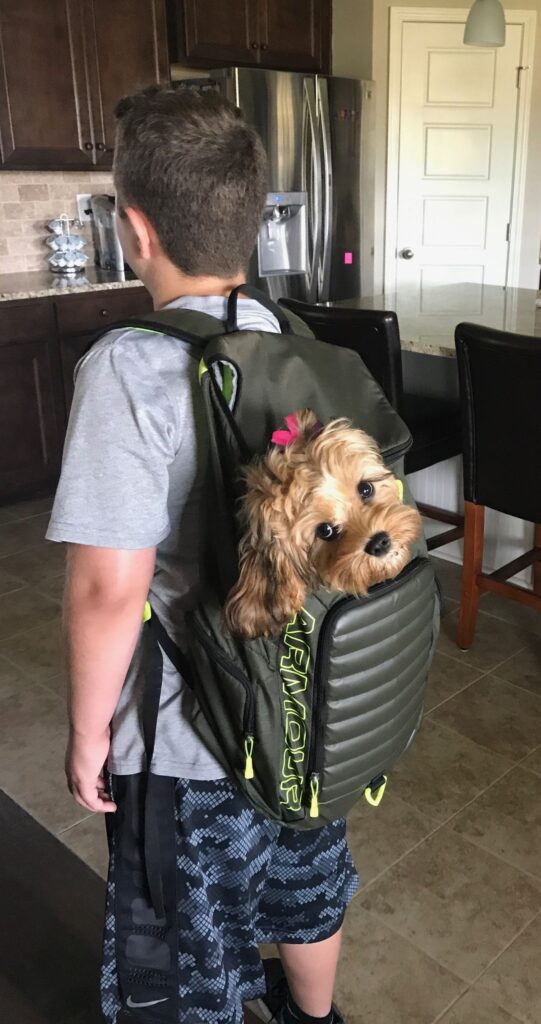
When summer comes to an end, families often return to a much busier schedule (back-to-school dog routine).
Early mornings replace relaxed wake-up times. School, work, sports, activities, and homework can change the rhythm of the entire household.
Your dog notices these changes too.
A puppy that enjoyed having everyone home all summer may suddenly spend more time alone. This can lead to boredom, confusion, stress, or separation-related behaviors.
Fortunately, you can help your puppy adjust before the school year begins.
The key is to introduce changes gradually and maintain a predictable routine.
Why Back-to-School Changes Can Affect Dogs
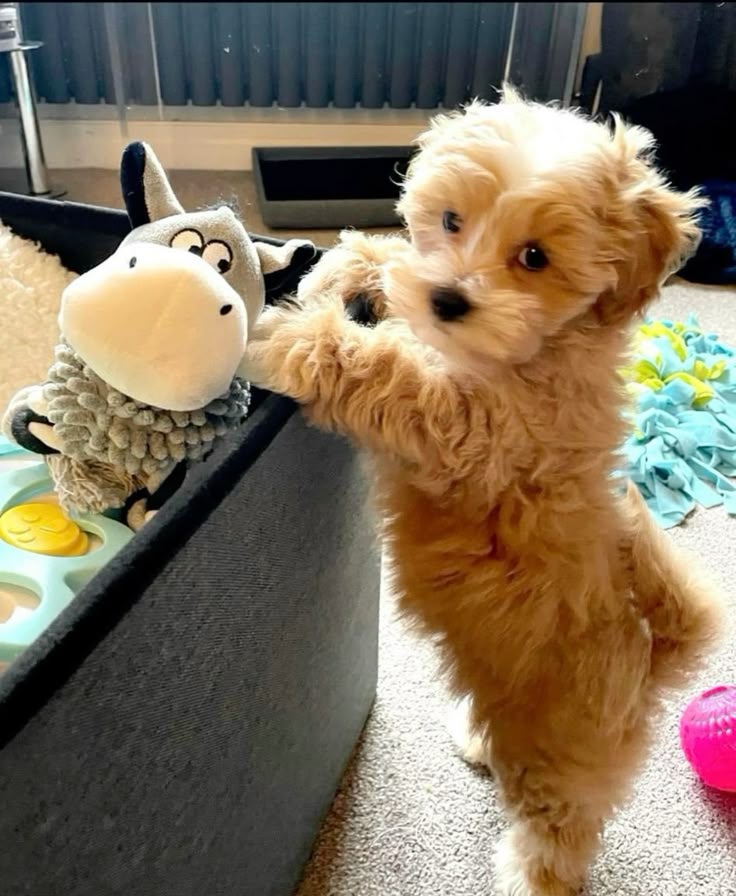
Dogs often thrive when they know what to expect.
During summer, your puppy may become accustomed to having someone around throughout much of the day. Suddenly, the house becomes quiet for several hours.
That change can be difficult for some dogs.
Signs that your dog may be struggling can include excessive barking, destructive chewing, pacing, house-soiling, drooling, or attempts to escape.
These behaviors can sometimes indicate separation anxiety rather than simple boredom. The American Kennel Club recommends veterinary or behavioral guidance when a dog shows significant distress when left alone (back to school dog anxiety).
For that reason, it is better to prepare your puppy before the school schedule changes.
Start a Back-to-School Dog Routine Gradually
One of the best ways to prepare your puppy is to introduce the new schedule gradually.
If everyone has been sleeping late all summer, start moving bedtime and wake-up time closer to the school-year schedule.
Likewise, begin creating short periods when your puppy stays comfortably alone.
Do not suddenly leave your puppy alone for several hours if they have never experienced that before.
The American Kennel Club recommends gradually increasing alone time rather than expecting a puppy to immediately handle long periods alone (puppy separation anxiety).
Think of it as training for independence.
Start with a short absence.
Return calmly.
Then gradually increase the duration as your puppy becomes comfortable.
Maintain Your Puppy’s Daily Routine
School schedules can become hectic, but try to keep your puppy’s basic routine consistent.
Regular meal times, potty breaks, walks, playtime, and bedtime can give your dog a sense of predictability.
Your schedule does not need to be perfect.
Consistency matters more than creating an elaborate routine.
A simple schedule might include:
Morning: Potty break, breakfast, short walk, and playtime.
Midday: Potty break, enrichment, or a dog walker if necessary.
Afternoon: Rest and quiet time.
Evening: Walk, training, play, dinner, and family time.
Night: Calm routine and bedtime.
If you are bringing home a new Cavapoo, establishing predictable routines from the beginning can make puppy life easier (dog routine changes).
You can explore our Cavapoo puppies for sale when you’re ready to learn more about welcoming a Cavapoo into your family.
Spend Quality Time With Your Puppy Before School
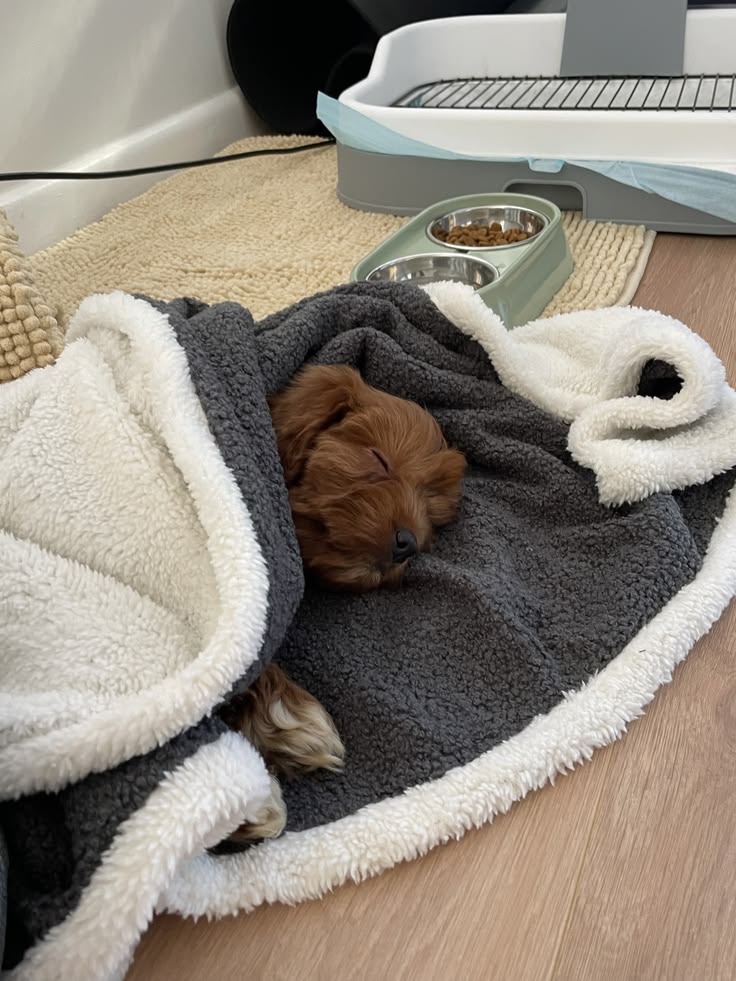
Mornings may become busier once school begins.
That does not mean your puppy should lose their quality time with the family.
Give your dog some focused attention before everyone leaves.
A short walk, gentle play session, training exercise, or cuddle can provide valuable interaction.
You do not need to spend hours entertaining your puppy.
Even 10 or 15 minutes of meaningful interaction can become an important part of the morning routine.
Try to avoid turning the morning into a frantic rush.
Prepare backpacks, lunches, shoes, and other school supplies the night before when possible.
A calmer household can make departures easier for everyone (dog home alone).
Give Your Dog Interactive Toys
When your puppy is alone, boredom can become a problem.
Interactive toys can provide mental stimulation while your family is away.
Consider options such as:
- Puzzle feeders
- Treat-dispensing toys
- Food-stuffed enrichment toys
- Snuffle mats
- Safe chew toys
- Age-appropriate interactive games
Choose products that are appropriate for your dog’s size, age, and chewing habits.
Always supervise your puppy with a new toy before deciding whether it is safe to leave them alone with it.
Mental enrichment can be particularly helpful because training and puzzle activities provide your dog with something productive to focus on.
The AKC also recommends interactive toys and food puzzles as ways to keep dogs occupied during periods alone (back-to-school dog routine).
Create a Comfortable Puppy Retreat
Your puppy should have a designated place where they can relax.
This could be a crate, puppy-safe room, playpen, or comfortable bed in a quiet part of your home.
Add familiar bedding and safe toys.
Some dogs also enjoy being able to look through a window.
However, every dog is different.
If watching people, cars, or animals outside makes your dog bark constantly, move their resting area away from the window.
The goal is to create a space that encourages relaxation.
Can Your Scent Comfort Your Dog?
Some dogs find familiar smells comforting.
Leaving a safe item carrying your scent may provide familiarity while you are away.
However, avoid leaving clothing or objects that your puppy may chew apart or swallow.
A sock may smell like you, but it can also become a choking or intestinal obstruction hazard.
Choose safety over sentimentality.
If your puppy is an enthusiastic chewer, keep personal belongings securely out of reach.
Be Careful With Essential Oils and Dog Aromatherapy
The original article recommends using essential oils such as bergamot, tangerine, and lavender around pets.
I would not keep that recommendation in the published version.
Essential oils require caution around animals. The ASPCA notes that concentrated essential oils can be harmful to pets and recommends avoiding direct application to pets. Diffusers should also be kept inaccessible, and extra caution is appropriate for pets with respiratory problems.
Some specific oils can also be toxic if ingested. For example, the ASPCA lists bergamot orange as toxic to dogs because of its essential oils and psoralens.
Instead of relying on aromatherapy, focus on safer forms of comfort:
- Familiar bedding
- A quiet resting area
- Appropriate enrichment
- Predictable routines
- Calm background sounds
- Positive training
- Regular exercise
Your puppy does not need scented products to feel secure.
Try Background Music or Calm Sounds
A completely silent house can feel different from the busy environment your puppy experienced during summer.
Some dogs may benefit from gentle background noise.
You could leave low-volume music, a television program, or another familiar sound playing.
The goal is not to make the house loud.
It is simply to create a calm and familiar environment.
The AKC also recommends background television or radio as one possible strategy for making alone time more comfortable.
Use Training and Enrichment to Fight Boredom
Training is more than a way to teach commands.
It gives your puppy an opportunity to use their brain.
Short sessions can include:
- Sit
- Stay
- Down
- Come
- Leave it
- Place
- Name recognition
- Simple tricks
Keep sessions positive and age-appropriate.
You can also incorporate games such as supervised fetch, hide-and-seek, scent games, or food puzzles.
Exercise and mental stimulation can help your dog settle more comfortably when you leave.
However, exercise alone does not cure true separation anxiety. Dogs showing significant distress may require a structured behavioral plan with professional guidance.
Give Your Puppy Enough Exercise
A puppy with unused energy may have a harder time settling down.
Before leaving for school or work, provide age-appropriate physical activity.
This could include a short walk, play session, or training activity.
Avoid trying to exhaust your puppy with excessive exercise.
Puppies have developing bodies and need plenty of rest.
Your veterinarian can help determine appropriate exercise levels based on your puppy’s age, breed, and health.
Consider a Dog Walker or Pet Sitter
If your puppy will be alone for a significant portion of the school day, consider arranging a midday visit.
A trusted dog walker or pet sitter can provide:
- A potty break
- Exercise
- Human interaction
- Mental stimulation
- Fresh water checks
- A break from being alone
This can be especially useful for young puppies who cannot comfortably wait as long between potty breaks.
The AKC notes that owners who are away for long periods may need a dog walker, neighbor, or other arrangement to provide their dog with appropriate breaks.
Choose someone experienced with puppies and verify that they are trustworthy before giving them access to your home.
Keep Departures Calm
Your departure routine can influence how your puppy responds to being alone.
Avoid turning every goodbye into an emotional event.
You do not need to sneak away.
Instead, keep departures calm and predictable.
Give your puppy a safe activity, such as an appropriate food puzzle, then leave without creating unnecessary excitement.
The same principle applies when you return.
Greet your dog warmly, but avoid making your arrival an overwhelming event.
Calm departures and returns can help make leaving and coming home feel like normal parts of the day (back to school dog anxiety).
Do Not Punish Separation-Related Behavior
If you return home to find that your puppy has chewed something or had an accident, punishment is not the answer.
Your puppy may not understand why they are being punished after the event.
More importantly, destructive behavior, excessive barking, pacing, or escape attempts can be signs of significant stress.
The AKC specifically advises against punishing dogs experiencing separation anxiety because these behaviors are distress responses rather than spite or disobedience.
Instead, identify what happened and adjust your management plan.
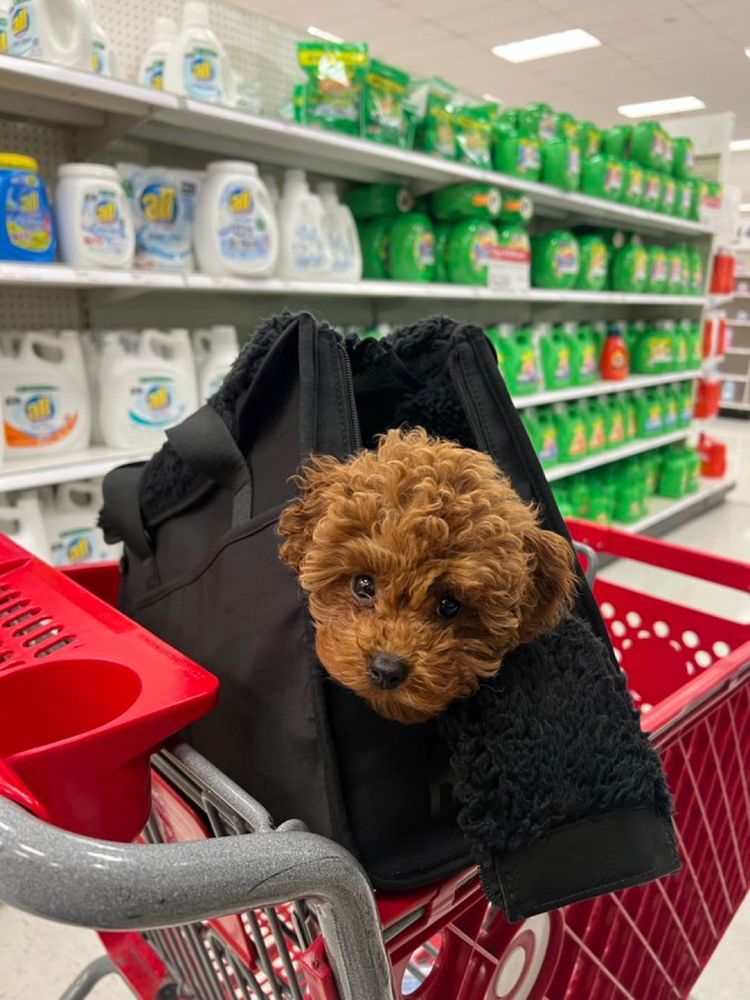
Watch for Signs of Separation Anxiety
Some barking or mild whining does not automatically mean your dog has separation anxiety.
True separation anxiety involves significant distress associated with being separated from the owner.
Potential warning signs include:
- Persistent barking or howling
- Destructive behavior
- Pacing
- Excessive panting or drooling
- Attempts to escape
- Scratching doors or windows
- House-soiling despite being reliably trained
- Extreme distress when departure cues appear
If these behaviors occur consistently when your dog is left alone, speak with your veterinarian.
A veterinary behaviorist or qualified behavior professional may also be appropriate.
The AKC recommends professional support for dogs experiencing significant separation-related distress (puppy separation anxiety).
Make the Transition Easier for the Whole Family
Back-to-school preparation should include your puppy.
Before the first day arrives, practice the new routine.
Wake up earlier.
Adjust breakfast times.
Practice leaving.
Introduce alone time gradually.
Prepare enrichment activities.
Arrange midday care if necessary.
Then maintain the routine once school starts.
Small changes made ahead of time can be much easier for your puppy than one dramatic change overnight (dog routine changes).
A Simple Back-to-School Puppy Checklist
Before the new school year begins, make sure your puppy has:
- A consistent feeding schedule
- A predictable potty routine
- Appropriate daily exercise
- Safe interactive toys
- A comfortable resting area
- Fresh water
- Puppy-proofed surroundings
- Identification information
- A plan for midday potty breaks
- A trusted dog walker or sitter if needed
- A gradual alone-time training plan
- Veterinary support if concerning behavior develops
This preparation can help your puppy adjust while keeping the family schedule manageable (dog home alone).
Helping Your Puppy Feel Safe When School Starts
The return to school does not have to mean loneliness for your puppy.
With gradual preparation, consistent routines, appropriate enrichment, exercise, and plenty of positive interaction, many dogs can adjust to the new schedule.
Remember that every puppy is different.
Some dogs quickly settle into their new routine. Others need more time and additional support.
Pay attention to your puppy’s behavior and make adjustments when necessary.
If your dog’s behavior changes significantly or you suspect separation anxiety, consult your veterinarian rather than trying to solve severe anxiety alone.
For additional puppy-care information, visit our Cavapoo puppy care and resources section.
And when you’re ready to meet your next family companion, explore our available Cavapoo puppies.
Helpful External Resources
For additional guidance on helping dogs adjust to being alone, the American Kennel Club’s separation anxiety guide explains gradual alone-time training, enrichment, exercise, and when professional help may be needed.
The ASPCA’s essential-oil safety guidance is also useful if you are considering scented products around your puppy.
About Atlantic Cavapoo Puppies Home
Atlantic Cavapoo Puppies Home is committed to helping families prepare for responsible puppy ownership.
From puppy preparation and training to grooming, nutrition, health, and everyday care, our resources are designed to help families understand what their dogs need at every stage.
A successful transition back to school starts with preparation.
With patience, consistency, and plenty of love, your puppy can learn that school days are simply another part of the family’s routine.
Angela B.
Angela Butterfield is a seasoned writer, lifestyle blogger, and lifelong dog lover who has raised everything from lovable mixed breeds to polished purebreds. At Atlantic Cavapoo Puppies Home, she shares practical tips about puppy preparation, daily care, training, grooming, seasonal activities, and the everyday joys of life with a four-legged companion.
