
Cavapoo Care Guide
5 Ways to Prevent Obesity in Dogs: A Healthy Weight Guide for Cavapoos
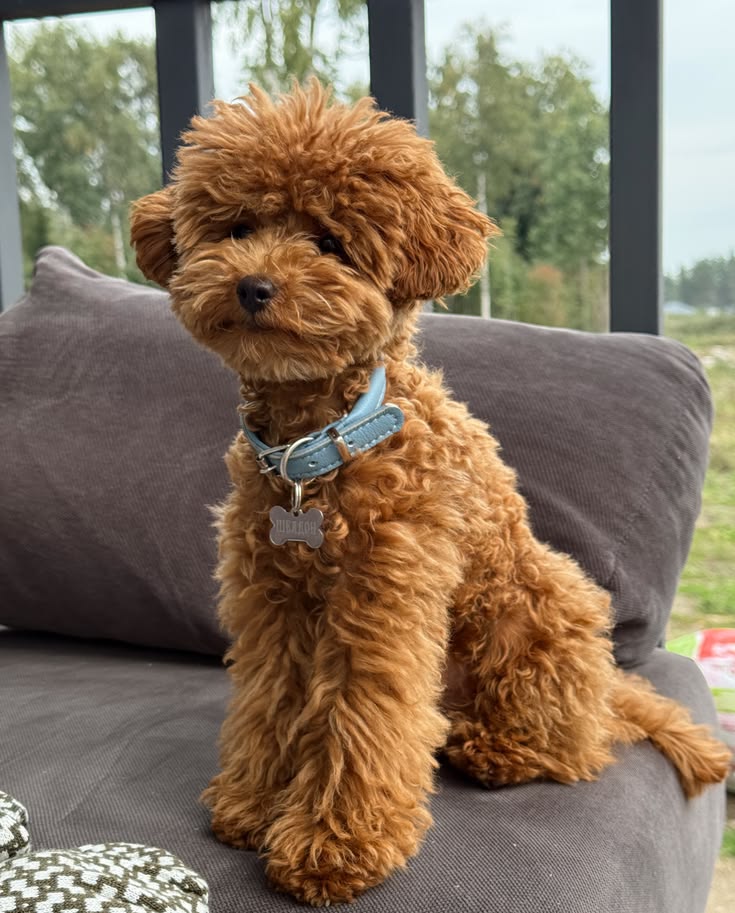
Oct
Keeping your dog at a healthy weight is one of the most important ways to support its long-term health and quality of life. Extra weight can put additional strain on the joints, make exercise more difficult, and increase the risk of certain health problems. Fortunately, many everyday habits can help prevent obesity in dogs before it becomes a concern.
Cavapoos are affectionate, intelligent companion dogs that often enjoy spending time with their families. Because they can be small and appealing, it is easy to offer extra treats or overlook how quickly small portions add up. A few additional snacks may seem harmless, but consistent overfeeding combined with insufficient activity can gradually lead to weight gain.
Whether you have a growing Cavapoo puppy or an adult dog, the goal is to provide balanced nutrition, appropriate activity, and regular veterinary care. Here are five practical ways to help your Cavapoo maintain a healthy weight throughout life.
Prevent Obesity in Dogs
1. Learn Your Cavapoo’s Healthy Weight and Body Condition
The first step in preventing obesity in dogs is understanding what a healthy body looks like for your individual pet. There is no single ideal weight for every Cavapoo because adult size can vary depending on genetics, parent size, age, and body composition.
Instead of relying on a number you find online, ask your veterinarian to assess your dog’s body condition and recommend an appropriate weight range.
How can you tell if your Cavapoo is overweight?
A simple at-home body check can help you notice changes between veterinary visits.
- Feel the ribs: You should generally be able to feel your dog’s ribs beneath a light covering of fat without pressing firmly.
- Look from above: Your dog should usually have a visible waist behind the ribs.
- Look from the side: The abdomen should generally tuck upward toward the hind legs rather than hang straight down.
- Monitor changes: A gradually disappearing waistline or ribs that become difficult to feel may indicate that your dog is gaining excess fat.
These observations are helpful screening tools, not a substitute for a veterinary assessment. Body condition scoring considers several physical features together and is more useful than weight alone.
Puppies need special attention because they are still growing. Do not try to make a growing puppy lose weight by restricting food without veterinary guidance. Puppies need sufficient energy and essential nutrients for healthy development.
For more information about the breed’s growth, characteristics, and care needs, explore our Cavapoo Breed Guide.
2. Provide Regular Exercise and Daily Activity
Exercise helps dogs use energy, maintain muscle, support mobility, and stay mentally engaged. It is also an opportunity for owners to build a stronger bond with their pets.
Cavapoos often enjoy walks, games, and interactive activities with their families. However, exercise needs vary with age, health, fitness, and individual temperament. A young, energetic adult may need more activity than a senior dog or a puppy that is still developing.
Build a routine that suits your dog
Consider these practical activities:
- Daily walks: Choose a suitable route and pace, gradually building activity according to your dog’s fitness.
- Indoor play: Use soft toys for short games of fetch or gentle interactive play when the weather is poor.
- Food puzzles: Encourage your dog to work for part of its normal meal rather than adding extra calories.
- Training sessions: Practice basic cues such as sit, stay, come, and leave it. Training provides mental stimulation and can be rewarding without relying on frequent treats.
- Supervised exploration: Allow your dog to sniff and explore safe areas at a comfortable pace.
Start gradually if your dog has been inactive. Overweight dogs, puppies, senior dogs, and dogs with existing medical conditions may need modified activity. Ask your veterinarian before beginning a more demanding exercise routine.
Avoid assuming that every Cavapoo needs the same number of minutes of exercise each day. The best routine is one that meets your dog’s needs without causing excessive fatigue, pain, or breathing difficulty.
For additional ideas, visit our Cavapoo Care Guide.
3. Work With Your Veterinarian on Nutrition and Preventive Care
Your veterinarian is an important partner in maintaining your dog’s healthy weight. Regular wellness examinations provide opportunities to assess body condition, review food portions, and identify changes that may require attention.
If your Cavapoo is gaining weight despite a consistent routine, arrange an appointment rather than immediately making major changes to its diet. Your veterinarian can review the dog’s food, treats, activity, medications, and medical history. They can also determine whether an underlying health issue could be contributing to weight changes.
Ask your veterinarian these questions
- What is an appropriate weight and body condition for my dog?
- How many calories should my dog receive each day?
- Is the current food suitable for my dog’s age and life stage?
- How much exercise is appropriate?
- How often should I check my dog’s weight?
- Should we adjust food portions or consider a veterinary weight-management diet?
Do not simply cut a large amount of food from your dog’s regular meals. Depending on the food and the amount removed, this could also reduce the nutrients your dog receives. A veterinarian can recommend a balanced feeding plan that meets your pet’s nutritional needs.
Growing Cavapoo puppies require particular care because their nutritional needs differ from those of adult dogs. Choose food appropriate for the puppy’s life stage and follow professional guidance on feeding amounts.
The American Veterinary Medical Association provides helpful information on pet health and preventive care. Regular veterinary guidance can help you identify concerns before they become harder to manage.
4. Measure Meals and Keep Treats Under Control
Portion control is one of the most effective habits for preventing obesity in dogs. Even nutritious food can contribute to weight gain when a dog consistently consumes more calories than it uses.
Feeding instructions on a pet food package are a useful starting point, but they may need adjustment based on your dog’s age, activity level, body condition, and individual metabolism.
Establish a consistent feeding schedule
Measure your Cavapoo’s meals instead of estimating portions by eye. For greater consistency, a kitchen scale can be useful when measuring dry food by weight.
Follow a routine that suits your dog’s age and needs, and avoid leaving unlimited food available throughout the day unless your veterinarian has recommended a particular feeding approach.
If several family members feed the dog, make sure everyone knows the daily allowance. Otherwise, several small treats or extra servings can add up without anyone realizing it.
Be mindful of treats and table scraps
Treats are useful for training and rewarding good behavior, but they should account for only a small portion of the dog’s daily calories. Veterinary guidance commonly recommends keeping treats and other extras to no more than about 10% of daily calorie intake, with the remainder coming from a complete and balanced diet.
Try these strategies:
- Break larger treats into smaller pieces.
- Count training rewards as part of the daily food allowance.
- Avoid regularly feeding calorie-dense table scraps.
- Use part of your dog’s measured meal as training rewards.
- Check treat labels and compare calorie content.
- Offer attention, praise, play, or affection instead of food every time your dog asks for something.
Some dogs beg out of habit, boredom, or a desire for attention rather than because they need additional food. Try a short walk, a play session, or a food puzzle using part of the normal meal.
Certain fruits and vegetables may be suitable occasional snacks, but not every human food is safe for dogs. Ask your veterinarian which options are appropriate, introduce new foods carefully, and avoid toxic ingredients such as grapes, raisins, onions, and garlic.
If your dog already needs to lose weight, seek a veterinary plan before making significant dietary changes. Specialized diets and calorie targets may be appropriate for some dogs, but the right approach depends on the individual animal.
5. Monitor Weight and Adjust the Routine Early
Preventing obesity is easier when you notice gradual changes before a dog becomes significantly overweight. Regular monitoring helps you determine whether feeding and exercise habits are working.
Ask your veterinarian how often your Cavapoo should be weighed. The appropriate frequency depends on age, health, and whether the dog is maintaining weight or following a supervised weight-management plan.
Keep a simple weight record
Record the following information:
| What to track | Why it helps |
|---|---|
| Date and body weight | Shows changes over time |
| Food type and measured portion | Helps identify feeding changes |
| Treats and extras | Reveals additional calorie sources |
| Exercise and activity | Helps track routine consistency |
| Body shape and waistline | Supports assessment alongside weight |
| Veterinary recommendations | Keeps the plan consistent |
Use the same scale when possible, and record changes rather than reacting to a single measurement. Small fluctuations can occur, but a consistent upward trend deserves attention.
If your dog is overweight, do not follow a universal target such as losing a fixed number of pounds each month. A safe rate of weight loss depends on the dog’s starting weight, health, and veterinary plan. Your veterinarian can set a realistic goal and monitor progress.
If weight continues to increase despite consistent portions and activity, or if you notice unexplained weight changes, unusual thirst, reduced energy, or difficulty exercising, contact your veterinarian.
The aim is not simply to make a dog lighter. It is to maintain a healthy body condition while preserving muscle, meeting nutritional needs, and supporting an enjoyable daily life.
Why a Healthy Weight Matters for Cavapoos
Maintaining a suitable weight can help reduce unnecessary strain on a dog’s joints and support comfortable movement. It may also help lower the risk of health complications associated with excess body fat.
A healthy-weight routine is not about making a Cavapoo look a particular way. It is about giving the dog the best opportunity to remain active, comfortable, and able to enjoy everyday experiences.
Owners can make a meaningful difference by combining measured meals, appropriate exercise, regular veterinary examinations, and consistent monitoring. These habits are especially useful when introduced early in a puppy’s life and maintained as the dog grows.
If you are preparing to bring a Cavapoo home, consider its long-term nutritional and exercise needs before making your decision. Our Cavapoo Buying Guide explains important considerations for prospective owners.
People researching Cavapoo Puppies For Sale Near Me should evaluate not only a puppy’s appearance and availability but also the time, budget, and commitment needed to provide lifelong care.
Families looking for Cavapoo Puppies For Sale In Tennessee, Cavapoo Puppies For Sale In Ohio, or Cavapoo Puppies For Sale In Florida should also plan for regular feeding, exercise, grooming, and veterinary care after bringing a puppy home.
Frequently Asked Questions About Preventing Obesity in Dogs
How can I prevent obesity in my Cavapoo?
Measure meals, limit extra calories from treats, provide age-appropriate activity, schedule regular veterinary checkups, and monitor body condition. Your veterinarian can help establish a suitable weight goal and feeding plan.
How do I know if my Cavapoo is overweight?
You may notice that the waist is less visible, the ribs are harder to feel, or the abdomen no longer tucks upward behind the ribs. These signs warrant a veterinary body-condition assessment rather than a diagnosis based on appearance alone.
How much should I feed my Cavapoo?
The correct amount depends on age, body size, food calorie content, activity level, and health. Follow the food label as a starting point and ask your veterinarian to help determine an appropriate daily amount.
Are treats bad for Cavapoos?
No. Treats can be useful for training and enrichment when offered in appropriate quantities. However, frequent or large treats can add substantial calories, so include them in the dog’s daily allowance.
Is walking enough exercise for a Cavapoo?
Walking is often an important part of a Cavapoo’s routine, but some dogs also benefit from play, training, and other enrichment. Exercise should be adapted to the dog’s age, fitness, and health.
Can I help my overweight dog lose weight by feeding less?
Major reductions in food can leave a dog short of essential nutrients. If your dog is overweight, ask your veterinarian to recommend a safe feeding plan and appropriate weight-loss goal.
How often should I weigh my dog?
Ask your veterinarian to recommend a schedule based on your dog’s age, health, and weight-management needs. More frequent monitoring may be appropriate during a supervised weight-loss program.
Can Cavapoo puppies become overweight?
Yes. Puppies can gain excess weight if their energy intake consistently exceeds their needs. At the same time, growing puppies need sufficient nutrition for development, so their feeding plan should be based on life stage and veterinary advice.
What if my dog is always hungry?
Begging does not always mean a dog needs more food. Review portion sizes, meal routines, treats, and enrichment with your veterinarian before increasing the amount you feed.
Final Thoughts
Preventing obesity in dogs starts with everyday decisions. Know your Cavapoo’s appropriate body condition, provide suitable exercise, follow veterinary nutrition advice, measure food portions, and track changes over time.
You do not need a complicated plan to build healthier habits. Consistency, professional guidance, and attention to your dog’s individual needs are the most important ingredients.
Continue Learning About Cavapoos
- Available Cavapoo Puppies
- Cavapoo Breed Guide
- Cavapoo Care Guide
- Cavapoo Buying Guide
- Cavapoo Puppies by State
- How to Train a Cavapoo Puppy
- Puppy Buying Checklist
- Questions to Ask Before Buying a Cavapoo Puppy
- Health Guarantee
- Shipping & Delivery
- Adoption Process
- Frequently Asked Questions
