
Cavapoo Care Guide
Cavapoo Coat Care: Brushing, Bathing and Grooming Tips
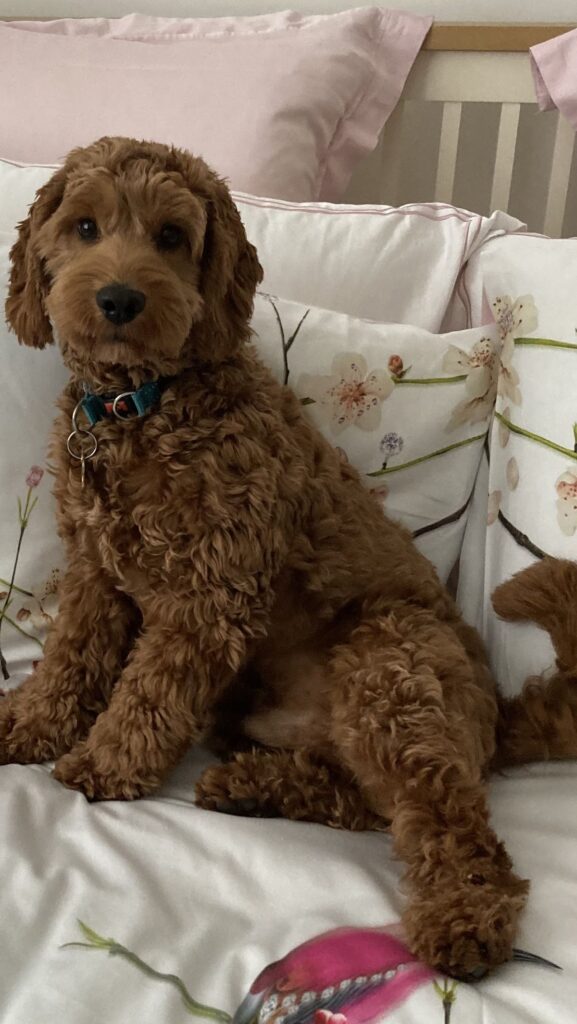
Oct
A Cavapoo’s coat can be one of its most appealing features, but keeping it comfortable and manageable takes regular care (Cavapoo Coat Care). Some Cavapoos have soft, wavy coats, others develop tighter curls, and some inherit a straighter coat. Their grooming needs can vary just as much as their appearance.
Cavapoos are a cross between a Cavalier King Charles Spaniel and a Poodle. Because puppies inherit different combinations of traits from their parents, you cannot reliably predict every aspect of an adult Cavapoo’s coat from its appearance as a young puppy. Coat texture, length, density, and shedding can differ, even among puppies from the same litter.
Whether you prefer a longer, fluffy look or a shorter, practical trim, the goal is to keep your Cavapoo’s coat clean, free from painful tangles, and comfortable against the skin. This guide explains how to care for different Cavapoo coat types and establish a grooming routine that suits your puppy.
1. Understanding Different Cavapoo Coat Types
Cavapoos do not all have one standard coat type. Their appearance depends on inherited characteristics, and their coats may change as they mature from puppyhood into adulthood.
Wavy coats
A wavy Cavapoo coat may have a soft, flowing appearance with gentle bends rather than tight curls. Depending on its length and texture, it can still develop tangles, especially behind the ears, beneath the collar, around the legs, and under the tail.
Regular brushing helps prevent small tangles from developing into mats. Longer wavy coats generally require more maintenance than short, professionally trimmed coats.
Curly coats
Some Cavapoos inherit a curlier coat associated with their Poodle parentage. Curly hair can trap loose hair within the coat, and curls may tangle or mat close to the skin if brushing is inconsistent.
A curly coat often benefits from careful brushing and combing in sections. Pay particular attention to areas where friction occurs, such as the armpits, behind the ears, and around the harness.
Straighter or looser coats
Other Cavapoos have coats that are straighter or less tightly curled. These may be easier to brush in some circumstances, but they are not maintenance-free. Longer hair can still collect dirt and become tangled, particularly after outdoor play.
Regardless of coat type, avoid assuming that a particular texture guarantees low shedding or allergy-friendly qualities. Cavapoo coats vary, and no dog can be guaranteed to be completely hypoallergenic.
2. How Often Should You Brush a Cavapoo?
Brushing frequency depends on coat length, texture, activity, and how easily your dog’s hair tangles. Many Cavapoos benefit from frequent brushing, often daily or several times a week, especially when their coats are longer or curlier.
The most important factor is consistency. A quick brush over the visible surface may leave tangles hidden underneath. Instead, work through the coat in small sections and check that the hair near the skin is not clumping together.
Use a brush suitable for your dog’s coat and follow it with a comb where appropriate. A comb can help identify small knots that a brush may glide over. Work gently and avoid pulling against the skin.
Pay special attention to:
- Behind the ears.
- Under the chin and around the collar.
- The armpits and inner legs.
- The chest and belly.
- Around the tail and hindquarters.
- Areas where a harness or clothing rubs.
If you encounter a tight mat, do not yank it or cut it out with scissors close to the skin. Dog skin can be pulled up inside a mat, making accidental cuts possible. Seek help from a professional groomer or veterinarian if the mat is close to the skin, painful, or extensive.
Build brushing into your Cavapoo’s routine from an early age. Short, positive sessions with praise and suitable rewards can help a puppy become more comfortable with handling.
3. How to Brush a Cavapoo Correctly
The right technique can make grooming more comfortable and help you find hidden tangles before they become difficult to manage.
First, choose a quiet location where your puppy can stand or sit securely. Use a brush designed for the coat and avoid pressing hard against the skin. If your Cavapoo is nervous, start with a few gentle strokes and finish before it becomes overwhelmed.
Divide longer hair into small sections. Work through each section carefully, brushing from the outer hair toward the coat near the skin without scraping or tugging. Follow with a comb to check for knots. If the comb catches, stop and work gently on the tangle rather than forcing it through.
Do not rush through sensitive areas. The ears, legs, belly, and tail may need a slower approach. Reward your puppy for remaining calm, and allow breaks when necessary.
Inspect the skin as you groom. Look for redness, unusual bumps, irritation, fleas, or signs of discomfort. Grooming is a useful opportunity to notice changes, but it does not replace veterinary examinations.
If your puppy repeatedly cries, snaps, tries to escape, or seems painful when a particular area is touched, stop and investigate rather than assuming the behavior is simply resistance to grooming.
4. Bathing Your Cavapoo Without Creating More Tangles
Bathing helps remove dirt and odors, but it should be done when needed rather than according to one rigid schedule for every dog. Your Cavapoo’s coat, lifestyle, skin condition, and veterinarian’s advice can influence how often baths are appropriate.
Before bathing, brush out loose tangles as thoroughly as possible. Water can tighten some existing knots and make them more difficult to remove. If your dog has extensive matting, consult a groomer before attempting a bath.
Use lukewarm water and a shampoo formulated specifically for dogs. Human shampoos can be unsuitable for canine skin. Avoid getting shampoo or water into the eyes and ears, and follow product instructions for rinsing.
Rinse thoroughly so that no product residue remains in the coat. After bathing, gently squeeze excess water from the hair with a towel instead of rubbing vigorously, which can worsen tangles.
If you use a hair dryer, choose a pet-safe setting and keep the temperature low enough to prevent overheating or burns. Keep the dryer moving, avoid directing hot air at one spot, and stop if your puppy becomes frightened or uncomfortable. Some dogs are better introduced to drying gradually over several short sessions.
Make sure the coat dries thoroughly, especially in dense or curly areas. If you are uncertain about bathing or drying a young puppy, ask your veterinarian or professional groomer for advice.
5. Should You Keep Your Cavapoo’s Coat Long or Short?
A longer coat can create a soft, fluffy appearance, but it usually requires more frequent maintenance. Hair can collect dirt, form tangles, and become difficult to keep clean around the paws, underside, and rear.
A shorter trim may be easier to manage, particularly for busy households or dogs that enjoy outdoor activities. However, a short haircut does not eliminate brushing, bathing, nail care, or other grooming needs.
Discuss your preferences with a professional groomer who has experience with Cavapoos or similar coat types. Explain how much brushing you can realistically do at home, how active your dog is, and what appearance you prefer. Photos can help communicate the desired style, although your dog’s coat texture may affect the final result.
Do not assume that shaving a dog very short is always the best way to prevent matting. Ask the groomer about a suitable length for your individual dog’s coat and skin, and seek veterinary guidance if a medical condition affects grooming choices.
The best haircut is one that keeps your Cavapoo comfortable and suits the care routine you can maintain consistently.
6. Why Professional Grooming Matters
Professional grooming can help keep a Cavapoo’s coat manageable, especially as it grows longer or becomes denser. A groomer can bathe and dry the coat, remove manageable tangles, trim the hair, and help maintain hygiene around the feet and other areas.
How often your Cavapoo needs a professional appointment depends on its coat, chosen haircut, and home maintenance. Some dogs need appointments every few weeks, while others can go longer between visits. Ask your groomer to recommend a schedule based on your dog’s individual needs.
Professional grooming is also an opportunity to help your puppy become accustomed to handling. Introduce grooming experiences gradually, and choose a groomer who works patiently and uses humane, low-stress techniques.
Tell the groomer about any areas your puppy finds uncomfortable, previous grooming difficulties, or skin concerns. If your dog has painful mats, irritated skin, or unusual hair loss, consult a veterinarian rather than treating the problem as purely cosmetic.
Between appointments, continue brushing at home. A professional haircut cannot prevent future mats if the coat is not maintained.
7. Introduce Grooming to Your Cavapoo Puppy Early
Puppies need time to become comfortable with brushing, nail trimming, ear checks, bathing, and being handled. Starting early with gentle, positive experiences can make routine care easier as your Cavapoo grows.
Begin with very short sessions. Let your puppy investigate the brush, reward calm behavior, and gently touch the paws, ears, and legs without forcing the puppy to remain still. Gradually introduce brushing and other grooming tools as your puppy becomes more comfortable.
Keep sessions positive and end before your puppy becomes overly anxious. If your dog pulls away, give it a moment and adjust the difficulty. Never use grooming as a punishment.
Nail trimming can be particularly challenging for some puppies. Ask your veterinarian or groomer to demonstrate a safe technique if you are unsure how much nail to trim. Cutting too close can cause pain and bleeding.
Also teach your Cavapoo to tolerate gentle mouth handling and routine checks of the ears and skin. If handling causes persistent distress or aggression, seek help from a veterinarian or qualified reward-based trainer.
The aim is not to complete every grooming task in one sitting. It is to build a predictable routine that helps your puppy feel safer during care.
8. Do Cavapoos Shed, and Are They Hypoallergenic?
Shedding varies between Cavapoos. Some may shed less noticeably than other dogs, while others inherit coats that release more loose hair. Coat appearance alone cannot guarantee how much a puppy will shed as an adult.
It is also important to understand that no dog is guaranteed to be hypoallergenic. Allergic reactions can be triggered by proteins found in a dog’s dander, saliva, and urine, not just by loose hair. People with allergies may react differently to individual dogs.
Regular grooming helps manage loose hair and keeps the coat in better condition, but it cannot eliminate allergens or guarantee an allergy-free home.
If a family member has dog allergies, consult an allergist before bringing a puppy home. Spending time with a particular dog may provide some useful information, but a brief visit cannot guarantee that allergic symptoms will not develop later.
Choose a Cavapoo based on its overall suitability for your household rather than relying on promises about shedding or allergies.
9. Other Grooming Needs: Ears, Nails, Teeth, and Paws
Coat care is only one part of keeping a Cavapoo comfortable. A regular grooming routine should also include appropriate attention to the ears, nails, teeth, and paws.
Ears: Check your dog’s ears regularly for unusual odor, redness, discharge, or signs of discomfort. Cavapoos may have floppy ears, but not every dog will develop ear problems. Ask your veterinarian how to clean the ears safely, and avoid inserting cotton swabs or other objects into the ear canal.
Nails: Nails that become too long can affect comfort and movement. Trim them carefully with suitable tools or arrange for a groomer or veterinary professional to help. If your puppy is nervous, introduce nail care gradually.
Teeth: Establish a routine of brushing your dog’s teeth with a toothbrush and toothpaste designed for dogs. Human toothpaste is not intended to be swallowed by dogs and may contain unsuitable ingredients.
Paws: Check between the toes and paw pads for dirt, small stones, burrs, or irritation after walks. Keep the hair around the paws at a manageable length if advised by your groomer, and avoid cutting close to the skin without appropriate training.
Regular checks help you notice problems early and give your Cavapoo a more comfortable daily routine.
Finding a Cavapoo Puppy and Planning for Grooming
If you are researching Cavapoo Puppies For Sale Near Me, remember that a puppy’s future coat and grooming needs can vary. Ask about the puppy’s current coat, care routine, and any relevant information about its parents, while recognizing that adult coat characteristics cannot be guaranteed.
The same advice applies if you are searching for Cavapoo Puppies For Sale In Tennessee, Cavapoo Puppies For Sale In Ohio, or Cavapoo Puppies For Sale In Florida. Consider whether you have time for regular brushing, the budget for professional grooming, and access to veterinary care before deciding.
When evaluating a puppy, ask clear questions about its care and any veterinary records available. Review the written placement terms and make sure you understand the arrangements before committing.
You can start by reviewing the available Cavapoo puppies and learning about the placement process. Choosing responsibly includes planning for everyday grooming and long-term care, not just selecting a coat color or appearance.
Frequently Asked Questions About Cavapoo Coat Care
How often should I brush my Cavapoo?
Many Cavapoos benefit from brushing daily or several times a week, depending on coat length, texture, and tendency to tangle. Longer and curlier coats often need more frequent attention. Check the hair close to the skin, not just the surface.
Do Cavapoos need professional grooming?
Many Cavapoos benefit from regular professional grooming, particularly if their coats are kept long. The ideal appointment schedule depends on coat type, haircut, and home maintenance.
Is a short Cavapoo haircut easier to maintain?
A shorter trim can reduce tangling and make brushing easier, but it does not remove the need for coat care. Discuss a suitable style with a groomer who understands your dog’s coat.
Are Cavapoos non-shedding?
Not necessarily. Shedding varies between individual Cavapoos, and no coat type guarantees that a dog will never shed.
Are Cavapoos hypoallergenic?
No dog can be guaranteed hypoallergenic. People with dog allergies should speak with an allergist before bringing a puppy home.
Can I remove mats with scissors?
Avoid cutting tight mats with scissors close to your dog’s skin. Skin can become caught inside the mat, and accidental cuts can be serious. Seek help from a professional groomer or veterinarian when matting is severe or close to the skin.
Final Thoughts
Cavapoo coat care is manageable when you understand your dog’s individual needs and maintain a consistent routine. Regular brushing, appropriate bathing, suitable haircuts, and gradual grooming practice can help prevent painful tangles and keep your puppy comfortable.
Remember that coat type, shedding, and grooming needs vary. Choose products and techniques appropriate for your dog, seek professional help when needed, and treat grooming as an important part of your Cavapoo’s overall well-being.
With patient handling and regular care, you can help your Cavapoo become more comfortable with grooming throughout its life.
Continue Learning About Cavapoos
- Available Cavapoo Puppies
- Cavapoo Breed Guide
- Cavapoo Care Guide
- Cavapoo Buying Guide
- Cavapoo Puppies by State
- How to Train a Cavapoo Puppy
- Puppy Buying Checklist
- Questions to Ask Before Buying a Cavapoo Puppy
- Health Guarantee
- Shipping & Delivery
- Adoption Process
- Frequently Asked Questions

Pingback: Cavapoo Appearance and Grooming: Coat, Colors and Care
Pingback: 7 Low-Shedding Dog Breeds and Their Grooming Needs