
Cavapoo Care Guide
Cavapoo Training and Nutrition: A Guide for New Owners
Oct
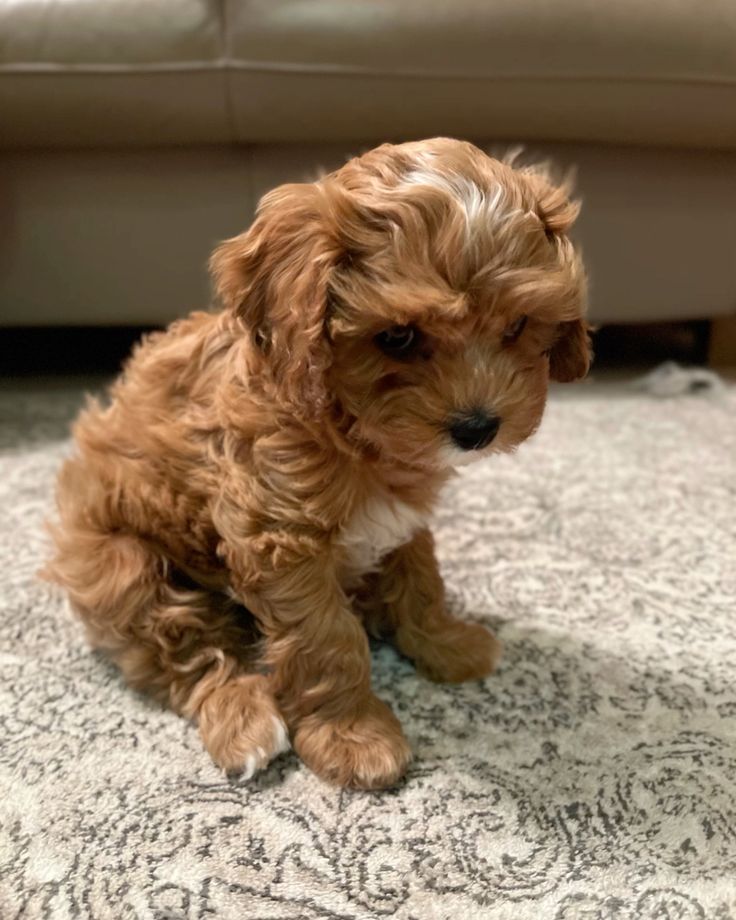
Cavapoos are often described as affectionate, intelligent, and playful companion dogs. A cross between a Cavalier King Charles Spaniel and a Poodle, a Cavapoo may inherit characteristics from both parent breeds. However, every dog is an individual, and its energy level, appetite, personality, and training needs can vary.
If you are considering bringing home a Cavapoo puppy, it helps to understand more than its appearance. Nutrition, portion control, daily exercise, mental stimulation, and consistent training all contribute to a dog’s well-being. Establishing good habits early can make the transition into your household easier and help your puppy develop into a well-adjusted companion.
This guide explains what new owners should know about feeding, training, exercise, and everyday Cavapoo care.
1. Cavapoos Need a Balanced, Age-Appropriate Diet
Good nutrition is an important foundation for a growing Cavapoo. Puppies have different nutritional needs from adult dogs, so choose a complete and balanced food formulated for the appropriate life stage.
Rather than choosing food based only on attractive packaging or marketing claims, look for nutritional information and consult your veterinarian about suitable options for your puppy. Your veterinarian can consider age, expected adult size, activity level, health, and any individual dietary needs.
When changing food, make the transition gradually according to veterinary guidance and the recommendations for the food you are using. Sudden dietary changes may upset some dogs’ digestive systems.
Fresh drinking water should always be available. Avoid assuming that a food marketed as premium, natural, or grain-free is automatically the best choice for your individual dog. The important question is whether the diet meets your puppy’s nutritional needs.
If you are unsure how to choose a suitable food, ask your veterinarian for guidance. A consistent feeding routine and a diet appropriate for your dog’s stage of development provide a better starting point than frequently switching products.
2. Portion Control Helps Maintain a Healthy Weight
Cavapoos can vary in adult size, so feeding amounts should not be determined by the breed name alone. Your puppy’s current weight, age, food type, activity level, and body condition all matter.
Start with the feeding guidance on the food packaging, then work with your veterinarian to adjust portions as your puppy grows. The suggested amount is a starting point rather than a perfect measurement for every dog.
Measure meals rather than repeatedly filling the bowl by eye. If you use treats during training, include them in your dog’s overall daily calorie intake. Small rewards can be useful, but frequent treats and table scraps can add more calories than owners realize.
Avoid feeding simply because your puppy seems eager for more food. Some dogs are enthusiastic eaters even after they have had enough. Monitor body condition and growth, and ask your veterinarian whether your puppy is developing appropriately.
Maintaining a healthy weight can support mobility and general well-being throughout your dog’s life. The goal is not to keep a Cavapoo as small as possible; it is to help the individual dog grow at a healthy rate.
3. Treats Can Support Training Without Replacing Meals
Food rewards can make it easier to teach new skills. When your Cavapoo sits on cue, comes when called, or settles calmly, a small treat can help reinforce the behavior.
Choose treats that are appropriate for your puppy’s age and size, and break them into small pieces when practical. You do not need to give a large snack every time your puppy succeeds. Praise, toys, and short play sessions can also be rewarding.
Pay attention to ingredients and portion sizes, especially if your puppy receives rewards throughout the day. If your dog has food sensitivities or a medical condition, ask your veterinarian which treats are suitable.
Avoid feeding dogs foods that are toxic to them, including chocolate, grapes, raisins, onions, garlic, and products containing xylitol. If your dog eats something potentially toxic, contact a veterinarian or animal poison-control service promptly rather than waiting for symptoms.
Treats should make training enjoyable while remaining a small part of a balanced feeding plan.
4. Cavapoo Intelligence Makes Training an Important Daily Activity
Cavapoos may inherit trainability and responsiveness from their Poodle and Cavalier King Charles Spaniel parents. Many enjoy interacting with people and learning routines, but intelligence does not mean a puppy automatically knows how to behave in a human home.
Training teaches your puppy how to navigate everyday situations. Begin with simple skills such as responding to its name, sitting, coming when called in safe settings, walking on a leash, and settling quietly.
Use short sessions and clear cues. Reward the behavior you want, and practise in a quiet environment before gradually adding distractions. If your puppy struggles, make the task easier rather than repeating a command with increasing frustration.
Consistency between household members is helpful. If one person allows jumping while another discourages it, your puppy may find it harder to understand what is expected.
Reward-based training helps create positive learning experiences. Avoid intimidating or physically punishing your puppy. If a behavior is difficult to manage, a qualified trainer who uses humane, reward-based methods can help you develop a suitable plan.
5. House-Training Requires Patience and Routine
House-training is one of the first challenges many new puppy owners face. A Cavapoo puppy needs frequent opportunities to toilet in the appropriate place, especially after waking up, eating, drinking, or playing.
Take your puppy to the designated area regularly and reward successful toileting immediately. Keep a simple record of meal times, toilet breaks, and accidents if you need help identifying a pattern.
Supervise your puppy carefully indoors. A safe, puppy-proofed area can help prevent accidents when you cannot watch every movement. If an accident happens, clean the area thoroughly and continue following the routine.
Avoid scolding a puppy for an accident. Punishment can make some dogs fearful about toileting in front of people without teaching them where they should go instead.
Progress varies from puppy to puppy. If accidents persist or your dog suddenly starts having accidents after previously being reliable, speak with your veterinarian to rule out a medical issue.
A predictable schedule and calm responses help your puppy learn what to expect.
6. Exercise Needs Depend on Age and Individual Energy
Cavapoos are often small companion dogs, but they still need opportunities to move, explore, and play. Appropriate exercise can support physical health while providing useful mental stimulation.
The right amount depends on your dog’s age, health, fitness, and individual temperament. Young puppies need short, manageable activities and plenty of rest. They should not be pushed into long, strenuous walks or repetitive high-impact exercise while their bodies are developing.
As your Cavapoo matures, you can gradually adjust walks and play according to how the dog responds and what your veterinarian recommends.
A balanced routine might include gentle walks, supervised play, sniffing opportunities, and short training sessions. Watch for signs that your puppy is becoming tired or uncomfortable, and provide water and a safe place to rest.
Avoid assuming that every Cavapoo needs exactly the same amount of exercise. One dog may enjoy a more active routine, while another may need a more gradual approach.
7. Mental Enrichment Can Reduce Boredom
Physical exercise is only part of a dog’s daily needs. Cavapoos can also benefit from activities that encourage them to think, investigate, and use their senses.
Try simple enrichment activities such as food puzzles designed for dogs, supervised scent games, finding a hidden toy, or practising a familiar cue in a new safe environment.
Rotate toys occasionally to maintain interest, and choose items appropriate for your puppy’s size and chewing habits. Supervise new toys to reduce the risk of swallowing pieces or damaging objects.
Mental activities do not need to be complicated. A few minutes of training, a chance to sniff during a walk, or a calm game with an owner can add variety to the day.
If your puppy chews furniture, barks excessively, or becomes restless, consider whether its needs for activity, sleep, companionship, and appropriate outlets are being met. These behaviors can have different causes, so seek professional advice if they persist or become difficult to manage.
8. Socialization Helps Build Confidence
Socialization introduces puppies to everyday experiences in a gradual, positive way. The goal is to help your Cavapoo become more comfortable around people, sounds, surfaces, handling, and suitable environments.
Start with manageable experiences. Your puppy might hear household appliances, meet calm visitors, practise wearing a harness, or become familiar with gentle brushing.
Let the puppy observe new things without forcing it to approach. Reward calm behavior and give it space to retreat if it seems worried.
Follow your veterinarian’s guidance about vaccination status and safe exposure to other dogs and public areas. Safe socialization can begin before a puppy has completed every vaccination, but the type of environment and potential disease risk matter.
Socialization is an ongoing process rather than a single event. Continue offering positive experiences as your Cavapoo grows, while recognizing that individual dogs differ in confidence and preferences.
9. Establish Healthy Daily Routines
Puppies benefit from routines that make their day predictable. Try to keep feeding, toilet breaks, play, training, and rest reasonably consistent.
A young Cavapoo needs substantial sleep and quiet time between activities. Too much stimulation can make it harder for a puppy to settle, particularly when it is tired or overwhelmed.
Teach your dog to relax independently for short periods as well as enjoy time with family members. Use a comfortable resting area and reward calm behavior. Increase time alone gradually, and seek professional guidance if you notice severe distress when separated.
Regular grooming, dental care, veterinary checkups, and preventive treatments should also be part of the routine. These responsibilities are easier to manage when they become familiar habits instead of occasional tasks.
A good routine does not need to be rigid. Adjust it as your puppy grows and its needs change.
10. Choose a Cavapoo Puppy With Care
Nutrition and training are important after your puppy comes home, but thoughtful selection matters too. Before choosing a Cavapoo, ask about the puppy’s current food, feeding schedule, daily care, known health history, parent information, and previous experiences.
Ask what written health information is genuinely available, and review any agreement before making a commitment. Do not assume that a puppy has received particular screenings, vaccinations, or treatments unless that information can be verified.
If you are searching for Cavapoo Puppies For Sale Near Me, look beyond convenience. Verify the seller’s identity, request clear information about the individual puppy, understand the payment and delivery arrangements, and be cautious of pressure to pay immediately without reasonable verification.
Prospective owners comparing regional information can also explore Cavapoo Puppies For Sale In Tennessee, Cavapoo Puppies For Sale In Ohio, and Cavapoo Puppies For Sale In Florida. State-specific resources can help you continue your research, but you should still confirm the details and arrangements for any individual puppy.
Atlantic Cavapoo Puppies provides resources for people researching Cavapoo care, available puppies, and the adoption process. Read the relevant information and ask questions before deciding whether a puppy is right for your home.
Frequently Asked Questions About Cavapoo Training and Nutrition
What should I feed my Cavapoo puppy?
Choose a complete and balanced food formulated for puppies and appropriate to your dog’s expected size and life stage. Ask your veterinarian for individualized recommendations.
How often should I feed a Cavapoo puppy?
Feeding frequency depends on age, size, and individual needs. Follow the food manufacturer’s guidance and your veterinarian’s recommendations, adjusting the schedule as your puppy grows.
Are Cavapoos easy to train?
Many Cavapoos respond well to consistent, reward-based training. However, each puppy learns at its own pace, and house-training, recall, and calm behavior require regular practice.
How much exercise does a Cavapoo need?
Exercise needs vary with age, health, and energy level. Puppies need short, age-appropriate activities and adequate rest, while adults may enjoy a broader range of activities.
Can I use treats to train my Cavapoo?
Yes. Small, appropriate treats can help reinforce desired behavior. Account for treats in your dog’s daily food intake and use praise or play as additional rewards.
Why is my Cavapoo chewing furniture?
Chewing can reflect normal puppy development, exploration, teething, boredom, or other needs. Provide safe chew toys, supervise your puppy, manage access to furniture, and seek veterinary or training advice if the behavior is excessive.
Do Cavapoos need mental stimulation?
Yes. Training, scent games, supervised exploration, and suitable food puzzles can provide enrichment in addition to walks and play.
When should I contact a veterinarian about my puppy’s diet?
Ask your veterinarian if you are uncertain about food selection, portions, growth, weight, persistent digestive problems, food reactions, or any sudden change in appetite.
Final Thoughts
Cavapoos can be rewarding companions, but their well-being depends on much more than their appearance or reputation for intelligence. A suitable diet, thoughtful portion control, age-appropriate exercise, positive training, socialization, and regular veterinary care all help support a good start.
Every puppy is different, so adapt your routine to the individual dog rather than expecting a single formula to work for all Cavapoos. Ask questions, seek professional guidance when needed, and prepare for the long-term commitment of responsible ownership.
Continue Learning About Cavapoos
Explore these Atlantic Cavapoo Puppies resources for more information:
- Available Cavapoo Puppies
- Cavapoo Breed Guide
- Cavapoo Care Guide
- Cavapoo Buying Guide
- Cavapoo Puppies by State
- How to Train a Cavapoo Puppy
- Puppy Buying Checklist
- Questions to Ask Before Buying a Cavapoo Puppy
- Health Guarantee
- Shipping & Delivery
- Adoption Process
- Frequently Asked Questions

Pingback: German Shepherd Breed Characteristics: Temperament and Care