Cavapoo Care Guide, Cavapoo Nutrition Guide
Puppy “DO NOT EAT” List for the Holidays: Foods to Keep Away From Your Dog
Aug
The holidays are one of the most enjoyable times of the year for families (Foods to Keep Away From Your Dog).
There are festive meals, Christmas cookies, chocolate, desserts, fruit, drinks, snacks, and plenty of leftovers.
Your puppy is also likely to notice all the delicious smells coming from the kitchen.
Those pleading eyes can make it incredibly difficult to say no.
However, some holiday foods that are perfectly normal for humans can be dangerous or even life-threatening for dogs.
This is especially important for curious puppies. A young dog may grab food from a table, counter, Christmas stocking, trash can, or unattended plate before you have a chance to stop them.
If you have a Cavapoo puppy, holiday food safety should be part of your preparation. Cavapoos are curious, food-motivated dogs that can quickly investigate anything interesting within reach.
Here is your puppy’s holiday “DO NOT EAT” list, along with several other seasonal hazards that every dog owner should know.
Chocolate
Chocolate is one of the most important foods to keep completely away from your puppy.
Chocolate contains methylxanthines, including theobromine and caffeine, which can be toxic to dogs.
The risk depends on factors such as the type of chocolate, amount consumed, and size of the dog. Dark chocolate and baking chocolate generally contain higher concentrations of the compounds that cause toxicity.
Chocolate can appear in many holiday foods, including:
- Chocolate bars
- Brownies
- Chocolate cake
- Chocolate cookies
- Chocolate-covered fruit
- Chocolate candies
- Cocoa powder
- Hot chocolate mixes
- Chocolate desserts
A puppy can also find chocolate inside a handbag, Christmas stocking, gift box, or under the Christmas tree.
Do not assume that a small amount is automatically harmless. If your dog eats chocolate, contact your veterinarian or an animal poison control service promptly and provide the packaging if possible.
The ASPCA identifies chocolate as a significant pet toxin and recommends keeping it inaccessible to pets.
Grapes
Grapes should not be given to dogs.
They can be particularly dangerous because dogs can develop kidney damage after exposure.
Grapes can be easy to overlook during holiday celebrations because they may appear on fruit platters, appetizer trays, cheese boards, or dessert tables.
Keep grapes away from your puppy and make sure guests understand that they should not offer them as treats.
The ASPCA notes that grape and raisin exposure can lead to kidney damage in dogs.
Raisins and Currants
Raisins deserve their own warning because they are extremely common in holiday foods.
They may appear in:
- Fruitcake
- Christmas cookies
- Fruit bread
- Cakes
- Puddings
- Trail mixes
- Stuffings
- Granola
- Holiday breads
Currants can also present a concern.
Because the toxic response to grapes, raisins, and related dried fruits can be unpredictable, never intentionally give them to your dog.
If your puppy eats raisins or grapes, contact your veterinarian promptly rather than waiting for symptoms.
Holiday fruitcakes can be especially concerning because they may combine raisins with alcohol and other ingredients that are unsafe for dogs.
Onions
Onions are another food that should stay away from your puppy.
They are commonly found in holiday recipes, including:
- Stuffing
- Gravy
- Sauces
- Soups
- Roasted vegetables
- Meat dishes
- Casseroles
Onions can cause gastrointestinal irritation and damage to red blood cells.
Importantly, the concern is not limited to raw onions. Cooked onions and onion-containing ingredients can also be dangerous.
The ASPCA identifies onions, garlic, and chives as members of the Allium family that can cause gastrointestinal irritation and red blood cell damage in dogs.
Garlic
Garlic belongs to the same Allium family as onions.
That means garlic should also stay off your puppy’s holiday menu.
It can appear in many foods without being obvious.
For example, a piece of meat may look harmless while containing garlic seasoning or garlic powder.
Holiday foods can contain multiple seasonings, so giving your puppy scraps from your plate is not a good idea unless you know exactly what ingredients were used.
Xylitol and Other Sugar-Free Products
This is one of the most important items on the entire list.
Xylitol is a sweetener that can be found in some sugar-free and reduced-sugar products.
It may appear in:
- Sugar-free gum
- Sugar-free candy
- Some baked goods
- Some peanut and nut butters
- Sugar-free desserts
- Certain supplements
- Some medications
- Toothpaste and mouthwash
Xylitol can cause a rapid release of insulin in dogs, leading to a dangerous drop in blood sugar. Serious complications can also include liver injury.
The FDA warns that xylitol poisoning can become life-threatening and recommends contacting a veterinarian or emergency animal clinic immediately if a dog consumes a product containing xylitol.
Always check the ingredient label before giving your puppy a human food product.
This is particularly important with peanut butter. Never assume that every peanut butter product is safe for dogs.
Foods to Keep Away From Your Dog
Alcohol
Alcohol should never be given to your dog.
During holiday parties, alcoholic beverages can be left on coffee tables, countertops, floors, or other locations where a curious puppy can reach them.
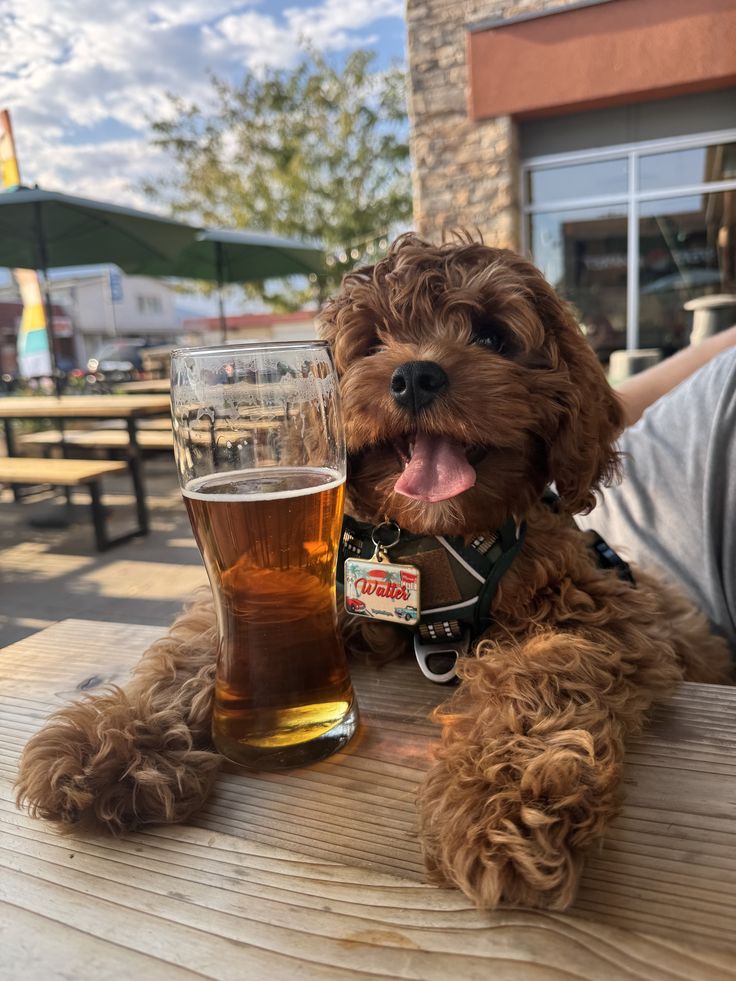
Dogs are much smaller than humans, so even an apparently small amount can create a serious problem.
Alcohol can cause depression, vomiting, loss of coordination, dangerous changes in blood sugar, blood pressure, and body temperature, and in severe cases can contribute to seizures or respiratory failure.
Keep alcoholic drinks away from your puppy and ask guests not to share drinks with them.
Caffeine
Coffee, tea, energy drinks, and other caffeinated products should also remain out of your puppy’s reach.
Holiday gatherings may involve coffee cups sitting on low tables or unattended mugs.
Your puppy may not know that the drink is dangerous.
Caffeine is listed by the FDA among potentially dangerous items for pets.
Keep coffee, tea bags, energy drinks, and caffeinated desserts away from dogs.
Macadamia Nuts
Macadamia nuts are another holiday food that dogs should avoid.
They may appear in:
- Cookies
- Cakes
- Chocolate-covered snacks
- Nut mixes
- Desserts
- Gift baskets
Macadamia nut exposure can cause weakness, vomiting, tremors, incoordination, and other concerning signs in dogs.
Remember that a dessert containing macadamia nuts may also contain chocolate, raisins, or other ingredients that are dangerous to dogs.
Raw Yeast Dough
Holiday baking creates another potential danger.
Raw yeast dough can continue expanding after being swallowed.
This can cause painful abdominal distension and may create serious complications as the dough ferments and produces alcohol.
Keep bowls of rising dough away from curious puppies.
Never allow your dog to play with or eat raw bread dough.
Both the ASPCA and Pet Poison Helpline identify raw yeast dough as a potential danger for dogs.
Fatty Holiday Foods
Not every dangerous holiday food is technically poisonous.
Very rich or fatty foods can cause significant digestive upset and may contribute to more serious problems.
Holiday meals often contain:
- Fatty meat
- Gravy
- Butter
- Heavy sauces
- Fried foods
- Rich desserts
- Large amounts of leftovers
Your puppy’s digestive system may not handle these foods well.
ASPCA holiday guidance recommends keeping pets on their normal diet and avoiding fatty, sweet, and spicy holiday foods.
A small amount of an appropriate, unseasoned food may sometimes be acceptable for some dogs, but the safest approach is to avoid sharing rich holiday meals.
Turkey and Chicken Bones
You may feel tempted to give your puppy leftover bones after Christmas dinner.
Don’t.
Cooked poultry bones can splinter and create serious risks.
Bones can become lodged in the digestive tract or cause injuries.
The ASPCA specifically warns against giving pets turkey or chicken bones during holiday celebrations.
If you want to give your puppy a special Christmas treat, use a dog-specific treat rather than leftover bones.
Turkey Skin and Seasoned Meat
Plain, fully cooked turkey without seasoning may sometimes be appropriate for dogs in small amounts, depending on the individual dog.
However, holiday turkey often contains skin, butter, oils, sauces, salt, onions, garlic, or other seasonings.
That makes leftovers much less suitable.
Instead of giving your puppy food directly from the Christmas dinner table, keep their normal food routine and offer an appropriate dog treat.
Avocado
Avocado is also included on many dog food safety lists.
However, it is worth making an important distinction.
The ASPCA notes that the flesh of avocado is not generally considered highly toxic to dogs in small amounts, although it can still cause stomach upset and the pit presents a significant obstruction hazard.
For that reason, avocado dishes are not something you should casually share with your puppy.
The pit should be kept completely inaccessible.
Sugary Holiday Desserts
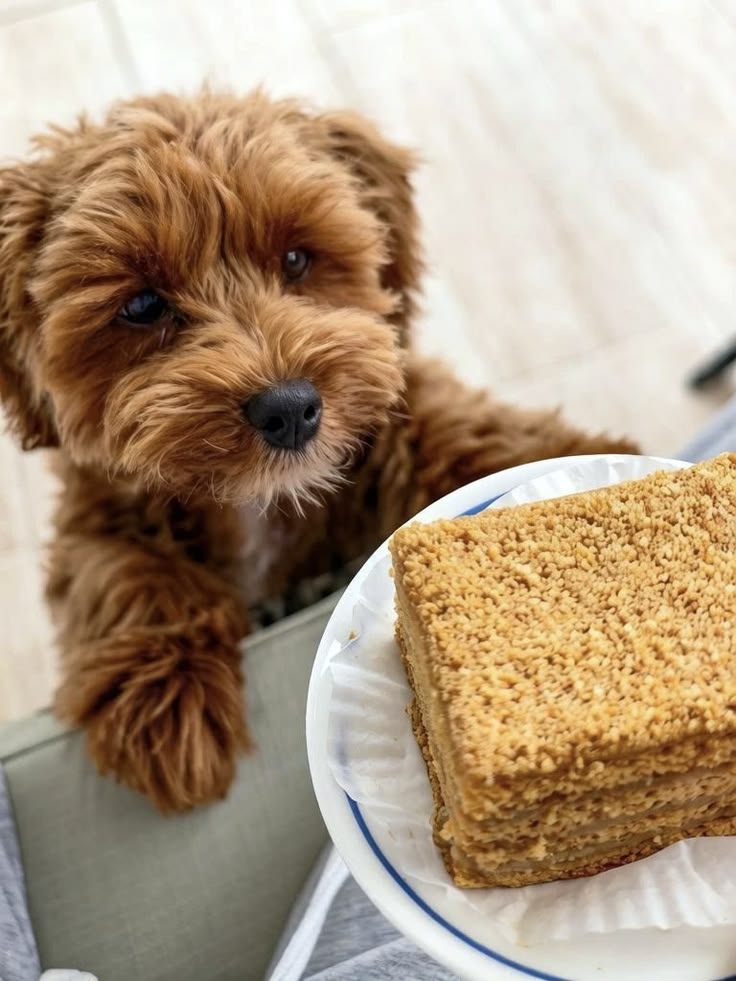
Cookies, cakes, pies, candies, and other desserts are designed for humans.
They can contain combinations of sugar, chocolate, raisins, macadamia nuts, alcohol, xylitol, dairy, and high-fat ingredients.
Even when an individual ingredient is not toxic, a large amount of sugary or fatty food can cause digestive problems.
Your puppy does not need a bite of every dessert.
Instead, give them an appropriate dog treat so they can participate safely.
Holiday Foods That Contain Multiple Dangerous Ingredients
One of the biggest problems during Christmas is that dangerous ingredients often appear together.
Consider a Christmas fruitcake.
It may contain:
- Raisins
- Alcohol
- Sugar
- Butter
- Spices
A chocolate dessert may contain:
- Chocolate
- Caffeine
- Xylitol
- Macadamia nuts
A plate of stuffing may contain:
- Onion
- Garlic
- Butter
- Seasonings
This is why giving your puppy food from your plate can be risky.
You may not know everything that went into the recipe.
Keep the Trash Can Secure
Your puppy does not need to be invited to the Christmas buffet.
Unfortunately, they may invite themselves.
Holiday garbage can contain an enormous mixture of dangerous items.
Your trash may contain:
- Chocolate wrappers
- Turkey bones
- Meat scraps
- Onion skins
- Garlic
- Raisins
- Alcohol containers
- Food packaging
- String
- Toothpicks
- Foil
A determined puppy can turn an unattended trash can into an all-you-can-eat buffet.
Use a secure trash can or keep garbage behind a closed door.
Be Careful When Guests Arrive
Holiday guests can accidentally create food safety problems.
A visitor may not realize that grapes, chocolate, or certain treats are dangerous to dogs.
Children may also want to share their Christmas snacks with the family puppy.
Before your guests arrive, make the rules clear.
Tell everyone:
“Please don’t feed the puppy anything unless we give it to you.”
This simple rule can prevent many accidental exposures.
Teach Your Puppy the “Leave It” Command
The holiday season can be an excellent opportunity to reinforce basic obedience.
Teaching your puppy to leave food alone when asked can be extremely valuable.
Start in a quiet environment.
Place a safe object or treat near your puppy and reward them when they choose to ignore it after your cue.
Gradually practice around greater distractions.
Never rely on training alone to protect a puppy from toxic food, however.
Management is still essential.
Keep dangerous foods physically out of reach.
If you are raising a Cavapoo puppy, our How to Train a Cavapoo Puppy guide can help you build positive training habits.
What Should You Give Your Puppy Instead?
Christmas does not have to mean your puppy misses out.
You can make the holiday special with safe alternatives.
Consider giving your puppy:
- Their normal food
- Appropriate dog treats
- A veterinarian-approved chew
- A puzzle toy
- A new interactive toy
- A small portion of an appropriate dog-safe food
- A new blanket
- A grooming tool
- A new collar or ID tag
The goal is not to make Christmas boring.
The goal is to make it enjoyable without creating an unnecessary health risk.
What Should I Do If My Puppy Eats Something Dangerous?
If you believe your puppy has eaten a potentially toxic food, do not wait for symptoms before seeking professional advice.
Contact your veterinarian, an emergency veterinary clinic, or an animal poison control service.
Try to determine:
- What your puppy ate
- How much was eaten
- When it happened
- Your puppy’s approximate weight
- The product or food packaging
- Any ingredients listed on the package
Do not attempt to make your dog vomit unless a veterinary professional specifically tells you to do so.
The FDA recommends contacting a veterinarian or emergency animal clinic immediately when xylitol exposure is suspected.
The same principle applies to other potentially toxic foods.
When an exposure occurs, fast professional guidance is much safer than waiting to see what happens.
Save Important Emergency Numbers Before Christmas
Don’t wait until Christmas morning to search for emergency veterinary information.
Save your regular veterinarian’s number and identify the nearest emergency veterinary hospital before the holidays.
You can also keep an animal poison control resource available.
The ASPCA Animal Poison Control Center can be reached through its official poison-control resources, while the Pet Poison Helpline provides 24/7 assistance for pet poison emergencies.
FDA Pet Holiday Safety Information
Pet Poison Helpline Holiday Safety Guide
Holiday Puppy Safety Checklist
Before your Christmas celebration begins, quickly check the following:
- Keep chocolate completely out of reach.
- Keep grapes, raisins, and currants away from your puppy.
- Do not feed onions, garlic, chives, or foods containing them.
- Check labels for xylitol.
- Keep alcohol away from your puppy.
- Keep coffee, tea, and other caffeinated products inaccessible.
- Keep macadamia nuts away from your dog.
- Never give your puppy cooked poultry bones.
- Keep raw yeast dough away from dogs.
- Secure the holiday trash.
- Ask guests not to feed your puppy.
- Keep rich and heavily seasoned leftovers away.
- Store dangerous foods behind closed doors or high out of reach.
- Know who to call if an accidental ingestion occurs.
Final Thoughts
Christmas should be a happy time for the entire family, including your puppy.
You do not have to exclude your dog from the celebrations.
You simply need to make the celebration safe.
Keep toxic foods away from curious noses, secure the trash, supervise your puppy around guests, and give them appropriate treats instead of human holiday foods.
Most importantly, remember that puppies explore the world with their mouths.
A plate left on a coffee table may be impossible for a curious puppy to ignore.
A bag of chocolate underneath the Christmas tree may look like a present to you, but to your puppy, it may look like dinner.
With a little preparation, you can enjoy the holiday season while keeping your Cavapoo or other puppy safe, happy, and part of the family celebration.
Continue Learning About Cavapoos
If you are preparing for a Cavapoo puppy, these related resources can help you provide the right care from the beginning:
- Available Cavapoo Puppies
- Cavapoo Breed Guide
- Cavapoo Care Guide
- How to Train a Cavapoo Puppy
- Puppy Buying Checklist
- Questions to Ask Before Buying a Cavapoo Puppy
- Adoption Process
- Health Guarantee
- Shipping & Delivery
- Frequently Asked Questions
This article is for general educational purposes and does not replace veterinary advice. If your puppy may have eaten a potentially toxic food, contact your veterinarian or an appropriate animal poison-control service immediately.
