
Cavapoo Care Guide, Cavapoo Health & Wellness
Dog Dental Month: Why Keeping Your Cavapoo’s Teeth Clean Matters
Aug
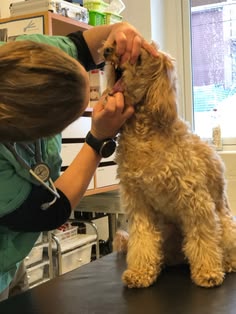
Dog Dental Month is a useful reminder that your Cavapoo’s dental health deserves the same attention as grooming, nutrition, exercise, and routine veterinary care.
A clean mouth is not only about keeping your puppy’s breath fresh. Plaque can begin building up on the teeth shortly after eating. If it is not regularly removed, it can harden into tartar and contribute to inflammation, gum disease, tooth damage, and discomfort. The American Animal Hospital Association notes that dental disease is extremely common in dogs and recommends consistent home dental care alongside professional veterinary examinations.
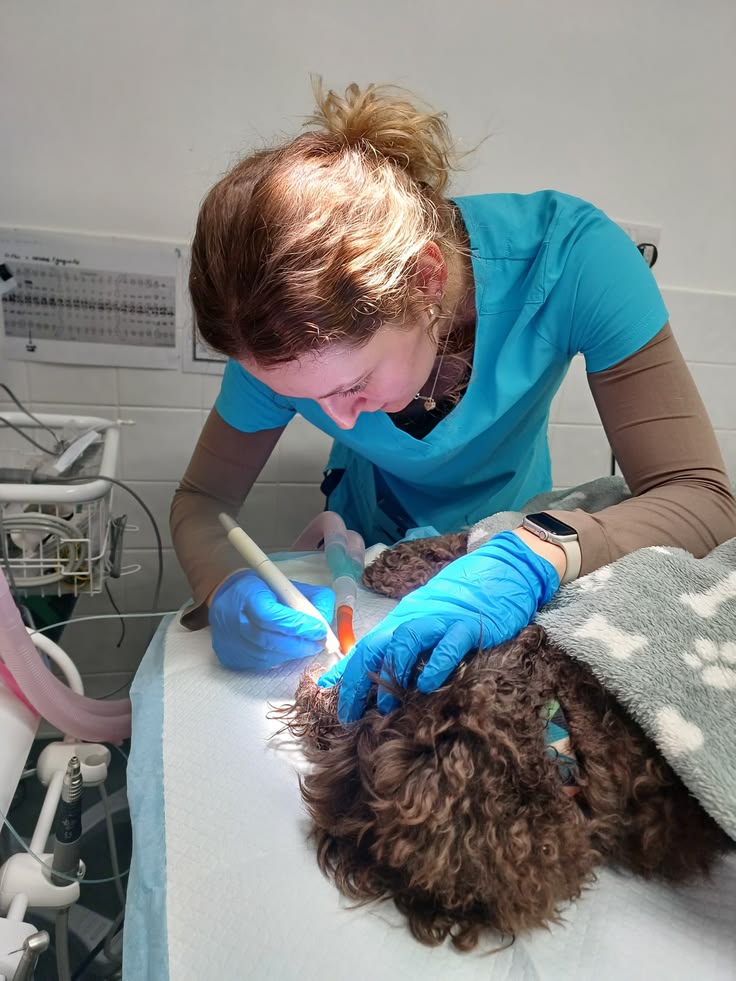
For Cavapoo owners, establishing good dental habits early can make daily care much easier as your puppy grows.
Dog Dental Month: Why Is Dental Care Important for Cavapoos?
Cavapoos are a cross between Cavalier King Charles Spaniels and Poodles. Like other dogs, they can develop plaque and tartar when their teeth are not cleaned regularly.
Plaque contains bacteria that can accumulate along the teeth and gumline. Over time, the buildup can become harder and more difficult to remove with ordinary brushing.
This is why dental care should become part of your Cavapoo’s regular routine.
Good dental care can help you:
- Reduce plaque buildup
- Control tartar accumulation
- Support healthy gums
- Maintain cleaner teeth
- Reduce unpleasant breath
- Detect mouth problems earlier
- Help your dog remain comfortable while eating
Dental care should not be treated as something you only think about when your dog develops bad breath. Prevention is much easier than trying to address advanced dental disease later.
What Is Plaque and Tartar?
Plaque is a sticky film containing bacteria that develops on the surface of the teeth.
When plaque remains on the teeth, it can harden into tartar. Tartar is much more difficult to remove through normal brushing.
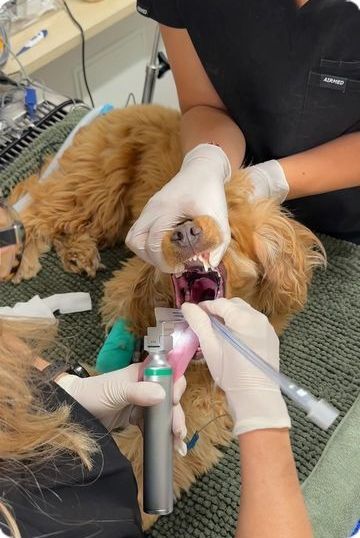
As dental disease progresses, bacteria and inflammation can affect the tissues supporting the teeth. This can eventually lead to periodontal disease, loose teeth, pain, and tooth loss.
AAHA explains that dental disease begins when plaque and bacteria accumulate on the teeth and beneath the gumline. Professional dental cleaning and regular home care therefore work together to protect your dog’s mouth.
How Often Should You Brush Your Dog’s Teeth?
Daily brushing is considered the best home-care method for controlling plaque.
If your Cavapoo is not accustomed to having their teeth brushed, however, do not expect them to accept a toothbrush immediately.
Start slowly.
Allow your puppy to become comfortable with having their mouth and lips gently handled. Once they are relaxed, introduce a dog-specific toothbrush and toothpaste.
Never use human toothpaste unless your veterinarian specifically tells you otherwise. Some human toothpaste products can contain ingredients that are unsafe for dogs.
A gradual routine can look like this:
- Gently touch your puppy’s muzzle.
- Lift the lip for a few seconds.
- Let your puppy taste dog-safe toothpaste.
- Introduce a soft dog toothbrush.
- Brush a few teeth at a time.
- Gradually increase the length of each session.
- Reward calm behavior with praise.
The goal is to make dental care feel like an ordinary part of your Cavapoo’s routine.
Watch for Signs of Dental Problems
Regular brushing also gives you an opportunity to notice changes inside your dog’s mouth.
Contact your veterinarian if you notice signs such as:
- Persistent bad breath
- Red or swollen gums
- Bleeding from the gums
- Excessive drooling
- Difficulty chewing
- Dropping food while eating
- Reduced appetite
- Loose or damaged teeth
- Swelling around the mouth
- Unusual sensitivity when the mouth is touched
Bad breath should not simply be dismissed as normal “dog breath.” AAHA identifies bad breath as one of the common early signs of dental disease.
If your Cavapoo develops any concerning symptoms, a veterinary dental examination is the safest next step.
Can Dental Chews Help?
Dental chews can be useful as part of an overall dental-care routine, but they should not automatically replace brushing.
The Veterinary Oral Health Council evaluates products for their ability to help control plaque and tartar. Products carrying the VOHC Seal of Acceptance have met specific standards for dental effectiveness.
If you choose a dental chew for your Cavapoo, select the correct size for your dog’s weight and supervise chewing. VOHC specifically recommends using appropriately sized products and monitoring dogs while they chew.
You can view the current list of accepted dog dental products through the Veterinary Oral Health Council.
What About Professional Dental Cleanings?
Home dental care is important, but it does not eliminate the need for veterinary examinations.
A veterinarian can examine areas that are difficult to see at home and determine whether your Cavapoo needs professional dental treatment.
Professional veterinary dental procedures can include dental examination, cleaning, dental X-rays, and treatment of problems found below the gumline.
Your veterinarian can also recommend an appropriate dental-care schedule based on your dog’s age, health, teeth, and existing plaque or tartar.
Start Dental Care When Your Cavapoo Is Young
Puppyhood is an excellent time to introduce dental care.
A young Cavapoo can gradually learn that having their mouth handled, teeth brushed, and gums examined is simply part of everyday life.
Starting early can make future dental care considerably easier.
You can begin with very short sessions. Even a few seconds of calm handling can be useful at first.
Always reward cooperation with praise and keep the experience positive.
If your puppy becomes frightened or resistant, take a break and try again later rather than forcing the process.
Dental Health Is Part of Complete Cavapoo Care
Taking care of your Cavapoo involves much more than providing food and exercise.
Regular grooming, nail care, training, exercise, nutrition, veterinary visits, and dental hygiene all contribute to your puppy’s overall wellbeing.
Dental care deserves a permanent place in that routine.
If you are preparing for life with a new Cavapoo puppy, you can also review our Cavapoo Care Guide for additional information about maintaining a healthy and happy companion.
For owners who are still deciding whether a Cavapoo is the right puppy for their family, our Cavapoo Breed Guide provides more information about the breed’s temperament, grooming, exercise, and care needs.
Frequently Asked Questions About Cavapoo Dental Care
How often should I brush my Cavapoo’s teeth?
Daily brushing is the ideal goal because plaque can accumulate quickly. If your puppy is new to brushing, introduce the routine gradually and work toward regular daily care.
When should I start brushing my Cavapoo puppy’s teeth?
You can begin introducing gentle mouth handling while your puppy is young. Start slowly and make the experience positive before introducing a toothbrush.
Can I use human toothpaste on my Cavapoo?
No. Use toothpaste specifically formulated for dogs. Human toothpaste may contain ingredients that are unsafe for pets.
Does bad breath mean my Cavapoo has dental disease?
Persistent bad breath can be a sign of dental disease. If your dog’s breath becomes unusually strong or changes suddenly, arrange a veterinary examination.
Are dental chews enough to clean my dog’s teeth?
Dental chews can provide additional dental support, but they should not automatically replace brushing. Products carrying the VOHC Seal of Acceptance have demonstrated effectiveness for specific plaque or tartar claims.
Does my Cavapoo still need professional dental care?
Yes. Home care and veterinary dental examinations serve different purposes. Your veterinarian can identify problems that may not be visible during routine brushing.
Final Thoughts
Keeping your Cavapoo’s teeth clean is an important part of responsible puppy care.
A simple routine of regular brushing, appropriate dental products, veterinary examinations, and early attention to warning signs can help support better oral health throughout your dog’s life.
Don’t wait until your Cavapoo develops severe tartar or painful dental problems before making oral care a priority.
Start with a few gentle seconds today and build a healthy dental routine that can last for years.
Helpful External Resources
For reliable veterinary guidance, see the American Animal Hospital Association’s guide to dog and cat dental care.
You can also check the Veterinary Oral Health Council’s accepted dental products for dogs when choosing dental chews, toothpaste, water additives, or other oral-care products.

Pingback: Does Your Dog Have a New Year's Resolution in 2026
Pingback: A Safe Holiday Gift Guide for Dogs