
Cavapoo Care Guide, Cavapoo Training Guide, Grooming Guide
Keeping Your Dog Warm With Clothes This Winter
Aug
Winter can be beautiful, but cold temperatures can create extra challenges for dog owners. Not every dog handles cold weather in the same way (Keeping Your Dog Warm With Clothes This Winter).
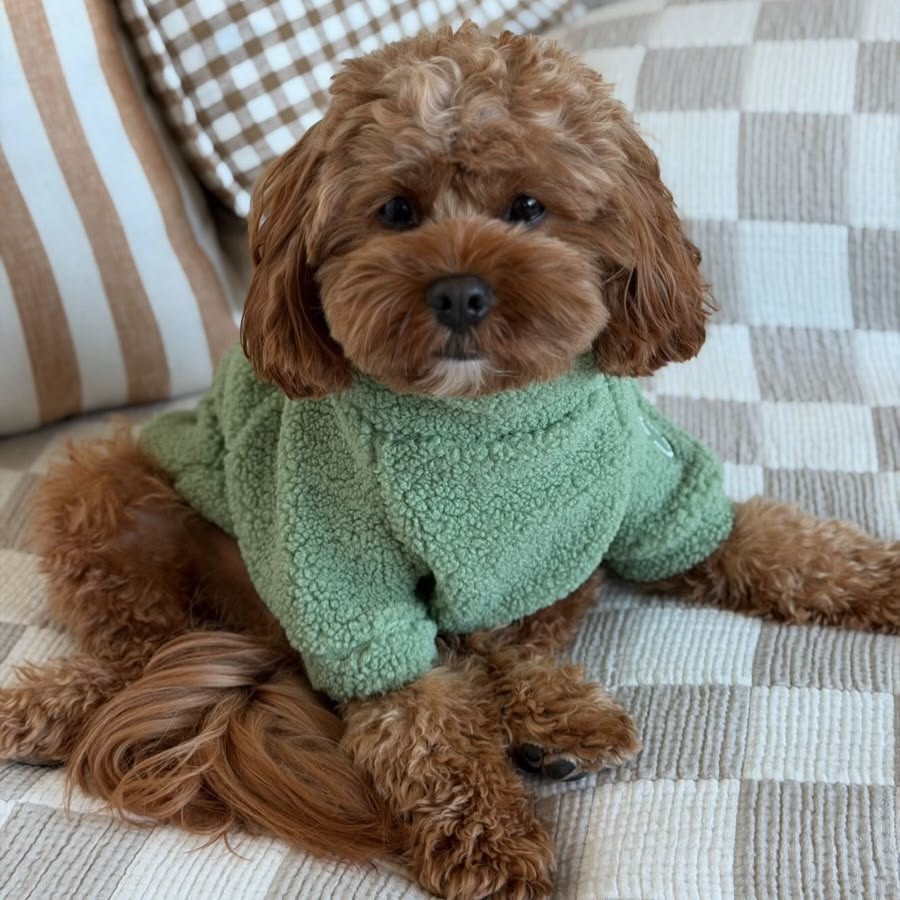
Some dogs have thick coats that provide excellent insulation. Others, particularly small dogs, puppies, senior dogs, and dogs with lighter coats, can become uncomfortable much faster.
This is where winter dog clothes can sometimes help.
Sweaters, coats, jackets, rain gear, and boots can provide an additional layer of protection when your dog goes outside during cold or wet weather. However, clothing should never replace proper winter care.
For Cavapoo owners, understanding when and how to use winter clothing can help keep your puppy comfortable while still allowing them to enjoy their normal activities.
Do Dogs Really Need Winter Clothes?
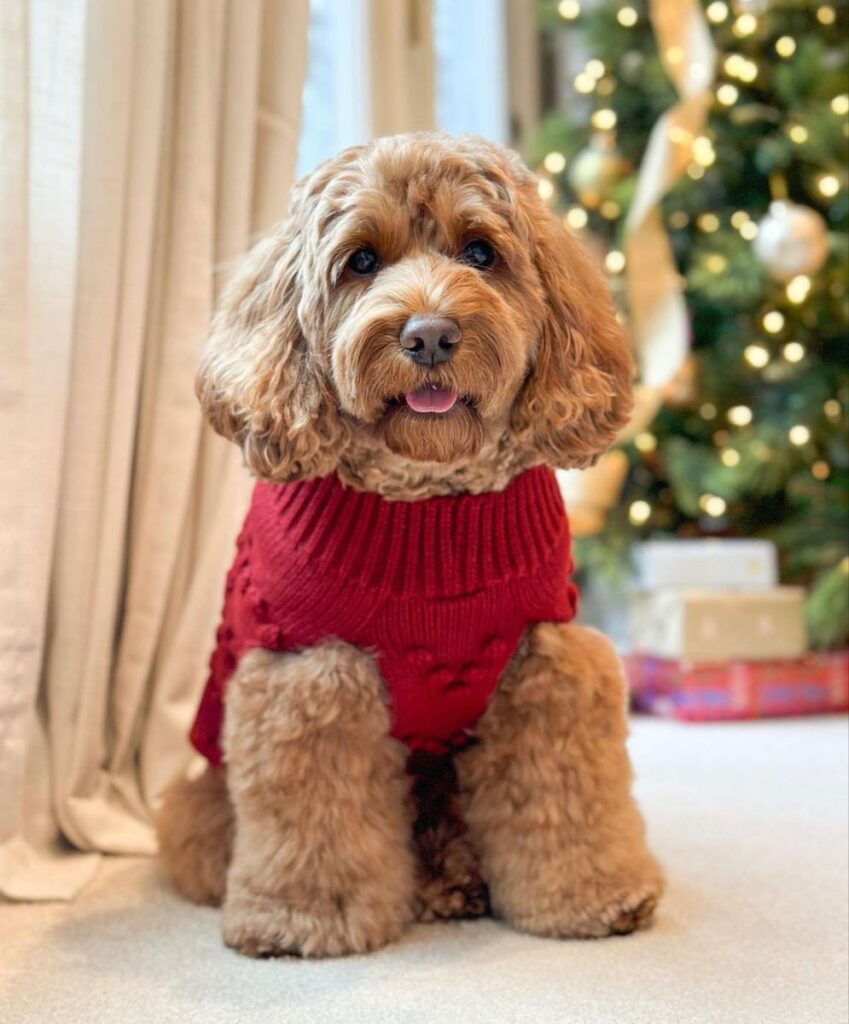
Not every dog needs winter clothing.
A dog’s natural coat provides some protection from cold weather, but the amount of protection varies significantly between breeds and individual dogs.
Small dogs and puppies can lose body heat more quickly than larger dogs. Dogs with thin coats, recently trimmed coats, or certain health conditions may also become cold more easily.
The American Kennel Club notes that small dogs, puppies, senior dogs, and dogs without thick coats are among those that may benefit from additional warmth during cold weather.
There is also no single temperature that is automatically too cold for every dog.
Your dog’s size, coat, age, health, activity level, wind, moisture, and the amount of time spent outside all matter.
Keeping Your Dog Warm With Clothes This Winter: Do Cavapoos Need a Winter Coat?
Cavapoos can have different coat textures.
Some have relatively loose, wavy coats, while others inherit a curlier coat from their Poodle parent. Their size can also vary.
Because individual Cavapoos are different, there is no universal rule that every Cavapoo needs a sweater or jacket.
However, a young Cavapoo puppy may benefit from additional warmth during particularly cold weather.
A Cavapoo that has recently been clipped short may also have less insulation than usual.
Pay attention to your individual dog rather than relying solely on breed.
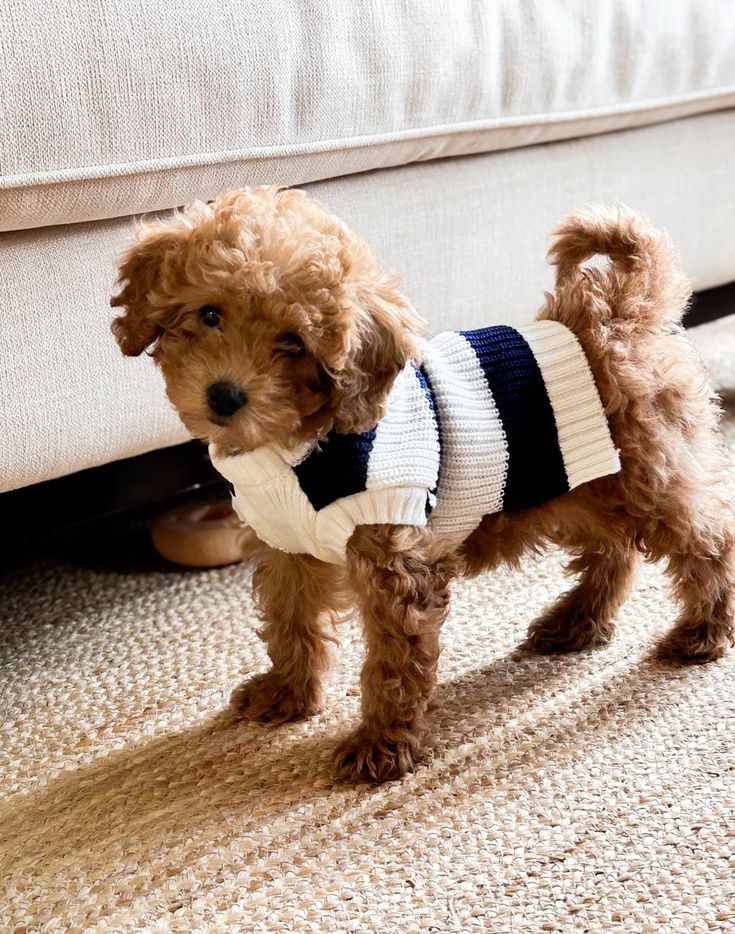
If your puppy appears uncomfortable in the cold, a properly fitted sweater or coat may provide useful additional insulation.
If you are uncertain about your dog’s cold-weather needs, ask your veterinarian for advice based on your dog’s age, health, coat, and environment.
1. Dog Sweaters
A dog sweater is one of the simplest options for adding warmth.
Sweaters can be useful during cool weather, particularly for small dogs and puppies that become cold easily.
A lightweight sweater may be enough for mildly cool conditions, while a thicker garment may be more appropriate for colder weather.
The sweater should cover your dog’s torso without restricting movement.
Your dog should still be able to:
- Walk normally
- Sit comfortably
- Lie down
- Turn around
- Use the bathroom
- Move their legs freely
- Play without restriction
A sweater that is too tight can restrict movement and cause discomfort.
A sweater that is too loose can become caught on objects or cause your dog to trip.
2. Winter Dog Coats and Jackets
A winter coat can provide more protection than a lightweight sweater.
Dog jackets are particularly useful for outdoor walks when temperatures are low, especially if your dog has a lighter coat or is sensitive to cold.
Look for a coat that covers the dog’s back and torso while still allowing unrestricted movement.
Some winter coats also include reflective material.
This can be particularly useful during winter because daylight hours are shorter and many walks happen in low-light conditions.
The coat should also work comfortably with your dog’s leash or harness.
The AKC recommends considering practical features such as proper insulation, reflective details, appropriate fit, and compatibility with a harness.
3. Dog Raincoats
Cold weather is not always dry weather.
Rain can make an otherwise comfortable walk unpleasant, especially when your dog’s coat becomes soaked.
A dog raincoat can help keep the outer coat dry while reducing the amount of water, mud, and debris that reaches the dog’s fur.
This can be particularly helpful for Cavapoos because a wet, tangled coat can require additional brushing and drying after an outdoor adventure.
A raincoat does not necessarily provide the same insulation as a winter coat.
Its primary purpose is keeping your dog dry.
If temperatures are also very cold, your dog may need appropriate insulation underneath the rain protection.
The AKC notes that raincoats can help protect dogs from wet weather while also reducing the amount of grooming required after rainy walks.
4. Dog Boots
Your dog’s paws also deserve protection during winter.
Ice, snow, sharp surfaces, and de-icing products can irritate or injure paw pads.
Dog boots can provide a physical barrier between your dog’s paws and these surfaces.
However, not every dog immediately accepts wearing boots.
Introduce them gradually.
Start indoors.
Allow your dog to sniff the boots.
Reward calm behavior.
Put one boot on for a short period.
Then remove it and reward your puppy.
Gradually increase the amount of time your dog wears them.
Never force your dog to walk normally in boots immediately.
Give your puppy time to become comfortable.
The AKC also recommends cleaning salt and ice from a dog’s paws after winter walks.
5. Warm Blankets for Indoor Comfort
Winter clothing is not only useful outdoors.
A comfortable blanket can provide an additional warm resting area inside the home.
Place your dog’s bed somewhere away from cold drafts.
If your home has particularly cold floors, providing an insulated bed or blanket can make your puppy’s resting area more comfortable.
However, your dog should always be able to move away from the blanket if they become too warm.
Your dog should also have access to fresh water throughout the day.
6. Scarves and Neck Accessories
Dog scarves can look adorable in winter photographs, but their practical value is more limited than a properly fitted sweater or coat.
If you use one, make sure it does not interfere with breathing, swallowing, movement, vision, or your dog’s collar and leash.
Never use a scarf that can easily become wrapped around your dog’s neck or caught on objects.
For warmth, a properly designed dog sweater or jacket is generally a better choice.
How to Choose the Right Winter Clothes for Your Dog
Choosing the correct clothing is about much more than appearance.
Before purchasing a sweater or coat, consider your dog’s:
- Chest measurement
- Neck measurement
- Back length
- Weight
- Coat thickness
- Age
- Activity level
- Typical winter environment
Do not rely solely on labels such as “small,” “medium,” or “large.”
Sizing varies between manufacturers.
Measure your dog and compare the measurements with the manufacturer’s sizing chart.
A properly fitted garment should allow normal movement without hanging loosely.
The AKC specifically warns that clothing that is too tight can restrict movement, while oversized clothing can create entanglement and tripping risks.
How to Tell If Your Dog Is Cold
Dogs cannot tell us that they are uncomfortable, so owners need to watch their behavior.
Possible signs that your dog may be getting too cold include:
- Shivering
- Reluctance to continue walking
- Trying to turn back home
- Lifting paws repeatedly
- Whining
- Curling up tightly
- Becoming unusually quiet
- Seeking warmth
- Cold ears or feet
Shivering should not be ignored if it continues or is accompanied by other concerning symptoms.
If your dog appears weak, confused, extremely lethargic, or otherwise unwell after exposure to cold, move them somewhere warm and contact a veterinarian promptly.
Hypothermia can become a serious medical emergency.
Don’t Leave Your Dog Outside for Too Long
A sweater does not make unlimited outdoor time safe.
This is one of the most important things to remember.
Even a dog wearing a winter coat can become dangerously cold in extreme conditions.
Limit outdoor exposure when the weather becomes severe.
During extremely cold weather, short bathroom breaks may be more appropriate than extended walks.
The AKC recommends limiting outdoor exposure in extreme cold and notes that dogs can develop frostbite, particularly around vulnerable areas such as the ears and tail.
Never Use Clothing as a Substitute for Shelter
Winter clothes are an additional layer of protection.
They are not a replacement for a warm, dry environment.
When weather conditions become dangerous, your dog should be brought indoors whenever possible.
Dogs should also be kept away from frozen ponds and lakes because thin ice can break unexpectedly.
Cold weather creates other hazards as well, including antifreeze and de-icing chemicals.
Antifreeze is particularly dangerous to dogs and requires immediate veterinary attention if ingestion is suspected.
How to Get Your Puppy Comfortable Wearing Clothes
Some dogs immediately accept a sweater.
Others act as though you have completely ruined their day.
If your puppy is uncomfortable wearing clothes, do not force the process.
Instead, introduce the garment gradually.
Step 1: Let Your Puppy Investigate
Place the sweater or coat on the floor.
Allow your puppy to sniff it.
Reward calm investigation.
Step 2: Introduce Short Wearing Sessions
Put the garment on for only a few seconds.
Give your puppy praise or a small appropriate treat.
Then remove it.
Step 3: Increase the Time Gradually
As your puppy becomes comfortable, increase the amount of time they wear the garment.
Keep the experience positive.
Step 4: Add Normal Activities
Once your puppy is comfortable, allow them to walk around indoors while wearing it.
You can play with a favorite toy or practice simple training exercises.
This can help your dog associate the clothing with positive experiences.
Step 5: Try It Outdoors
Only after your puppy is comfortable indoors should you introduce the clothing during a short outdoor walk.
The AKC recommends introducing winter clothing gradually and using positive reinforcement to help dogs become comfortable wearing it.
Never Leave Your Dog Unsupervised in Winter Clothing
This is an important safety rule.
Do not leave your dog unattended while wearing a sweater, jacket, boots, or other clothing.
Clothing can become caught on furniture, fences, crates, branches, or other objects.
Your dog could become frightened or injured.
The AKC recommends removing clothing when dogs are unattended or crated.
Keep Winter Clothing Clean
Winter clothing can collect dirt, mud, hair, moisture, and oils from your dog’s coat.
A dirty garment can become uncomfortable and may contribute to skin irritation.
Wash your dog’s clothing according to the manufacturer’s instructions.
Make sure the garment is completely dry before putting it back on your dog.
Never put a damp sweater or coat on your puppy.
The AKC recommends regularly washing dog sweaters and coats, particularly when they are used frequently.
What About Cavapoo Puppies?
Puppies deserve extra attention during winter.
Young dogs are still developing and may not regulate body temperature as effectively as healthy adult dogs.
Small puppies can also lose heat relatively quickly.
If you have recently brought home a Cavapoo puppy, focus on providing a warm indoor environment and keep outdoor sessions appropriate for the weather.
A sweater or coat can be useful for certain outdoor situations, but it should be selected based on your puppy’s individual needs.
If your puppy is very young, has a health condition, or seems unusually sensitive to cold, consult your veterinarian.
Winter Grooming Matters Too
Winter grooming should not be neglected.
It may be tempting to let your dog’s coat grow extremely long for extra warmth, but excessive length can also create tangles and mats.
For Cavapoos, regular brushing remains important throughout winter.
Check the paws after outdoor walks.
Snow, ice, mud, and salt can become trapped between the toes and around paw hair.
Clean your dog’s paws when you return home.
If your Cavapoo wears a winter coat regularly, check the areas underneath it for tangles or irritation.
Regular grooming can help keep the coat healthy and comfortable throughout the colder months.
If you want to learn more about maintaining your Cavapoo’s coat, our Cavapoo Care Guide is a useful place to continue.
Frequently Asked Questions
Does every dog need a winter coat?
No. Some dogs have thick coats that provide substantial insulation, while others benefit from additional warmth. Small dogs, puppies, senior dogs, and dogs with thin coats are more likely to need protection.
Do Cavapoos need sweaters in winter?
Some Cavapoos may benefit from a sweater during cold weather, particularly puppies or dogs with shorter coats. However, every Cavapoo is different, so watch your dog’s behavior and ask your veterinarian if you are uncertain.
What should my dog wear in winter?
Depending on the conditions, your dog may benefit from a sweater, insulated coat, raincoat, or boots. The correct choice depends on temperature, precipitation, wind, activity, and your dog’s individual needs.
Can my dog wear a sweater all day?
It is generally better to use dog clothing when appropriate and supervise your dog while wearing it. Remove sweaters and coats when your dog is unattended or crated.
How do I know if a dog sweater fits correctly?
Your dog should be able to walk, sit, lie down, turn around, and move their legs normally. The sweater should not restrict movement or hang so loosely that it can become caught.
Should dogs wear boots in snow?
Boots can help protect paws from ice, snow, sharp surfaces, and de-icing products. However, dogs need to be introduced to boots gradually and should be supervised while wearing them.
Can dogs get frostbite?
Yes. Dogs can develop frostbite, particularly during extreme cold. The ears, paws, and tail are among the areas that can be affected. Seek veterinary advice if you suspect frostbite.
Is it safe to walk my Cavapoo in winter?
Generally, healthy dogs can enjoy outdoor activity during cold weather when appropriate precautions are taken. Keep walks shorter during extreme conditions and monitor your dog closely for signs of discomfort.
Final Thoughts
Winter clothing can be useful for dogs that struggle with cold weather, but it should be viewed as one part of responsible winter care.
For Cavapoos, puppies, senior dogs, and other dogs that become cold easily, a properly fitted sweater or winter coat may provide valuable additional warmth.
The most important factors are fit, comfort, weather conditions, and supervision.
Don’t dress your dog simply because an outfit looks cute.
Choose clothing that serves a practical purpose and allows your puppy to move naturally.
Most importantly, know when the weather is simply too severe for an extended outdoor adventure.
When temperatures become dangerous, bringing your dog indoors is the safest option.
Continue Learning About Cavapoos
If you are raising or preparing to welcome a Cavapoo, continue exploring these helpful resources:
- Cavapoo Puppies for Sale
- Cavapoo Breed Guide
- Cavapoo Care Guide
- How to Train a Cavapoo Puppy
- Puppy Buying Checklist
- Questions to Ask Before Buying a Cavapoo Puppy
- Health Guarantee
- Shipping & Delivery
- Adoption Process
- Frequently Asked Questions
Trusted External Resources
For additional winter-care guidance, consult trusted canine and veterinary resources:
- American Kennel Club – How to Keep Your Dog Warm and Safe This Winter
- American Kennel Club – Dog Winter Clothes and Safety
- American Kennel Club – Do Dogs Need Sweaters or Jackets?
