
Grooming Guide, Cavapoo Care Guide
This Is Why You Need a Goldendoodle
Aug
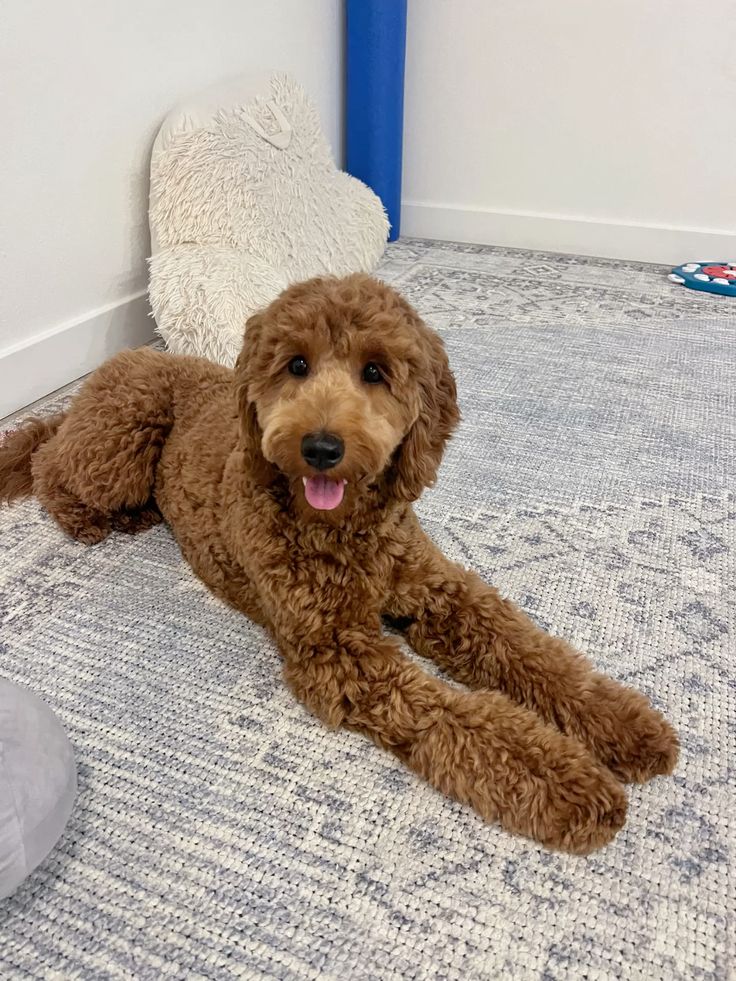
If you are looking for an intelligent, affectionate, and active companion, a Goldendoodle may be worth considering (This Is Why You Need a Goldendoodle). This popular Poodle mix combines traits from the Golden Retriever and Poodle, creating a dog known for its friendly personality, trainability, and beautiful coat.
Goldendoodles can make wonderful companions for individuals and families. However, they are not the right fit for every household. Their exercise, grooming, training, and social needs should be considered before bringing one home.

In this guide, we will explore the Goldendoodle temperament, size, grooming needs, exercise requirements, trainability, family compatibility, and potential health considerations.
What Is a Goldendoodle?
A Goldendoodle is a cross between a Golden Retriever and a Poodle. The combination brings together two highly intelligent and people-oriented breeds.
Goldendoodles became increasingly popular during the 1990s and are now available in several sizes depending on the Poodle parent used for breeding.
You may encounter:
- Standard Goldendoodles
- Medium Goldendoodles
- Mini Goldendoodles
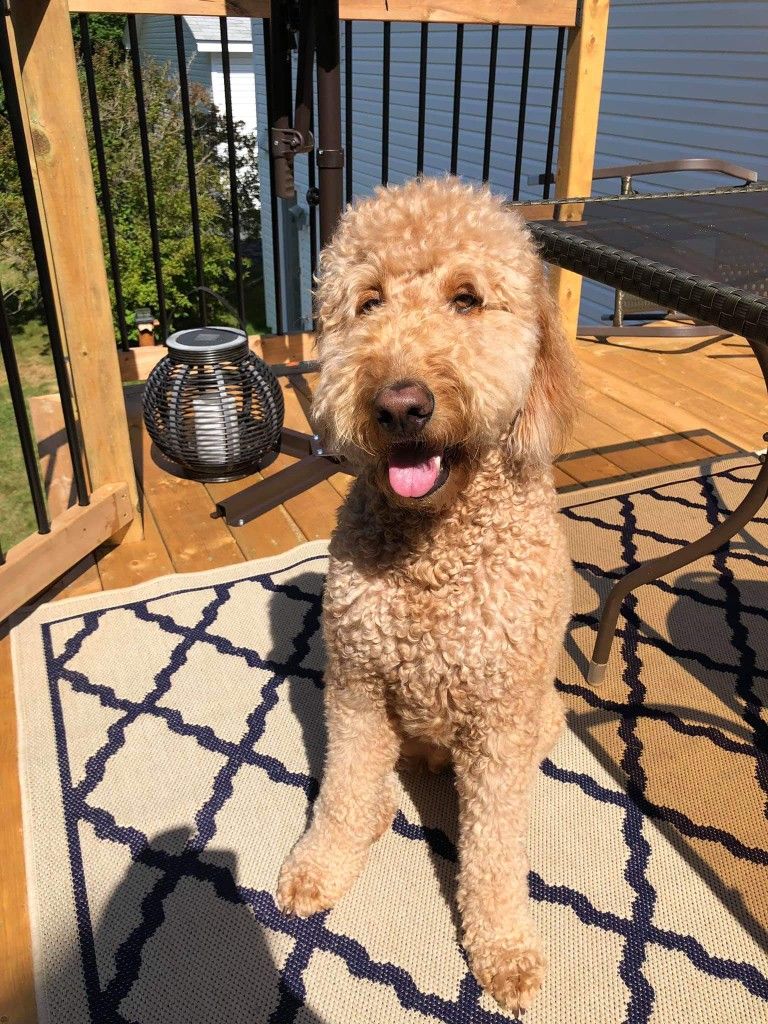
Their appearance can also vary considerably. Some Goldendoodles have loose, wavy coats, while others have tighter curls. Coat color can range from cream and apricot to red, brown, black, or combinations of these colors.
Because Goldendoodles are a crossbreed, individual dogs can inherit different characteristics from either parent.
Goldendoodle Characteristics
Goldendoodles can vary in size and appearance, but standard Goldendoodles are generally medium-to-large dogs.
| Characteristic | Goldendoodle |
|---|---|
| Breed type | Golden Retriever and Poodle mix |
| Typical lifespan | About 10–15 years |
| Standard size | Approximately 20–24 inches |
| Standard weight | Approximately 50–90 pounds |
| Temperament | Friendly, affectionate, playful |
| Intelligence | High |
| Energy level | Moderate to high |
| Exercise needs | Daily exercise |
| Coat | Wavy, curly, or fleece-like |
| Shedding | Often low to moderate, depending on coat |
| Grooming | High maintenance |
| Family compatibility | Generally excellent with proper socialization |
These figures are general guidelines. A Goldendoodle’s adult size and characteristics depend heavily on genetics, generation, and the size of the Poodle parent.
Goldendoodles Are Highly Intelligent
One of the biggest reasons people choose Goldendoodles is their intelligence.
Both parent breeds are known for being intelligent and responsive to training. This can make Goldendoodles excellent candidates for obedience training, tricks, agility, and other activities that challenge their minds.
However, intelligence does not mean training happens automatically.
A clever dog can also become bored quickly when there is not enough mental stimulation. Consistent training, interactive games, enrichment activities, and positive reinforcement can help keep a Goldendoodle mentally engaged.
Starting training while your Goldendoodle is young can also establish good habits before unwanted behaviors become difficult to change.
This Is Why You Need a Goldendoodle: Goldendoodles Can Be Excellent Family Dogs
A well-socialized Goldendoodle can be an excellent family companion.
They are generally affectionate, social, playful, and eager to spend time with their people. Many enjoy participating in family activities rather than being left alone for long periods.
Goldendoodles can also do well around children and other pets when they are properly introduced and supervised.
However, every dog has an individual personality. Parents should teach children how to interact respectfully with dogs, while adults should supervise interactions between young children and puppies.
Socialization is particularly important during puppyhood. Introducing your Goldendoodle gradually to different people, environments, sounds, surfaces, and appropriately vaccinated dogs can help build confidence.
Goldendoodles Need Daily Exercise
A Goldendoodle is not a dog that should spend most of the day sitting around without stimulation.
Their Golden Retriever and Poodle heritage can give them plenty of energy. Daily walks, play sessions, training exercises, and interactive activities can help meet their physical and mental needs.

Good activities can include:
- Walking
- Hiking
- Fetch
- Swimming
- Obedience training
- Puzzle toys
- Agility
- Nose work
- Interactive games
- Off-leash play in safe, appropriate areas
PetMD notes that Goldendoodles generally need around 30–60 minutes of physical exercise each day, although individual requirements vary based on age, size, health, and energy level.
Puppies should not simply be pushed into strenuous exercise. Their activity should be appropriate for their developing bodies, with guidance from your veterinarian when necessary.
Goldendoodle Grooming Requires Commitment
The beautiful Goldendoodle coat is one of the breed’s biggest attractions. It is also one of the biggest responsibilities.
Goldendoodle coats can be wavy or curly and may shed less than a typical Golden Retriever coat. However, low shedding does not mean no grooming.
Their hair can become tangled and matted without regular maintenance.
PetMD recommends regular brushing and professional grooming to help prevent mats and maintain the coat.
Depending on the individual coat, your grooming routine may include:
- Brushing several times per week
- Regular professional grooming
- Nail trimming
- Ear checks
- Dental care
- Bathing when necessary
- Checking the skin for irritation or abnormalities
The coat should be brushed thoroughly rather than only brushing the surface. Mats can develop close to the skin where they may not be immediately visible.
It is also helpful to introduce grooming while your Goldendoodle is still a puppy. Teaching a puppy to calmly accept brushing, nail handling, ear checks, and bathing can make future grooming appointments much easier.
Are Goldendoodles Hypoallergenic?
Goldendoodles are frequently described as hypoallergenic, but this term can be misleading.
No dog is completely allergen-free.
Some Goldendoodles may shed less and produce less airborne hair than dogs with heavier-shedding coats. However, allergies are caused by proteins found in substances such as dander, saliva, and urine rather than simply by dog hair.
Coat characteristics also vary significantly between Goldendoodles.
If someone in your household has allergies, spend time around the individual dog before making a long-term commitment.
Goldendoodles Can Adapt to Different Homes
A fenced yard can be extremely useful for an active Goldendoodle, but having a large house is not automatically required.
Goldendoodles can potentially adapt to apartment or city living when their exercise and mental stimulation needs are properly met.
The more important question is whether the household can provide enough daily activity and companionship.
A Goldendoodle that receives regular walks, training, play, and social interaction may be perfectly content in a smaller home.
On the other hand, a large house does not solve behavioral problems caused by boredom or insufficient exercise.
Goldendoodles Are Social Dogs
Goldendoodles typically enjoy being around their families.
That social nature is wonderful for people who want a dog involved in everyday life. Your Goldendoodle may want to follow you around the house, join outdoor activities, play games, and relax nearby.
However, this also means they may struggle if left alone for excessive periods.
PetMD notes that Goldendoodles can be prone to separation anxiety and benefit from regular social interaction and mental stimulation.
Teaching your puppy that short periods alone are safe can help prevent excessive dependence.
Crate training, gradual alone-time exercises, enrichment toys, and a consistent routine can all be useful.
Goldendoodles Can Make Great Hiking Companions
If you enjoy spending time outdoors, a Goldendoodle can be an excellent adventure companion.
Their energy and enthusiasm can make them suitable for activities such as hiking, walking, swimming, and retrieving.
Before taking your Goldendoodle on demanding trails, make sure the dog is physically prepared for the activity.
Bring plenty of fresh water, take appropriate breaks, and consider the weather conditions. Hot temperatures can be particularly dangerous for active dogs.
You should also keep your dog’s age, fitness level, and health history in mind before increasing exercise.
Goldendoodles Need Consistent Training
Goldendoodles are often highly trainable, but training should begin early.
Positive reinforcement can make learning enjoyable while helping your puppy understand which behaviors earn rewards.
Start with basic commands such as:
- Sit
- Stay
- Come
- Down
- Leave it
- Drop it
- Heel
- Wait
House training and leash training should also be introduced early.
Training should be consistent between family members. If one person allows a behavior while another person discourages it, your puppy may become confused.
Short training sessions repeated throughout the day are often more effective than one long session.
Goldendoodle Health Considerations
Goldendoodles can be wonderful companions, but no breed or crossbreed is completely free from health concerns.
Because Goldendoodles inherit genetics from Golden Retrievers and Poodles, responsible breeding and appropriate health screening are important.
Potential concerns can include conditions affecting the hips, eyes, skin, ears, and other parts of the body.
PetMD notes that Goldendoodles can inherit health conditions associated with both parent breeds, including hip dysplasia.
When choosing a puppy, ask the breeder about the health testing performed on the parents.
Responsible breeders should be transparent about health records and genetic testing rather than making unsupported claims about perfect health.
Regular veterinary examinations, appropriate nutrition, exercise, parasite prevention, dental care, and vaccinations are also important parts of responsible ownership.
Are Goldendoodles Good for First-Time Dog Owners?
They can be.
Goldendoodles are intelligent, affectionate, and generally responsive to training. These characteristics can make them appealing to first-time owners.
However, prospective owners should understand that an easy-to-train dog is not necessarily an easy-maintenance dog.
Goldendoodles can require substantial grooming, daily exercise, training, and social interaction.
PetMD also lists Goldendoodles among breeds that can be suitable for first-time pet parents while emphasizing their exercise and grooming requirements.
Before getting one, make sure you are prepared for the long-term commitment.
Why You Might Love a Goldendoodle
There are many reasons Goldendoodles have become so popular.
They can offer a combination of:
Intelligence: They often learn commands and routines quickly.
Affection: Many enjoy close interaction with their families.
Trainability: Their parent breeds are highly responsive to training.
Playfulness: Goldendoodles often enjoy games and outdoor activities.
Family compatibility: Properly socialized Goldendoodles can be excellent family companions.
Active lifestyle: They can make great partners for walking, hiking, swimming, and other activities.
Coat variety: Their coats can range from loose waves to tighter curls, giving owners several different looks.
At the same time, these dogs require commitment. Their grooming, exercise, training, and companionship needs should not be overlooked.
Goldendoodle vs. Cavapoo
If you like Poodle mixes but want a smaller companion, a Cavapoo may be another breed worth researching.
Goldendoodles are generally larger and more active, while Cavapoos are typically much smaller because they are a cross between a Cavalier King Charles Spaniel and a Poodle.
Cavapoos can also be affectionate, intelligent, playful, and people-oriented.
If you are specifically interested in Cavapoos, explore our Cavapoo Breed Guide to learn more about their temperament, size, grooming, exercise, and care requirements.
You can also explore our Cavapoo Puppies for Sale page if you are considering bringing a Cavapoo puppy into your family.
Frequently Asked Questions About Goldendoodles
Are Goldendoodles good family dogs?
Yes. Properly socialized Goldendoodles can be affectionate, playful, and friendly family companions. Children should always be taught how to interact safely and respectfully with dogs.
Are Goldendoodles easy to train?
Goldendoodles are generally intelligent and responsive to training. Consistency, patience, early socialization, and positive reinforcement are important for developing good behavior.
Do Goldendoodles shed?
Goldendoodles can shed less than Golden Retrievers, but shedding varies between individual dogs. Some may shed more than others depending on their inherited coat type.
Are Goldendoodles hypoallergenic?
No dog is completely hypoallergenic. Some Goldendoodles may produce less airborne hair because of their coat, but people with allergies can still react to them.
How much exercise does a Goldendoodle need?
Many Goldendoodles need around 30–60 minutes of physical exercise daily, although the appropriate amount depends on age, size, health, and individual energy level.
Do Goldendoodles need professional grooming?
Most Goldendoodles benefit from regular professional grooming because their coats can become tangled or matted. Regular brushing at home is also important.
Can Goldendoodles live in apartments?
They can potentially adapt to apartment living if their exercise, training, enrichment, and social needs are properly met. A yard is helpful but does not replace daily activity.
How long do Goldendoodles live?
Goldendoodles commonly have a lifespan of around 10–15 years, although individual lifespan varies.
Are Goldendoodles good with children?
Many Goldendoodles are friendly and social with children. Proper socialization and adult supervision are still essential, especially with young children.
Should I choose a Goldendoodle or Cavapoo?
The right choice depends on your lifestyle. Goldendoodles are generally larger and more active, while Cavapoos are smaller and may be better suited to families looking for a compact companion.
Final Thoughts
A Goldendoodle can be an outstanding companion for the right household.
Their intelligence, affectionate personality, playful nature, and enthusiasm for family activities make them appealing to many dog lovers. They can enjoy everything from neighborhood walks to hiking adventures and interactive training sessions.
However, owning a Goldendoodle is a long-term commitment. Their grooming requirements, exercise needs, training, socialization, and veterinary care all need to be considered before bringing one home.
If you love Poodle mixes but prefer a smaller dog, take the time to learn about the Cavapoo as well. Understanding the differences between Poodle mixes can help you choose the companion that best matches your lifestyle.
Continue Learning About Cavapoos
- Cavapoo Breed Guide — Learn about Cavapoo temperament, size, grooming, exercise, and personality.
- Cavapoo Care Guide — Explore practical guidance for caring for a Cavapoo throughout life.
- Cavapoo Buying Guide — Learn what to consider before choosing a Cavapoo puppy.
- Cavapoo Puppies for Sale — View available Cavapoo puppies and learn about the adoption process.
- Cavapoo Puppies by State — Find location-focused Cavapoo information for families across the United States.
Recommended External Resources
For additional information about Goldendoodle care and the parent breeds, these reputable resources are useful:
- PetMD — Goldendoodle Dog Breed Health and Care — Detailed information about Goldendoodle exercise, grooming, nutrition, behavior, and health.
- American Kennel Club — Golden Retriever Guide — Additional information about Golden Retriever temperament, exercise, grooming, and family life.
- American Kennel Club — Dog Grooming Guide — General guidance for maintaining a dog’s coat, nails, ears, teeth, and overall grooming routine.
This article is for general educational purposes and should not replace advice from a qualified veterinarian. Individual dogs have different nutritional, exercise, grooming, and healthcare needs.

Pingback: Best Top 5 Designer Breed Puppies