
Cavapoo Exercise, Full Grown Cavapoo Guide
Hiking With Your Dog: A Complete Guide to Safe Hiking With Your Cavapoo
Aug
Hiking With Your Dog: A Complete Guide for Cavapoo Owners
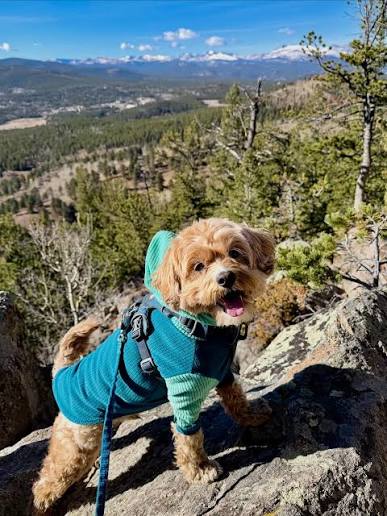
Hiking with your dog can be one of the best ways to spend time together.
Fresh air, new smells, interesting surroundings, and physical activity give your dog plenty to enjoy. You also get the chance to strengthen your bond while exploring somewhere new.
For Cavapoo owners, hiking can be especially enjoyable.
Cavapoos are generally affectionate, intelligent, curious, and playful companions (hiking with your dog). Their Poodle and Cavalier King Charles Spaniel heritage can give them a nice balance of energy and companionship.
However, every Cavapoo is different.
A young puppy should not be treated like an experienced adult hiking dog. Likewise, a senior Cavapoo may need shorter and gentler adventures.
The key is matching the hike to your dog’s age, health, fitness, experience, and individual energy level.
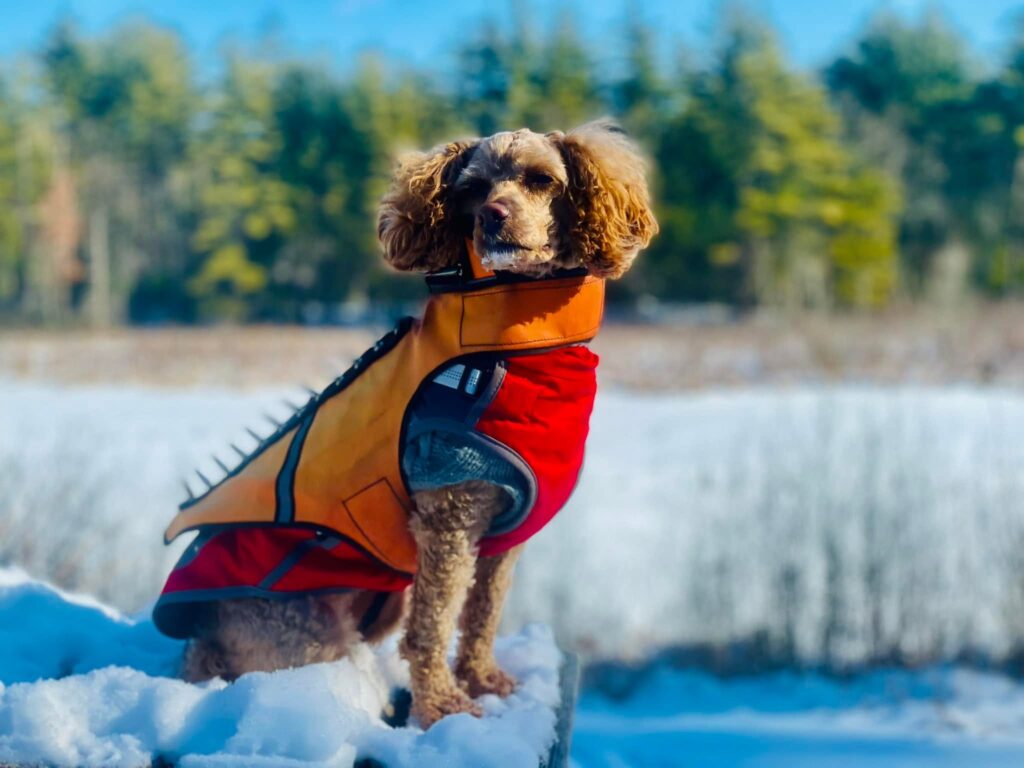
If you are preparing to bring a Cavapoo into your family, you can also explore our Cavapoo puppies for sale and learn more about what makes this breed such a popular companion.
Now, let’s look at how to make hiking with your dog safe, enjoyable, and rewarding.
Is Hiking Good for Cavapoos?
Hiking can provide both physical exercise and mental enrichment.
Unlike walking around the same neighborhood, hiking introduces your dog to constantly changing sights, sounds, textures, and smells (hiking with a Cavapoo).
That variety can make a trail mentally stimulating as well as physically challenging.
For Cavapoos, this can be particularly valuable because they are intelligent dogs that often enjoy exploring their surroundings.
A hike can help provide:
- Physical activity
- Mental stimulation
- New smells and environments
- Opportunities for training
- Socialization experiences
- Quality bonding time
However, hiking should not simply be about exhausting your dog.
The goal is to create a positive experience that your Cavapoo can comfortably handle.
If your puppy is still growing, prioritize age-appropriate activity rather than long-distance hiking. You can learn more about appropriate activity levels in our guide to how much exercise a puppy really needs.
1. Check Your Dog’s Fitness Before Hiking
Before planning a challenging hike, consider your dog’s current fitness level.
A healthy adult Cavapoo that regularly walks may be ready for a longer trail.
A young puppy that has only experienced short neighborhood walks may need something much easier.
The same applies to dogs that are overweight, elderly, recovering from an illness, or dealing with mobility concerns (Cavapoo exercise).
When in doubt, talk with your veterinarian before starting a demanding exercise routine.
The American Veterinary Medical Association recommends considering a pet’s health and physical condition when planning exercise.
Your veterinarian can help determine whether your dog is ready for the type of activity you have in mind.
Puppies Need Extra Consideration
Cavapoo puppies are still developing.
Their bones, muscles, and joints need time to mature. That means a long hike can be inappropriate for a young puppy even if the puppy seems enthusiastic (Cavapoo outdoor activities).
Remember that puppies often don’t know when they have had enough.
They may continue following you because they want to stay with you.
For young Cavapoos, shorter walks and gentle exploration are usually a better starting point than strenuous trails.
2. Start With Easy Trails
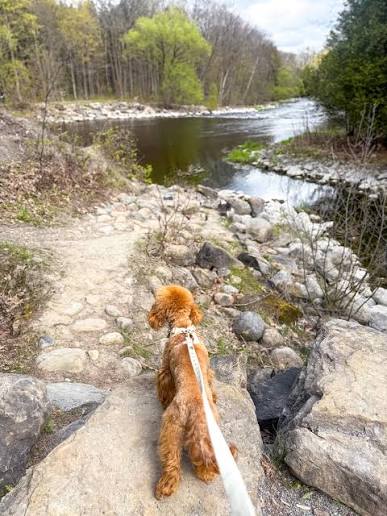
If your dog is new to hiking, don’t begin with the most difficult trail you can find.
Start small.
Choose a relatively short, well-maintained trail with manageable terrain. This allows your dog to become familiar with hiking without becoming overwhelmed (Cavapoo exercise needs).
You can gradually increase the distance as your dog develops confidence and endurance.
A good progression might look like this:
First outing: Short, easy trail
Next outings: Slightly longer walks
Later: More varied terrain and moderate distances
Experienced adult dog: Longer adventures when appropriate
Your dog’s response should determine how quickly you progress.
If your dog seems exhausted after a short hike, there is no reason to increase the distance yet.
3. Choose the Right Hiking Gear
Having the right equipment can make hiking with your dog considerably easier.
A Secure Harness
A properly fitted harness can give you better control while reducing pressure around your dog’s neck.
This is especially useful when navigating uneven terrain.
Make sure the harness fits securely without rubbing or restricting movement.
A Reliable Leash
Bring a sturdy leash that gives you control over your dog.
Even a well-trained dog should generally remain leashed when hiking on trails that require it.
A leash also protects your dog from wildlife, unfamiliar dogs, dangerous terrain, and unexpected situations.
Collapsible Water Bowl
A collapsible bowl takes up very little space and makes water breaks convenient.
Your dog should have access to fresh water throughout an active outing.
Fresh Water
Never assume a stream or pond is safe for your dog to drink from.
Natural water sources can contain parasites, bacteria, algae, or other contaminants.
Bring enough clean water for yourself and your dog.
Waste Bags
Always carry waste bags.
Cleaning up after your dog is part of responsible trail etiquette and helps protect the environment.
Basic First-Aid Supplies
A basic pet first-aid kit can be useful when exploring trails.
It may help you handle minor issues until professional veterinary care is available.
For more serious injuries, seek veterinary assistance as soon as possible.
4. Keep Your Cavapoo Hydrated
Hydration is one of the most important parts of hiking with your dog.
Dogs can become dehydrated more quickly during strenuous activity or warm weather.
Offer water regularly rather than waiting until your dog appears extremely thirsty.
Avoid allowing your dog to drink from unknown streams, puddles, or ponds.
Some water sources may contain harmful organisms or contaminants.
Pay attention to your dog’s behavior.
Excessive panting, weakness, unusual tiredness, or reluctance to continue can indicate that your dog needs a break.
If you notice concerning symptoms, stop the activity and seek appropriate veterinary advice.
5. Watch for Signs of Overexertion
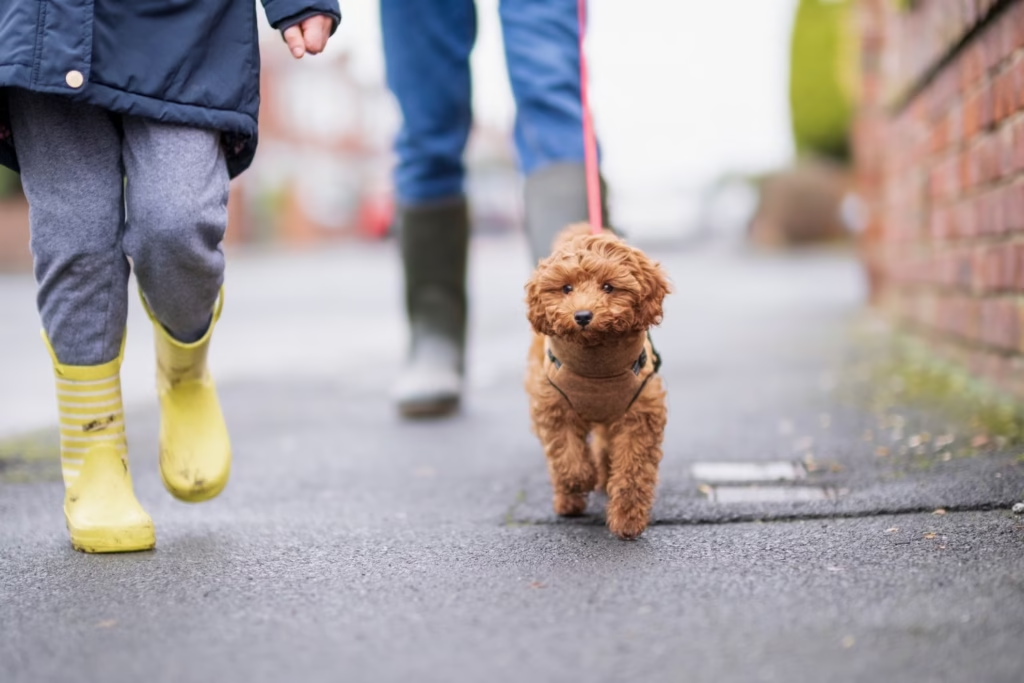
One of the biggest mistakes new dog hikers make is assuming that a tired dog is simply having fun.
Your dog may continue walking because they want to stay beside you.
That doesn’t mean they should continue.
Watch for signs such as:
- Excessive panting
- Lagging behind
- Frequent lying down
- Weakness
- Unusual reluctance to walk
- Difficulty standing
- Excessive drooling
- Confusion or unusual behavior
If your Cavapoo appears overly tired, stop and allow them to rest.
Don’t wait for your dog to completely run out of energy before taking a break.
6. Be Careful With Hot Weather
Temperature is extremely important when hiking with a dog.
Dogs don’t cool themselves in exactly the same way humans do. Their ability to regulate body temperature can make hot-weather exercise dangerous.
Avoid strenuous hikes during the hottest part of the day.
Instead, consider cooler morning or evening temperatures.
Look for shaded trails and provide frequent water breaks.
The American Kennel Club also recommends taking precautions to protect dogs from heat-related problems.
If your dog develops severe panting, weakness, confusion, vomiting, collapse, or other concerning symptoms, treat the situation seriously and seek veterinary assistance.
7. Don’t Forget Your Cavapoo’s Coat and Paws
Your Cavapoo’s coat can collect burrs, leaves, mud, and other debris while hiking.
Longer or curly coats may require extra attention after outdoor adventures.
Before heading home, check your dog carefully.
Pay attention to:
- Paws
- Between the toes
- Ears
- Legs
- Belly
- Tail
- Around the collar and harness
Look for burrs, ticks, cuts, irritation, or foreign objects.
Your dog’s paws also deserve special attention.
Hot surfaces, sharp rocks, ice, salt, and rough terrain can cause irritation or injury.
8. Practice Good Trail Etiquette
A great hiking experience involves respecting other people, dogs, and wildlife.
Keep Your Dog Under Control
Follow the trail’s leash requirements.
Even if your Cavapoo is friendly, another hiker or dog may not be comfortable with close encounters.
Keeping your dog under control also helps prevent wildlife encounters.
Yield When Appropriate
Give other trail users enough room to pass safely.
If someone approaches from the opposite direction, move your dog to the side when appropriate.
Clean Up After Your Dog
Always pick up your dog’s waste.
Dog waste can affect water quality and introduce pathogens into natural environments.
It also makes trails less enjoyable for everyone.
Responsible pet ownership continues outside your home.
9. Be Aware of Wildlife
Hiking trails can expose your Cavapoo to wildlife they don’t normally encounter.
You might see:
- Deer
- Rabbits
- Squirrels
- Snakes
- Birds
- Coyotes
- Other wild animals
A curious Cavapoo may want to investigate immediately.
Don’t allow your dog to chase wildlife.
Keep your dog close and under control, especially in areas where wildlife is common.
The National Park Service provides guidance for visiting national parks and other public lands with pets, including the importance of following local pet regulations.
10. Check the Trail Rules Before You Go
Not every hiking trail allows dogs.
Some trails may require leashes. Others may prohibit dogs entirely.
Before leaving home, check:
- Whether dogs are allowed
- Leash requirements
- Trail difficulty
- Distance
- Weather conditions
- Parking rules
- Water availability
- Wildlife warnings
- Seasonal restrictions
This small amount of preparation can prevent a frustrating experience.
It also helps you choose a trail that actually matches your Cavapoo’s abilities.
Hiking With a Puppy Is Different
If you’re hiking with a Cavapoo puppy, take an especially cautious approach.
Puppies have developing bodies and limited endurance.
They also haven’t experienced the world yet.
A puppy’s first outdoor adventures should focus on positive experiences rather than distance.
Let your puppy safely experience:
- Grass
- Different surfaces
- New smells
- Outdoor sounds
- Gentle inclines
- Calm environments
Keep sessions short.
You can gradually introduce more activity as your puppy matures.
If you are preparing for your puppy’s arrival, our puppy care and training resources can help you build good routines from the beginning.
Hiking Can Be Great Mental Enrichment
One of the biggest advantages of hiking is that it isn’t only exercise.
Your dog’s brain is working constantly.
Every trail contains new scents and sounds.
Your Cavapoo may stop to investigate a tree, listen to birds, watch another hiker, or explore an unfamiliar surface.
That’s enrichment.
Allowing your dog to sniff safely can make a walk much more mentally engaging.
You don’t need to rush your dog from one point to another.
Sometimes the best part of the adventure is simply letting your Cavapoo investigate the world.
What to Do After the Hike
Your responsibilities don’t end when you reach the car.
Take a few minutes to inspect your dog.
Check for Ticks
Ticks can attach to dogs during outdoor activities.
Check areas such as:
- Ears
- Neck
- Between the toes
- Armpits
- Belly
- Around the tail
If you find a tick, remove it appropriately and contact your veterinarian if you have concerns.
The CDC provides information about ticks and preventing tick-borne diseases.
Inspect the Paws
Look for:
- Cuts
- Cracks
- Redness
- Swelling
- Thorns
- Burrs
Clean your dog’s paws before returning home.
Check Their Energy
A little tiredness after exercise is normal.
Extreme exhaustion is not.
If your Cavapoo is limping, unusually lethargic, struggling to move, or displaying other concerning symptoms, contact your veterinarian.
The Benefits of Hiking With Your Dog
When done appropriately, hiking can offer several benefits.
Physical Exercise
Regular activity can help dogs maintain healthy body condition and muscle strength.
It can also support mobility and overall fitness.
Mental Stimulation
New environments provide sensory enrichment.
The constantly changing sights and smells make hiking much more stimulating than repetitive exercise.
Bonding
Perhaps the biggest benefit is the time you spend together.
Your Cavapoo learns that you are their partner and guide during new experiences.
You learn to recognize their signals and understand their needs.
That shared experience can strengthen your relationship.
How to Find a Dog-Friendly Hiking Trail
Finding the right trail is part of the preparation.
Look for trails that match your dog’s experience and physical abilities.
For your first few hikes, consider:
- Shorter distances
- Gentle elevation changes
- Well-maintained paths
- Shaded areas
- Reliable trail information
- Dog-friendly policies
Avoid choosing a trail simply because it looks impressive online.
The most beautiful trail isn’t necessarily the best trail for your dog.
A simple, safe trail can create a much better experience.
Make Safety the Priority
Hiking with your dog should be fun.
But safety should always come first.
Your Cavapoo doesn’t care whether you complete five miles or one mile.
They care about being with you.
If your dog is enjoying the experience, staying comfortable, and recovering normally afterward, you’re already creating a successful adventure.
And if your dog isn’t ready for a long hike yet, that’s perfectly fine.
Build their endurance gradually.
Final Thoughts: Enjoy the Adventure Together
Hiking with your dog can become one of your favorite ways to spend time together.
For Cavapoo owners, outdoor adventures can provide exercise, enrichment, training opportunities, and plenty of bonding time.
The most important thing is to respect your dog’s individual needs.
Choose an appropriate trail.
Bring water.
Use proper equipment.
Watch the weather.
Keep your dog under control.
And pay attention to what your Cavapoo is telling you.
A successful hike isn’t measured by distance.
It’s measured by a happy dog, a safe journey, and the memories you make together.
Whether you’re exploring a local nature trail or simply taking your Cavapoo on a new walking route, every adventure can help strengthen the bond between you and your best friend.
If you’re still preparing for your Cavapoo’s arrival, explore our Available Cavapoo Puppies and learn more about the breed before welcoming one into your family.
For more guidance, visit the Atlantic Cavapoo Puppies Home and explore our puppy care resources.
Recommended Reading
Continue building your Cavapoo knowledge with these related resources:
- Cavapoo Puppies for Sale — Explore available Cavapoo puppies and learn more about finding the right companion.
- Puppy Care & Training Resources — Practical information for raising and caring for your puppy.
- Cavapoo Puppies in Florida — Helpful information for families searching for Cavapoos in Florida.
- Cavapoo Puppies in California — Explore our California-focused Cavapoo resource.
- Cavapoo Puppies in North Carolina — A location-focused resource for North Carolina families.
Helpful External Resources
For additional safety information, readers can also consult:
- American Kennel Club — Hiking With Your Dog — General hiking and outdoor guidance for dog owners.
- American Veterinary Medical Association — Veterinary guidance on exercising pets safely.
- National Park Service — Pets — Information about pet rules and responsible pet ownership on public lands.
- CDC — Preventing Tick Bites — Guidance for reducing tick exposure during outdoor activities.
Important: Hiking recommendations should always be adjusted for your individual dog’s age, health, fitness, weather conditions, and the specific trail. For puppies or dogs with health concerns, consult your veterinarian before beginning strenuous exercise.

Pingback: What Are the Benefits of Owning a Dog - Best Guide in 2026