
Cavapoo Care Guide, Grooming Guide
How to Reduce Dog Shedding: 10 Tips for Less Fur at Home
Aug
Dog shedding is a completely normal part of having a canine companion (how to reduce dog shedding).
Dogs naturally lose old or damaged hairs as new hairs grow. Some dogs shed lightly throughout the year, while others experience heavier seasonal shedding.
Spring and fall can be especially noticeable for dogs with dense or double coats.
Fortunately, regular grooming and good overall care can help you reduce dog shedding and keep loose fur under control.
The goal is not to stop shedding completely.
Instead, the goal is to remove loose hair before it ends up on your furniture, clothing, floors, and carpets.
Good grooming also helps you monitor your dog’s skin and coat.
For Cavapoo owners, regular coat care is particularly important because Cavapoos can have soft, curly, wavy, or fleece-like coats that require consistent grooming.
Explore Our Available Cavapoo Puppies
Why Do Dogs Shed?
Shedding is part of a dog’s natural hair-growth cycle.
Old hairs eventually fall out and are replaced by new hairs.
The amount a dog sheds depends on several factors, including:
- Breed
- Coat type
- Genetics
- Age
- Season
- Hormones
- Nutrition
- Skin health
- Environment
- Overall health
Some dogs have dense double coats and can release large amounts of loose hair during seasonal coat changes.
Other dogs have hair that grows continuously and may shed much less visibly.
However, low-shedding does not mean completely non-shedding.
Every dog can lose some hair.
1. Brush Your Dog Regularly
One of the simplest ways to reduce dog shedding is regular brushing.
Brushing removes loose hair before it falls around your home.
It can also help distribute natural oils throughout the coat, which supports healthy-looking skin and fur.
How frequently you should brush depends on your dog’s coat.
Short-coated dogs may only need brushing a few times per week.
Dogs with longer, curly, or easily tangled coats may need brushing much more frequently.
Cavapoos often benefit from consistent brushing because their softer coats can develop tangles and mats (how to stop dog shedding).
Rather than waiting until the coat becomes tangled, make brushing a regular part of your dog’s routine.
Learn More About Cavapoo Grooming and Coat Care
2. Choose the Right Brush
Not every brush works equally well for every dog.
The right grooming tool depends on your dog’s coat type.
Common grooming tools include:
- Slicker brushes
- Pin brushes
- Undercoat rakes
- De-shedding tools
- Metal combs
- Grooming mitts
A slicker brush can be useful for many medium and longer coats.
A metal comb can help you find smaller tangles that a brush may miss.
However, aggressive brushing can irritate the skin.
Always brush gently and avoid pulling painfully through mats.
If your dog’s coat has severe matting, professional grooming may be safer than attempting to remove the mats yourself (dog shedding).
3. Bathe Your Dog When Needed
Bathing can help remove loose hairs from your dog’s coat.
However, bathing too frequently can dry the skin and potentially cause irritation.
Use a shampoo specifically formulated for dogs.
Human shampoos are not designed for canine skin and may disrupt the skin’s natural balance.
Choose a gentle dog shampoo appropriate for your dog’s coat and skin.
After shampooing, rinse extremely well.
Leftover shampoo can contribute to dryness or irritation.
Read Our Guide to Bathing Your Puppy
4. Pay Attention to Your Dog’s Diet
Nutrition plays an important role in maintaining healthy skin and coat.
A dog receiving an appropriate, balanced diet should have the nutrients necessary for normal coat growth.
Poor nutrition can contribute to a dull coat and unhealthy skin.
If you notice a significant change in your dog’s coat or shedding, speak with your veterinarian.
Your veterinarian can help determine whether your dog’s diet is appropriate and whether additional nutritional support is necessary.
Avoid adding supplements simply because they are marketed as shedding solutions.
Some dogs may benefit from specific nutrients, but supplements should be discussed with a veterinary professional first (excessive dog shedding).
5. Be Careful With Supplements
Fish oil and omega fatty acids are often promoted as ways to support healthy skin and coats.
They may have a role in canine nutrition, but they are not a universal solution for excessive shedding.
Giving your dog unnecessary supplements can also create nutritional problems.
Before adding fish oil, omega-3 supplements, or other products to your dog’s diet, ask your veterinarian about:
- Your dog’s current diet
- Appropriate dosage
- Existing health conditions
- Medication interactions
- Whether supplementation is actually necessary
Healthy nutrition starts with an appropriate overall diet.
6. Watch for Excessive Shedding
Normal shedding is usually gradual and predictable.
Sudden or excessive hair loss can be different.
Contact your veterinarian if shedding is accompanied by symptoms such as:
- Bald patches
- Red skin
- Persistent itching
- Excessive scratching
- Skin odor
- Scabs
- Sores
- Dandruff
- Changes in coat texture
- Constant licking
- Significant changes in appetite or behavior
Excessive shedding can sometimes be associated with allergies, parasites, skin conditions, hormonal problems, nutritional issues, or other health concerns.
Don’t automatically assume that increased shedding is simply seasonal (seasonal shedding in dogs).
7. Reduce Stress
Stress can affect dogs in several ways.
Some dogs may experience increased hair loss during periods of significant stress.
Changes in routine, moving homes, travel, separation, unfamiliar environments, or other stressful situations can affect individual dogs differently.
Give your dog a predictable routine with plenty of appropriate:
- Exercise
- Rest
- Mental stimulation
- Positive reinforcement
- Social interaction
- Quiet time
A comfortable dog is generally easier to groom and care for.
8. Keep Your Dog’s Bedding Clean
Even with excellent grooming, some loose hair will end up around your home.
Your dog’s bed is one of the easiest places for fur to accumulate.
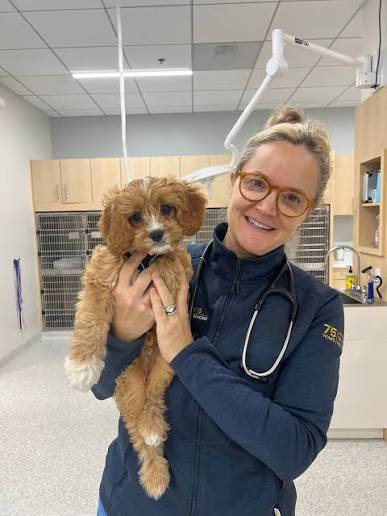
Wash bedding regularly according to the manufacturer’s instructions.
You can also use washable blankets or covers that make cleaning easier.
Regularly cleaning bedding can also help reduce accumulated dirt, dander, and other debris.
9. Keep Your Home Clean
You don’t need to spend every day chasing individual hairs around your house.
Instead, establish a simple cleaning routine.
Focus on areas where your dog spends the most time.
Regular vacuuming can help remove loose fur from:
- Carpets
- Rugs
- Sofas
- Chairs
- Floors
- Dog beds
For furniture, washable covers can make cleaning much easier.
The more loose hair you remove during grooming, the less hair you will generally have to clean up later.
10. Consider Professional Grooming
Professional grooming can be particularly helpful for dogs with longer, curly, or easily tangled coats.
A professional groomer can help with:
- Brushing
- De-matting
- Bathing
- Drying
- Coat trimming
- Nail care
- Basic hygiene
Professional grooming can be especially useful for Cavapoos.
Their coats can vary considerably, but many Cavapoos have coats that require regular maintenance to prevent tangles and mats.
Regular grooming appointments can complement your at-home brushing routine.
What About Spring Shedding?
Spring is often associated with heavier shedding.
Dogs with seasonal coats may lose part of their thicker winter coat as temperatures rise.
This can make it seem like your dog is suddenly shedding everywhere.
During heavier shedding periods, increase brushing frequency if your dog’s coat and skin tolerate it.
Keep your grooming tools nearby and establish a consistent routine.
Daily brushing may be appropriate for some dogs during heavy shedding periods, while others may only need brushing several times each week.
The right schedule depends on your dog’s individual coat.
Do Cavapoos Shed?
Cavapoos are generally considered low-shedding dogs, but individual Cavapoos can shed differently.
Their coat type depends on genetics inherited from their Cavalier King Charles Spaniel and Poodle parents.
Some Cavapoos have curlier coats, while others have wavy or straighter coats.
A curlier coat may hold loose hair within the coat instead of leaving large amounts of fur around the home.
However, that does not mean the hair disappears.
Regular grooming remains important.
For Cavapoos, brushing helps remove loose hair while also preventing tangles and mats.
Learn More About Cavapoo Puppies
How Often Should You Brush a Cavapoo?
There is no single schedule that works for every Cavapoo.
However, many Cavapoos benefit from frequent brushing to keep their coats free of tangles.
Pay particular attention to areas where mats commonly develop, including:
- Behind the ears
- Around the neck
- Under the legs
- Around the armpits
- Around the tail
- On the belly
Use gentle strokes and work through small sections rather than aggressively pulling at knots.
A metal comb can be useful after brushing to check whether you have reached through the coat.
Should You Shave a Dog to Stop Shedding?
Shaving a dog is not a universal solution to shedding.
For some breeds, removing the coat can interfere with its natural protective functions.
A dog’s coat can provide protection from the environment and help regulate temperature.
Whether trimming or shaving is appropriate depends on the breed and coat.
Always discuss major coat changes with a professional groomer or veterinarian.
For Cavapoos, regular trimming may be part of normal grooming, but the appropriate haircut depends on the individual dog’s coat and lifestyle.
How to Reduce Dog Hair Around Your House
If your main problem is fur on your furniture and floors, focus on prevention.
A simple routine can make a major difference.
Brush outside when possible
Brushing outdoors allows loose fur to fall away from your home’s floors and furniture.
Use washable furniture covers
A washable blanket can protect your favorite sofa and make cleanup easier.
Vacuum consistently
Frequent smaller cleaning sessions are often easier than waiting until fur accumulates.
Wash bedding
Clean your dog’s bedding regularly to remove accumulated fur and debris.
Groom before high-shed periods become overwhelming
Don’t wait until your dog’s coat is releasing large amounts of loose hair.
Consistent grooming throughout the year is usually easier.
When Should You Talk to Your Veterinarian About Shedding?
Shedding becomes more concerning when it changes suddenly or occurs alongside other symptoms.
Speak with your veterinarian if you notice:
- Sudden heavy hair loss
- Bald areas
- Severe itching
- Redness
- Skin infections
- Repeated scratching
- Persistent licking
- Changes in appetite
- Changes in energy
- Significant coat changes
Your veterinarian can determine whether the shedding is normal or whether further investigation is needed.
Never attempt to diagnose a medical condition based solely on the amount of fur your dog loses.
Is It Possible to Stop a Dog From Shedding?
No.
Shedding is a natural biological process.
The goal is to manage shedding, not eliminate it completely.
Regular brushing, appropriate bathing, good nutrition, veterinary care, and professional grooming can help keep shedding under control.
The amount of shedding you experience will also depend heavily on your dog’s genetics and coat type.
Some dogs will naturally leave much more hair around the house than others.
Final Thoughts on Managing Dog Shedding
Learning how to reduce dog shedding starts with understanding that shedding is normal.
The right grooming routine can make loose hair much easier to manage.
Brush your dog regularly, use appropriate grooming tools, bathe when necessary, provide balanced nutrition, keep your home clean, and watch for unusual changes in the skin or coat.
For Cavapoo families, regular brushing is particularly important because coat maintenance involves more than simply controlling loose hair.
It also helps prevent tangles and mats.
With consistency, grooming can become a normal part of your dog’s routine rather than a frustrating chore.
And remember: a little dog hair is simply part of life with a furry family member.
Explore Available Cavapoo Puppies
Learn More About Atlantic Cavapoo Puppies
Contact Us About Cavapoo Puppies
How to Reduce Dog Shedding FAQs
Why is my dog shedding so much?
Dogs can shed more during seasonal coat changes. Increased shedding can also be associated with coat type, genetics, age, nutrition, stress, allergies, parasites, or other health conditions.
How can I reduce my dog’s shedding?
Regular brushing is one of the easiest ways to manage shedding. Appropriate bathing, nutrition, veterinary care, and professional grooming can also help keep loose hair under control.
Does brushing reduce dog shedding?
Brushing does not stop your dog from shedding. However, it removes loose hair before it falls onto furniture, floors, carpets, and clothing.
How often should I brush my dog?
The ideal frequency depends on the dog’s coat. Some dogs need brushing several times per week, while dogs with long or curly coats may require daily grooming.
Do Cavapoos shed?
Cavapoos are generally considered low-shedding, but individual dogs can shed different amounts. Their coat type depends on genetics inherited from their Cavalier King Charles Spaniel and Poodle parents.
Do Cavapoos shed in the spring?
Cavapoos may experience changes in shedding throughout the year, but they generally do not shed in the same way as heavily seasonal double-coated breeds. Individual coat type and genetics can influence shedding.
Does bathing help with shedding?
Bathing can help loosen and remove dead hairs. However, dogs should be bathed appropriately using products formulated specifically for canine skin.
Can dog food affect shedding?
Nutrition affects skin and coat health. An inappropriate or unbalanced diet may contribute to coat problems. Ask your veterinarian if you are concerned about your dog’s diet or shedding.
Should I give my dog fish oil for shedding?
Do not add supplements solely because your dog sheds. Ask your veterinarian whether an omega-3 or other supplement is appropriate for your individual dog.
Can stress cause a dog to shed more?
Stress can affect some dogs and may contribute to increased hair loss. If shedding is sudden or accompanied by other symptoms, consult your veterinarian.
Should I shave my dog to stop shedding?
Shaving does not necessarily solve shedding and may not be appropriate for every breed or coat. Discuss major coat changes with a professional groomer or veterinarian.
When is dog shedding a health concern?
Sudden or excessive hair loss accompanied by bald patches, itching, redness, sores, odor, or other changes should be discussed with a veterinarian.
