Cavapoo Breed Information, Grooming Guide
14 Dog Breeds That Shed the Most: Double-Coated Dogs Guide
Aug
Spring brings warmer weather, longer walks, outdoor adventures, and plenty of opportunities to enjoy time with your dog (dog breeds that shed the most).
It can also bring something many dog owners know all too well: shedding season.
Some dogs leave only a little hair around the house. Others can turn your sofa, clothing, carpets, and floors into a collection of loose fur.
If you’re considering bringing a dog into your family, understanding shedding before choosing a breed is important.
Your lifestyle, grooming routine, home environment, and tolerance for loose hair can all influence which breed is right for you.
Many of the heaviest-shedding breeds have double coats. These coats consist of a protective outer layer and a softer, denser undercoat.
The undercoat can become especially noticeable during seasonal coat changes.
That doesn’t make these breeds any less wonderful.
In fact, many heavy-shedding breeds are affectionate, intelligent, loyal, playful, and fantastic companions for the right family.
The key is understanding what you’re signing up for.
And if you’re looking for a dog with different grooming and shedding characteristics, it’s also worth learning about breeds such as the Cavapoo.
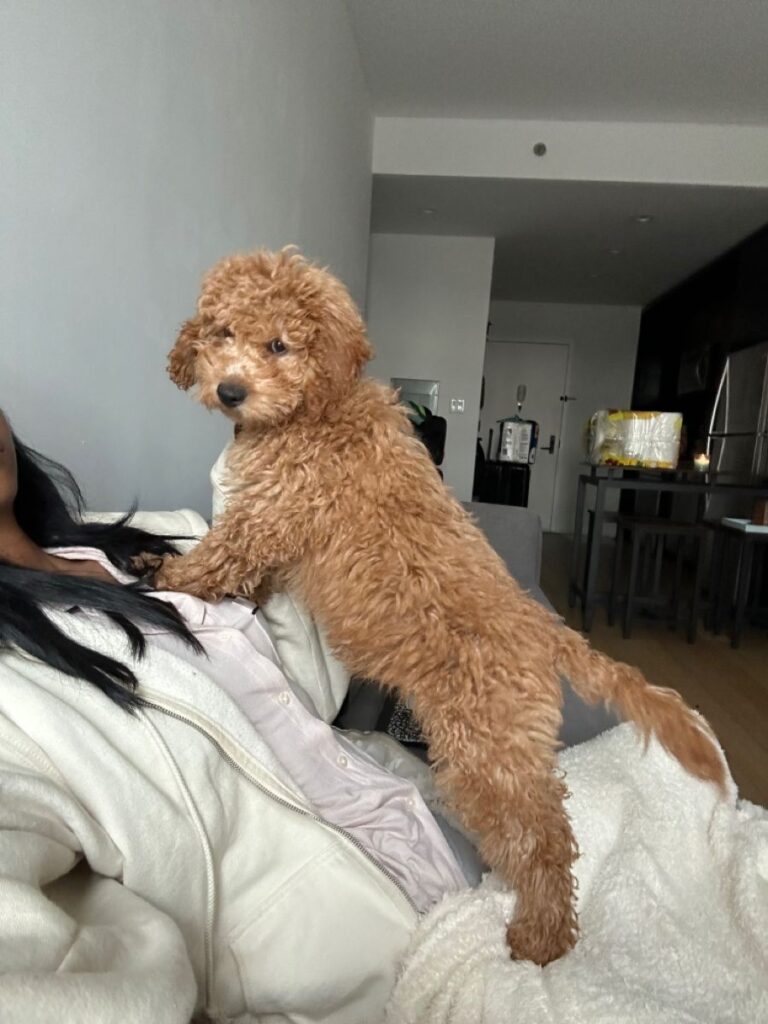
Before choosing a puppy, take a look at our Cavapoo Puppies for Sale page to learn more about the puppies available and what to consider when choosing your new companion.
What Is a Double-Coated Dog?
A double-coated dog has two distinct layers of fur.
The outer coat, sometimes called the guard coat, helps protect the dog from environmental conditions.
The undercoat is typically softer and denser. It provides additional insulation and helps regulate body temperature.
Double coats are particularly common in breeds developed to work or live in cold or changing climates.
Examples include:
- Siberian Huskies
- Alaskan Malamutes
- German Shepherds
- Golden Retrievers
- Labrador Retrievers
- Akitas
- Great Pyrenees
Many double-coated dogs shed throughout the year.
However, some experience much heavier shedding during seasonal coat changes.
This is commonly called blowing the coat.
During these periods, loose undercoat hair can appear almost everywhere.
Why Do Dogs Shed More in Spring?
Seasonal shedding is a normal biological process.
As temperatures and daylight change, some dogs naturally lose portions of their winter undercoat.
Spring can therefore be a particularly noticeable shedding period.
Fall can bring another significant coat change as dogs prepare for colder weather.
Not every dog experiences seasonal shedding to the same degree.
Breed genetics, coat type, environment, age, hormones, nutrition, and health can all influence shedding.
Regular grooming can help you manage the loose hair before it ends up throughout your home.
For more practical advice, read our guide on how to control dog shedding.
14 Dog Breeds That Shed the Most
The following breeds are known for having coats that can produce significant amounts of loose hair.
They’re listed alphabetically rather than as a strict scientific ranking because shedding varies between individual dogs (highest shedding dog breeds).
1. Akita
Akitas are powerful, intelligent, independent dogs known for their loyalty and protective nature.
What We Love About the Akita
Akitas can form strong bonds with their families and are often confident and devoted companions.
They’re intelligent dogs that tend to have an independent personality.
Akita Coat
Akitas have a thick double coat.
Their outer coat is relatively coarse, while the undercoat is soft and dense.
Akitas can experience significant seasonal shedding, particularly during spring and fall.
Regular brushing helps remove loose undercoat before it spreads around your home.
During heavier shedding periods, more frequent brushing may be necessary.
2. Alaskan Malamute
The Alaskan Malamute was developed for demanding work in cold climates.
Today, these powerful dogs are known for their strength, affection, intelligence, and striking appearance.
What We Love About the Alaskan Malamute
Malamutes can be affectionate and friendly with their families.
They’re intelligent and energetic dogs that generally need plenty of physical and mental stimulation.
Alaskan Malamute Coat
The breed has a dense double coat designed to provide insulation.
Their undercoat can become especially noticeable when seasonal shedding begins.
During spring coat blow, owners may find themselves brushing and vacuuming frequently.
A consistent grooming routine can make the process much more manageable.
3. American Eskimo Dog
The American Eskimo Dog is known for its beautiful white or cream-colored coat and lively personality.
What We Love About the American Eskimo Dog
These dogs are intelligent, alert, playful, and often eager to participate in family activities.
Their bright personality makes them entertaining companions.
American Eskimo Dog Coat
The breed has a thick double coat with a dense undercoat and longer outer hair.
Their coat requires regular brushing.
During heavier shedding periods, brushing more frequently can help remove loose hair and prevent it from accumulating throughout your home.
4. Bernese Mountain Dog
The Bernese Mountain Dog is a large, beautiful breed known for its distinctive tri-color coat.
What We Love About the Bernese Mountain Dog
Despite their impressive size, Bernese Mountain Dogs are often gentle and affectionate with their families.
They enjoy spending time with their people and can make devoted companions.
Bernese Mountain Dog Coat
Bernese Mountain Dogs have a thick double coat.
Their medium-length outer coat can be straight or slightly wavy, with a dense undercoat underneath.
They shed regularly and can produce considerably more loose hair during seasonal coat changes.
Frequent brushing can help keep the coat healthy and reduce loose fur around the house.
5. Cardigan Welsh Corgi
The Cardigan Welsh Corgi may be small, but this breed has plenty of personality.
What We Love About the Cardigan Welsh Corgi
Cardigans are intelligent, affectionate, alert, and often strongly attached to their families.
They’re active dogs with plenty of personality.
Cardigan Welsh Corgi Coat
Cardigan Welsh Corgis have a weather-resistant outer coat and a soft undercoat.
Their double coat sheds throughout the year and can become especially noticeable during seasonal changes.
Regular brushing helps remove dead and loose hair before it accumulates.
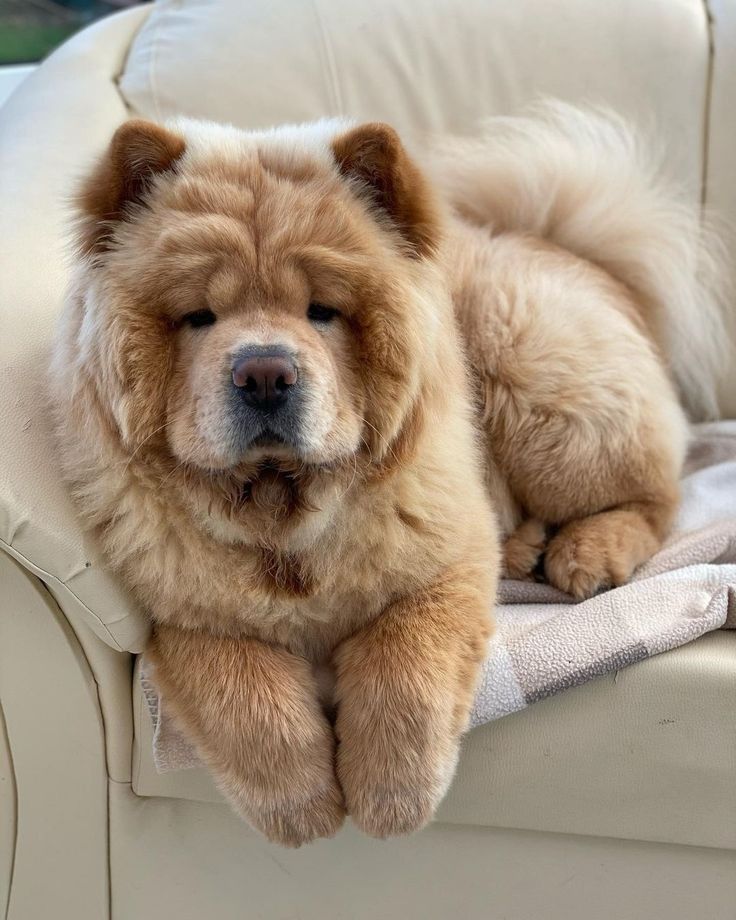
6. Chow Chow
The Chow Chow is instantly recognizable because of its thick coat and distinctive mane-like appearance.
What We Love About the Chow Chow
Chow Chows are generally independent, dignified, and devoted to their families.
They can be calm and reserved compared with many other breeds.
Chow Chow Coat
Chow Chows can have rough or smooth coats.
The rough-coated variety has a particularly dense double coat that requires regular maintenance.
Brushing helps prevent tangles and removes loose undercoat.
Because of the density of their coat, grooming can require considerable time and consistency.
7. German Shepherd
German Shepherds are among the world’s best-known working and companion breeds.
What We Love About the German Shepherd
They’re intelligent, loyal, trainable, brave, and protective.
German Shepherds often thrive when they have a job to do and plenty of opportunities for physical and mental activity.
German Shepherd Coat
Most German Shepherds have a dense double coat.
They shed throughout the year, with seasonal increases that can produce substantial amounts of loose fur.
Regular brushing is essential.
During heavy shedding periods, daily brushing may help keep loose hair under control.
8. Great Pyrenees
The Great Pyrenees is a large, majestic breed originally developed to protect livestock.
What We Love About the Great Pyrenees
Great Pyrenees are often gentle and affectionate with their families.
They can be calm and patient while remaining protective when they perceive a threat.
Great Pyrenees Coat
The breed has a thick, weather-resistant double coat.
The outer coat is long and coarse, while the undercoat is soft and dense.
Regular brushing is important throughout the year.
When seasonal shedding increases, brushing more frequently can help remove the large amount of loose undercoat.
9. Labrador Retriever
Labrador Retrievers are among the most popular family dogs.
What We Love About the Labrador Retriever
Labs are generally friendly, outgoing, affectionate, and energetic.
They often enjoy swimming, retrieving, hiking, playing, and spending time with their families.
Labrador Retriever Coat
Labradors have short, dense double coats.
Don’t let their short hair fool you.
Labs can shed a surprising amount.
Regular brushing can remove loose hair and help reduce the amount that ends up around your home.
After outdoor adventures, particularly swimming or muddy activities, a rinse may also be necessary.
10. Pembroke Welsh Corgi
The Pembroke Welsh Corgi is another small breed with a surprisingly substantial coat.
What We Love About the Pembroke Welsh Corgi
Pembrokes are energetic, intelligent, affectionate, and often very entertaining.
They’re small dogs with big personalities.
Pembroke Welsh Corgi Coat
Pembrokes have a dense double coat consisting of a weather-resistant outer layer and a soft undercoat.
They shed regularly.
Seasonal shedding can be especially noticeable.
Regular brushing helps remove dead hair and keeps the coat looking healthy.
11. Pomeranian
Pomeranians may be tiny, but their coats can produce plenty of loose hair.
What We Love About the Pomeranian
Pomeranians are lively, curious, playful, and affectionate.
They’re often confident little dogs with plenty of personality.
Pomeranian Coat
Pomeranians have a thick double coat.
Their fluffy appearance requires regular maintenance.
Daily or frequent brushing can help prevent tangles and remove loose hair before it ends up around the house.
Professional grooming may also be useful for owners who want help maintaining the coat.
12. Siberian Husky
Few dogs are more recognizable than the Siberian Husky.
Their beautiful coats and energetic personalities have made them popular companions for active families.
What We Love About the Siberian Husky
Huskies are energetic, intelligent, curious, and adventurous.
They typically need plenty of exercise and mental stimulation.
Siberian Husky Coat
Huskies have dense double coats designed for cold environments.
They can experience dramatic seasonal shedding.
When a Husky blows its coat, loose undercoat can come out in large amounts.
During these periods, regular brushing and frequent home cleaning can become essential.
13. Saint Bernard
Saint Bernards are enormous dogs with equally enormous personalities.
What We Love About the Saint Bernard
Saint Bernards are often gentle, affectionate, patient, and devoted to their families.
Their size alone can make them impressive companions.
Saint Bernard Coat
Saint Bernards can have short or long coats, but both varieties can shed.
Their seasonal coat changes can produce substantial amounts of loose hair.
Regular brushing helps remove dead hair and keeps the coat clean.
Because of their size, grooming a Saint Bernard can also take considerably longer than grooming a small dog.
14. Golden Retriever
Golden Retrievers are among America’s most beloved family dogs.
What We Love About the Golden Retriever
Goldens are generally friendly, affectionate, intelligent, energetic, and eager to please.
They’re often wonderful companions for active households.
Golden Retriever Coat
Golden Retrievers have a dense double coat.
Their beautiful feathered hair requires regular brushing.
They shed throughout the year and can shed significantly more during seasonal coat changes.
Brushing regularly helps remove loose hair before it ends up on furniture and floors.
How to Manage Heavy Shedding
Living with a heavy-shedding dog doesn’t have to mean living under a permanent layer of fur.
A consistent grooming routine can make a significant difference (heavy shedding dogs).
Brush Regularly
Brushing is one of the most effective ways to manage loose hair.
The appropriate brush depends on the dog’s coat.
Some dogs benefit from slicker brushes, while others may need undercoat rakes or specialized de-shedding tools.
Never aggressively scrape or pull at your dog’s skin.
The goal is to remove loose hair comfortably (double coated dog breeds).
Increase Brushing During Shedding Season
You may need to brush more frequently during spring and fall.
A dog that normally needs brushing a few times per week may benefit from more frequent sessions when shedding increases.
This is especially useful for breeds such as Huskies, Malamutes, German Shepherds, and other double-coated dogs.
Don’t Shave a Double-Coated Dog Simply Because It Sheds
Shaving isn’t a simple solution to excessive shedding.
A dog’s coat can serve important protective and insulating functions.
Removing the coat doesn’t necessarily solve the biological process that causes shedding.
If you’re unsure whether your dog’s coat should be trimmed, consult a professional groomer or veterinarian.
Bathe Your Dog When Appropriate
Bathing can help loosen dead hair and remove dirt from the coat.
However, excessive bathing can potentially dry or irritate your dog’s skin.
Use a shampoo formulated for dogs and rinse thoroughly.
After bathing, brushing once the coat is appropriately dry can help remove additional loose hair.
Keep Your Home Clean
Even the best grooming routine won’t eliminate every loose hair.
Vacuum regularly.
Wash your dog’s bedding.
Clean furniture where your dog spends time.
Use washable covers if necessary.
A little regular cleaning is easier than allowing loose hair to accumulate for weeks.
Are Low-Shedding Dogs Better for Every Family?
Not necessarily.
Low-shedding doesn’t always mean low-maintenance.
Some low-shedding dogs have coats that continuously grow and therefore require regular brushing, trimming, and professional grooming.
This is an important distinction.
A dog that sheds very little may still require significant coat maintenance.
Therefore, when choosing a breed, consider the entire grooming requirement rather than shedding alone.
What About Cavapoos?
Cavapoos are often attractive to families who prefer a dog that may shed less than many traditional double-coated breeds.
However, individual Cavapoos can vary.
Cavapoos are a cross between the Cavalier King Charles Spaniel and Poodle, so their coats can inherit different characteristics from their parents.
Some may have wavier coats.
Others may have curlier coats.
Some may shed more than others.
Therefore, it is better to think of Cavapoos as potentially lower-shedding dogs rather than completely non-shedding dogs.
Their coat can also require consistent brushing because loose hair can become trapped within curly or wavy fur.
If you’re interested in learning more about the breed before making a decision, our Cavapoo puppies for sale page is a good place to start.
Do Cavapoos Need Grooming?
Yes.
Even when shedding is relatively low, Cavapoos need regular coat care.
A grooming routine can include:
- Regular brushing
- Bathing when necessary
- Coat trimming
- Nail care
- Ear care
- Dental care
- Professional grooming
Starting grooming routines while your Cavapoo is young can make future grooming much easier.
Puppies should gradually become comfortable with being brushed, touched, handled, and examined.
For new puppy owners, understanding these responsibilities before bringing a puppy home is important.
Our Adoption Process provides additional information for families preparing to welcome a puppy.
Shedding vs. Coat Maintenance
One of the biggest mistakes prospective dog owners make is assuming that less shedding means less grooming.
That’s not always true.
Consider two hypothetical dogs.
Dog A sheds heavily but has short hair that is easy to brush.
Dog B sheds very little but has a curly coat that can mat without regular brushing.
Dog B may leave less hair around your house, but it can require more hands-on coat maintenance.
That’s why your lifestyle should influence your breed choice.
Think about how much time you can realistically dedicate to grooming.
How to Choose the Right Dog for Your Lifestyle
Before choosing a puppy, consider more than appearance.
Ask yourself:
How much exercise can I provide?
Some high-shedding breeds are also highly energetic working dogs.
How much grooming can I manage?
Long, dense coats can require significant time.
How much loose hair can I tolerate?
If you’re very particular about keeping furniture and clothing fur-free, a heavy-shedding breed may require more work.
Does anyone in my household have allergies?
Remember that no dog can be guaranteed completely hypoallergenic.
How much time will I spend training?
Intelligent working breeds can thrive with training but may become bored without adequate stimulation.
What size dog fits my home and lifestyle?
A Great Pyrenees and a Pomeranian have dramatically different space and care requirements.
What are the long-term health and care responsibilities?
Choosing a dog should be a long-term decision.
Spring Grooming Tips for Heavy-Shedding Dogs
Spring can be one of the busiest grooming seasons for owners of double-coated dogs.
Try creating a simple routine.
Brush Outside When Possible
Brushing outdoors can prevent loose hair from accumulating inside your home.
Keep Grooming Tools Ready
Store your brush, comb, grooming towels, and other supplies somewhere accessible.
Increase Cleaning
Vacuum more frequently when your dog’s shedding increases.
Check the Skin
Brushing gives you an opportunity to look for redness, irritation, parasites, or unusual changes.
Don’t Over-Bathe
More shedding doesn’t automatically mean your dog needs more baths.
Keep Your Dog Comfortable
If shedding is accompanied by severe itching, bald patches, redness, sores, or other unusual symptoms, speak with your veterinarian.
Is Excessive Shedding Ever a Health Problem?
Normal shedding is different from unexplained hair loss.
If your dog’s shedding suddenly changes dramatically, don’t assume it’s simply seasonal.
Contact your veterinarian if you notice:
- Bald patches
- Significant thinning
- Persistent itching
- Red skin
- Scabs
- Sores
- Excessive dandruff
- Skin odor
- Parasites
- Behavioral changes
- Changes in appetite or weight
A veterinarian can help determine whether an underlying health problem is responsible.
For prospective puppy owners, health should always be part of the decision-making process.
You can learn more through our Health Guarantee information.
Frequently Asked Questions About Dog Breeds That Shed the Most
What dog breeds shed the most?
Breeds known for significant shedding include Siberian Huskies, Alaskan Malamutes, German Shepherds, Akitas, Golden Retrievers, Labrador Retrievers, Great Pyrenees, Saint Bernards, and several Corgi breeds.
Individual dogs can still vary considerably.
What is the heaviest-shedding dog breed?
There isn’t one universally accepted “heaviest-shedding” breed.
Many double-coated breeds can shed heavily, particularly during seasonal coat changes.
Siberian Huskies, Alaskan Malamutes, German Shepherds, and Great Pyrenees are well known for substantial seasonal shedding.
Why do double-coated dogs shed so much?
Double-coated dogs have dense undercoats that naturally cycle throughout the year.
During seasonal changes, they may release large amounts of old undercoat.
Do all double-coated dogs shed heavily?
No.
Shedding varies by breed and individual dog.
However, double-coated dogs generally require owners to be prepared for regular loose hair.
Do dogs shed more in spring?
Many dogs experience increased shedding during spring as they lose portions of their winter coat.
The amount varies depending on breed, coat type, genetics, environment, and individual health.
Can brushing stop a dog from shedding?
No.
Brushing cannot stop natural shedding.
It can, however, remove loose hair before it falls onto your floors and furniture.
Should I shave my dog during shedding season?
You should not shave a double-coated dog simply to eliminate shedding.
The coat serves important protective functions, and shaving does not stop the natural hair cycle.
Ask a professional groomer or veterinarian if you’re unsure about appropriate coat care.
Do Labradors shed a lot?
Yes.
Labrador Retrievers have dense double coats and can shed significantly throughout the year, with heavier seasonal shedding.
Do Golden Retrievers shed a lot?
Yes.
Golden Retrievers have dense double coats and regularly shed loose hair.
Frequent brushing can help manage the amount of fur around your home.
Do Cavapoos shed?
Cavapoos can shed less than many traditional heavy-shedding breeds, but shedding varies between individual dogs.
Their coat type and genetics influence how much hair they lose.
Are Cavapoos hypoallergenic?
Cavapoos are not guaranteed to be hypoallergenic.
Some may be better tolerated by people who prefer lower-shedding dogs, but individual allergies vary.
Are low-shedding dogs easier to groom?
Not necessarily.
Some low-shedding dogs have continuously growing coats that require frequent brushing and professional trimming.
Low shedding and low maintenance are not the same thing.

Final Thoughts on Dogs That Shed the Most
Heavy shedding doesn’t make a dog a bad fit.
It simply means you need to understand the grooming commitment before bringing that dog home.
Double-coated breeds such as Huskies, Malamutes, German Shepherds, Golden Retrievers, and Great Pyrenees can be wonderful family companions.
They simply require owners who are prepared for regular grooming and seasonal shedding.
If you prefer a potentially lower-shedding companion, breeds such as the Cavapoo may be worth researching.
However, remember that every dog is an individual.
The right puppy isn’t necessarily the one that sheds the least.
It’s the one whose temperament, exercise requirements, grooming needs, size, and lifestyle fit your household.
If you’re considering a Cavapoo, you can learn more about the breed and available puppies through our Cavapoo Puppies for Sale page.
You can also review our FAQ for additional answers about puppies, preparation, and responsible ownership.
More Cavapoo Resources
If you’re researching Cavapoos before bringing one home, these resources can help:
Cavapoo Puppies for Sale — Explore available Cavapoo puppies and learn more about choosing your new companion.
Adoption Process — Understand the steps involved in preparing to welcome a puppy.
Health Guarantee — Learn more about puppy health information and responsible ownership.
FAQ — Get answers to common questions about Cavapoos and puppy ownership.
How to Control Dog Shedding — Learn practical ways to manage loose hair and maintain a healthy coat.
Responsible Dog Ownership
At Atlantic Cavapoo Puppies, we believe choosing a puppy should involve more than appearance.
Families should consider temperament, exercise, grooming, training, health, nutrition, and the long-term commitment involved in caring for a dog.
Whether you choose a heavy-shedding double-coated breed or a potentially lower-shedding companion such as a Cavapoo, understanding the breed’s needs is one of the best ways to build a successful relationship.
Disclaimer: This article is provided for general educational purposes and does not replace veterinary advice. Shedding patterns vary between individual dogs. Sudden hair loss, bald patches, persistent itching, skin irritation, sores, or other unusual symptoms should be evaluated by a qualified veterinarian.
Angela B.
Angela Butterfield is a seasoned writer and lifelong dog lover who shares practical information about puppy preparation, grooming, daily dog care, training, and life with four-legged companions.
